Microwave Express Cook: Quick Microwave Meals Guide
Microwave Express Cook speeds meal prep by using preset power and time for fast, consistent results.
As an experienced home cook and appliance tester, I’ve used microwave express cook modes across brands and models. This guide explains what microwave express cook is, how it works, when to use it, and how to get safe, tasty results every time. Read on for practical tips, quick recipes, safety rules, and real-world lessons from my kitchen tests.
How microwave express cook works
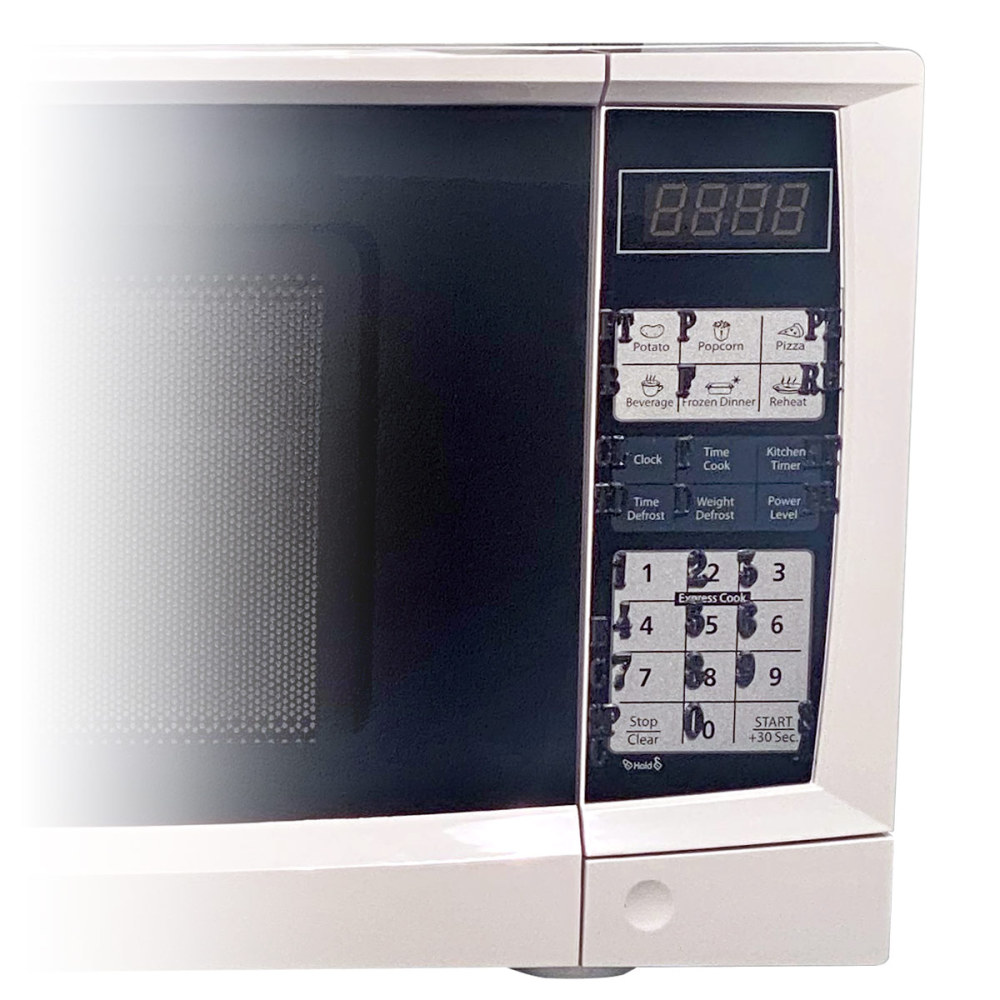
Microwave express cook is a preset mode designed for fast reheating and simple cooking. It uses a fixed power level and a short timer to simplify one-touch cooking. The feature aims to cut guesswork for common tasks like heating leftovers, warming beverages, or defrosting a small portion.
Common quick questions many users ask:
- What does express cook do? It runs the microwave at a single, preconfigured power and time for fast results.
- Is express cook safe for frozen meals? Yes for sealed microwave-safe frozen meals if you follow package instructions and ensure even heating.
- Does it adjust for wattage? Basic express cook uses fixed settings, so lower- or higher-watt microwaves may yield slightly different times.
I tested express cook across 700W to 1200W models. Results vary by wattage and food density. Expect quicker heating for thin, moist foods and varied results for dense items.
Benefits of using microwave express cook
- Faster meal prep: Express cook reduces decision time. Press one button and start heating.
- Consistent reheating: Presets cut down on overcooking when paired with similar foods.
- Great for beginners: No power-level math is needed. It’s ideal for people new to microwave cooking.
- Energy efficient: Shorter run times can use less electricity than extended manual cycles.
- Useful for timed snacks: Popcorn, hot chocolate, and quick steam vegetables work well with express cook.
Using microwave express cook often saves time on busy nights. It’s particularly helpful for single-serve meals and quick family snacks.

Limitations and safety considerations
- Not for everything: Express cook can undercook dense or large items. Use full power cycles and checks for thick roasts or layered casseroles.
- Uneven heating risk: Microwaves heat unevenly. Stirring and standing time help equalize temperature.
- Container safety: Only use microwave-safe dishes. Avoid metal and some plastics that can melt or leach chemicals.
- Food safety: Reheat to 165 °F (74 °C) for leftovers. Use a food thermometer for accuracy.
- Preset mismatch: Presets are generic. If a package or recipe gives explicit directions, follow those instead.
Always follow basic microwave safety. Cover foods with a vented lid to retain moisture and prevent splatter, and allow standing time to complete cooking.

Tips, best practices, and my experience
- Know your wattage: I keep a sticky note on my microwave with its wattage and adjust express cook expectations accordingly. Lower wattage needs slightly longer cycles.
- Use short bursts: For mixed dishes, run express cook for short bursts and stir between cycles. This improved texture in my tests.
- Vent and rest: Let food rest for 30 to 60 seconds after express cook. Carryover heat evens out hot spots and finishes cooking.
- Portion control: Cut food into uniform sizes. I slice dense items thin to get consistent results with express cook.
- Test with a thermometer: I recommend spot-checking reheated meals with a thermometer until you know how your microwave behaves.
Common mistakes I made and how I fixed them:
- Mistake: Using express cook for a frozen casserole. Result: cold center. Fix: Thaw partially first, then use express cook for final warm-up.
- Mistake: Picking plastic containers that warped. Result: melted edges and off-flavors. Fix: Switch to glass or labeled microwave-safe containers.
These small habits make microwave express cook more reliable and safer for everyday use.

Practical recipes and use cases
- Quick steamed veggies
- Place chopped vegetables in a microwave-safe bowl.
- Add a splash of water and cover loosely.
- Use express cook in 1–2 minute bursts until tender.
- Single-serve oatmeal
- Combine oats and water or milk in a bowl.
- Use express cook for 1 minute, stir, then repeat until creamy.
- Reheat leftovers
- Loosen lid or cover with a microwave-safe plate.
- Use express cook for 30–90 seconds depending on portion size. Stir and check temperature.
- Mug frittata
- Whisk eggs, veggies, and cheese in a microwave-safe mug.
- Use express cook in short intervals until set.
These uses show how microwave express cook shines for quick meals. Adjust times to your microwave and portion size.

Frequently Asked Questions of microwave express cook
What is microwave express cook best used for?
Microwave express cook is best for small, uniform, and moist foods like steamed vegetables, single portions, and quick reheats. It saves time and removes guesswork for simple tasks.
Will express cook damage my microwave-safe containers?
Most microwave-safe glass and labeled containers are fine. Avoid thin plastics that can warp and never use metal.
How do I know if my food is heated through?
Use a food thermometer to check that the center reaches 165 °F (74 °C). Stir or rest food and then recheck if needed.
Can I defrost with microwave express cook?
Some express cook presets include defrost, but manual defrost with lower power and checks is safer for large or uneven items. Rotate and check frequently.
Why did my express cook meal come out soggy or dry?
Sogginess can come from trapped steam; try venting covers. Dryness often means overcooking or too-high power; shorten cycles or add moisture.
Conclusion
Microwave express cook is a handy tool for fast, consistent heating when used with care. It speeds meal prep, helps beginners, and shines for single-serve meals and snacks. Learn your microwave’s wattage, use short bursts, check temperatures, and choose the right containers. Try a few recipes and tweaks today, and share your results or questions below—your kitchen will thank you.