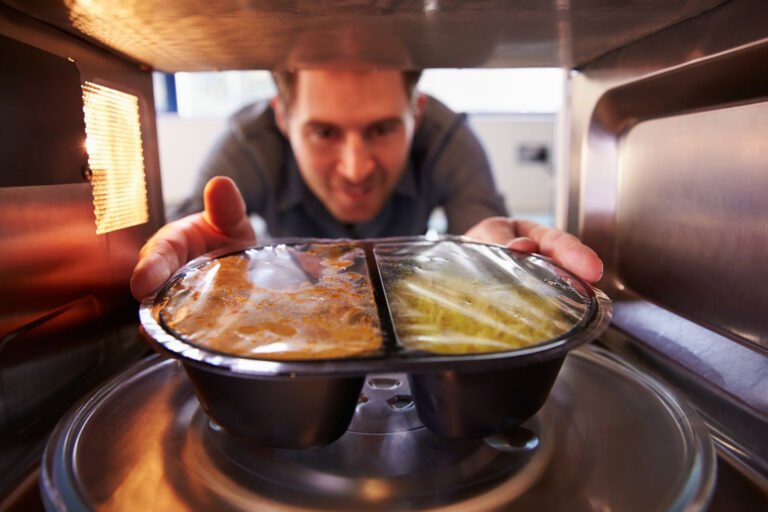
Microwave Reheating Best Practices: Safe Fast Tips
Reheat food evenly, safely, and quickly by using lower power, coverings, and stirring often.
I have spent years testing kitchen tips and helping folks keep food tasty and safe. This guide on microwave reheating best practices draws on hands-on experience and practical food safety rules. Read on for clear steps, real tips I use daily, and easy rules you can trust.

How microwaves heat food
Microwaves heat food by making water molecules move. That movement creates heat. Heat spreads from wetter spots to drier spots. This can make food heat unevenly. Knowing this helps you use microwave reheating best practices.
Microwaves work fast. That speed is a big plus. It is also a reason to use lower power and to stir food. These steps cut cold spots and protect texture.
Core microwave reheating best practices
Follow these simple rules every time you reheat food.
-
Use lower power settings.
High power can overcook edges and leave cold centers. I often use 50% power for dense foods. -
Cover the food.
A lid, plate, or microwave-safe wrap traps steam. Steam helps heat food evenly and keeps it moist. -
Stir and rotate.
Stop halfway to stir or rotate the dish. This evens temperature and prevents hot spots. -
Let food rest after heating.
Resting for 1 to 2 minutes lets temperature even out. It finishes the cook safely. -
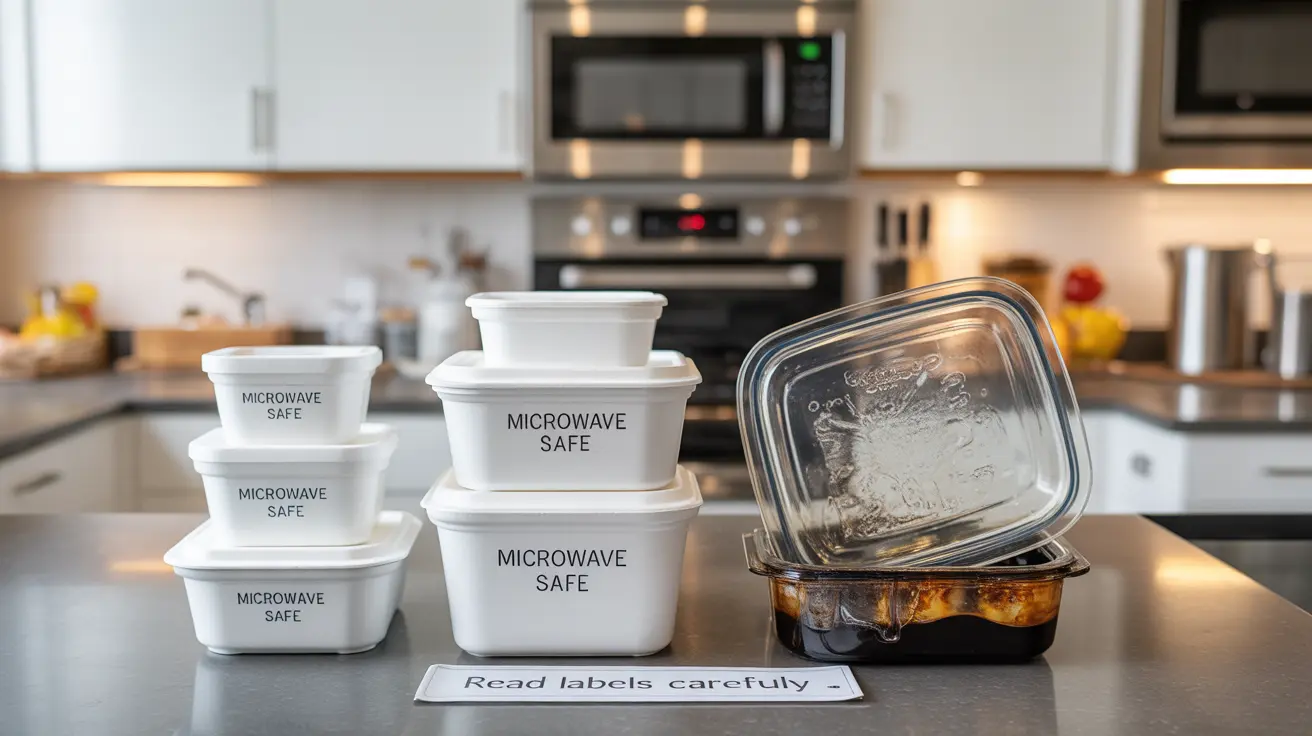
Use microwave-safe containers.
Avoid metal and thin plastic. Choose glass, ceramic, or labeled microwave-safe plastic. -
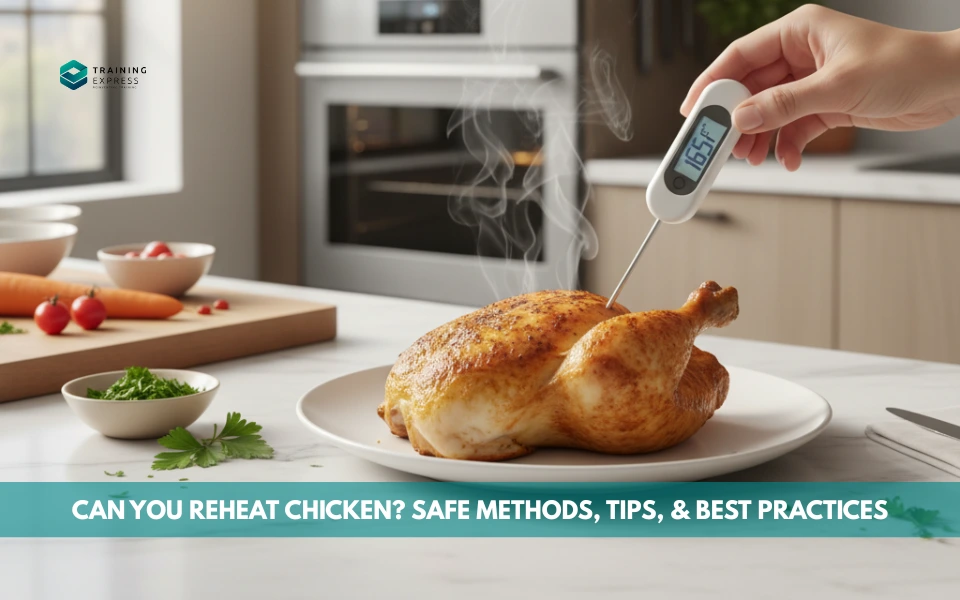
Measure temperature for safety.
Reheat leftovers to 165°F (74°C). This kills most harmful bacteria. A quick food thermometer helps. -
Reheat only once when possible.
Repeated cooling and reheating raises food-safety risk.
I learned these through daily cooking and a few burned edges. Using 50% power and a lid changed my leftovers for the better. These microwave reheating best practices keep both taste and safety in mind.
Best practices for specific foods
Different foods need special care. These tips help you get great results.
Pizza and baked goods
- Use medium power to avoid rubbery crust.
- Heat in short bursts of 20 to 30 seconds.
- Place a paper towel under pizza to absorb steam and keep crust crisp.
Rice and grains
- Add a teaspoon of water per cup to restore moisture.
- Cover and heat at medium power.
- Check temperature and stir mid-cycle. Cold rice can hide bacteria, so reheat to 165°F (74°C).
Meat and poultry
- Slice large pieces into smaller pieces for even heating.
- Use medium heat and cover.
- Let rest for at least 2 minutes before serving.
Soups, stews, and sauces
- Use a deep, microwave-safe bowl.
- Stir well every 30 to 45 seconds.
- Heat until steaming and measure at the center.
Eggs and egg dishes
- Reheat casseroles and frittatas at medium power.
- Cover and stir if possible.
- Avoid reheating whole boiled eggs in shell; they may explode.
Applying the right technique depends on the food. These microwave reheating best practices keep texture and flavor intact.

Safety and food health when reheating
Food safety is simple if you follow core rules.
- Reheat leftovers to 165°F (74°C).
- Cool cooked food quickly and refrigerate within two hours.
- Store leftovers in shallow containers to cool fast.
- Label and use leftovers within 3 to 4 days.
- When in doubt, toss food that smells off or looks strange.
I once kept a big pot of soup on the counter overnight. It smelled normal the next day but I threw it out. It is not worth the risk. These microwave reheating best practices help prevent foodborne illness.
Common mistakes and troubleshooting
Avoid these common errors I see often.
-
Mistake: Using full power for everything.
Fix: Reduce power to 50–70% for most reheating. -
Mistake: Not covering food.
Fix: Cover to keep moisture and heat even. -
Mistake: Not stirring or rotating.
Fix: Pause and stir halfway through heating. -
Mistake: Using unsafe containers.
Fix: Check for microwave-safe labels. Use glass or ceramic. -
Mistake: Assuming heat equals safety.
Fix: Use a thermometer for dense foods and large portions.
If your microwave heats unevenly, try a turntable plate or pause to rotate the dish. If steam builds up and splatters, lower the power and cover lightly. These small fixes align with microwave reheating best practices.
Frequently Asked Questions of microwave reheating best practices
How long should I reheat leftovers in the microwave?
Heat time varies by food and power level. Use medium power and heat in short bursts, stirring often until food is steaming hot.
Can I reheat food more than once?
It is best to reheat only once. Each cool-down and reheat cycle increases the risk of bacterial growth.
Are plastic containers safe for reheating?
Only use containers labeled microwave-safe. Thin or damaged plastic can melt or leach chemicals when heated.
How do I keep food from drying out?
Cover the food and add a little water if needed. Use lower power and shorter intervals to retain moisture.
Is it safe to reheat rice in the microwave?
Yes, if you store rice promptly and reheat to 165°F (74°C). Add moisture, cover, and stir for even heat.
Can I microwave large cuts of meat?
You can, but cut large pieces into smaller portions for even heating. Use medium power and check center temperature.
Why does my food sometimes explode in the microwave?
Steam builds inside sealed foods or shells. Pierce skins and use vented covers to let steam escape.
How do I avoid cold spots?
Stir, rotate, and use medium power. Let food rest after heating so heat evens out.
Is it okay to reheat baby food or formula?
Follow manufacturer guidance and use microwave-safe containers. Stir and test temperature before feeding to avoid hot spots.
Do I need a microwave-safe cover?
Yes. A cover keeps moisture in and reduces splatter, making heating more even and safer.
Conclusion
Microwave reheating best practices are easy to learn and save time. Use lower power, cover food, stir or rotate, and check temperatures to keep food tasty and safe. Trust simple routines and a quick thermometer to beat cold spots and prevent risks. Try these tips tonight and notice how your leftovers improve. Leave a comment with your best reheating trick or subscribe for more kitchen tips.