Microwave Door Switch: Symptoms, Fixes And When To Replace
A microwave door switch stops the oven when the door opens, protecting you from microwave exposure.
I’ve repaired dozens of home ovens and commercial units, so I know the microwave door switch inside and out. This guide explains what a microwave door switch does, how it fails, how to test and replace it safely, and tips to avoid common mistakes. Read on for clear steps, real-world lessons, and practical buying advice that will save time and keep your microwave safe.

What is a microwave door switch?
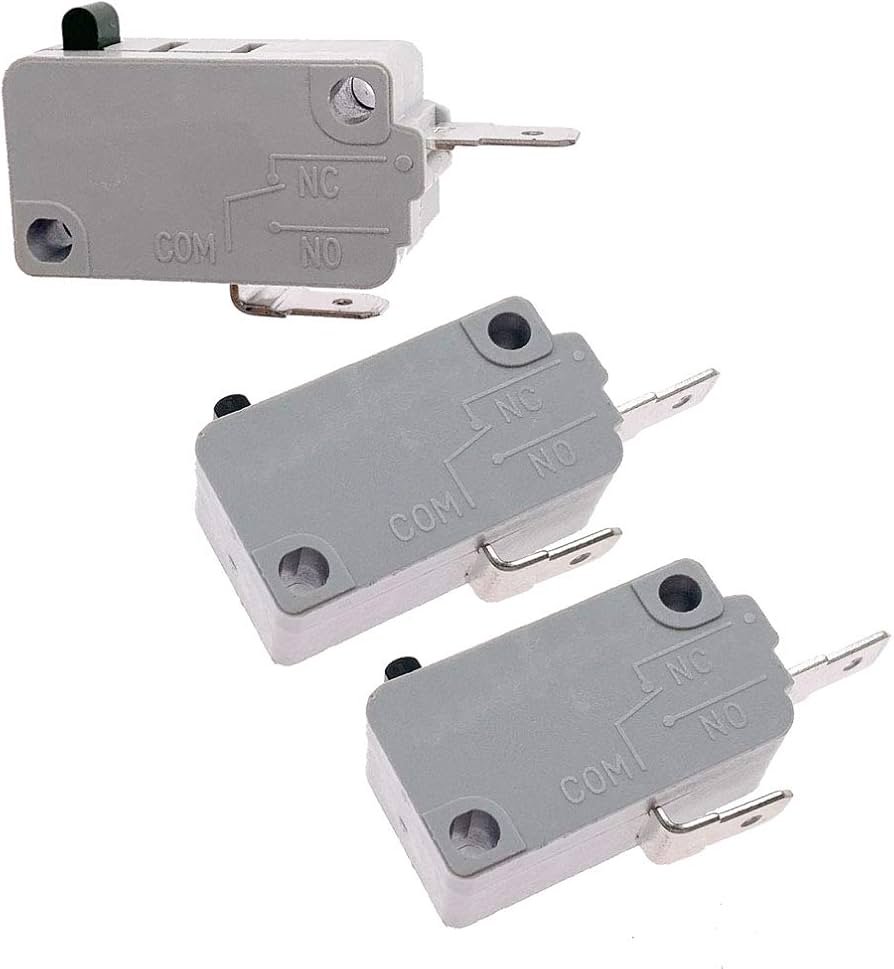
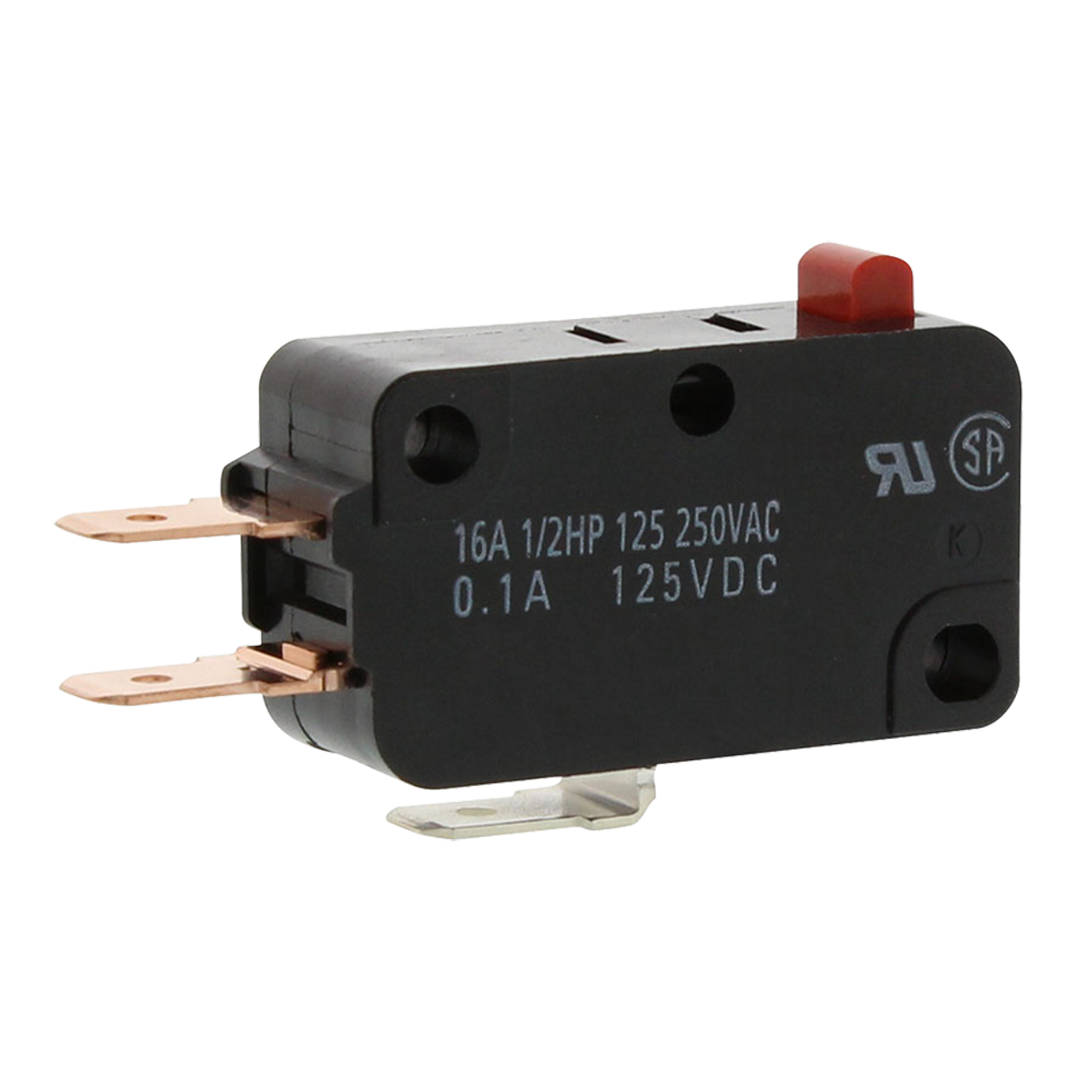
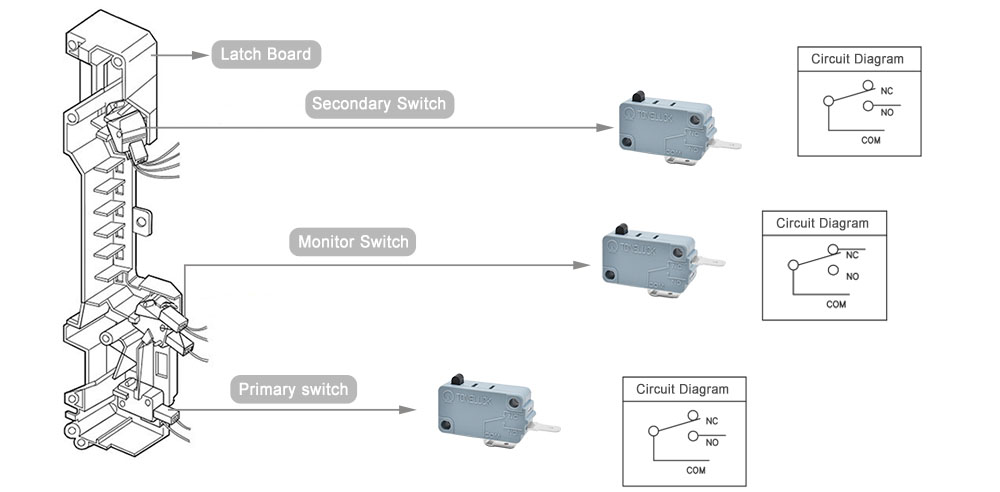
A microwave door switch is a safety interlock that cuts power when the door opens. It prevents the magnetron from running with an open door. Most microwaves use two or three interlock switches wired as safety redundancies. These switches are often small mechanical microswitches mounted around the door latch.
Why this matters
- Safety: prevents microwave leakage and injury.
- Function: enables oven controls to run only when door is closed.
- Redundancy: multiple switches reduce single-point failure risk.

How a microwave door switch works
A microwave door switch is triggered by the door latch or cam. When the door closes, the latch pushes the switch actuator. That changes the switch state and allows the oven’s control circuit to power the magnetron. Common switch types include:
- Mechanical microswitch: metal actuator and snap action.
- Interlock assembly: combined latch and switch housing.
- Normally closed and normally open contacts: used in series to provide safety.
Electrical behavior
- Series arrangement: multiple switches in series stop current flow if any fail open.
- Signal to control board: switches feed a low-voltage control circuit or a relay that energizes high-voltage components.

Can a microwave run with a bad door switch?
Yes, sometimes the microwave will not start, or it may start only intermittently if a switch is bad. However, a unit that runs with a bypassed or faulty switch is unsafe and should not be used.
How long does a door switch last?
A typical microwave door switch lasts many years under normal use, often as long as the oven. Heavy use, slamming the door, or corrosion shortens life.

Common symptoms of a faulty microwave door switch
Look for these signs when diagnosing a problem:
- Microwave won’t start when door is closed.
- Intermittent operation that changes with door position.
- Display functions but no cooking or no magnetron power.
- Clicking sounds at the door area or from the control board.
- Door feels loose or latch does not engage smoothly.
Diagnosing clues
- If display lights up but no heating occurs, the door switch is a top suspect.
- If the microwave starts only when you press the door or hold it slightly differently, a misaligned switch or worn actuator is likely.

How to test a microwave door switch safely
Safety first: unplug the microwave before any testing. Capacitors can hold dangerous charge—if you are not comfortable, hire a pro.
Tools you need
- Multimeter with continuity setting
- Screwdriver set
- Flashlight
Step-by-step test
- Unplug the microwave and wait several minutes.
- Remove the outer cover to access the door switches. Keep screws organized.
- Visually inspect switches, wiring, and actuators for burns or breaks.
- Set your multimeter to continuity or ohms. Test each switch by actuating the lever. You should see a change in continuity when the actuator moves.
- Compare readings to expected behavior: normally closed switches will break continuity when pressed; normally open switches will close when pressed.
- If a switch shows no change or inconsistent readings, it needs replacement.
- Do not probe high-voltage components.
- If you need to discharge the capacitor, follow manufacturer or professional procedures.
Replacing a microwave door switch: parts and steps
When to replace
- Burn marks, cracked housing, or failed continuity test.
- Replacements are inexpensive and restore safety.
Parts and cost
- Typical switch cost: inexpensive (often under $20 each).
- Buy exact model or OEM-equivalent using the microwave model number.
Replacement steps
- Unplug and remove the microwave cover.
- Note wiring positions; take a photo or label wires.
- Remove mounting screws and disconnect wires from the faulty switch.
- Install the new switch, reconnect wires, and secure screws.
- Test switches with a multimeter before reassembling.
- Reassemble and run a short test with a cup of water to confirm heating.
Tips
- Use manufacturer part numbers when possible.
- Replace all door interlock switches if one fails in older units to maintain reliability.
- Avoid forcing plastic parts, which can break and misalign the latch.

Safety and legal considerations
Microwave door switches are core safety devices. A faulty or bypassed switch can cause harmful microwave leakage. Key considerations:
- Regulatory standards require safety interlocks for microwave ovens.
- Tampering with switches can void warranty and may be illegal if resale involves safety risk.
- Always follow safety guidance. If in doubt, consult a certified appliance repair technician.
Limitations of DIY
- High-voltage capacitors pose electrocution risk.
- Improper reassembly can misalign the door and compromise safety seals.
- Professional repair is recommended for complex or unclear failures.

Maintenance tips to prolong switch life
Simple care extends life and reduces failures:
- Close doors gently to avoid shock on the latch and switch.
- Clean the latch and surrounding area to remove grease and crumbs.
- Inspect switches annually for corrosion or wear.
- Replace worn latch parts, not just switches; misalignment causes premature wear.
- Keep the microwave on stable surfaces to prevent frequent slamming from movement.
Buying guide: parts, brands, and what to check
When shopping for a replacement microwave door switch:
- Match model and part number from your microwave’s label.
- Check actuator type and terminal layout to ensure fit.
- Choose OEM parts when possible for best compatibility.
- Read reviews for long-term reliability and look for return policies.
- Consider a kit that includes all interlock switches for older appliances.
What to avoid
- Generic switches with different mounting or short wire leads.
- Rewiring or jury-rigging contacts to bypass interlocks.
Troubleshooting case studies and personal experience
Real case 1: Intermittent start
- Symptom: Microwave sometimes began only after pressing the door hard.
- Diagnosis: Worn actuator on the middle interlock switch.
- Fix: Replaced the switch and adjusted the latch alignment. Problem solved.
Real case 2: Smoke and burn marks
- Symptom: Burning smell near door hinge.
- Diagnosis: One switch had heat damage from arcing.
- Fix: Replaced all door switches and inspected wiring for damage.
Lessons learned
- Always check alignment after replacement.
- Replace all switches in older units to prevent repeat visits.
- Photograph wiring before disconnecting; it saves time and prevents mistakes.
Frequently Asked Questions of microwave door switch
What does a microwave door switch do?
A microwave door switch prevents the magnetron from operating with the door open. It provides a safety cut-off and lets the control board know the door is securely closed.
How do I know if a door switch is bad?
Common signs include the microwave not starting, intermittent operation, or a unit that starts only when the door is held in a certain position. A multimeter continuity test will confirm failure.
Can I replace a microwave door switch myself?
Yes, if you have basic tools and follow safety steps. Unplug the microwave, label wires, and replace with a matching part. If unsure, hire a professional.
Is it safe to use a microwave with a broken door switch?
No. A broken or bypassed door switch can cause dangerous microwave leakage or unexpected operation. Stop using it and repair before use.
How much does replacing a door switch cost?
Parts are usually inexpensive, often under $20 per switch. Labor can add cost if you hire a technician, and prices vary by region and service.
Conclusion
A working microwave door switch keeps you safe and your oven running properly. You now know what the switch does, how to test it, when to replace it, and how to avoid common mistakes. Take small steps: inspect the latch, test with a multimeter, and replace worn parts promptly. If you’re unsure or encounter high-voltage components, call a certified technician. Try the troubleshooting steps above, and leave a comment or subscribe for more simple, safe appliance repair tips.