When To Replace Microwave Oven: Signs & Best Timing
Replace a microwave when it shows safety issues, fails to heat evenly, or repair costs exceed replacement.
I have helped households and tested kitchen gear for years, so I know exactly when to replace microwave oven units. This guide covers the signs, safety risks, simple tests, cost math, and real-world tips to help you decide. Read on to learn clear, practical steps so you can choose the right time to replace microwave oven without guesswork.
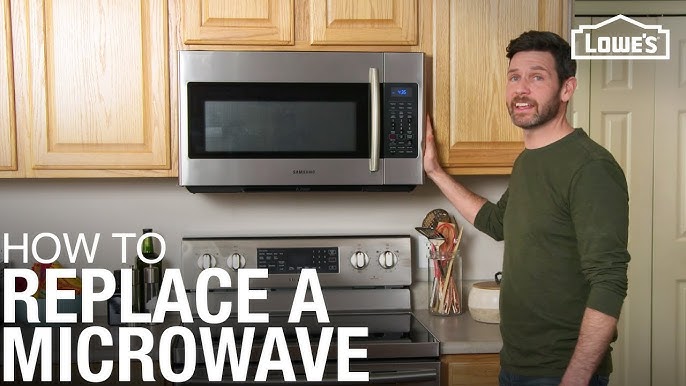
How long do microwaves typically last?
Most microwaves run well for about 7 to 10 years, though some last longer with care. Age matters when you wonder when to replace microwave oven because older units lose safety features and efficiency. If your microwave is over 10 years old, plan for replacement even if it still works. Older models may also use more electricity and lack modern safety locks, which factors into the decision of when to replace microwave oven.

Common signs it’s time to replace microwave oven
Look for clear warning signs. These signs show the unit is failing or unsafe.
- Sparks or visible arcing inside the cavity. Stop using it immediately and consider replacement.
- Persistent burning smells during normal use. Smell indicates failing insulation or wiring.
- Door latch or seal damage that prevents a tight close. This raises real safety concerns.
- Inconsistent or very slow heating. Food left cold or hot spots suggest magnetron failure.
- Loud, unusual noises like grinding or high-pitched whining. These often mean mechanical failure.
- Frequent trips to a repair shop or repeated fixes within a short span. Repeated repairs hint at broader failure and help decide when to replace microwave oven.

Safety risks and when repair isn’t enough
Safety is the main reason to replace a microwave. A broken door, sparks, or smell can cause fire or radiation leaks. If a technician says the magnetron or high-voltage parts are bad, replacement is usually safer and cheaper. When to replace microwave oven often comes down to safety: choose replacement immediately for any sign of electrical arcing, smoke, or damaged door seals.

Repair vs. replace: a practical cost guide
Use simple math to decide if repair makes sense. Follow these rules I use in real cases.
- If repair cost is more than half the price of a new microwave, replace it.
- If the appliance is older than 7 to 10 years, favor replacement even for modest repairs.
- If you face multiple different repairs in two years, buy new for long-term reliability.
In my experience, a single cheap fix like a fuse or door switch can be worth it. Major parts like magnetrons are costly and often mean replace. Keep receipts and compare local repair quotes against new unit prices before deciding when to replace microwave oven.

How to test your microwave before deciding
Do simple checks at home to gather facts before acting.
- Visual check: Look for cracked door, bent frame, or burned spots. Any damage may mean replace.
- Heat test: Heat a cup of water for one minute and see if it boils. If not, heating is weak.
- Smell test: Run it empty for 30 seconds and sniff for burning or chemical odors. Stop if you smell smoke.
- Plate test: Slide the turntable and watch for wobble or grinding. If the motor is noisy it may fail soon.
I once tested a unit that barely warmed water and found a failing transformer. The repair quote was high, so we replaced it. These simple tests help you decide when to replace microwave oven without wasting money on unnecessary fixes.
Energy use, features, and when to replace microwave oven for upgrades
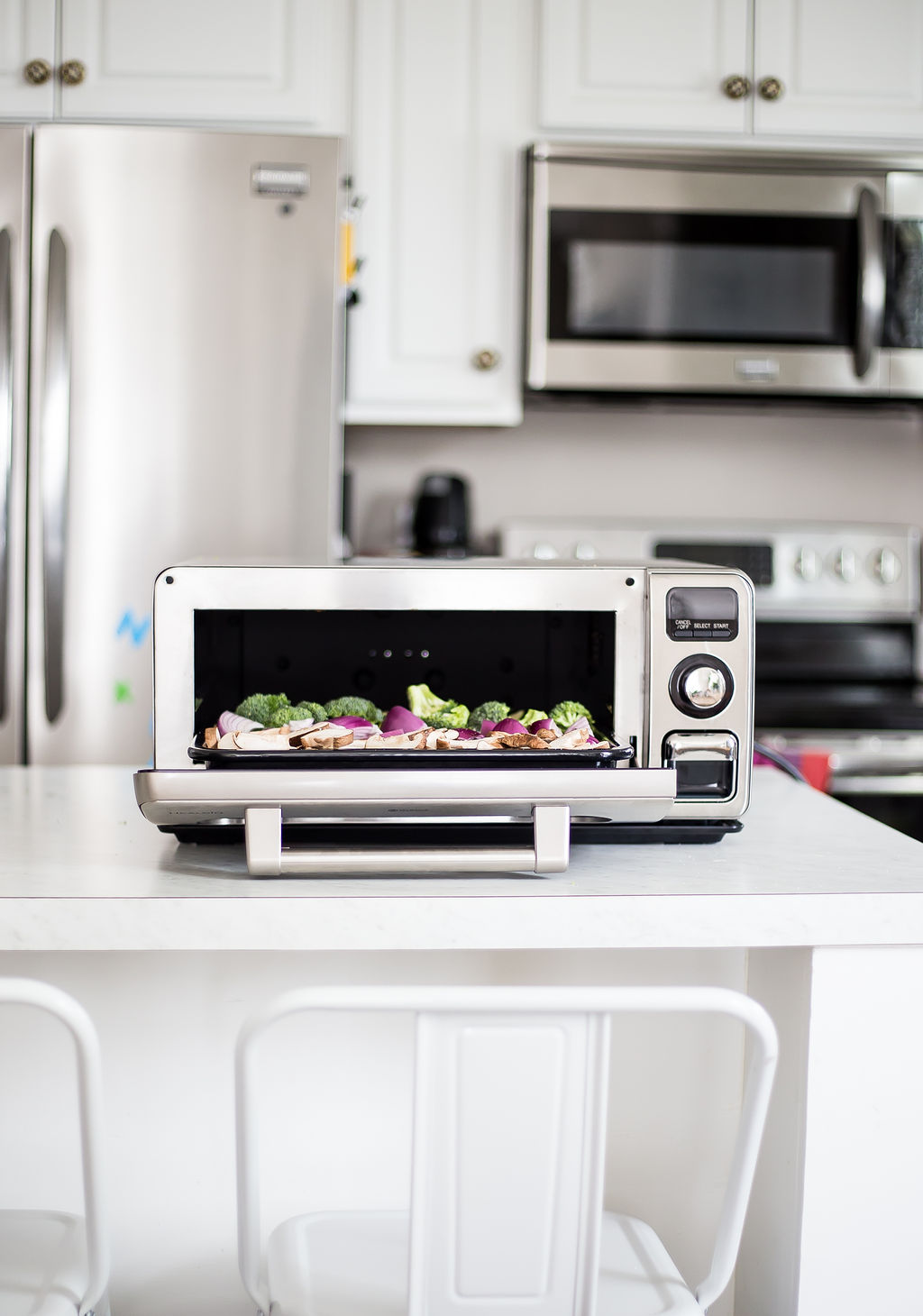
Sometimes you replace for better performance, not just failure. New microwaves use less energy and have improved safety. Consider replacement when:
- You want better energy efficiency and lower bills.
- You need features like inverter heating, sensor cook, or smart controls.
- Your current microwave is too small or too large for your cooking needs.
Upgrading can be smart if your current unit lacks essential features or uses too much power. Think about lifespan, warranty, and energy savings when you plan when to replace microwave oven.
How to choose a replacement and get the best value
Buying right helps you avoid early replacement. Use this checklist from my appliance-shopping experience.
- Size and capacity: Match the cavity size to your usual dishes.
- Power rating: Pick 900–1200 watts for balanced speed and control.
- Features: Look for turntable on/off, sensor cooking, child lock, and inverter technology.
- Energy efficiency: Newer models often save electricity.
- Warranty: Choose at least a one-year warranty and consider extended coverage if you cook daily.
I advise testing demo models when possible. A store demo lets you feel controls and hear noise levels. These steps make the next decision about when to replace microwave oven smarter and more cost-effective.

Disposal, recycling, and safety when replacing your microwave oven
Dispose of old microwaves responsibly. Many parts are recyclable and hazardous components need careful handling.
- Check local recycling centers for appliance pickup or drop-off.
- Remove personal items and clean the unit before drop-off.
- If donating, ensure it is safe and in good working order.
- For curbside pickup, follow local municipal rules to avoid fines.
I once arranged pickup through a local electronics recycler and saved the hassle. Proper disposal helps the environment and reduces landfill waste when you replace microwave oven.

Frequently Asked Questions of when to replace microwave oven
How long should a microwave last before replacement?
Most microwaves last 7 to 10 years with normal use. Replace sooner if you see safety issues, poor heating, or repeated breakdowns.
Can I keep using a microwave that smells like burning?
No. A burning smell often signals electrical failure or damaged wiring. Stop use and inspect or replace the unit right away.
Is it cheaper to repair or replace a microwave?
If repair costs exceed half the price of a new unit, replacement is usually cheaper. Also replace if the microwave is older than about 7 to 10 years.
Are microwave repairs safe to do at home?
Simple tasks like cleaning or replacing a turntable are safe. High-voltage parts are dangerous; leave those repairs to professionals.
What are the key safety signs that mean immediate replacement?
Sparks, smoke, melted plastic, or a broken door latch require immediate replacement. These signs pose fire and safety risks.
Conclusion
Deciding when to replace microwave oven comes down to safety, cost, and performance. Watch for sparks, odors, weak heating, and high repair bills, and favor replacement for units older than about 7 to 10 years. Use the tests and rules here to make a clear choice and avoid wasted money or risk. Take action today: inspect your microwave, run the simple checks, and plan a replacement if you see danger signs or repeated failures. Share your experience or ask questions below to get tailored advice.