Microwave Venting Options: Best Guide For Kitchens
Most microwave venting options are ducted exhaust, ductless recirculating, and convertible systems.
I’ve designed and installed kitchen vents for years, and I’ll walk you through microwave venting options with clear, practical advice. You’ll learn types, pros and cons, code and installation tips, costs, and maintenance. This guide blends hands-on experience and industry know-how so you can choose the best microwave venting options for your kitchen.

Types of microwave venting options
There are a few common microwave venting options. Each fits different kitchens and budgets. Below are main types and a short view of what they do.
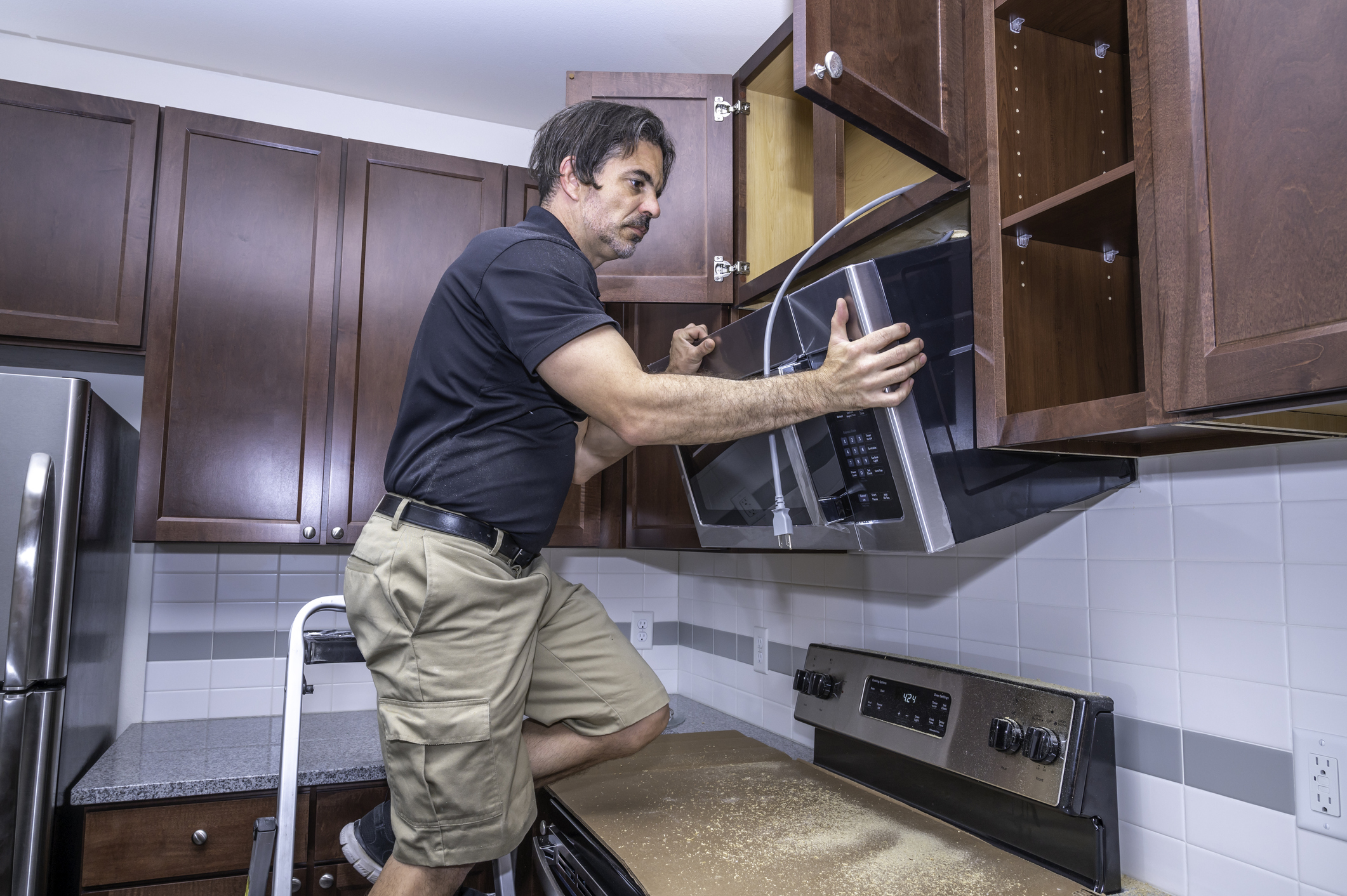
- Over-the-range ducted units. These vent air outdoors through ductwork and remove smoke and moisture effectively. Ducted units are best for heavy cooking and strong odor control.
- Over-the-range ductless (recirculating) units. These pull air through charcoal and grease filters and return cleaned air to the kitchen. They are easier to install but less effective at removing moisture.
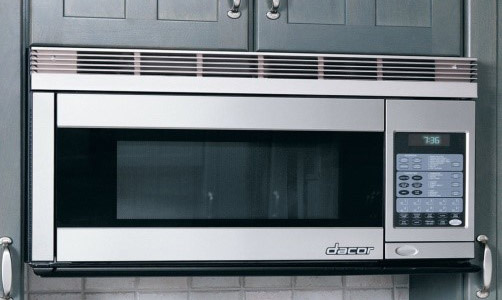
- Built-in microwave with exterior venting. These are built into a cabinet and connect to external ductwork. They offer a clean look and good performance if ducting is possible.
- Microwave hood inserts. These fit a custom cabinet or hood and use either ducted or recirculating vent paths. They are flexible for remodels.
- Downdraft or island recirculating combinations. Less common, these systems work in special layouts where overhead venting is limited.
microwave venting options matter for odor control, moisture management, and fire safety. Choose based on cooking style, layout, and local code.
Ducted vs ductless: pros and cons
Understanding ducted and ductless options helps you decide. I’ll keep it simple and practical.
- Ducted venting. Pros: Better removal of steam and grease, quieter at source, healthier air. Cons: Needs ductwork, higher install cost, may require wall or roof penetration.
- Ductless recirculating. Pros: Lower installation cost, simple retrofit, no exterior wall needed. Cons: Less effective at humidity removal, filters need regular replacement, odors may linger.
- Convertible models. Pros: Offer flexibility to install either way. Cons: They perform best when ducted; recirculating mode is a compromise.
From my experience, homeowners who cook often benefit from ducted microwave venting options. For renters or apartments, ductless often wins for ease.

How to choose the right microwave venting options
Pick a vent based on layout, use, and budget. Ask clear, simple questions to guide choice.
- How often you cook. Frequent cooks should favor ducted models for better air quality. Occasional cooks can save with recirculating units.
- Cabinet and wall layout. Check if a straight or short duct run to the exterior is possible. Long or circuitous ducts reduce performance.
- Local code and building rules. Some areas require exterior venting for over-the-range installations. Confirm before buying.
- Noise and blower power. Look at CFM ratings and sones. Higher CFM clears air fast but can be noisy if sones are high.
- Filters and maintenance. Grease filters are common; charcoal filters are needed for recirculating models. Factor filter costs into long-term planning.
When I remodeled my kitchen, I measured duct path length and chose a 300 CFM ducted microwave venting option. It reduced smell and steam in one week.

Installation considerations and cost ranges
Installation affects performance and total cost. Read this checklist before committing.
- Duct path. Short, straight runs with smooth metal ducting work best. Avoid plastic or flexible duct when possible.
- Duct size. Most microwaves need 3.25 inch to 6 inch ducts; match the manufacturer guide. Undersized duct reduces airflow and raises noise.
- Penetrations and flashing. Roof or wall penetrations require proper flashing to avoid leaks. Hire a pro for exterior work if unsure.
- Electrical. Microwaves require a dedicated 120V circuit in many codes. Plan outlets before install.
- Labor and parts cost. Expect a simple recirculating install to be the cheapest. Ducted installs with new ductwork and roof/wall work can cost several hundred to over a thousand dollars.
Typical cost ranges seen on projects:
- Recirculating install: low cost for retrofit, often minimal labor.
- Ducted install with short run: moderate cost for labor and duct.
- Ducted with long run or roof work: higher cost due to materials and labor.
I once underestimated roof flashing costs and had to budget an extra day of labor. Plan for contingencies.
Maintenance and common issues
Good maintenance extends life and keeps vents working well. These are common tasks and fixes.
- Clean grease filters every 1–3 months depending on use. Clogged filters reduce airflow and raise fire risk.
- Replace charcoal filters for ductless units every 6–12 months or as directed. Saturated filters stop removing odors.
- Inspect ductwork yearly for leaks or blockages. Birds or nests can block exterior vents.
- Listen for unusual noise. Rattles or grinding can mean a loose fan blade or worn motor.
- Resolve steam buildup. If windows fog or cabinets swell, your vent may not be venting externally or is undersized.
From my field work, a simple seasonal filter check cut down on service calls for clogged fans.

Codes, safety, and energy efficiency
Follow codes and best practices for safe, efficient venting. Small choices matter for safety and bills.
- Local building codes. Many codes require exterior venting for over-the-range appliances in new construction. Always check permits and rules.
- Fire safety. Grease buildup is a fire risk. Use proper metal ducts and keep filters clean.
- Energy use. Fans draw power; choose efficient motors and run them only as needed. Higher CFM clears air fast and reduces run time.
- Vent termination. Use a backdraft damper and a proper exterior hood. That keeps pests out and avoids energy loss.
I recommend documenting installations and keeping receipts and manuals. They help with future service, resale, and code checks.
Personal experience and practical tips
Here are lessons from real installs. Simple choices make big differences.
- Measure twice. I once ordered a microwave that didn’t fit the cabinet depth. Measure clearances and duct offsets first.
- Prioritize straight duct runs. Bends reduce CFM and trap grease. I always prefer one long straight run when possible.
- Choose washable metal grease filters when possible. They cut long-term costs and work better than cheap nets.
- Invest in a slightly higher CFM if you cook a lot. It clears air fast and lowers odor complaints from family.
- Label switches and document the vent type. Future owners or service techs thank you.
These practical tips reflect hands-on work and user feedback. They help make your microwave venting options last longer and work better.
Frequently Asked Questions of microwave venting options
What are the main microwave venting options?
The main options are ducted exhaust, ductless recirculating, and convertible models. Each has trade-offs in performance, cost, and installation complexity.
Can I switch a ductless microwave to ducted later?
Yes, many models are convertible and can be changed if you add ductwork. Check the model specs and plan for new duct runs and wall or roof penetrations.
How often should filters be replaced or cleaned?
Clean grease filters every 1–3 months and replace charcoal filters every 6–12 months depending on use. Regular checks keep airflow strong and odors low.
Is exterior venting required by code?
Requirements vary by location and building type; some codes require exterior venting for new installs. Always confirm local building rules before installing.
What CFM is needed for an over-the-range microwave?
Most microwaves range from 200 to 400 CFM; choose higher for heavy cooking. Short duct runs allow lower CFM to work well, while long runs may need higher CFM.
Will a ductless unit remove moisture effectively?
Ductless units reduce grease and some odors but are less effective at removing moisture. For kitchens with heavy steaming, ducted venting is better.
Conclusion
Microwave venting options shape your kitchen’s air quality, comfort, and safety. Evaluate layout, cooking habits, and local rules to pick the best option. If you cook often, lean toward ducted systems; if you need a quick retrofit, choose recirculating models and plan for filter upkeep. Take action now: measure your space, check local code, and choose a model that fits your needs and budget. Share your questions or experiences below or subscribe for more practical kitchen upgrade guides.