Food Processor Blades: Types, Uses, Care, Safety, and How to Choose the Right One
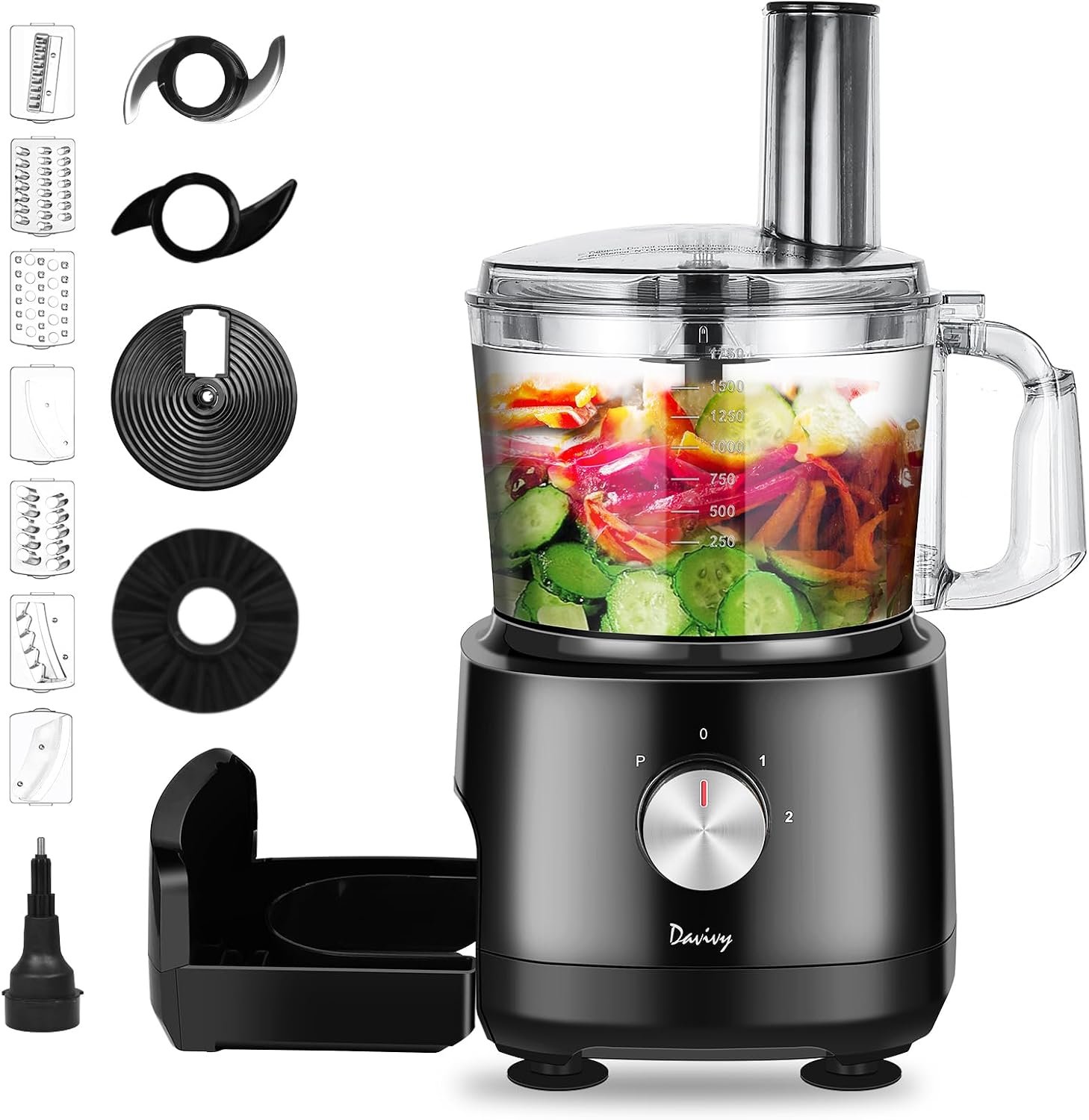
Food Processor Blades are the working parts that turn a food processor into a useful kitchen tool. A single machine may come with an S-shaped blade, dough blade, slicing disc, shredding disc, or other attachments. Each one changes how the machine treats food.
In a busy U.S. kitchen, the right blade can save time on tasks such as chopping onions, grating cheese, making hummus, mixing dough, or slicing vegetables. The key is not to use every blade for every job. Matching the blade to the food gives you better results and puts less stress on the machine.
One lesson I would give any food processor owner is simple: learn the basic blades before buying extra ones. Most daily jobs can be handled by a small set of well-chosen attachments. Knowing what each blade does also helps prevent poor texture, uneven cuts, and avoidable damage.

What Are Food Processor Blades?
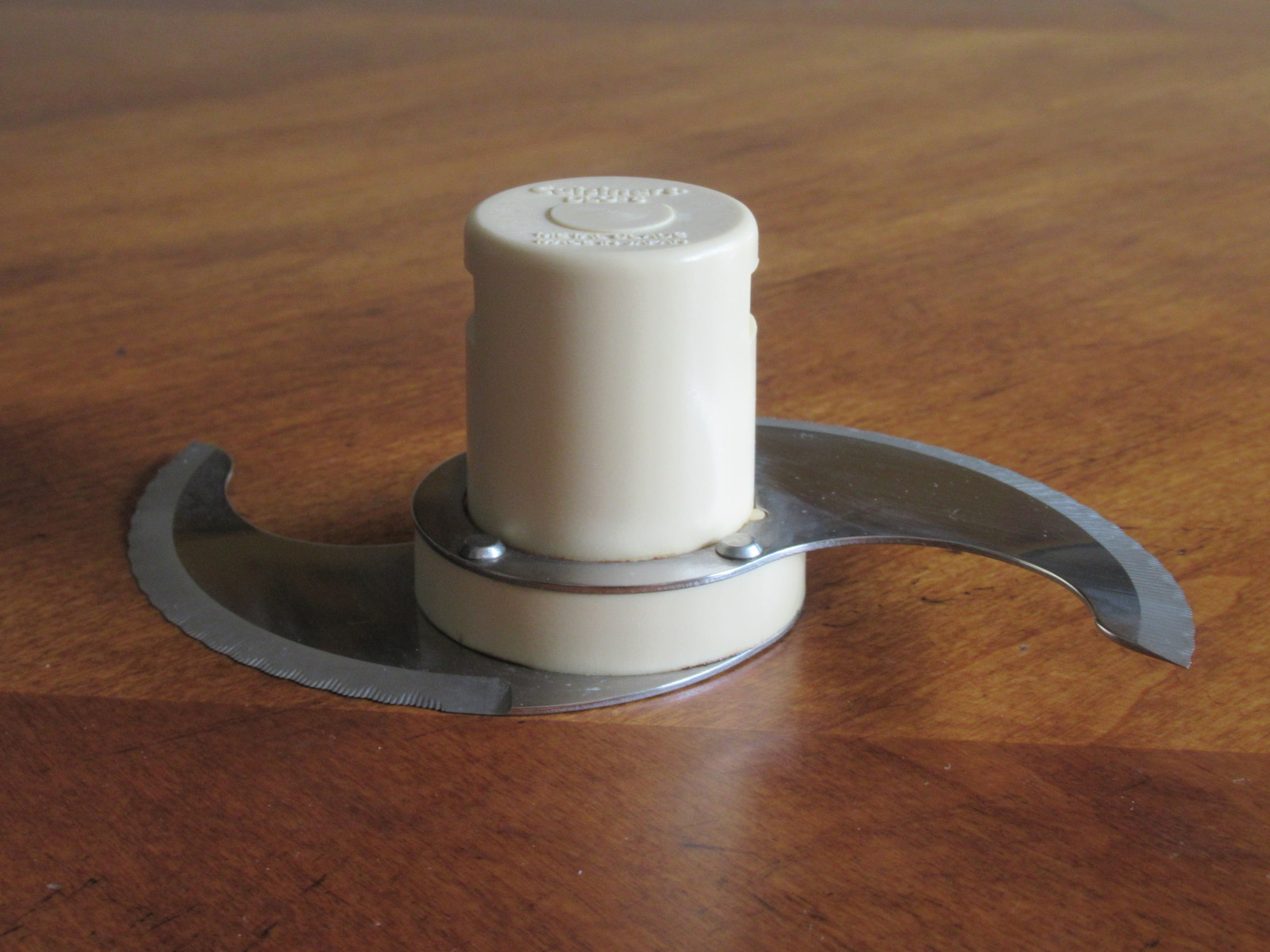
Food Processor Blades are sharp or shaped attachments that move inside the bowl to prepare food. Some have cutting edges, while others use a disc with holes or slots. Their design controls the way food is cut, mixed, shredded, or worked.
The main blade usually sits on a central shaft. When the motor turns the shaft, the blade spins at high speed. Some attachments stay near the bottom of the bowl, while slicing and shredding discs sit higher and work with a feed tube.
Blade design matters because food has different textures. A soft avocado needs a different approach from a hard carrot or a block of cheese. Using the correct attachment helps produce a more even result.

- ✦ Cutting edge
A sharp edge cuts food as the blade spins. It is common on chopping and multipurpose blades.
- ✦ Blade shape
Curved, straight, serrated, and angled edges can change how food moves and gets cut.
- ✦ Disc design
Slicing and shredding discs use slots or holes to create thin slices or grated pieces.
- ✦ Material
Many food processor blades use stainless steel because it is strong, durable, and suited to kitchen use.
Common Types of Food Processor Blades
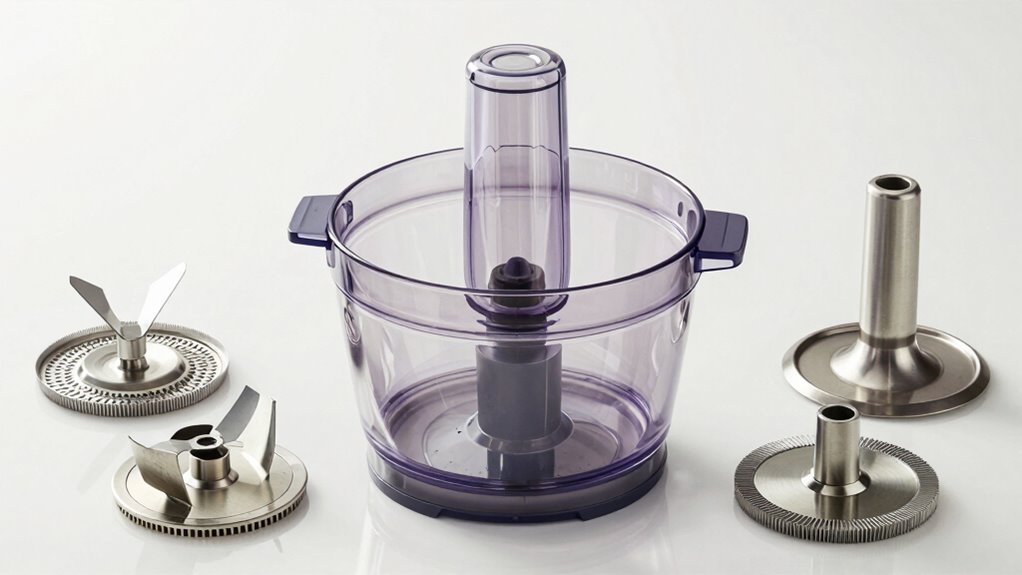
There is no single blade that does every food preparation task perfectly. Most food processors use a few common blade types. The exact attachments vary by brand and model, so always check the manual before using an accessory.
The names can also vary between brands. One company may call a part a multipurpose blade, while another may call it an S blade. The shape and job matter more than the name.
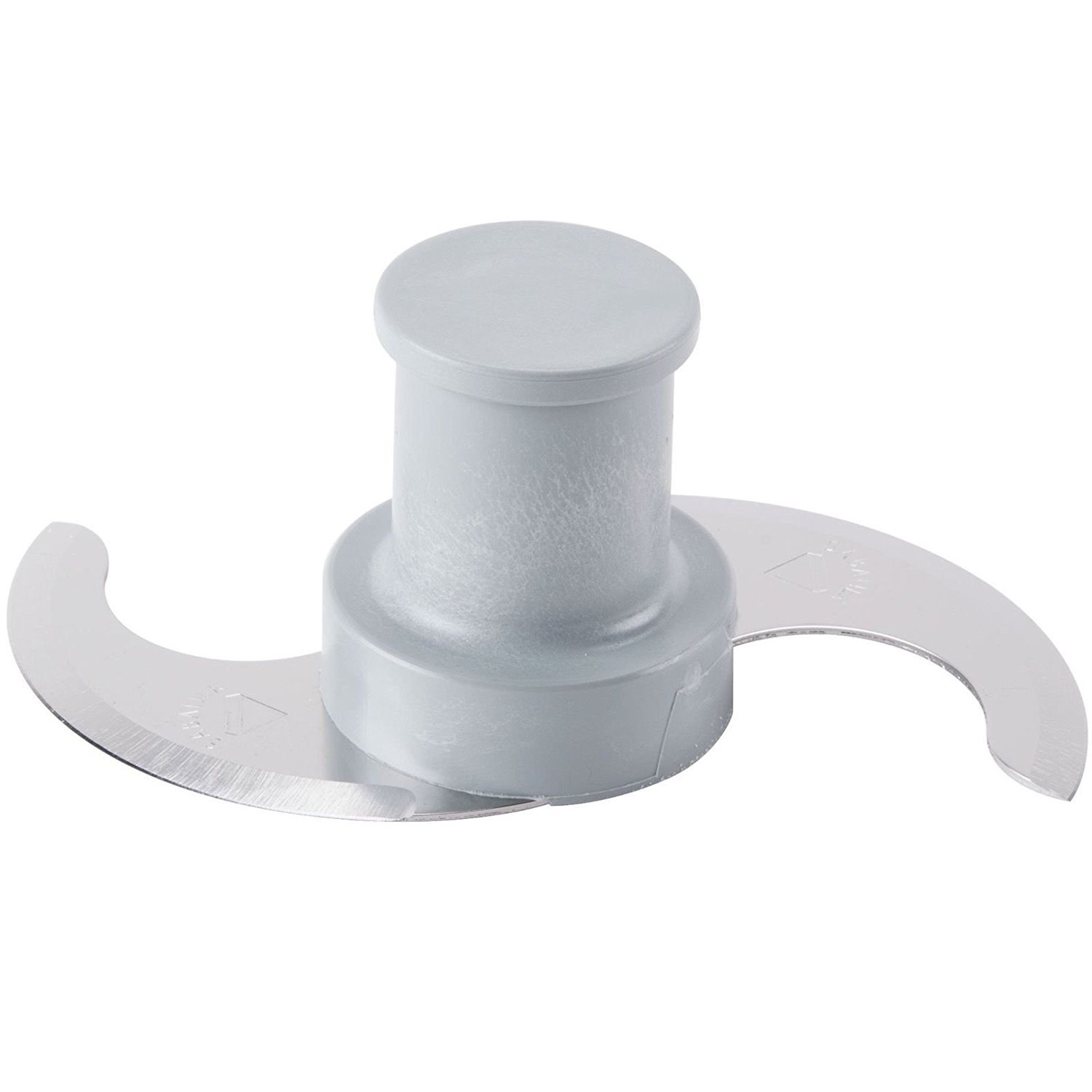
- ✦ S-shaped multipurpose blade
This is the main blade on many food processors. It works well for chopping, mincing, pureeing, mixing, and making dips or sauces.
- ✦ Dough blade
A dough blade is designed for mixing and kneading dough. It often has a different shape from the standard cutting blade.
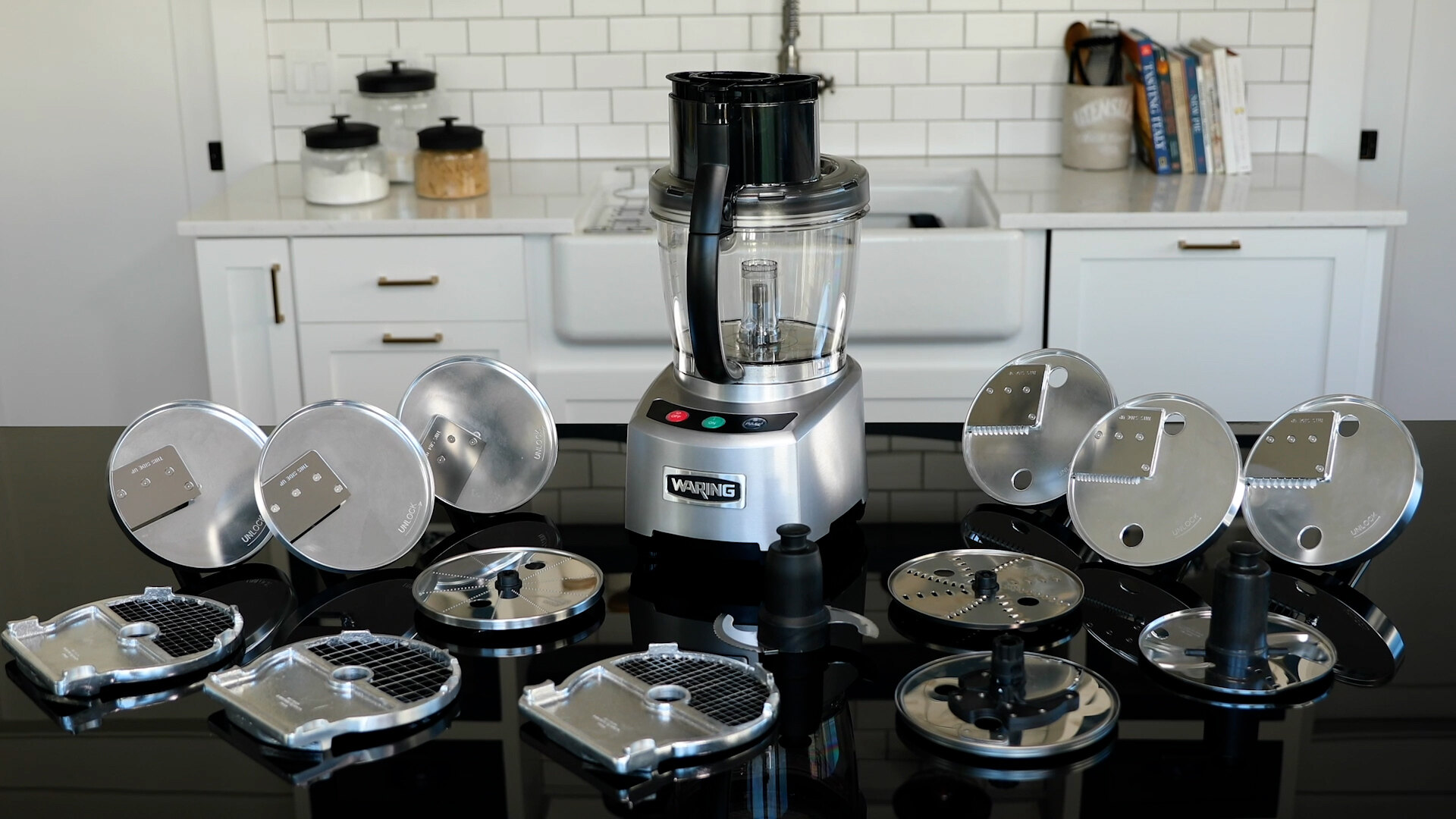
- ✦ Slicing disc
A slicing disc cuts vegetables, fruit, cheese, and other foods into slices. The thickness depends on the disc design or adjustment system.
- ✦ Shredding disc
A shredding disc turns foods such as carrots, cabbage, potatoes, and cheese into strips or shreds.
- ✦ Julienne disc
Some food processors offer a julienne attachment. It cuts foods into thin matchstick-like pieces.
- ✦ Emulsifying or whisking attachment
Some models include an attachment for jobs such as whipping or blending liquids. It is not found on every food processor.
S Blade
The S blade is the main workhorse in many food processors. Its curved shape helps food move around the bowl while the cutting edges break it into smaller pieces. It can handle tasks such as chopped vegetables, salsa, pesto, hummus, nut butter, and purees.
For a coarse chop, use short pulses and check the bowl often. For a smooth puree, longer processing may work better. Adding too much food at once can lead to uneven results.
- ✦ Best for
Chopping, mincing, pureeing, mixing, making dips, sauces, and some nut-based foods.
- ✦ Use pulses for control
Short pulses help prevent soft foods from turning into a paste when you only want a rough chop.
Slicing and Shredding Discs
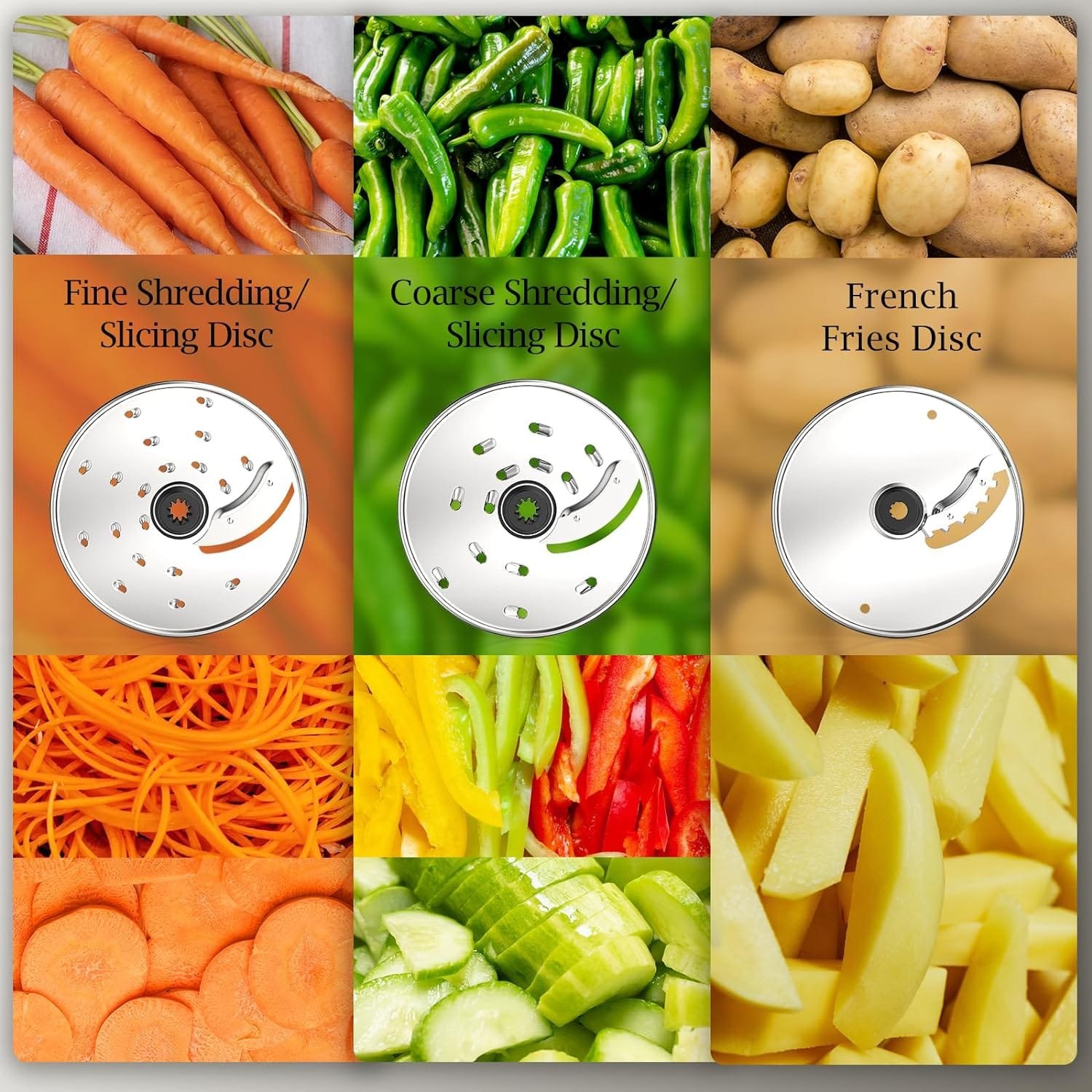
Slicing and shredding discs work in a different way from the S blade. Instead of chopping food around the bowl, they process food as it passes through the feed tube. This makes them useful when you want pieces with a more consistent size.
A slicing disc is useful for potatoes, cucumbers, carrots, apples, and similar foods. A shredding disc works well for cheese, carrots, cabbage, and potatoes. Keep fingers away from the feed opening and use the food pusher supplied with the machine.
- ✦ Slicing
Use a slicing disc when you want flat pieces rather than chopped pieces.
- ✦ Shredding
Use a shredding disc for long, grated pieces such as shredded cheese or carrots.
What Can Food Processor Blades Do?
Food Processor Blades can handle many kitchen tasks, but the attachment makes a big difference. The S blade is often the first choice for chopping and pureeing. Discs are better when you need slices or shreds with a more uniform shape.
The texture you want should guide your choice. If you want chunky salsa, pulse the S blade. If you want thin cucumber slices, use a slicing disc. If you want grated cheese for tacos or pasta, use a shredding disc.
A food processor is also useful for batch cooking. It can prepare vegetables, sauces, dips, crumbs, and other ingredients much faster than hand work for many recipes.
- ✦ Chopping
Chop onions, peppers, herbs, vegetables, and other ingredients with the multipurpose blade.
- ✦ Pureeing
Blend cooked vegetables, beans, fruit, and other soft foods into a smooth mixture.
- ✦ Grinding
Some models can process nuts, seeds, crumbs, and similar foods when the manufacturer allows it.
- ✦ Slicing
Use a slicing disc for fast, even slices of suitable vegetables, fruit, and other foods.
- ✦ Shredding
Use a shredding disc to prepare cheese and vegetables for salads, slaws, toppings, and cooked dishes.
- ✦ Mixing dough
Use a dough blade or the attachment recommended by the manufacturer for bread and other doughs.
How to Choose the Right Food Processor Blade
Choosing Food Processor Blades starts with the job you need to do. Think about the final texture first. Then choose the attachment that is made for that result.
You should also check compatibility. Food processor parts are often model-specific, and a blade that looks similar may not lock into your machine. Check the model number, bowl size, attachment system, and manufacturer instructions before buying a replacement.
For most home cooks, a strong multipurpose blade plus a slicing and shredding disc covers many daily tasks. Extra attachments make sense when you use a specific technique often.
- ✦ Match the food
Choose a blade based on whether you are working with soft, firm, fibrous, sticky, or dense food.
- ✦ Match the texture
Decide whether you want a rough chop, fine chop, puree, slice, shred, or dough.
- ✦ Check compatibility
Confirm the exact food processor model before buying a replacement blade or accessory.
- ✦ Consider frequency
Buy extra attachments when they solve a task you perform often, not simply because they are available.
Blade Choice by Kitchen Task
A simple task-to-blade guide can make food preparation much easier. Start with the multipurpose blade for most chopping and pureeing jobs. Move to discs when you need slices or shreds.
For dough, follow the instructions for your exact machine. Some processors allow dough work with the main blade, while others provide a dedicated dough blade.
- ✦ Salsa
Use the S blade and short pulses for a chunky texture.
- ✦ Hummus
Use the S blade for a smooth, creamy result.
- ✦ Shredded cheese
Use a shredding disc when your model supports the cheese you are processing.
- ✦ Cucumber slices
Use a slicing disc and select the thickness that suits your recipe.
- ✦ Bread dough
Use the manufacturer’s recommended dough attachment and follow its capacity limits.
How to Use Food Processor Blades Safely
Food Processor Blades are very sharp, even when they do not look dangerous. Treat every blade and disc as a cutting tool. Never test sharpness with your fingers.
Always turn the machine off and unplug it before removing a blade. Let the motor stop fully before opening the bowl. When removing a blade, hold it by the plastic center or another safe gripping area rather than touching the cutting edge.
Use the feed pusher for slicing and shredding attachments. Never push food down the feed tube with your hand. Keep children away from loose blades and store them where they cannot be reached easily.
- ✦ Unplug before handling
Disconnect power before removing, changing, or cleaning a blade.
- ✦ Use the food pusher
Keep hands away from the feed tube when using slicing or shredding discs.
- ✦ Hold the center
Grip the safe center or hub of the blade rather than its cutting edge.
- ✦ Wait for a full stop
Do not open or reach into the bowl while the blade is still moving.
- ✦ Follow the manual
Use only attachments and food types approved for your particular food processor.
Safe Blade Handling During Cleaning
Cleaning needs the same care as cooking. Do not drop a blade into a sink full of soapy water where you cannot see it. A hidden blade can cause a serious cut when you reach into the sink.
Use a brush or suitable tool to clean hard-to-reach areas when needed. Check the manufacturer’s instructions before putting blades or discs in a dishwasher, because care rules differ by model.
- ✦ Clean promptly
Rinse or clean the blade after use so food does not dry onto the cutting surfaces.
- ✦ Protect your hands
Use care around all edges, including the underside and corners of discs.
Cleaning and Maintaining Food Processor Blades
Good care can help Food Processor Blades stay in useful condition. Wash away food residue soon after use, dry the parts well, and store them in a safe place. Do not leave blades loose in a crowded drawer where they can hit other tools.
Inspect the blade after cleaning. Look for chips, cracks, bent metal, loose parts, or other damage. A damaged blade should not go back into service because it may not work safely or correctly.
Avoid harsh treatment that can damage the attachment. Follow the care instructions for your exact model, especially when the manufacturer gives specific dishwasher or hand-washing guidance.

- ✦ Wash after use
Remove food residue before it dries and becomes harder to clean.
- ✦ Dry fully
Dry blades and discs before storage to keep the parts clean and ready for the next use.
- ✦ Inspect regularly
Check for damage, bent parts, cracks, chips, or other signs that a blade needs replacement.
- ✦ Store safely
Keep blades protected from hands and other kitchen tools.
When Should You Replace a Food Processor Blade?
There is no single replacement date for every blade. The need depends on use, care, design, and the condition of the part. Replace a blade when it becomes damaged, no longer fits correctly, or no longer gives the expected result after proper use and cleaning.
Do not keep using a visibly cracked or bent blade. If the motor runs but food stays uneven, check the blade, the amount of food, and the technique before assuming the motor has failed.
- ✦ Visible damage
Replace blades with cracks, chips, severe bends, or other structural damage.
- ✦ Poor fit
Stop using an attachment if it does not lock or seat correctly in the bowl.
- ✦ Poor results
Check blade condition and technique if food remains uneven despite correct use.
Common Problems With Food Processor Blades
Even a good food processor can produce poor results when the blade, food amount, or technique does not match the task. Uneven chopping is one of the most common complaints. Often, the issue comes from overfilling the bowl or running the machine for too long.
Sticky foods can also cause trouble. Some foods collect around the blade instead of moving through the bowl. Cutting large foods into smaller pieces first can help the processor work more evenly.
If the machine makes an unusual sound, vibrates strongly, or the attachment does not sit correctly, stop using it. Check the manual and inspect the bowl, shaft, blade, and other parts before trying again.
- ✦ Uneven chopping
Use smaller batches and pulse the S blade instead of running it continuously.
- ✦ Food stuck around the blade
Stop the machine, unplug it, and carefully clear the food using a safe method.
- ✦ Overprocessed food
Use shorter pulses and check the texture often when you want a coarse result.
- ✦ Strong vibration
Stop the machine and check that the bowl, shaft, and attachment are seated correctly.
- ✦ Blade not turning
Check assembly, lid locking, and the manufacturer’s safety interlock instructions.
Food Processor Blades vs. Other Kitchen Attachments
Food Processor Blades are not the same as blender blades or stand mixer attachments. A food processor usually focuses on controlled chopping, slicing, shredding, mixing, and other food preparation jobs. A blender is often better for very liquid mixtures and high-volume smooth blending.
A stand mixer serves a different role. Its main strength is mixing and kneading with tools designed for dough and batters. Knowing these differences helps you choose the right appliance instead of forcing one machine to do every task.
The best tool depends on the recipe. A food processor can be the faster choice for prep work, while another appliance may give better results for a specific texture or method.
- ✦ Food processor
Best suited to chopping, slicing, shredding, pureeing, mixing, and many prep tasks.
- ✦ Blender
Often better for liquids, smoothies, soups, and very smooth blends.
- ✦ Stand mixer
Designed for mixing and kneading with dedicated attachments.
Tips for Getting Better Results From Food Processor Blades
Good results come from more than a sharp blade. Food size, batch size, speed, timing, and moisture all affect the final texture. A few simple habits can make the machine much easier to control.
Start with food pieces that are reasonably similar in size when using the S blade. This helps the blade reach the pieces more evenly. For slicing and shredding, use the feed tube and pusher as directed.
Do not fill the bowl past its recommended limit. A crowded bowl can prevent food from moving well and may lead to uneven processing. For large jobs, work in batches.
- ✦ Cut large foods first
Break large vegetables, fruit, or other foods into suitable pieces before processing.
- ✦ Use short pulses
Pulsing gives better control when you want chopped rather than pureed food.
- ✦ Do not overfill
Stay within the bowl and food limits in the manufacturer’s instructions.
- ✦ Watch moisture
Too much liquid can change texture and may not suit the design of some food processors.
- ✦ Process in batches
Several smaller batches can give a more even result than one overloaded bowl.
How to Get an Even Chop
For an even chop, cut very large ingredients into similar pieces before adding them. Place the blade correctly, avoid overfilling, and use short pulses.
Stop to check the texture between pulses. Once food reaches the size you want, stop processing. A few extra seconds can quickly turn a coarse chop into a paste.
- ✦ Use similar pieces
Similar starting sizes make it easier for the blade to create a more even chop.
- ✦ Check often
Open and inspect the texture only after switching the machine off and unplugging it when required for safe handling.