Deep Fryer vs Air Fryer: Key Differences, Taste, Health, Cost, and Which to Choose
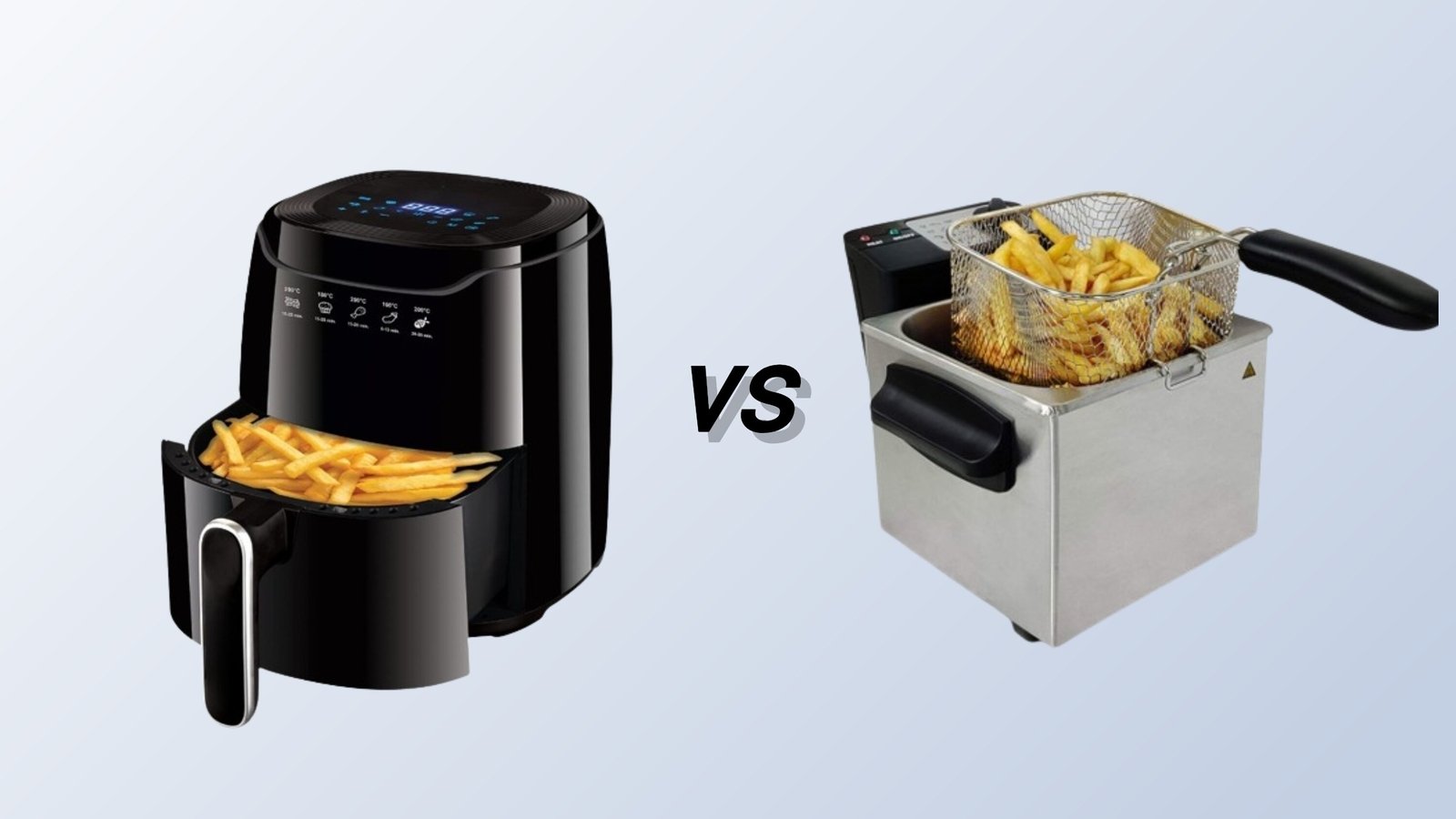
The Deep Fryer vs Air Fryer debate often comes down to one simple question: what do you want from your food? A deep fryer gives you the classic crunch found in fried chicken, French fries, onion rings, and other fried foods. An air fryer uses fast-moving hot air to brown and crisp food with much less oil.
In a busy U.S. kitchen, both appliances can be useful. The right choice depends on taste, cooking habits, cleanup, oil use, food type, counter space, and budget. In this Deep Fryer vs Air Fryer guide, we will compare these points in plain terms so you can choose with confidence.
What Is the difference Between a Deep Fryer and an Air Fryer?
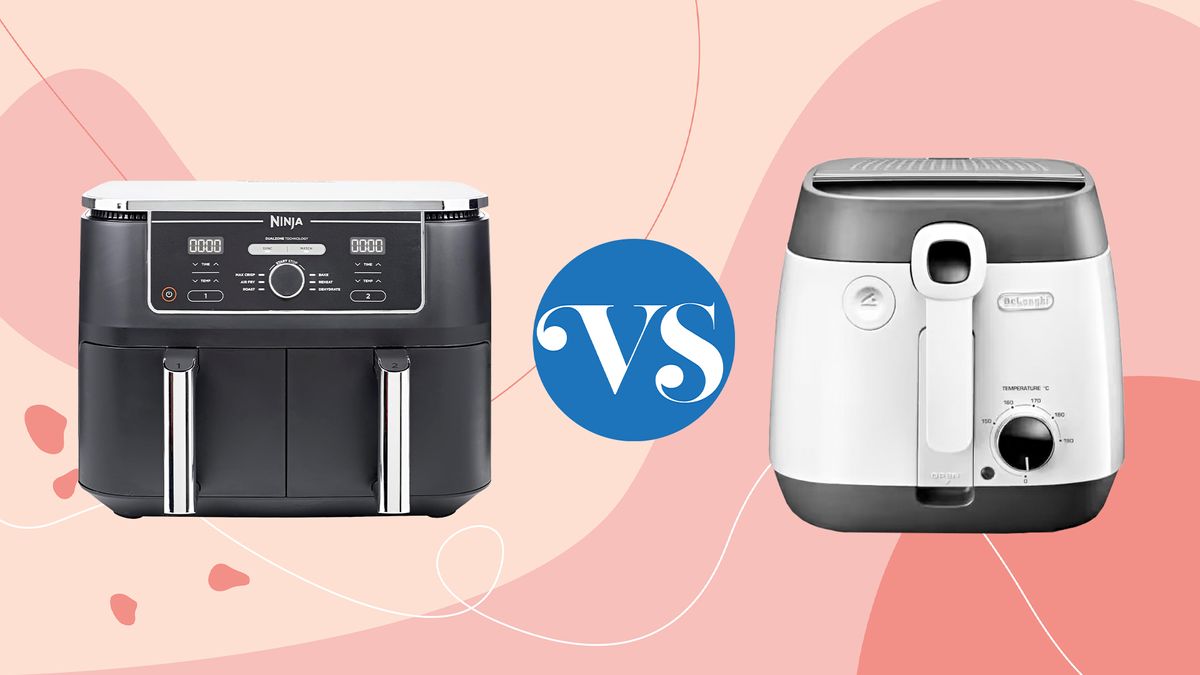
The main difference in a Deep Fryer vs Air Fryer comparison is the cooking medium. A deep fryer places food into hot oil, while an air fryer cooks food with a stream of hot air. Both methods can create a browned and crisp surface, but they do it in very different ways.
A deep fryer surrounds the food with hot oil. This transfers heat quickly and helps form a crisp outer layer. An air fryer heats air and moves it around the food at high speed. A small amount of oil can help with browning, but the food does not sit in oil.
This basic difference affects taste, texture, calories from added cooking oil, cleanup, and the types of food that work well. Neither appliance is simply a replacement for the other in every situation.
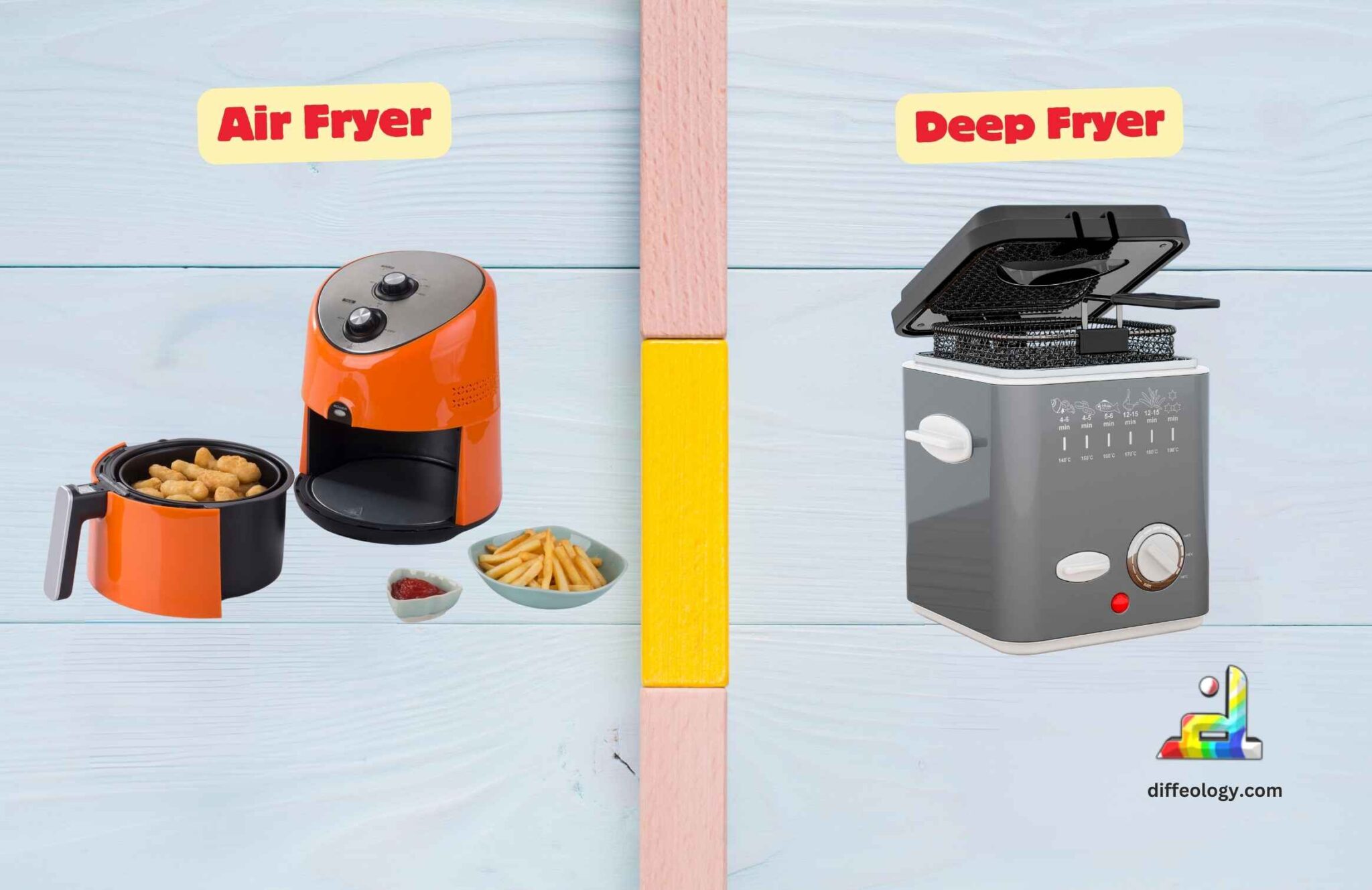
- ✦ Deep fryer
Uses hot cooking oil to fully or partly immerse food during frying.
- ✦ Air fryer
Uses circulating hot air to cook and brown food with little or no added oil.
- ✦ Cooking result
Deep frying tends to create a richer, more traditional fried texture, while air frying gives a lighter crisp finish.
- ✦ Oil use
Deep frying needs a larger amount of oil. Air frying normally needs only a small amount, depending on the recipe.
How a Deep Fryer Works
A deep fryer heats oil to a set temperature. Many home models use a thermostat to keep the oil within the selected range. Food is lowered into the hot oil, where heat quickly cooks the outside and inside.
The hot oil also removes moisture from the surface. This helps create the crisp shell people expect from fried foods. Food size, coating, oil temperature, and cooking time all affect the final result.
- ✦ Common oil range
Many deep-frying recipes use oil temperatures around 325°F to 375°F, with the exact temperature depending on the food.
- ✦ Main strength
It produces the familiar taste, aroma, and crisp texture associated with traditional fried food.
How an Air Fryer Works
An air fryer uses a heating element and a fan to move hot air around food. The basket keeps the food exposed to the moving air. A light coating of oil can improve browning and help some foods become crisp.
Air fryers are closely related to small convection ovens. They can cook fries, chicken, vegetables, fish, and many frozen foods without the large volume of oil used by a deep fryer.
- ✦ Main strength
It offers quick cooking with little added oil and usually creates less mess than traditional frying.
- ✦ Important limit
Hot air cannot reproduce every part of the texture and flavor that comes from food being cooked in hot oil.
Deep Fryer vs Air Fryer: Taste and Texture
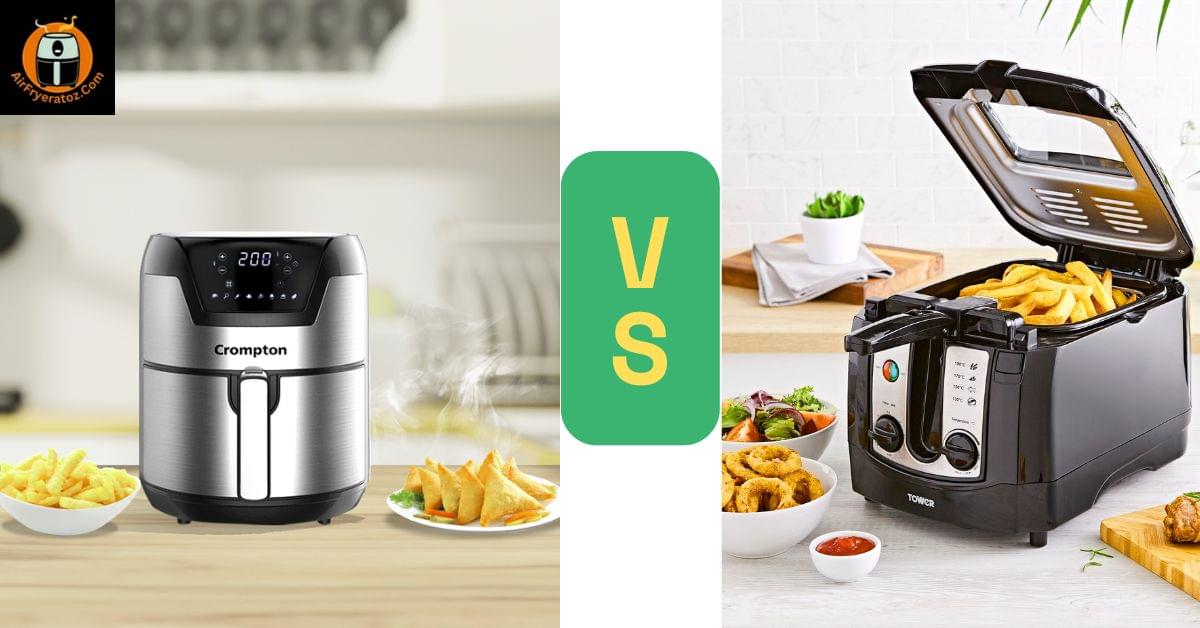
Taste is one of the biggest reasons people still choose deep fryers. Hot oil creates a distinct fried flavor and a crisp surface that can be hard to match with an air fryer. This is especially clear with battered foods.
Air-fried food can still taste very good. It often has a browned, crisp outside with a tender center. Yet the crust is usually lighter and less rich than a deep-fried crust.
For foods such as breaded chicken, fries, and onion rings, the difference can be easy to notice. If your main goal is the classic restaurant-style fried result, a deep fryer has a clear cooking advantage for that specific task.
- ✦ Crispness
Deep frying can create a very crisp and even crust because hot oil surrounds the food.
- ✦ Flavor
Deep-fried food often has a richer fried flavor because of the cooking oil and high-heat browning.
- ✦ Air-fried texture
Air-fried food can become crisp, but the crust may be drier and less rich.
- ✦ Battered foods
Wet batter can work better in a deep fryer because the hot oil sets the coating quickly.
Which Makes Crispier French Fries?
Both appliances can make good French fries, but the texture differs. Deep-fried fries can develop a thin, crisp shell with a soft center when the oil stays at the right temperature.
Air-fryer fries can also become crisp, especially when you avoid overcrowding the basket and use a suitable potato preparation. They often need less oil but may have a slightly different surface texture.
- ✦ Deep fryer
Best suited to the classic fast-food-style fried texture.
- ✦ Air fryer
Useful when you want crisp fries with much less cooking oil.
Deep Fryer vs Air Fryer: Health and Oil Use
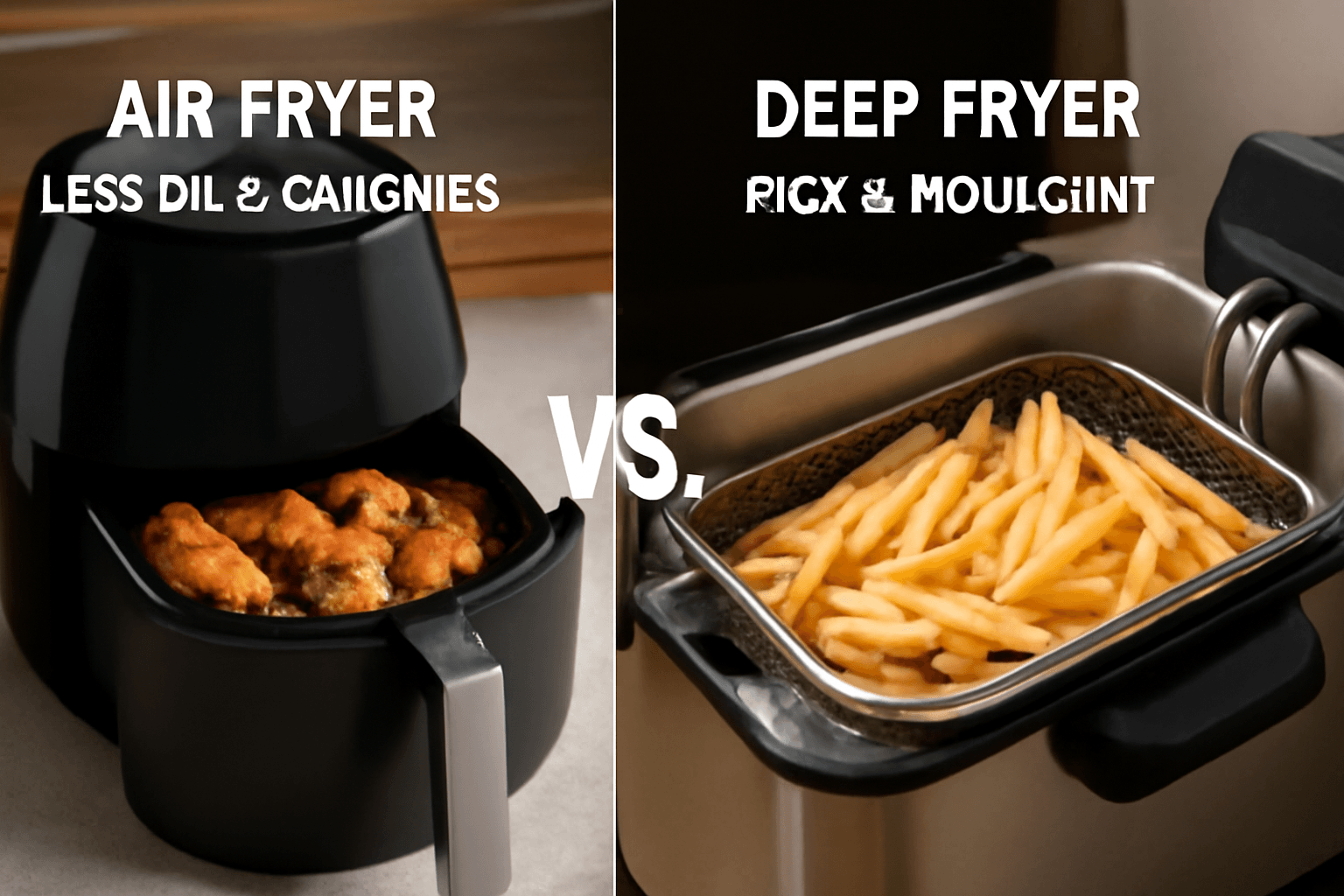
Oil use is a major difference in the Deep Fryer vs Air Fryer discussion. Deep frying requires enough oil to surround the food. Air frying usually needs only a small amount of oil, and some foods need none at all.
Using less oil can reduce the amount of added fat and calories that come from the cooking process. However, an air fryer does not automatically make every food healthy. A frozen breaded snack can still be high in sodium, refined starch, or saturated fat even when you air fry it.
Deep-fried food can also fit into a balanced diet when eaten in moderation. The overall food, portion size, cooking method, and eating pattern matter more than the appliance alone.
- ✦ Less added oil
Air frying can greatly reduce the amount of cooking oil needed for many foods.
- ✦ Food still matters
Air frying does not turn processed or heavily breaded foods into nutrient-rich foods.
- ✦ Deep frying
Deep-fried foods absorb some oil during cooking, though the amount varies with food type, coating, temperature, and cooking time.
- ✦ Balanced eating
For most people, the health impact depends on the whole diet rather than one cooking appliance.
Does Air Frying Make Food Healthier?
Air frying can be a useful way to reduce added cooking oil. That may lower the energy density of some foods compared with their deep-fried versions.
The result depends on what you cook. Fresh vegetables, lean proteins, and lightly seasoned foods can be good choices in an air fryer. A highly processed food remains highly processed even when cooked with hot air.
- ✦ Good use
Cook vegetables, chicken, fish, potatoes, and other whole foods with a light oil coating.
- ✦ Keep portions sensible
A lower-oil cooking method does not mean you need unlimited portions.
Cooking Speed and Capacity
Cooking speed depends on the food, appliance size, starting temperature, and batch size. A deep fryer heats oil to frying temperature and can cook many small foods quickly. Air fryers also cook fast, but basket size can limit how much food you can cook at one time.
Air fryers work best when food has space around it. If you pack the basket too tightly, hot air cannot move well around every piece. This can lead to uneven browning and softer spots.
For a family meal, capacity matters as much as speed. A small air fryer may require several batches, while a larger model can handle more food at once. A deep fryer may also require batches because adding too much cold food can lower the oil temperature.

- ✦ Small meals
A compact air fryer can work well for one or two servings.
- ✦ Large batches
A deep fryer or large-capacity air fryer can be more practical for larger quantities.
- ✦ Avoid overcrowding
Leave room for air to move in an air fryer and avoid adding too much food at once to hot oil.
- ✦ Frozen foods
Air fryers are convenient for many frozen snacks because they need little preparation and no oil preheating.
Which Is Better for Family Meals?
There is no single answer because family size and food type vary. A large air fryer can handle a useful amount of food, but several batches may still be needed for a full meal.
A deep fryer can cook certain fried foods in large batches, but you must manage hot oil, temperature changes, and safe draining. For frequent fried-food meals, capacity and cleanup should both be part of the decision.
- ✦ For one or two people
An air fryer often offers convenient portions with simple cleanup.
- ✦ For fried-food parties
A deep fryer can be useful when you need a steady supply of traditionally fried food.
Cleanup and Daily Convenience
Cleanup is one area where the Deep Fryer vs Air Fryer choice can feel very different. Air fryers usually leave less oil behind because they use little oil during cooking. Many models have removable baskets or trays that can be washed after use.
Deep fryers need more care because the oil must cool before you handle or store it. You may need to strain the oil, clean the fryer, wipe grease from nearby surfaces, and dispose of oil when it is no longer suitable for use.
For people who cook on busy weeknights, this difference can matter. A meal that tastes great but creates a large cleanup job may be less appealing when you need to cook every day.

- ✦ Air fryer cleanup
Usually involves washing the basket and tray and wiping the interior after it cools.
- ✦ Deep fryer cleanup
Requires safe oil handling plus cleaning the pot, basket, lid, and nearby greasy surfaces.
- ✦ Oil storage
Deep-fryer oil may be filtered and reused when it remains clean and suitable, based on the oil type, food cooked, and manufacturer guidance.
- ✦ Odor
Deep frying can create more noticeable cooking smells than air frying.
Which Is Easier to Maintain?
For most home cooks, an air fryer is simpler to maintain. There is no large pool of hot oil to filter or store, and many removable parts can be washed with basic dish soap.
Deep fryers need more attention. Keeping the oil clean and the appliance free from grease helps maintain food quality and safe operation.
- ✦ Simple routine
Let the air fryer cool, clean the removable parts, and wipe away food residue.
- ✦ Deep-fryer routine
Cool the oil safely, filter or discard it as appropriate, then clean the fryer according to its instructions.
Deep Fryer vs Air Fryer: Safety
Both appliances need care, but deep frying has a larger hot-oil hazard. Hot oil can cause serious burns and can ignite if it becomes hot enough or comes into contact with a flame or another ignition source. Water added to hot oil can also cause violent splattering.
Air fryers avoid a large container of hot oil, which removes one major kitchen risk. They still use high heat, so the basket, cooking chamber, and food can become very hot.
Safe habits matter with either appliance. Read the manufacturer’s instructions, keep the appliance on a stable surface, avoid blocked vents, and keep children away while cooking.

- ✦ Never add water to hot oil
Water can rapidly turn into steam and cause hot oil to splatter.
- ✦ Do not overfill a deep fryer
Too much oil or food can increase the risk of overflow and temperature problems.
- ✦ Keep air vents clear
Air fryers need proper airflow around their vents to operate as designed.
- ✦ Use the right temperature
Follow the recipe and appliance guidance rather than guessing at cooking temperatures.
- ✦ Stay nearby
Do not leave active cooking equipment unattended for long periods.
Deep Fryer Fire Safety
If cooking oil catches fire, never use water to put it out. Turn off the heat if it is safe to do so and use the appropriate fire safety method for a cooking-oil fire, following local fire-safety guidance.
A properly maintained fryer and careful temperature control reduce risk. Keep combustible items away from the fryer and make sure the appliance sits on a stable, heat-safe surface.
- ✦ Keep a lid nearby
A suitable lid can help cover a small grease fire if the appliance design and safety guidance support this action.
- ✦ Use a proper extinguisher
A Class K extinguisher is designed for commercial cooking-oil fires; follow local safety guidance for home use.
Cost of Using a Deep Fryer vs Air Fryer
The purchase price is only one part of the cost. You should also consider cooking oil, electricity, replacement parts, cleaning supplies, and how often you use the appliance.
Air fryers can reduce ongoing oil costs because they need little oil for many recipes. Deep fryers use more oil, although oil can sometimes be filtered and reused when it remains suitable and safe.
Energy use varies by appliance, cooking time, food quantity, and local electricity rates. A smaller appliance may heat a smaller cooking space faster, but actual operating cost depends on the specific model and how you use it.
- ✦ Air fryer costs
You may spend less on cooking oil, but the appliance still uses electricity and may need replacement baskets or other parts over time.
- ✦ Deep fryer costs
The main recurring expense is cooking oil, along with electricity and cleaning needs.
- ✦ Oil reuse
Filtering and reusing oil can lower waste, but oil quality declines with repeated heating and contamination.
- ✦ Best comparison
Compare the appliance price with your expected cooking frequency and long-term oil use rather than looking only at the sticker price.
Which Has Lower Running Costs?
For many households, an air fryer can have lower recurring cooking-oil costs because it uses far less oil. This is most useful if you cook often and would otherwise use fresh oil for many batches.
The savings depend on your habits. If you rarely fry food, the difference may be small. If you deep fry often, oil use can become a more noticeable household expense.
- ✦ Frequent air frying
Often reduces the amount of oil you buy for everyday crisping and roasting.
- ✦ Frequent deep frying
Requires regular oil management and replacement.
What Foods Are Best in Each Appliance?
The best appliance depends on the food. Air fryers are useful for foods that benefit from dry, circulating heat. Deep fryers shine when a food needs a full oil bath to develop its traditional crust.
You can cook many of the same foods in both appliances, but the result may differ. Choosing the right method for the food often matters more than choosing one appliance for every recipe.
- ✦ Good air-fryer choices
French fries, potato wedges, chicken wings, roasted vegetables, fish fillets, reheated pizza, and many frozen foods.
- ✦ Good deep-fryer choices
Fried chicken, battered fish, onion rings, doughnuts, tempura, and foods that need a traditional crisp coating.
- ✦ Foods that can work in both
Chicken wings, fries, potato bites, breaded chicken, fish, and some vegetables can be prepared with either method.
Can You Air Fry Anything You Deep Fry?
No. Many foods can move from a deep fryer to an air fryer, but the cooking method may need changes. Wet batters are a common challenge because they can drip through a basket or fail to form the same shell that hot oil creates.
Breaded foods tend to work better in an air fryer when the coating is dry and firmly attached. A light spray of oil can help the surface brown and crisp.
- ✦ Dry coating
Breadcrumb and flour coatings often adapt better to air frying than loose wet batter.
- ✦ Wet batter
Traditional deep frying is often better for foods that rely on a liquid batter.
Deep Fryer vs Air Fryer: Pros and Cons
Looking at the strengths and limits side by side makes the Deep Fryer vs Air Fryer choice easier. Each appliance solves a different cooking problem.
An air fryer focuses on convenience, lower oil use, and quick everyday cooking. A deep fryer focuses on traditional frying performance and the distinct texture that comes from hot oil.
- ✦ Air fryer advantages
Uses little oil, creates less greasy mess, is easy to use, and works well for many everyday foods.
- ✦ Air fryer limitations
Basket capacity can be limited, food may need batches, and the texture may not match true deep frying.
- ✦ Deep fryer advantages
Produces classic fried flavor, strong crispness, and excellent results for many battered and coated foods.
- ✦ Deep fryer limitations
Uses more oil, creates more cleanup, needs careful hot-oil handling, and can produce stronger cooking odors.
Who Should Choose an Air Fryer?
An air fryer can suit people who want quick meals with little oil and simple cleanup. It is also useful in smaller households where cooking one or two portions is common.
It can be a strong everyday tool for reheating, roasting, crisping, and cooking frozen foods. Its value increases when you use it several times a week.
- ✦ Choose it for convenience
It works well for quick weeknight meals and simple reheating.
- ✦ Choose it for lower oil use
It can crisp many foods without submerging them in cooking oil.
Who Should Choose a Deep Fryer?
A deep fryer makes sense for cooks who care most about traditional fried texture and flavor. It can also be useful if you regularly make battered foods that are difficult to reproduce in an air fryer.
It requires more care, but that extra work can be worthwhile when classic fried food is the main goal.
- ✦ Choose it for classic frying
It is designed for foods that need a hot-oil cooking environment.
- ✦ Choose it for battered foods
Hot oil can set wet coatings quickly and evenly.
How to Choose Between a Deep Fryer and an Air Fryer
When choosing between the two, start with the foods you actually cook. Do not buy an appliance based only on a health claim, trend, or attractive feature list. Think about your normal meals, available counter space, cleaning habits, and how often you want fried food.
If you want a simple everyday appliance, an air fryer may fit your routine well. If you want the classic fried result and often cook battered foods, a deep fryer may fit your needs better.
For some households, owning both can make sense. The air fryer can handle everyday cooking, while the deep fryer can come out when you want traditional fried food.
- ✦ Think about taste
Choose a deep fryer if the classic fried taste and crust are your top priority.
- ✦ Think about oil use
Choose an air fryer if you want to cook with much less added oil.
- ✦ Think about cleanup
Choose an air fryer if simple cleanup is a major part of your decision.
- ✦ Think about food type
Choose based on whether you mostly cook dry, breaded foods or wet-battered foods.
- ✦ Think about batch size
Check the basket or oil capacity against the number of people you usually cook for.
- ✦ Think about safety
If hot-oil handling concerns you, an air fryer avoids the large volume of hot oil used by a deep fryer.
A Simple Decision Guide
The Deep Fryer vs Air Fryer decision becomes easier when you focus on your main priority. If your priority is lower oil use and easy cleanup, look closely at air fryers. If your priority is classic fried texture, look closely at deep fryers.
There is no need to force one appliance to do every job. The best choice is the one that matches the food you make most often and the amount of work you are willing to do.
- ✦ Pick an air fryer
If you want less oil, easy cleanup, quick meals, and versatile everyday cooking.
- ✦ Pick a deep fryer
If you want classic fried flavor, crisp crusts, and frequent deep-fried foods.
- ✦ Consider both
If you enjoy both healthy-minded everyday cooking and traditional fried food, each appliance can serve a different role.