Deep Fryer Troubleshooting: Common Problems, Causes, and Safe Fixes
Deep fryers are simple to use, but they work with high heat, hot oil, electricity, or gas. A small fault can stop the fryer from heating, cause poor cooking, or create a safety risk. Good Deep Fryer Troubleshooting starts with the simple checks before moving to complex parts.
In practice, the first clue is often the symptom. A fryer that stays cold has a different cause from one that overheats or loses heat during cooking. A fryer that will not filter oil also needs a different check from one that will not turn on.
This guide covers common home and commercial fryer problems in the United States. It explains what you can check safely, what each symptom may mean, and when you should stop and call a qualified repair professional.

How to Start Deep Fryer Troubleshooting Safely
Safety comes first with every fryer repair. Hot oil can cause severe burns, and water can react violently with hot oil. Never inspect a fryer while it is hot or while a burner or heating element is active.
Turn the fryer off and disconnect electrical power when the manual allows it. For a gas fryer, shut off the gas supply if the procedure requires it. Let the oil and fryer cool fully before you clean or inspect parts.
Start with the owner’s manual. Models differ in their controls, reset systems, filters, thermostats, and safety devices. The manual can also show which parts the owner may safely clean and which parts need service.
- ✦ Stop and cool the fryer
Turn the fryer off and wait until the oil and equipment are cool before inspection.
- ✦ Check the manual
Use the model-specific instructions for resets, cleaning, filters, and service access.
- ✦ Keep water away from hot oil
Never pour water into hot oil or use wet tools near a hot fryer.
- ✦ Know when to stop
Gas leaks, damaged wiring, repeated breaker trips, exposed electrical parts, and failed safety controls need professional attention.
A Simple Symptom-First Method
Do not replace parts at random. First write down what the fryer does and does not do. This makes Deep Fryer Troubleshooting faster and can prevent the cost of replacing a good part.
For example, if the display works but the oil stays cold, power may not be the main issue. The fault may involve the thermostat, heating system, ignition system, high-limit control, or another safety device.
- ✦ Power symptom
The fryer is completely dead or the display does not turn on.
- ✦ Heat symptom
The fryer turns on but does not reach the set temperature.
- ✦ Oil symptom
The oil bubbles, smokes, foams, darkens, or breaks down too fast.
- ✦ Flow symptom
The fryer drains or filters oil slowly or not at all.
Deep Fryer Not Turning On
A fryer that does nothing at all often has a basic power problem. Start by checking whether the unit is plugged in and whether the outlet has power. For a commercial fryer, also check the equipment’s main power switch and any required disconnect.
If a breaker trips, do not keep resetting it. A single trip can have a simple cause, but repeated trips may point to a short, damaged wire, failed component, or overloaded circuit. This is a point where Deep Fryer Troubleshooting should stop and electrical service should begin.
Some fryers also have a safety reset or high-limit reset. Use it only when the manufacturer’s instructions allow it. If the fryer shuts down again after a reset, treat that as a fault instead of repeatedly resetting the machine.
- ✦ Check the plug
Make sure the plug sits firmly in the correct outlet and shows no signs of heat damage.
- ✦ Check the breaker
Look for a tripped breaker, but do not repeatedly reset a breaker that trips again.
- ✦ Check the main switch
Confirm that the fryer power switch is in the correct position.
- ✦ Check the safety reset
Follow the manual before using a reset button. A repeated shutdown needs diagnosis.
When a Reset Button Does Not Solve the Problem
A reset restores operation only when the cause has cleared and the safety device permits the fryer to run again. It does not repair a failed thermostat, heating element, ignition part, wire, or control.
If the reset works for a short time and the fryer stops again, note when it happens. A shutdown after the oil gets hot can point to a temperature or safety issue rather than a simple power issue.
- ✦ One reset works
Monitor the fryer closely and follow the manufacturer’s instructions.
- ✦ Reset keeps tripping
Stop using the fryer and arrange qualified service.
Deep Fryer Not Heating or Heating Slowly
A fryer that turns on but stays cold has a heat-system problem or a control that prevents heating. On an electric fryer, possible causes include a heating element, thermostat, wiring, control board, or safety switch. On a gas fryer, the issue may involve the pilot, ignition, burner, gas supply, or related controls.
First check the selected temperature and make sure the fryer has enough oil. Low oil can expose a heating element or trigger a safety control. Do not add oil while the fryer is hot unless the manufacturer’s instructions specifically allow a safe procedure.
If the fryer heats very slowly, consider the load as well. Adding a large amount of cold or frozen food can lower oil temperature quickly. A fryer with a normal load should recover within the range stated by its manufacturer; poor recovery can point to a heating or burner problem.
- ✦ Wrong temperature setting
Confirm that the thermostat or digital control is set to the desired cooking temperature.
- ✦ Low oil level
Keep oil within the manufacturer’s marked operating range.
- ✦ Heavy food load
Too much cold or frozen food can cause a large temporary temperature drop.
- ✦ Heating system fault
A failed element, burner, ignition system, or related control may require service.
Electric Fryer Heating Problems
Electric fryers use heating elements to transfer heat into the oil. If the controls work but the oil does not heat, the element or its electrical path may have failed. Some elements also have safety systems that prevent operation when the element is not in the correct position.
Do not test live electrical parts unless you are trained and equipped to do so. For most home users, the safe checks are the power supply, control setting, oil level, visible damage, and manufacturer’s reset procedure.
- ✦ Element position
Check that a removable element is seated as the manual requires before use.
- ✦ Visible damage
Stop using the fryer if the element, cord, plug, or housing shows damage.
Gas Fryer Heating Problems
Gas fryers need both fuel and ignition. A blocked burner, failed ignition part, pilot problem, gas supply issue, or safety control can stop heating. Never bypass a gas safety device to force a burner to operate.
If you smell gas, stop using the fryer and follow the gas supplier or equipment manufacturer’s emergency guidance. Do not create sparks or operate electrical switches near a suspected gas leak.
- ✦ Pilot or ignition issue
Follow the approved lighting procedure in the manual. Do not bypass ignition safeguards.
- ✦ Burner issue
A dirty or damaged burner needs proper cleaning or professional service.
Deep Fryer Overheating or Oil Getting Too Hot
Overheating is one of the most important problems to address. Frying oil can become a fire hazard when it gets too hot. If the oil starts smoking heavily or the temperature rises beyond the equipment’s safe range, turn the fryer off and follow the manufacturer’s emergency instructions.
A faulty thermostat or temperature sensor can cause poor temperature control. A stuck control, failed relay, damaged sensor, or other control fault may also allow continued heating. Do not bypass the high-limit device to keep the fryer running.
During Deep Fryer Troubleshooting, compare the displayed temperature with the behavior of the oil. If the display says the fryer is at the correct temperature but the oil is clearly much hotter, stop using the unit and have the temperature control system checked.
 CA Guest Post Image -02-12.png "High limit switch failures in deep fryers and related troubleshooting")
- ✦ Stop heating
Turn the fryer off if the oil overheats or begins smoking unexpectedly.
- ✦ Do not add water
Water can react violently with hot oil and cause dangerous splashing.
- ✦ Do not bypass safety controls
High-limit devices protect against dangerous temperature conditions and should not be defeated.
- ✦ Check temperature accuracy
If the fryer and a suitable cooking thermometer disagree, stop operation if the difference suggests unsafe heating.
What the High-Limit Safety Control Does
Many fryers use a high-limit control as a backup against excessive oil temperature. It can shut down heating when the temperature rises beyond a safe point. This control is not a normal temperature setting.
If the high-limit trips often, do not treat the reset as the repair. Frequent trips can indicate a thermostat, sensor, control, or other equipment problem that needs diagnosis.
- ✦ Occasional trip
Follow the model’s approved reset procedure and look for the cause before returning the fryer to normal use.
- ✦ Repeated trips
Stop using the fryer and have the safety and temperature controls inspected.
Deep Fryer Oil Bubbling, Foaming, or Smoking
Oil behavior can tell you a lot about fryer condition. Light bubbling is normal when food cooks because moisture leaves the food. Excessive foaming, sudden bubbling, or heavy smoke is not something to ignore.
Water is a common cause of excessive bubbling. Wet food, ice crystals on frozen food, wet baskets, cleaning residue, or water left in the fry pot can make oil react badly. Keep food and equipment as dry as the manufacturer’s instructions require before placing them into the oil.
Old or contaminated oil can also foam and smoke. Crumbs, breading, food particles, cleaning chemicals, and degraded oil can affect cooking quality. Good Deep Fryer Troubleshooting includes checking both the oil and the food preparation process.

- ✦ Wet food
Remove excess surface moisture and ice from food according to safe food preparation practices.
- ✦ Food debris
Remove loose crumbs and particles through the approved filtering and cleaning process.
- ✦ Old oil
Replace oil when it shows signs of breakdown or reaches the replacement point set by your operation.
- ✦ Heavy smoke
Turn off the fryer if oil smokes unexpectedly and investigate the temperature and oil condition.
Why Oil Can Foam
Foaming can happen when water, starch, food particles, or degraded oil affects the frying process. High food loads can also increase foam because more moisture enters the oil at once.
If fresh oil foams soon after a cleaning cycle, check that no water or cleaning product remains in the fryer. Never start frying until the fryer is completely clean, dry, and ready for operation.
- ✦ Foam only with certain foods
Review the food’s moisture, breading, and loading method.
- ✦ Foam with every batch
Check oil condition, contamination, fryer cleanliness, and temperature control.
Deep Fryer Not Filtering or Draining Properly
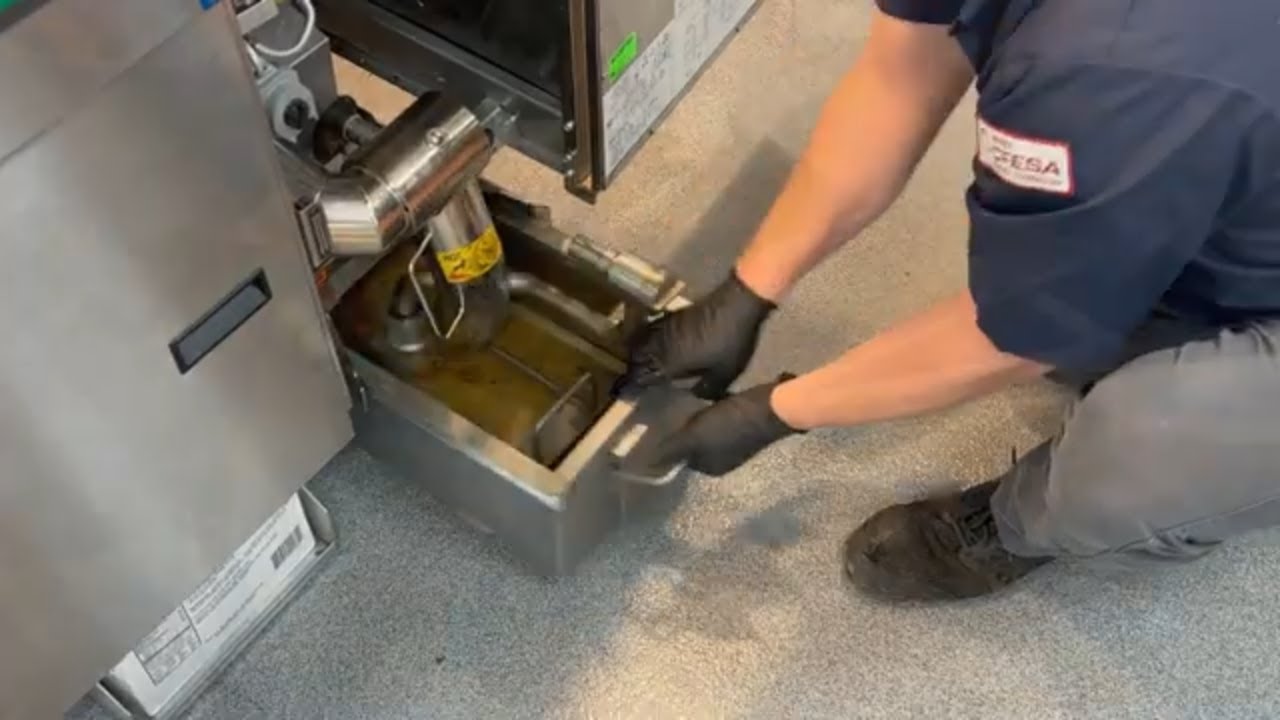
Filtering helps remove food particles and can improve oil quality. When a fryer drains slowly or will not filter, the cause may be a blocked filter screen, clogged filter media, food debris, a closed valve, or another flow problem.
Never work on the filter system while the oil is dangerously hot. Follow the fryer manual for the correct filtering temperature and procedure. Commercial fryers often use specific filter pans, screens, pumps, and valves, so forcing a blocked part can cause damage.
During Deep Fryer Troubleshooting, look for the simplest flow restriction first. If the filter pan, screen, or filter paper is dirty or installed incorrectly, correcting it may restore normal flow. If the pump makes unusual sounds or still will not move oil, stop and arrange service.
- ✦ Blocked filter media
Replace or clean filter media according to the manufacturer’s instructions.
- ✦ Clogged screen
Clean the approved filter screen after the fryer and oil reach a safe service condition.
- ✦ Closed valve
Confirm that the drain or filter valve is in the correct position.
- ✦ Pump problem
A noisy, weak, or non-working pump may need professional diagnosis.
When the Filter Pump Will Not Move Oil
A filter pump depends on clear oil flow and correctly installed filter parts. A blockage can make the pump seem faulty when the real problem sits in the filter path.
If the filter system remains blocked after approved cleaning, do not dismantle the pump without the required training. Hot oil and moving equipment create serious hazards.
- ✦ Check the filter setup
Make sure the filter pan, screen, paper, and other approved parts are installed correctly.
- ✦ Check for restrictions
Look for visible debris only when the equipment is in a safe service condition.
Deep Fryer Temperature Keeps Dropping
Some temperature drop is normal when cold food enters hot oil. The problem starts when the fryer struggles to recover or the temperature falls far below the expected range during normal use.
First review how much food you add at one time. Overloading the basket can reduce oil temperature and may also cause uneven cooking. Frozen foods add more heat load because they enter the oil at a much lower temperature.
If normal loads still cause poor recovery, the fryer may have a heating or burner issue. A weak heating element, burner problem, incorrect gas pressure, dirty burner area, faulty thermostat, or control problem can reduce heat output. The exact cause depends on the fryer model.
- ✦ Reduce batch size
Use the food load recommended by the fryer manufacturer.
- ✦ Allow recovery
Give the fryer time to return to its target temperature between heavy batches.
- ✦ Check oil level
Keep oil within the correct operating range marked by the manufacturer.
- ✦ Inspect the heating system
If recovery remains poor, qualified service may be needed.
Temperature Recovery and Cooking Results
Poor temperature recovery can leave food greasy, pale, or unevenly cooked. Food may absorb more oil when the cooking temperature stays too low for too long.
Do not solve a recovery problem by setting the fryer to an unsafe temperature. The correct approach is to use suitable batch sizes and find the reason the fryer cannot maintain its designed heat.
- ✦ Greasy food
Check oil temperature, batch size, food moisture, and oil condition.
- ✦ Uneven browning
Check food load, basket spacing, temperature recovery, and oil quality.
Deep Fryer Leaking Oil or Showing Physical Damage
Oil leaks should never be ignored. A leak can cause burns, create a slip hazard, damage nearby equipment, and increase the risk of fire if oil reaches a hot surface.
Turn the fryer off and let it cool before looking for the source. Check only areas that the manufacturer identifies as safe for user inspection. Common sources can include a drain valve, filter connection, damaged seal, loose fitting, cracked component, or a damaged fry pot.
Do not use tape, household sealant, or improvised parts to repair a fryer oil leak. High heat and cooking oil require materials designed for the equipment. Proper Deep Fryer Troubleshooting means finding the cause without creating a second safety problem.
- ✦ Stop operation
Shut down the fryer if oil is leaking or reaching an unsafe surface.
- ✦ Find the source safely
Inspect only after the equipment has cooled and only in areas approved for user checks.
- ✦ Do not improvise repairs
Use manufacturer-approved parts and service methods.
- ✦ Clean spilled oil
Follow safe cleanup procedures to remove the slip and fire hazard.
When a Drain Valve Leaks
A drain valve that does not close fully can leak oil after filtering or draining. Food debris can sometimes interfere with proper closure, but the valve may also have worn or damaged parts.
Never reach into a hot fry pot to clear a valve. Follow the equipment manual and service procedure. If the valve continues to leak, replace or repair it with the correct part.
- ✦ Debris near the valve
Remove debris only after the fryer reaches a safe condition and the manual permits the procedure.
- ✦ Damaged valve
Use qualified service and the correct replacement part.
Other Common Deep Fryer Problems and What They Mean
Not every fryer fault involves heating or power. Strange sounds, error codes, poor cooking results, burner cycling, and unusual smells can also give useful clues. Record the exact symptom before you reset or clean anything.
Error codes are especially useful on modern commercial fryers. Do not guess what a code means because the same letter or number can have different meanings across brands and models. Use the model-specific manual or service documentation.
Good Deep Fryer Troubleshooting focuses on cause rather than guesswork. A clear symptom, model number, recent maintenance history, and timing of the fault can help a technician find the problem faster.
- ✦ Strange clicking
Repeated clicking may relate to ignition or control operation and should be checked if the fryer does not heat normally.
- ✦ Unusual smell
Burning insulation, gas, or another unusual odor requires immediate attention and may require shutdown.
- ✦ Error code
Write down the exact code and consult the model-specific manual.
- ✦ Uneven cooking
Check temperature, batch size, oil quality, food moisture, and fryer loading.
- ✦ Frequent shutdown
Repeated shutdowns can indicate a safety, control, heating, or power problem.
When Professional Repair Is the Right Choice
Some checks are reasonable for a homeowner or trained food-service worker. Electrical testing, gas pressure work, burner service, control-board repair, and safety-device replacement can require specialized training.
A commercial fryer also affects food safety and business operations. If the unit behaves unpredictably, leaks oil, overheats, repeatedly trips a breaker, or shows signs of gas or electrical damage, take it out of service until it has been checked properly.
- ✦ Gas leak or gas odor
Stop using the fryer and follow the appropriate emergency and gas-supplier guidance.
- ✦ Repeated breaker trips
Have the electrical system and fryer inspected by a qualified professional.
- ✦ Overheating
Stop operation and have the temperature and safety controls checked.
- ✦ Oil leak
Do not operate the fryer until the leak is repaired safely.
- ✦ Failed safety control
Never bypass a high-limit, ignition, or other protective device.
How to Prevent Deep Fryer Problems
The best repair is often the one you never need. Regular cleaning, correct oil management, proper food loading, and routine inspection can reduce many common fryer faults. A fryer also performs better when staff use the equipment the way the manufacturer designed it.
Clean the fry pot and approved removable parts on the schedule in the manual. Filter oil when appropriate, remove food debris, and replace oil when its condition calls for replacement. Keep the outside of the fryer clean so grease does not build up around hot surfaces or controls.
For commercial kitchens, keep a simple maintenance log. Record oil changes, filter cleaning, unusual symptoms, service visits, and replaced parts. This history makes future Deep Fryer Troubleshooting much easier.
- ✦ Clean regularly
Follow the manufacturer’s cleaning schedule and approved cleaning methods.
- ✦ Filter correctly
Use the correct filter setup and procedure for the fryer model.
- ✦ Manage oil
Keep oil at the correct level and replace it when its condition declines.
- ✦ Avoid overloading
Use suitable food loads to support temperature recovery and even cooking.
- ✦ Track service
Keep records of maintenance, faults, repairs, and replacement parts.
A Simple Maintenance Routine
A basic routine can catch small problems before they become expensive repairs. Before use, look for visible damage, leaks, loose parts, and unusual odors. During operation, watch the temperature and cooking behavior.
After use, follow the cleaning and filtering instructions for the specific fryer. Never mix cleaning chemicals with cooking oil, and never return oil to a fryer that still contains water or cleaning residue.
- ✦ Before use
Check the fryer condition, oil level, controls, and visible signs of damage.
- ✦ During use
Watch temperature, oil behavior, cooking results, and unusual sounds or smells.
- ✦ After use
Filter, clean, and store the fryer according to the manufacturer’s instructions.