Cutting Board Care & Conditioning: Complete Guide to Cleaning, Protecting, and Extending Board Life
A cutting board is one of the most used tools in an American kitchen. From slicing vegetables for weeknight meals to preparing holiday dishes, it handles daily wear. Proper Cutting Board Care & Conditioning helps protect the surface and keeps the board ready for years of use.
In my experience working with kitchen tools, many damaged boards are not ruined because of poor quality. They fail because they are washed incorrectly, left wet, or never conditioned. A simple routine of cleaning, drying, oiling, and inspection can make a major difference.
Why Cutting Board Care & Conditioning Matters
Cutting Board Care & Conditioning is more than keeping a board looking nice. A well-maintained board resists drying, cracking, and rough surfaces that can make food preparation harder.
Wood boards naturally lose moisture over time. Conditioning replaces some of that lost moisture and helps maintain the board’s smooth texture. This is especially important for hardwood boards made from maple, walnut, or cherry.
- ✦ Protects the wood fibers
Food-safe oils help reduce dryness and support the natural strength of wooden boards.
- ✦ Improves daily use
A smooth board feels better to cut on and is easier to clean after cooking.
- ✦ Extends board lifespan
Regular maintenance can help prevent early replacement caused by cracks and warping.
How neglected boards become damaged
Common problems include deep knife marks, dry patches, stains, and splitting edges. These issues often appear when boards are exposed to too much water or heat without proper care.
Daily Cleaning Steps for a Healthy Cutting Board
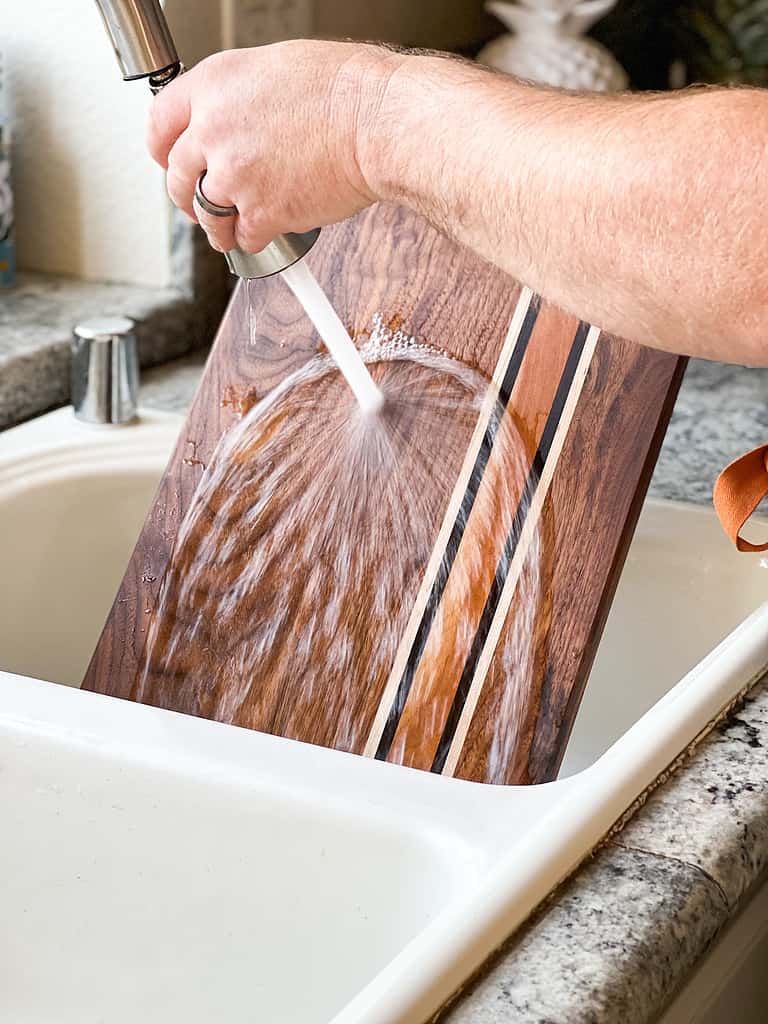
Daily cleaning is the foundation of Cutting Board Care & Conditioning. After each use, remove food pieces and wash the board with warm water and mild dish soap.
Avoid soaking a wooden board in water. Wood absorbs moisture, and too much water can cause swelling, warping, and cracks.
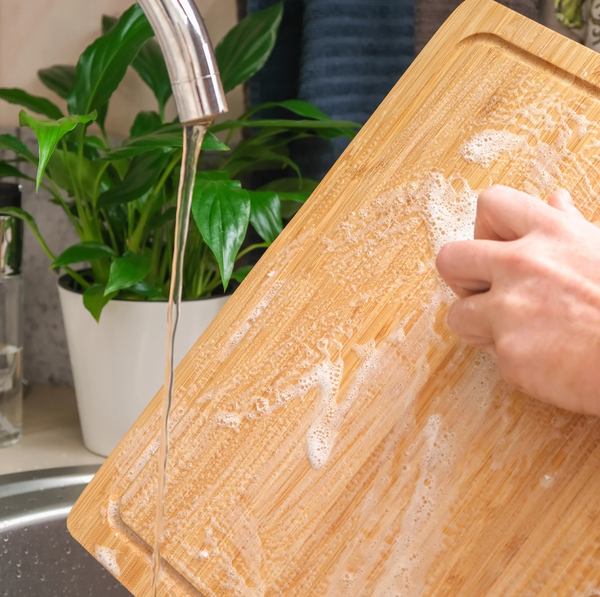
- ✦ Wash after every use
Clean both sides of the board, especially after cutting meat, seafood, or strong-smelling foods.
- ✦ Dry immediately
Stand the board upright or place it in a dry area so air can reach all sides.
- ✦ Avoid harsh cleaners
Strong chemicals can damage wood surfaces and remove natural protection.
Should you put a wooden cutting board in the dishwasher?
Most wooden boards should not go in a dishwasher. High heat and long water exposure can quickly damage the wood structure.
How to Oil and Condition a Wooden Cutting Board
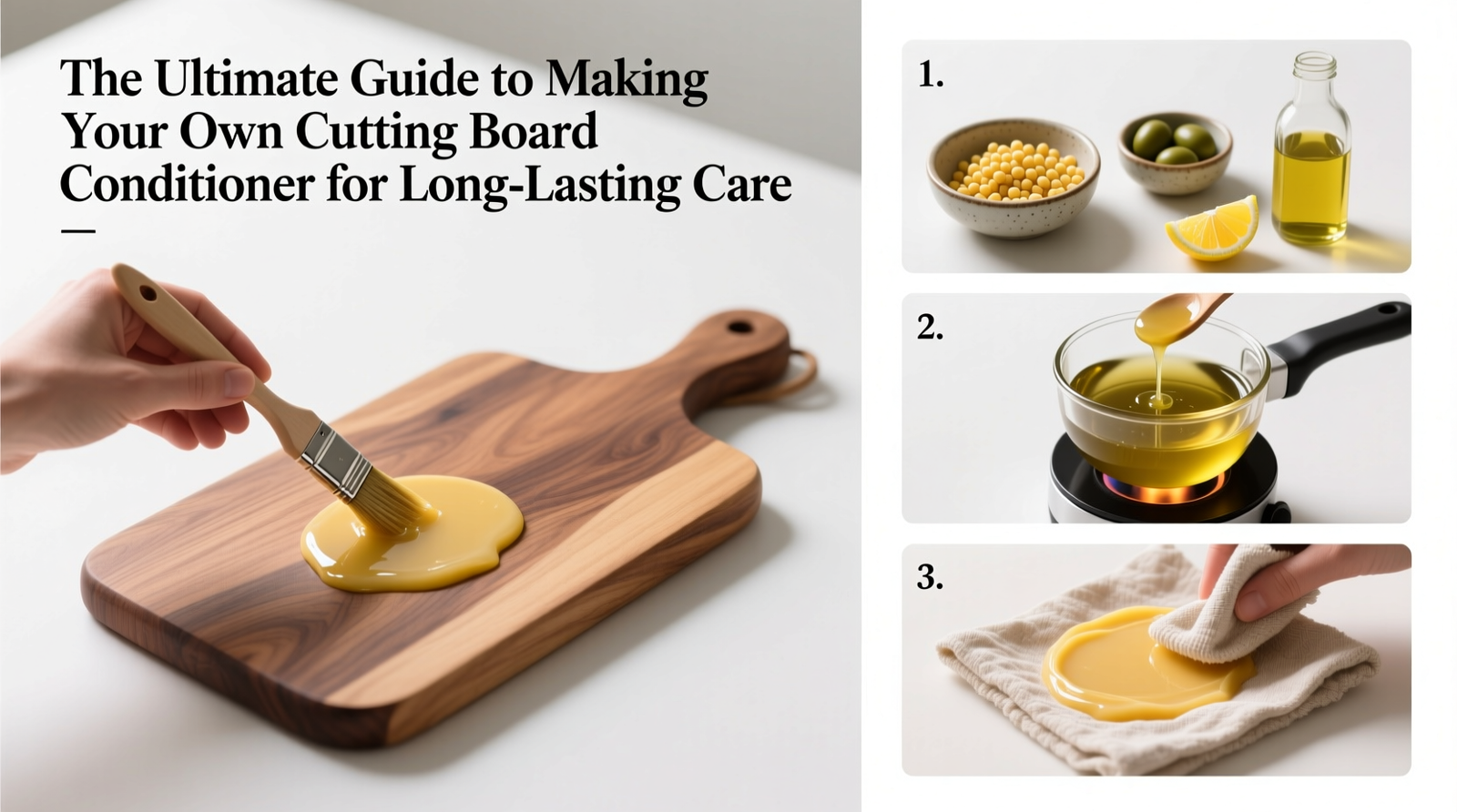
Oiling is one of the most important parts of Cutting Board Care & Conditioning. Food-safe mineral oil helps prevent the wood from becoming dry and brittle.
Apply oil when the board looks faded, feels rough, or absorbs water quickly. Many home cooks condition their boards once a month, while heavily used boards may need more frequent care.
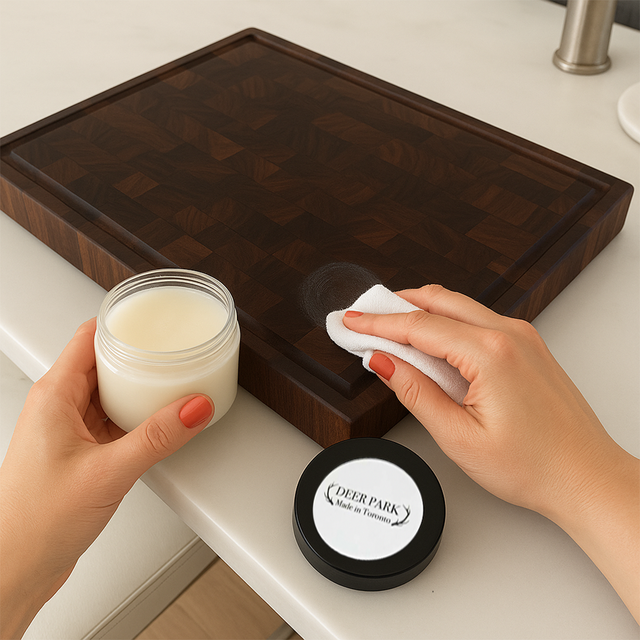
- ✦ Choose food-safe mineral oil
Use a product designed for kitchen surfaces because it does not turn rancid like many cooking oils.
- ✦ Apply a generous layer
Spread oil across the entire board surface and let it absorb before wiping away excess.
- ✦ Add board conditioner
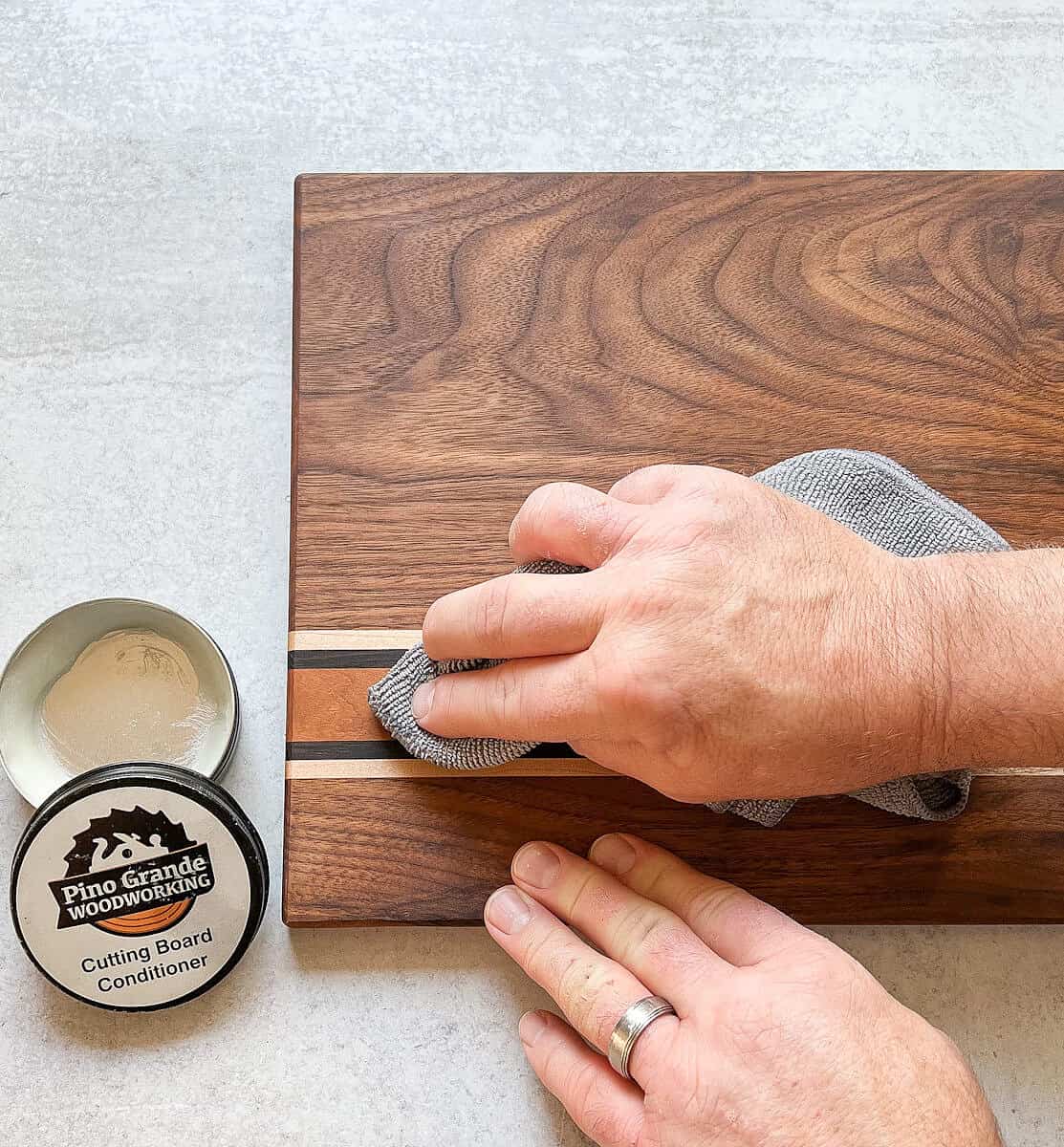
A wax-based conditioner can provide extra moisture protection and a smooth finish.
Step-by-step conditioning method
Start with a clean and completely dry board. Apply oil with a soft cloth, wait several hours or overnight, then remove extra oil before use.
- ✦ Clean first
Never condition a dirty board because oil can trap food particles.
- ✦ Condition all surfaces
Treat the top, bottom, and edges to reduce uneven drying.
Choosing the Right Conditioner and Oil
The right products make Cutting Board Care & Conditioning easier. Food-safe mineral oil is widely used because it is stable, affordable, and easy to apply.
Many board owners also use blends made with mineral oil and beeswax. These products create a protective layer while keeping the wood looking fresh.
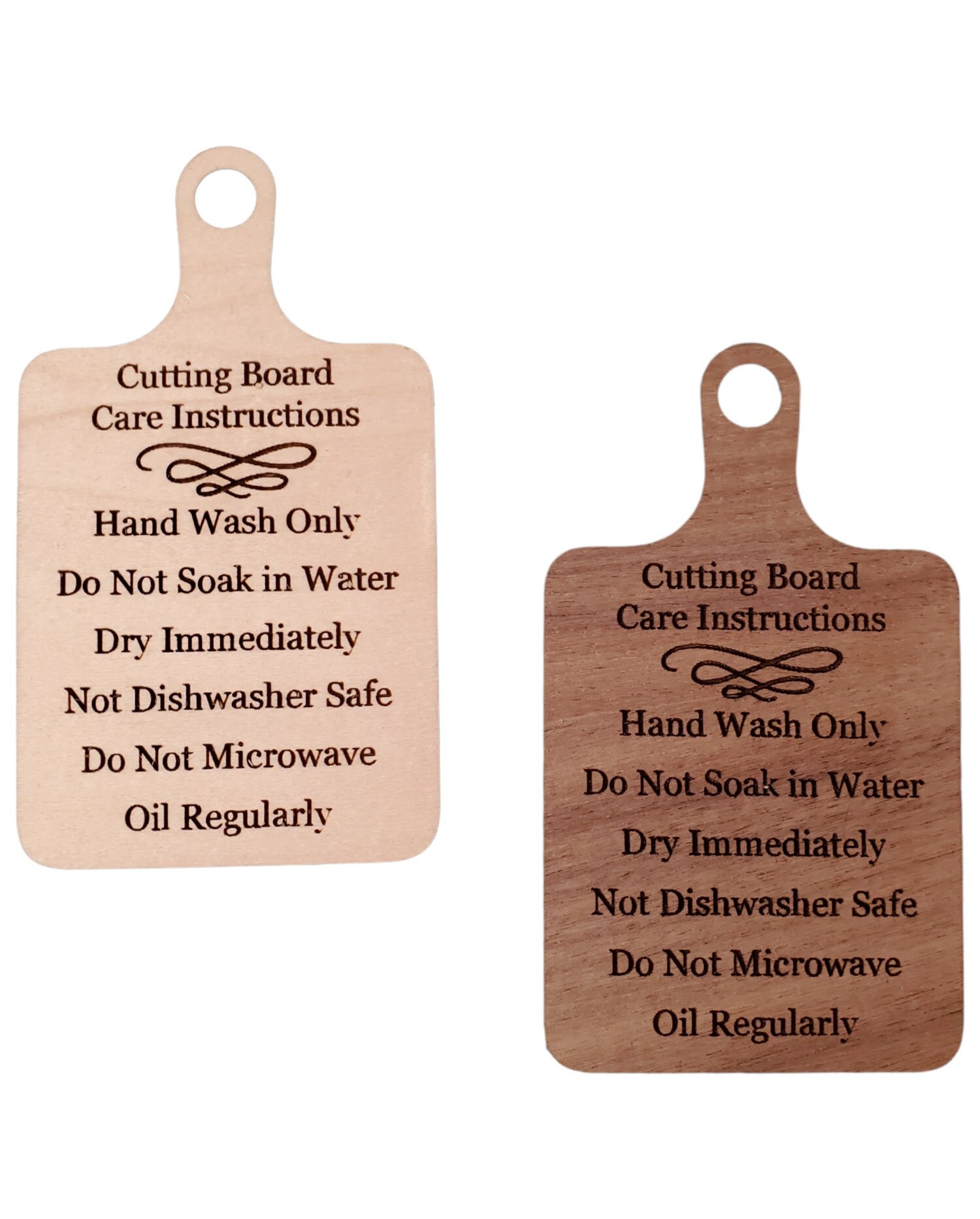
- ✦ Mineral oil
A simple option for regular hydration and maintenance.
- ✦ Board butter
A thicker conditioner that combines oils and waxes for extra protection.
- ✦ Avoid vegetable oils
Cooking oils like olive oil can spoil and create unpleasant smells over time.
Caring for Different Types of Cutting Boards
Different materials require different levels of Cutting Board Care & Conditioning. Wooden boards need regular moisture support, while plastic and composite boards focus more on cleaning and surface inspection.
Understanding your board material helps you choose the correct routine and avoid unnecessary damage.
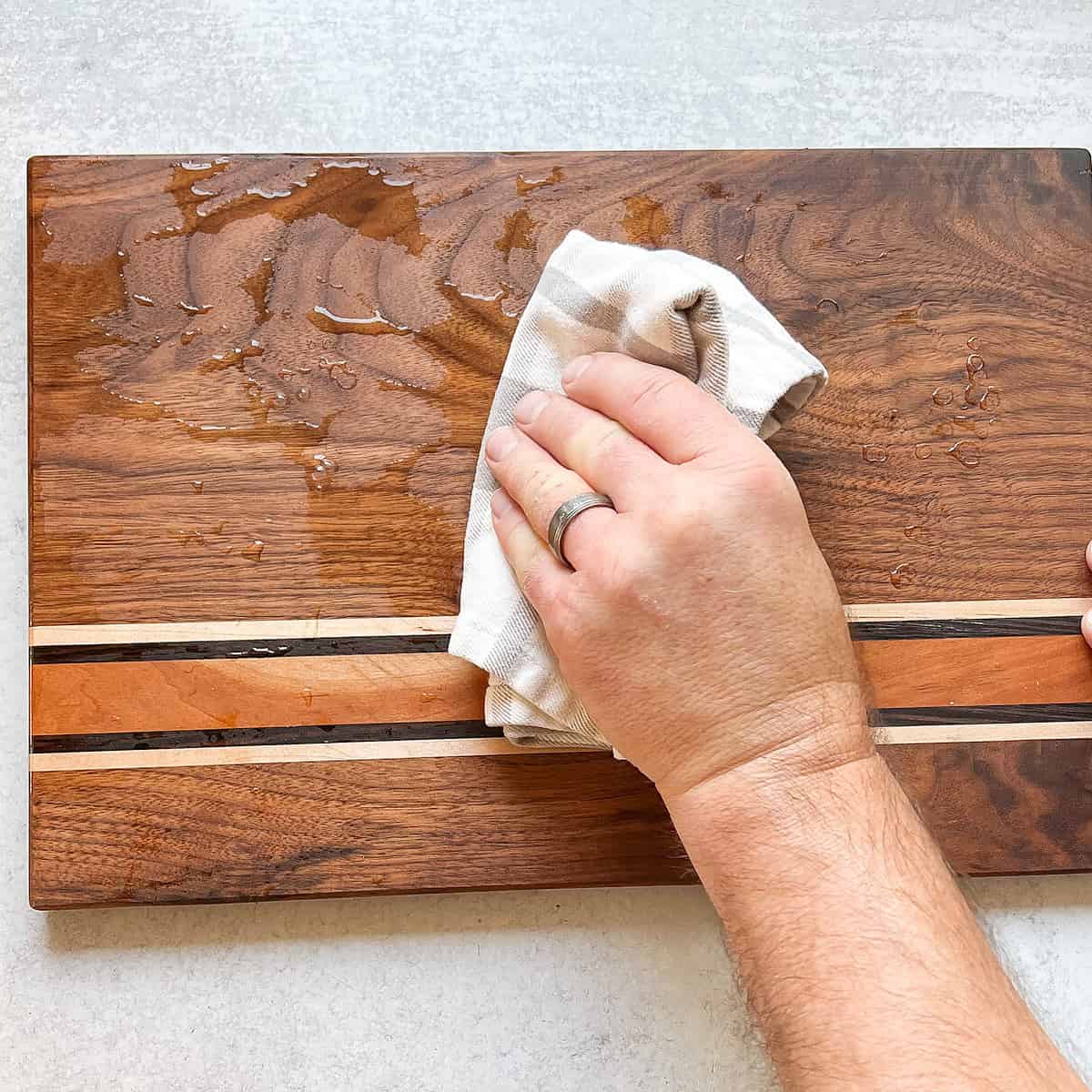
- ✦ Wood boards
Need regular oiling and careful drying to maintain strength.
- ✦ Bamboo boards
Require similar care to wood but may dry faster because of their structure.
- ✦ Plastic boards
Can be dishwasher safe but should be replaced when deep grooves hold food residue.
Common Cutting Board Care Mistakes to Avoid
Many kitchen problems happen because of small mistakes. Good Cutting Board Care & Conditioning depends on consistent habits rather than expensive products.
Avoiding these mistakes can keep your board cleaner and reduce repair needs.
- ✦ Leaving the board wet
Standing water can cause wood fibers to expand and weaken.
- ✦ Using the wrong oil
Some oils spoil and create odors that are difficult to remove.
- ✦ Ignoring cracks
Deep cracks may collect food particles and signal that replacement is needed.