Homemade Ice Cream & Sorbet Making: A Complete Guide for Beginners
Homemade Ice Cream & Sorbet Making can be much easier than it first seems. You do not need a professional kitchen or a long list of special tools. With a good base, cold ingredients, and the right freezing method, you can make smooth ice cream and bright, fresh sorbet at home.
The main lesson is simple: **texture matters as much as flavor**. Cream, milk, sugar, fruit, and water each affect how a frozen dessert feels on the spoon. When the balance is right, homemade ice cream can stay creamy and sorbet can feel soft and scoopable instead of icy.
This guide explains Homemade Ice Cream & Sorbet Making from the basics to common problems. It covers equipment, ingredients, churned and no-churn methods, fruit sorbet, storage, food safety, and practical ways to improve each batch.

What Is Homemade Ice Cream & Sorbet Making?
Homemade Ice Cream & Sorbet Making means preparing a frozen dessert at home instead of buying a ready-made product. Ice cream usually contains milk or cream, sugar, and flavorings. Sorbet is usually made from fruit, water, sugar, and sometimes a small amount of lemon juice or another acid.
The two desserts freeze in different ways. Ice cream gets much of its creamy texture from milk fat, milk solids, sugar, and air added during churning. Sorbet has no dairy in its classic form, so its texture depends more on fruit solids, sugar, water, and the speed of freezing.
A good home method does not need to be complicated. The goal is to control ice crystals. Smaller ice crystals give both ice cream and sorbet a smoother mouthfeel.
- ✦ Ice cream
A dairy-based frozen dessert that often uses milk, cream, sugar, and flavorings.
- ✦ Sorbet
A dairy-free frozen dessert made mainly with fruit or other flavoring, water, and sugar.
- ✦ Gelato
A dense frozen dessert that often uses more milk, less cream, and less air than typical American-style ice cream.
- ✦ No-churn ice cream
Ice cream made without a traditional ice cream machine, often with whipped cream and sweetened condensed milk.
Why Texture Is So Important
Water forms ice crystals when a mixture freezes. Large crystals can make a dessert feel rough or icy. Sugar and other dissolved solids help limit how much water freezes, while fat can add richness and help create a smooth texture.
This is why simply freezing sweetened fruit juice may not produce good sorbet. The mixture needs enough dissolved solids and fruit material to give it a pleasant texture.
- ✦ Smooth texture
Usually comes from small ice crystals and a well-balanced frozen base.
- ✦ Icy texture
Often happens when the mixture has too much free water or freezes too slowly.
Essential Ingredients for Homemade Ice Cream
The best Homemade Ice Cream & Sorbet Making results start with a balanced recipe. Each ingredient has a job. Changing one ingredient can change the final texture, sweetness, freezing point, and flavor.
For a basic American-style ice cream, heavy cream gives richness while milk adds water and milk solids. Sugar adds sweetness and also helps keep the finished ice cream softer. Egg yolks may be used in a custard base because they add fat and help emulsify the mixture.
Vanilla, cocoa, chocolate, fruit, nuts, coffee, and other flavorings can then shape the final dessert. Use ingredients that taste good before freezing because cold temperatures reduce the way we sense sweetness and aroma.
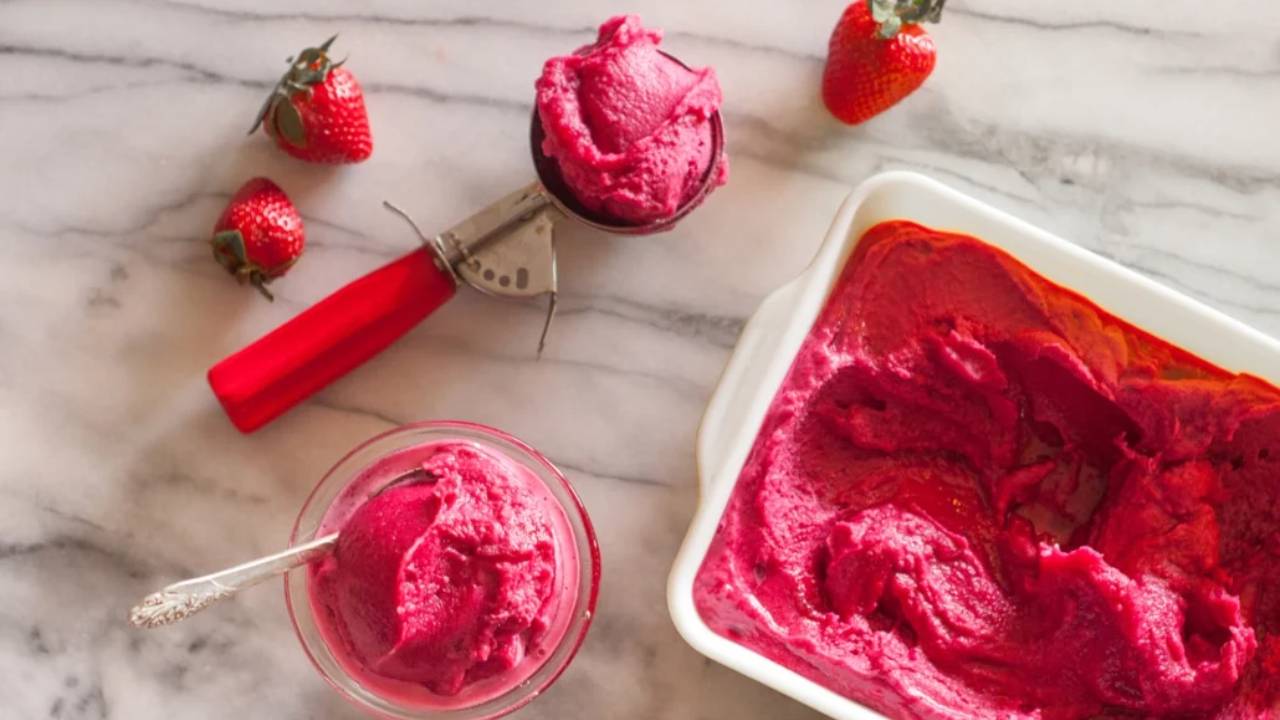
- ✦ Heavy cream
Adds milk fat, richness, and a creamy mouthfeel.
- ✦ Milk
Adds water and milk solids while keeping the base lighter than using cream alone.
- ✦ Sugar
Sweetens the mixture and helps lower its freezing point.
- ✦ Egg yolks
Can create a rich custard base and help bind water and fat.
- ✦ Flavorings
Vanilla, cocoa, coffee, fruit, spices, and extracts provide the main flavor.
Choosing the Right Sugar
Sugar does more than make ice cream sweet. It also changes how soft the frozen dessert becomes. Too little sugar can produce a hard and icy result, while too much can make the dessert overly soft.
Granulated white sugar works well for many recipes. Some recipes also use corn syrup, honey, or other sugars to change texture and flavor. When replacing one type of sugar with another, use a tested recipe when possible because different sugars behave differently.
- ✦ White sugar
A simple choice for most homemade ice cream and sorbet recipes.
- ✦ Honey
Can add flavor and softness, but it is sweeter than table sugar and changes the water balance.
- ✦ Corn syrup
Can help reduce large ice crystals and create a softer texture when used in suitable amounts.
Do You Need Eggs?
No. Ice cream can be made with or without eggs. A custard-style base uses egg yolks, while a Philadelphia-style base does not.
Egg-free ice cream can taste fresh and clean, and it avoids the step of cooking a custard. Custard ice cream can feel richer and more dense, but it needs careful heating so the eggs do not scramble.
Essential Ingredients for Homemade Sorbet
Sorbet looks simple because it can use only a few ingredients. Yet Homemade Ice Cream & Sorbet Making requires careful balance when you work with fruit. Fruit contains its own water and sugar, and both can vary from one batch to another.
A basic sorbet often combines fruit puree or juice with a sugar syrup. Lemon or lime juice may add brightness and balance sweet fruit. The final mix should taste a little sweeter than you want the frozen sorbet to taste because freezing dulls sweetness.
Very watery fruit may need more solids or a different recipe. Thick fruit puree may need more water. The exact balance depends on the fruit, so recipes should be adjusted with care.

- ✦ Fresh fruit
Provides flavor, natural sugar, water, and fruit solids.
- ✦ Sugar
Sweetens the sorbet and helps keep it from freezing too hard.
- ✦ Water
Helps create the desired consistency but too much can make sorbet icy.
- ✦ Citrus juice
Can add fresh acidity and make fruit flavors taste brighter.
How to Pick Fruit for Sorbet
Use fruit that is ripe and flavorful. Strawberries, raspberries, peaches, mangoes, lemons, limes, and many other fruits can work well. Frozen fruit can also be useful when fresh fruit is out of season, as long as it has good flavor.
Taste the fruit before making the base. If it is bland, the finished sorbet will usually be bland too. A small amount of citrus juice can help, but it cannot fully replace ripe fruit flavor.
- ✦ Ripe fruit
Usually gives stronger flavor and better natural sweetness.
- ✦ Frozen fruit
Can offer a practical option when fresh fruit is not at its best.
- ✦ Very watery fruit
May require a carefully balanced recipe to avoid an icy result.
Equipment You Need for Homemade Ice Cream & Sorbet Making
You can make frozen desserts with very little equipment. An ice cream machine makes the process easier, but it is not the only option. A freezer-safe container, measuring tools, a blender or food processor, and a whisk can handle many basic recipes.
For machine-made ice cream, check the instructions for your specific model. Some machines use a freezer bowl that must stay frozen for many hours before churning. Other models have a built-in cooling system and do not need a frozen bowl.
Good equipment helps, but technique matters more. A poorly balanced mixture will not become excellent simply because you use an expensive machine.

- ✦ Ice cream maker
Churns the mixture while freezing it and adds controlled amounts of air.
- ✦ Blender or food processor
Useful for making smooth fruit purees and blending sorbet bases.
- ✦ Fine strainer
Helps remove seeds, pulp, or small lumps when a smooth texture is wanted.
- ✦ Freezer-safe container
A shallow, well-sealed container can help the dessert freeze more evenly.
- ✦ Instant-read thermometer
Useful when making cooked custard bases that need careful temperature control.
Can You Make Ice Cream Without a Machine?
Yes. No-churn ice cream is one of the easiest methods for beginners. Whipped cream can provide air, while sweetened condensed milk supplies sugar and milk solids.
You can also freeze a liquid base in a shallow pan and stir it several times as it freezes. This method takes more attention and may not create the same texture as a dedicated machine, but it can work when equipment is limited.
- ✦ No-churn method
Easy for small batches and requires no special machine.
- ✦ Manual stirring
Can break up ice crystals during freezing but needs repeated attention.
How to Make Homemade Ice Cream Step by Step
A reliable Homemade Ice Cream & Sorbet Making process starts before the mixture reaches the freezer. Chill the base well, prepare the machine correctly, and keep the work area organized. A cold base usually freezes faster than a warm one.
If you make a custard base, heat the milk and cream mixture with sugar, then slowly combine it with beaten egg yolks. Cook it gently until the custard thickens. Do not let it boil, and chill it promptly after cooking.
Once the base is cold, churn it according to the machine instructions. The finished mixture may look like soft serve when it leaves the machine. Transfer it to a freezer-safe container and freeze it until firm enough to scoop.

- ✦ Step 1: Prepare the base
Measure ingredients carefully and blend or cook them as the recipe requires.
- ✦ Step 2: Chill the base
Cool the mixture fully before churning. A cold base can freeze more efficiently.
- ✦ Step 3: Prepare the machine
Freeze the bowl if your machine requires one and follow the manufacturer’s instructions.
- ✦ Step 4: Churn
Churn until the mixture reaches a soft, thick texture.
- ✦ Step 5: Harden
Move the ice cream to a freezer-safe container and freeze until firm.
A Simple Vanilla Ice Cream Formula
For a simple home batch, combine dairy, sugar, and vanilla in a balanced recipe. A mixture based on heavy cream and whole milk gives a rich but familiar American-style texture. You can use an egg-free base for a faster method or a cooked egg-yolk base for a richer custard.
Chill the mixture before churning. After churning, let the ice cream firm up in the freezer before serving. For the best texture, allow very hard ice cream to sit at room temperature for a few minutes before scooping.
- ✦ Flavor tip
Use real vanilla extract or vanilla bean when you want a clear vanilla flavor.
- ✦ Texture tip
Do not overfill the machine. The mixture needs room to expand and churn.
How to Make Homemade Sorbet Step by Step
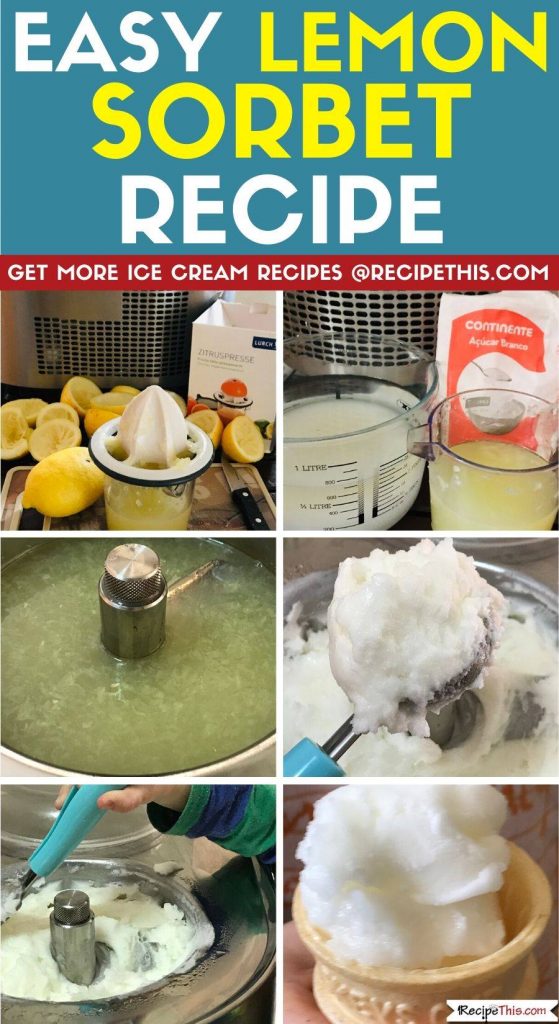
Homemade Ice Cream & Sorbet Making becomes especially fun with sorbet because fruit gives you many options. Start by washing and preparing the fruit. Remove stems, pits, cores, or seeds as needed, then blend the fruit into a smooth puree.
Make a simple sugar syrup when the recipe calls for it. Let it cool before combining it with the fruit. Add citrus juice or another flavoring in small amounts, then taste the base before freezing.
Chill the sorbet mixture and churn it in an ice cream maker. If you do not have a machine, freeze it in a shallow container and stir or process it during freezing to help break up large ice crystals.
- ✦ Step 1: Prepare fruit
Wash, trim, peel, pit, and puree the fruit as needed.
- ✦ Step 2: Balance sweetness
Combine fruit with the correct amount of sugar for the recipe.
- ✦ Step 3: Add acid
Use lemon or lime juice when appropriate to brighten the flavor.
- ✦ Step 4: Chill
Cool the mixture before freezing or churning.
- ✦ Step 5: Freeze
Churn until thick, then transfer to a sealed container and freeze until firm.
Easy Lemon Sorbet Approach
Lemon sorbet is a useful beginner recipe because its ingredients are simple. Lemon juice provides strong flavor and acid, while sugar balances the sharp taste and helps control the frozen texture.
The base should taste balanced before freezing. If it tastes too sour, it may need more sugar. If it tastes flat, a small amount of fresh lemon juice can make the flavor brighter.
- ✦ Use fresh lemons
Fresh juice usually gives a brighter flavor than bottled juice.
- ✦ Taste before freezing
The frozen dessert will taste less sweet and less aromatic than the liquid base.
How to Get Smooth, Creamy Homemade Ice Cream
Smooth texture is one of the main goals of Homemade Ice Cream & Sorbet Making. The key is to keep ice crystals small. Fast freezing, a cold base, enough dissolved sugar, and proper churning all help.
Do not put a large warm batch straight into a crowded freezer and expect perfect texture. Cool the base first, then churn it quickly. Once churned, place the ice cream in a cold part of the freezer and keep the container tightly covered.
Avoid making the recipe much lower in sugar or fat unless you also adjust the rest of the formula. A lower-sugar or low-fat version may freeze much harder because more water remains available to form ice.
- ✦ Chill first
Start with a cold base whenever the recipe and equipment allow it.
- ✦ Freeze quickly
Faster freezing generally gives water less time to form large ice crystals.
- ✦ Use a sealed container
A tight lid reduces exposure to dry freezer air and helps protect flavor.
- ✦ Avoid repeated melting
Repeated thawing and refreezing can increase ice crystal size and hurt texture.
Why Homemade Ice Cream Gets Icy
Icy ice cream often has too much free water or freezes too slowly. A recipe may also become icy when it contains less sugar or fat than the original formula without another adjustment.
Freezer temperature matters too. A stable, cold freezer helps the dessert harden. Repeated temperature changes can cause ice crystals to grow.
- ✦ Too much water
Diluted bases can produce more ice crystals.
- ✦ Too little sugar
The mixture may freeze harder than intended.
- ✦ Slow freezing
Long freezing times can allow larger ice crystals to develop.
How to Improve Homemade Sorbet Texture
Sorbet can be harder to perfect than ice cream because it has little or no fat to soften the texture. The balance of fruit, sugar, and water becomes very important. A well-made sorbet should be cold and firm but still easy enough to scoop after a short rest.
If sorbet turns into a solid block, the recipe may contain too much water or too little sugar and fruit solids. It may also have been stored for too long or exposed to repeated temperature changes.
If sorbet stays too soft, the mixture may contain too much sugar or another dissolved solid. The freezer temperature can also affect the result. Adjust one factor at a time so you can understand what changed.

- ✦ Use ripe fruit
Ripe fruit brings more flavor and useful fruit solids to the base.
- ✦ Balance sugar
Sugar helps control sweetness and freezing behavior.
- ✦ Do not over-dilute
Extra water can make the finished sorbet hard and icy.
- ✦ Churn while cold
A well-chilled base can freeze faster and produce smaller crystals.
Why Sorbet Becomes Too Hard
Very hard sorbet usually has a high amount of water relative to sugar and fruit solids. Some fruit naturally contains more water than others, so the same basic formula will not work equally well for every fruit.
Letting sorbet sit at room temperature for several minutes can make scooping easier. Do not leave it out for a long period, especially if it begins to melt.
- ✦ Common cause
Too much water or too little sugar can make sorbet freeze very hard.
- ✦ Serving fix
Allow a short softening period in the refrigerator or at room temperature before scooping.
Flavor Ideas for Homemade Ice Cream & Sorbet
Once you understand the basic method, Homemade Ice Cream & Sorbet Making becomes a useful way to experiment with seasonal flavors. Classic choices include vanilla, chocolate, strawberry, coffee, peach, lemon, and raspberry.
For ice cream, add solid ingredients near the end of churning when the machine instructions allow it. Chocolate chips, cookie pieces, nuts, caramel pieces, and fruit can become difficult to mix if they are added too early.
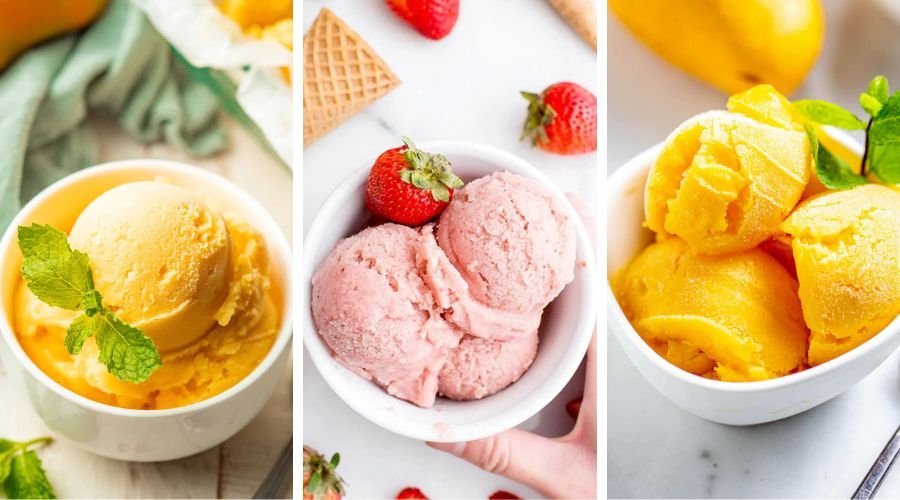
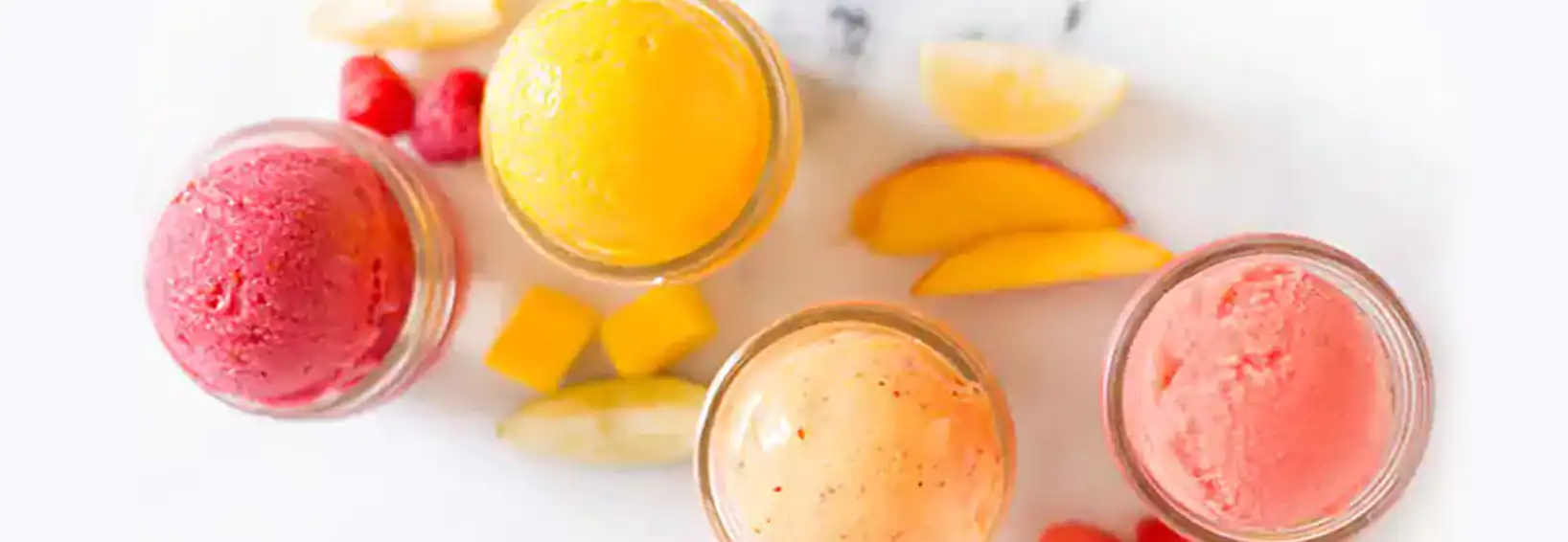
For sorbet, focus on fruit quality and balance. A simple strawberry sorbet can taste fresh and bright, while mango, raspberry, peach, and citrus offer very different textures and levels of acidity.
- ✦ Classic vanilla
A simple base that lets you focus on creamy texture and vanilla flavor.
- ✦ Chocolate
Cocoa powder or melted chocolate can create a rich frozen dessert.
- ✦ Strawberry
Works well in both dairy ice cream and fruit-based sorbet.
- ✦ Mango
Naturally rich fruit texture can make a smooth and flavorful sorbet.
- ✦ Lemon
A bright choice for a refreshing sorbet, especially after a rich meal.
- ✦ Coffee
Works well in creamy ice cream bases and pairs with chocolate or caramel.
Using Mix-Ins Correctly
Mix-ins should be small enough to eat comfortably when frozen. Large pieces of chocolate or fruit can become very hard in the freezer. Chopping them into small pieces often gives a better eating experience.
Wet mix-ins can also add extra water to the ice cream. Pat fruit dry or cook it down when the recipe calls for it. This can help prevent icy pockets around fruit pieces.
- ✦ Chop small
Small pieces spread more evenly through the finished ice cream.
- ✦ Control moisture
Extra water from fruit or sauces can create hard frozen spots.
Homemade Ice Cream & Sorbet Making Without an Ice Cream Maker
You can still enjoy Homemade Ice Cream & Sorbet Making if you do not own an ice cream machine. A no-churn ice cream method is often the simplest choice. For sorbet, a blender or food processor can help create a quick frozen fruit dessert.
One manual method is to pour a chilled base into a shallow freezer-safe pan. Freeze it until ice begins to form, then stir it well. Repeat this process during freezing to break up large crystals.
This approach requires more work and may not match the smooth texture of a good churned batch. Still, it is useful for learning how freezing affects texture and for making small batches.
- ✦ No-churn ice cream
Often uses whipped cream and sweetened condensed milk for a simple frozen dessert.
- ✦ Blended fruit dessert
Frozen fruit can be blended into a quick soft frozen treat.
- ✦ Manual freezing
Repeated stirring can reduce crystal size when no machine is available.
A Simple No-Churn Method
Whip cold heavy cream until it becomes thick but still smooth. Fold it gently into sweetened condensed milk and add vanilla or another flavor. Transfer the mixture to a freezer-safe container and freeze until firm.
This method is convenient, but its texture differs from churned ice cream. The amount of air and the high sugar content from condensed milk affect how the finished dessert freezes.
Storage, Serving, and Food Safety
Proper storage is an important part of Homemade Ice Cream & Sorbet Making. Store finished desserts in a clean, freezer-safe container with a tight lid. A shallow container can help the dessert freeze more evenly and make scooping easier.
Keep the freezer cold and avoid leaving ice cream or sorbet out for long periods. Repeated melting and refreezing can damage texture and can also create food safety concerns, especially for dairy-based desserts.
If a homemade dessert contains eggs or dairy, follow safe food handling practices during preparation. Keep perishable ingredients refrigerated and chill cooked bases promptly. When in doubt about food safety, discard food that has been held at unsafe temperatures for too long.
- ✦ Use a clean container
Choose a container made for freezer storage and keep it tightly covered.
- ✦ Limit air exposure
A tight seal helps reduce freezer burn and unwanted odors.
- ✦ Avoid repeated thawing
Repeated melting and refreezing can harm both texture and food quality.
- ✦ Handle eggs safely
Cook custard bases carefully and use proper refrigeration during cooling and storage.
How Long Does Homemade Ice Cream Last?
Homemade ice cream does not have one exact shelf-life number because recipes, storage conditions, and freezer temperatures vary. For the best quality, use it while the texture and flavor remain fresh rather than storing it for an extended period.
If the dessert develops strong freezer odors, major freezer burn, an unusual appearance, or other signs of spoilage, do not taste it to test whether it is safe. When food safety is uncertain, throwing it away is the safer choice.
Best Way to Serve Homemade Ice Cream
Very cold ice cream can become hard straight from the freezer. Let it soften briefly before scooping. A warm, sturdy scoop can also make portioning easier.
Sorbet often benefits from a short softening period too. Serve it cold and return the container to the freezer soon after serving.
Common Homemade Ice Cream & Sorbet Making Problems
Most problems in Homemade Ice Cream & Sorbet Making have a clear cause. The dessert may be too hard, too soft, icy, greasy, weak in flavor, or difficult to scoop. Instead of changing many things at once, identify the main problem and adjust one part of the process.
Temperature is often the first thing to check. A warm base, warm machine bowl, or unstable freezer can make a good recipe perform poorly. Recipe balance comes next, especially the amount of sugar and water.
Keep notes when you test recipes. Write down the fruit, sugar, dairy, chilling time, churning time, and final texture. Small records make it much easier to improve the next batch.
- ✦ Too icy
Check for excess water, low sugar, slow freezing, or repeated thawing.
- ✦ Too hard
The base may have too much water or too little sugar, or the freezer may be very cold.
- ✦ Too soft
The recipe may contain too much sugar, alcohol, or another ingredient that lowers the freezing point.
- ✦ Weak flavor
Use stronger ingredients and remember that cold temperatures reduce perceived sweetness and aroma.
- ✦ Grainy texture
Sugar crystals, poorly handled ingredients, or certain dairy changes can create a grainy mouthfeel.
- ✦ Large frozen mix-ins
Chop solid additions into smaller pieces and add them near the end of churning.
A Simple Troubleshooting Checklist
Start with the recipe. Ask whether the sugar, water, dairy, and fruit are close to the intended amounts. Then check the temperature of the base and the machine.
Next, look at the freezing process. A slow freeze can create larger crystals, while repeated temperature changes can make texture worse. These simple checks solve many common problems.
- ✦ Check the recipe
Confirm that ingredients were measured accurately.
- ✦ Check the temperature
Make sure the base and required machine parts were properly chilled.
- ✦ Check the freezer
Use a stable freezer and avoid frequent temperature changes.
- ✦ Change one thing
Adjust one variable at a time so you can learn what improves the result.
Tips for Better Homemade Ice Cream & Sorbet Making
The most useful Homemade Ice Cream & Sorbet Making tips are often simple. Measure carefully, chill the base, use good ingredients, and avoid rushing the freezing step. These habits matter more than buying expensive equipment.
Taste the mixture before freezing. This is especially important for sorbet because fruit sweetness and acidity vary. If the base tastes dull before freezing, the finished dessert will not suddenly become more flavorful in the freezer.
Also give yourself room to experiment. Once you understand what sugar, water, fat, fruit solids, and temperature do, you can create your own combinations with much more confidence.
- ✦ Measure by weight when possible
A kitchen scale can give more consistent results than volume measures, especially for sugar and fruit.
- ✦ Chill everything that should be cold
Cold ingredients and equipment can help the mixture freeze faster.
- ✦ Taste before freezing
Check sweetness, acidity, and flavor while the base is still liquid.
- ✦ Do not overload the machine
Follow the machine’s capacity and leave enough room for churning.
- ✦ Keep a recipe log
Record changes so you can repeat successful batches and fix weak ones.
- ✦ Use quality ingredients
Fresh fruit, good vanilla, quality cocoa, and fresh dairy can make a noticeable difference.