Blender Types & Size Comparisons: Complete Guide to Choosing the Right Blender Size and Style
Blender Types & Size Comparisons help shoppers choose a machine that fits their kitchen, lifestyle, and cooking habits. In U.S. homes, the most common choices include compact personal models for quick drinks, countertop models for family meals, and immersion models for flexible cooking.
After comparing many blender styles and sizes, one lesson stands out: the largest blender is not always the best blender. A good match between container size, motor strength, and daily use creates better results and less kitchen clutter.
Understanding Different Blender Types and Their Main Uses
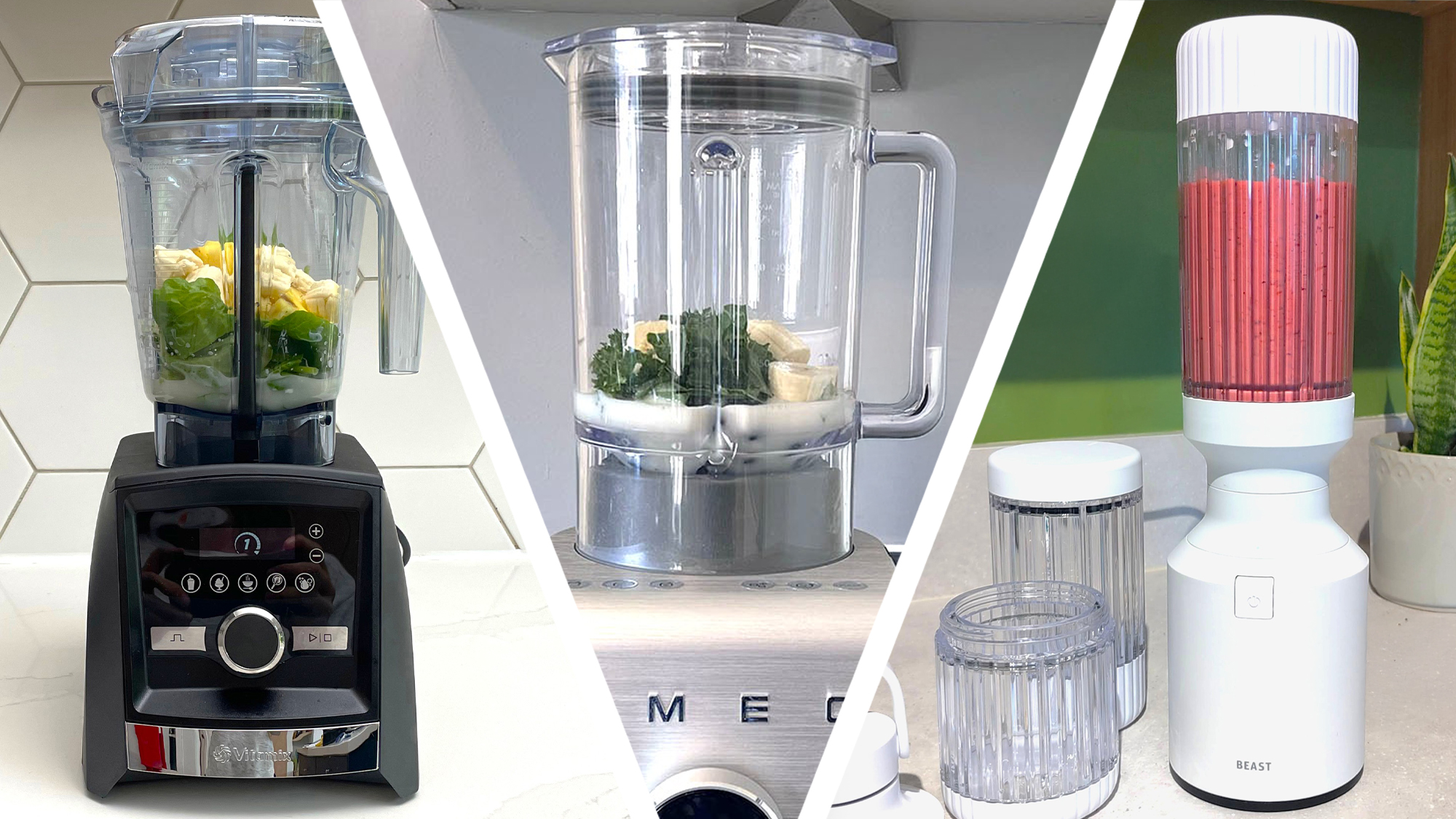
Blender Types & Size Comparisons start with understanding the major blender categories. Each type has a different design goal, from quick personal drinks to heavy food preparation.
The best choice depends on your routine. Someone making a daily smoothie needs a different blender than someone preparing soups, sauces, or restaurant-style recipes.

- ✦ Countertop blenders
These are full-size kitchen blenders with strong motors and larger jars. They work well for smoothies, soups, frozen drinks, and family recipes.
- ✦ Personal blenders
These compact models use smaller cups and are designed for one or two servings. They save space and are easy to clean.
- ✦ Immersion blenders
These handheld tools blend directly inside pots, bowls, or containers. They are useful for soups, sauces, and small tasks.
Specialty and Commercial Blender Options
Commercial blenders are built for frequent use and larger batches. They often have stronger motors, durable parts, and bigger containers than home models.
- ✦ High-volume blending
Commercial machines are useful for cafes, restaurants, and users who prepare many servings.
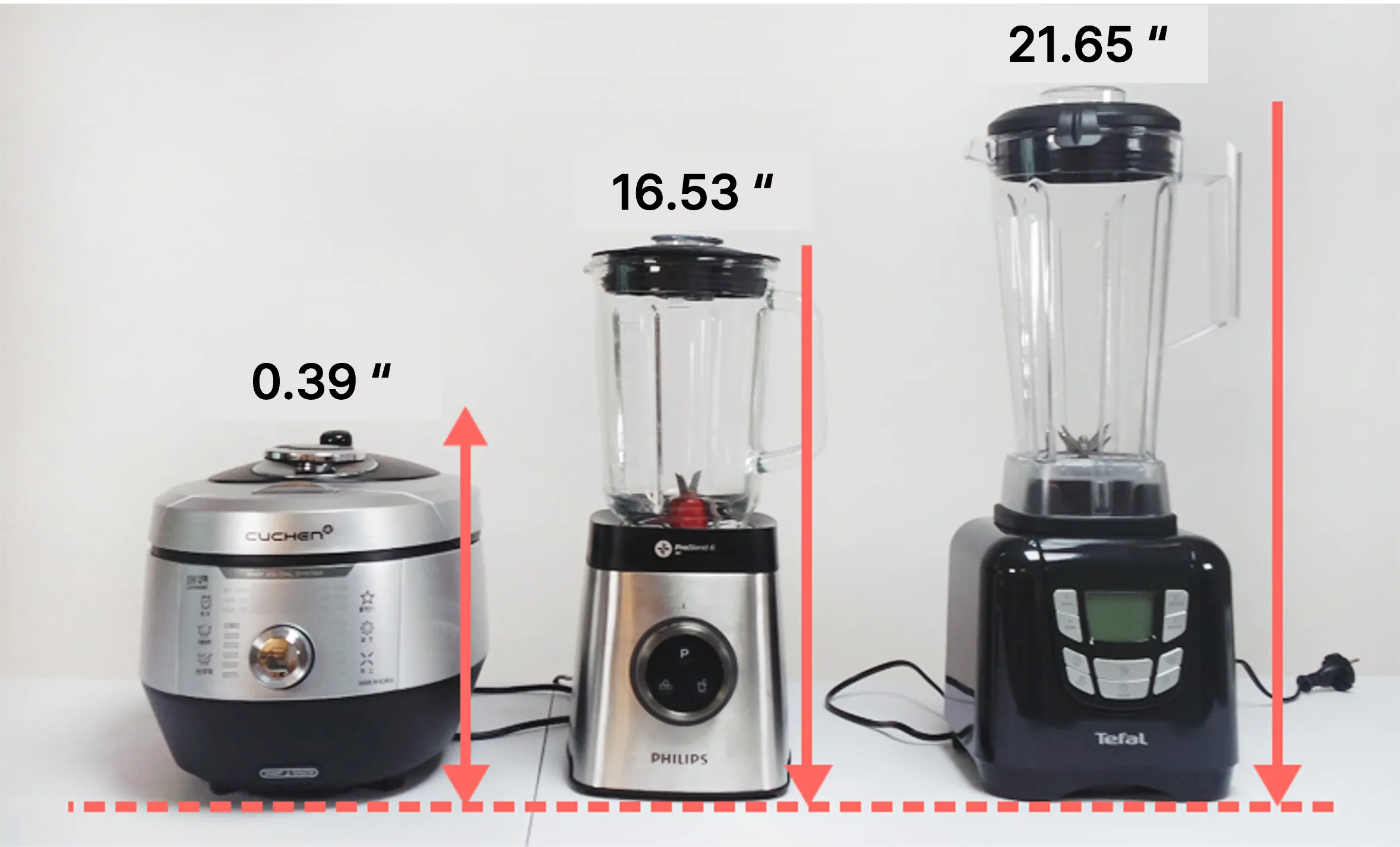
Blender Size Comparisons: Capacity, Height, and Storage Needs
Blender size affects how much food you can prepare and how easily the appliance fits in your kitchen. A small apartment kitchen may benefit from a compact blender, while a large household may need a bigger jar.
Blender Types & Size Comparisons should include container volume, countertop height, and storage space. These details matter because a powerful blender that does not fit your cabinet can become inconvenient.

- ✦ Small blender sizes
Personal blenders usually have cups around single-serving capacity and work well for quick drinks.
- ✦ Medium blender sizes
Standard countertop blenders commonly handle everyday family recipes.
- ✦ Large blender sizes
Large-capacity models support bigger batches but require more storage room.
Counter Space and Cabinet Fit
Measure your kitchen space before buying. Height, jar width, and lid design can affect whether a blender fits under cabinets.
- ✦ Measure first
Check available counter and storage space to avoid size problems later.
Personal Blender vs Countertop Blender Comparison
Personal and countertop blenders are two of the most popular options for U.S. consumers. The difference is mainly about convenience versus capacity.
A personal blender is ideal for quick morning smoothies, while a countertop blender offers more power for demanding recipes like nut butter or crushed ice drinks.
- ✦ Choose a personal blender when
You need portability, simple cleaning, and single servings.
- ✦ Choose a countertop blender when
You prepare meals for several people or need stronger blending performance.
Power and Performance Differences
Motor strength often increases with blender size, but design quality also matters. Blade shape, jar design, and controls influence blending results.
- ✦ Balanced performance
A well-designed medium blender can outperform a larger low-quality model.
How Blender Capacity Matches Different Cooking Needs
Blender capacity should match your typical recipes. Buying a very large jar for occasional use may waste space, while a tiny jar may slow down meal preparation.
Blender Types & Size Comparisons become easier when you think about servings instead of only measurements. Consider how many people you usually cook for.

- ✦ Single users
Compact models are often enough for smoothies, shakes, and small sauces.
- ✦ Families
Medium or large countertop blenders reduce the need for multiple batches.
- ✦ Meal preparation
Larger containers help with soups, dips, and prepared ingredients.
Blender Jar Materials and Weight
Jar material affects weight, durability, and cleaning. Glass jars are sturdy but heavier, while plastic jars are lighter and easier to handle.
- ✦ Material choice
Select jar materials based on durability, weight, and daily handling preferences.
Choosing the Right Blender Size for Your Lifestyle
The best Blender Types & Size Comparisons approach is to connect features with real habits. A busy professional may value speed, while a home cook may need versatility.
Think about your most common recipes before looking at extra features. The right blender should make daily tasks easier, not add complexity.
- ✦ For smoothies
Look for strong blending power and a convenient cup or jar size.
- ✦ For cooking
Choose a model that handles soups, sauces, and ingredients you use often.
- ✦ For small kitchens
Compact designs save valuable counter and cabinet space.
Common Buying Mistakes to Avoid
Many buyers focus only on motor power and ignore size. A blender should fit your space, recipes, and cleaning routine.
- ✦ Avoid oversized choices
Large machines can be unnecessary if you mostly make small portions.