Kitchen Knife Sharpening & Honing Techniques: A Complete Guide to Keeping Blades Sharp
Kitchen Knife Sharpening & Honing Techniques help home cooks and professionals keep blades ready for daily food preparation. A sharp chef knife makes slicing vegetables, trimming meat, and preparing meals smoother and more precise.
After years of working with kitchen tools, I have learned that most knife problems come from poor maintenance rather than poor knife quality. A simple routine with the right method can protect your investment and improve cooking comfort.
:max_bytes(150000):strip_icc()/how-to-sharpen-knife-with-whetstone-995817_FINAL-5c3facdec9e77c00019976bf.png "How to Sharpen and Hone Kitchen Knives Like a Pro")
Understanding the difference Between Sharpening and Honing
Many people use the words sharpening and honing as if they mean the same thing. Kitchen Knife Sharpening & Honing Techniques require knowing the difference because each process solves a different problem.
Honing straightens the tiny edge of a blade. Sharpening removes a small amount of metal to create a new cutting edge.
- ✦ Honing
A honing rod realigns the blade edge and helps a knife perform better between sharpening sessions.
- ✦ Sharpening
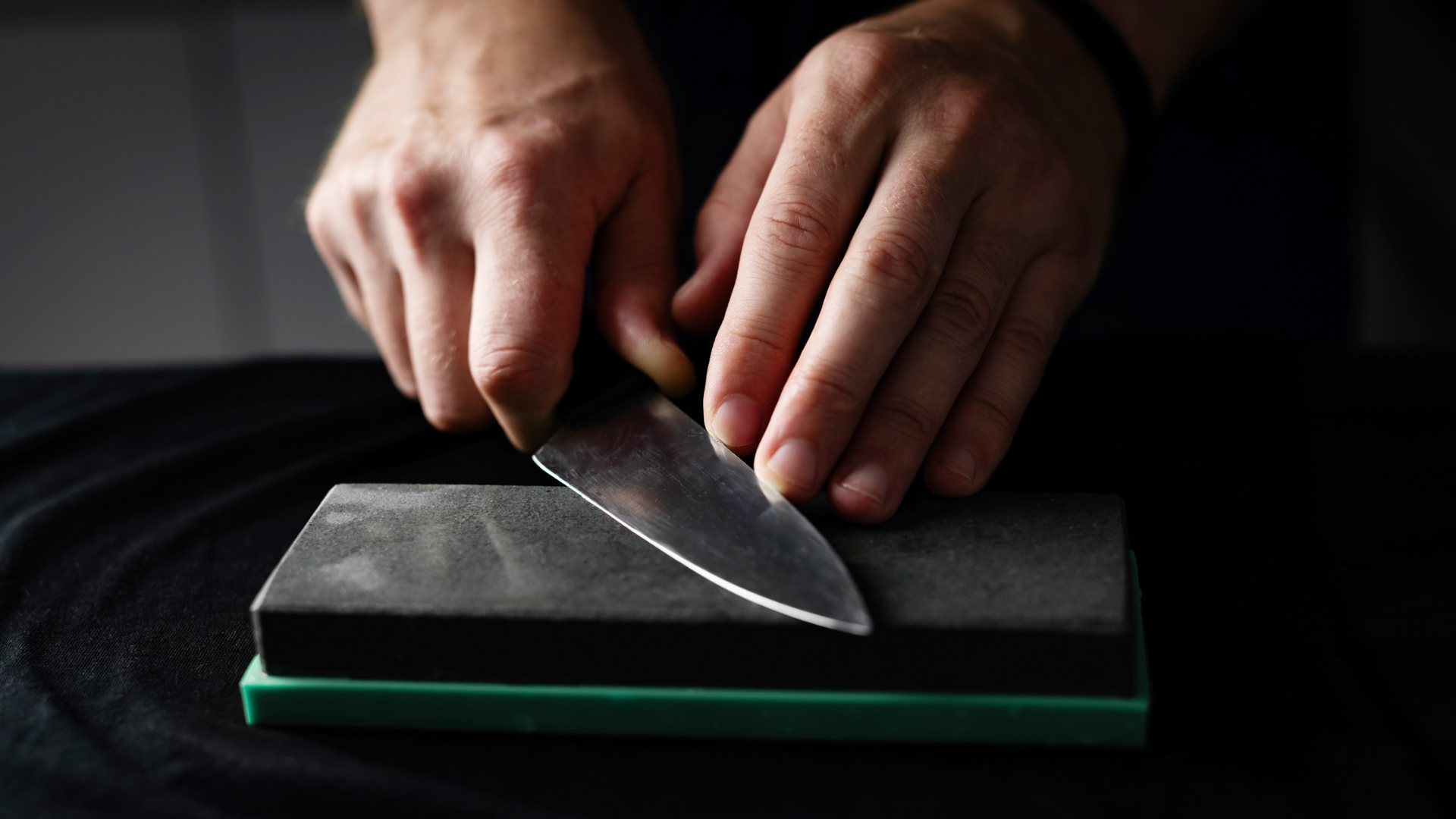
A whetstone, electric sharpener, or professional service restores a dull blade by reshaping the edge.
Why Both Methods Matter
A balanced knife care routine uses both methods. Regular honing keeps the edge aligned, while occasional sharpening brings back cutting power.
- ✦ Better control
A maintained blade moves through food with less pressure and fewer slips.
Essential Tools for Kitchen Knife Sharpening & Honing Techniques
Choosing the right tool makes knife care easier. Different tools suit different skill levels, budgets, and kitchen needs.
For many American home cooks, a quality honing rod and a medium grit whetstone provide a strong foundation for regular maintenance.

- ✦ Whetstone
A whetstone gives precise control and is widely used by cooks who want a refined edge.
- ✦ Honing rod
A honing rod is useful for quick edge alignment before cooking.
- ✦ Electric sharpener
Electric models offer convenience but require careful use to avoid removing excess metal.
How to Sharpen a Kitchen Knife With a Whetstone
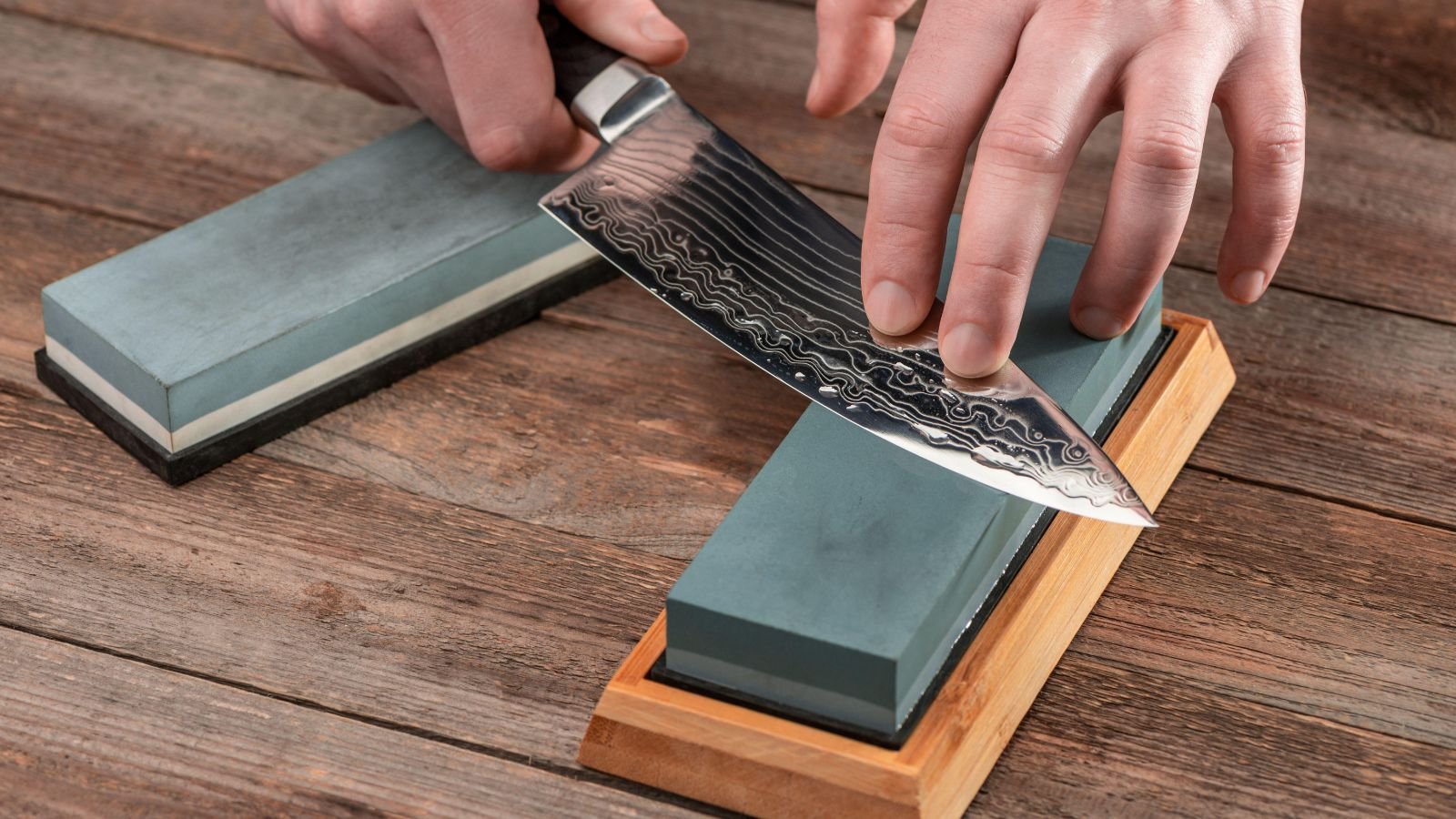
A whetstone is one of the most trusted methods for Kitchen Knife Sharpening & Honing Techniques. It allows you to control the angle and pressure during the process.
Start with a clean stone, steady hands, and a clear workspace. Beginners should focus on slow movements instead of speed.

- ✦ Soak or prepare the stone
Follow the stone maker’s instructions before use because some stones need water while others do not.
- ✦ Maintain the angle
Hold the blade at a consistent angle and move it across the stone in smooth strokes.
- ✦ Check the edge
Test sharpness carefully with paper or food preparation rather than touching the blade.
Common Whetstone Mistakes
Too much pressure can damage the edge. Uneven movements can create an inconsistent blade shape.
- ✦ Avoid rushing
Slow and controlled strokes usually produce better results.
Using a Honing Rod Correctly
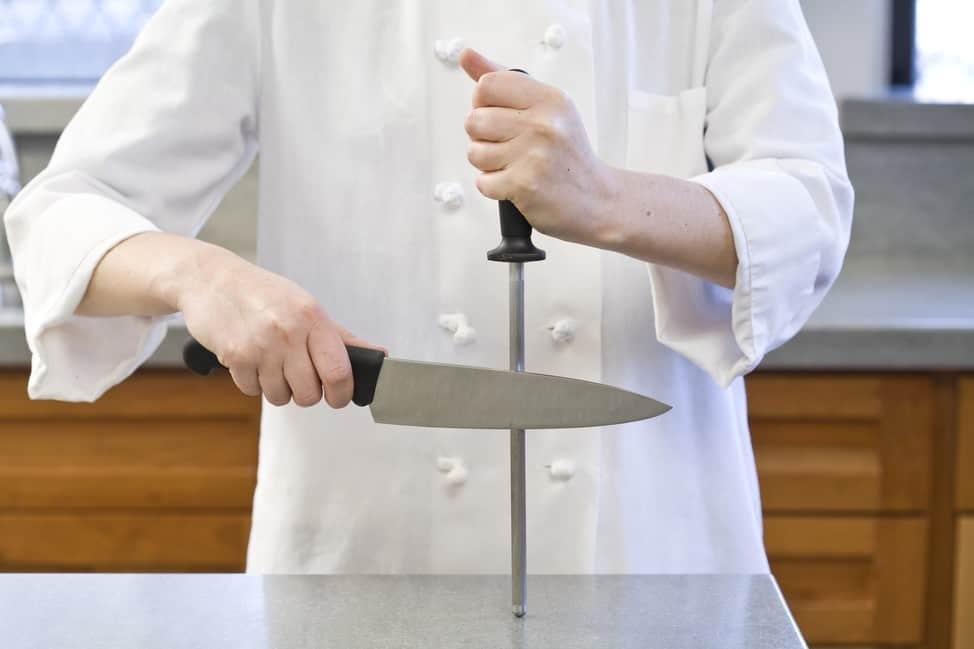
A honing rod is a simple tool, but technique matters. Kitchen Knife Sharpening & Honing Techniques include proper rod use because incorrect angles can weaken the edge.
Hold the rod firmly and guide the knife with controlled strokes. The goal is alignment, not grinding away metal.
- ✦ Use light pressure
Gentle contact protects the blade while improving edge alignment.
- ✦ Practice consistency
Keep the same angle on both sides of the knife for balanced performance.
Knife Angles, Safety, and Maintenance Tips
The correct angle depends on the knife style and intended use. Western chef knives often use wider edges, while many Japanese knives use narrower angles.
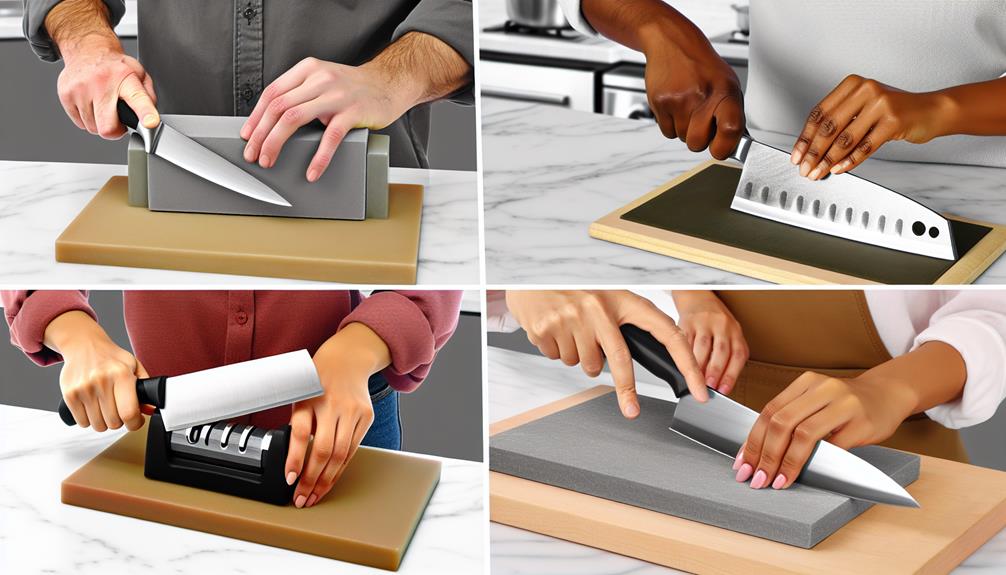
Safe Kitchen Knife Sharpening & Honing Techniques always include stable surfaces, careful handling, and proper storage after maintenance.
- ✦ Use a stable surface
Keep sharpening tools secure to prevent slips.
- ✦ Store knives safely
Use knife blocks, magnetic strips, or blade guards to protect edges.
- ✦ Clean after use
Dry knives fully to reduce corrosion and maintain performance.
Signs Your Knife Needs Sharpening
A dull knife may crush tomatoes, slide on food surfaces, or require extra force during cutting.
- ✦ Poor cutting ability
Difficulty slicing common foods is a clear sign that the edge needs attention.