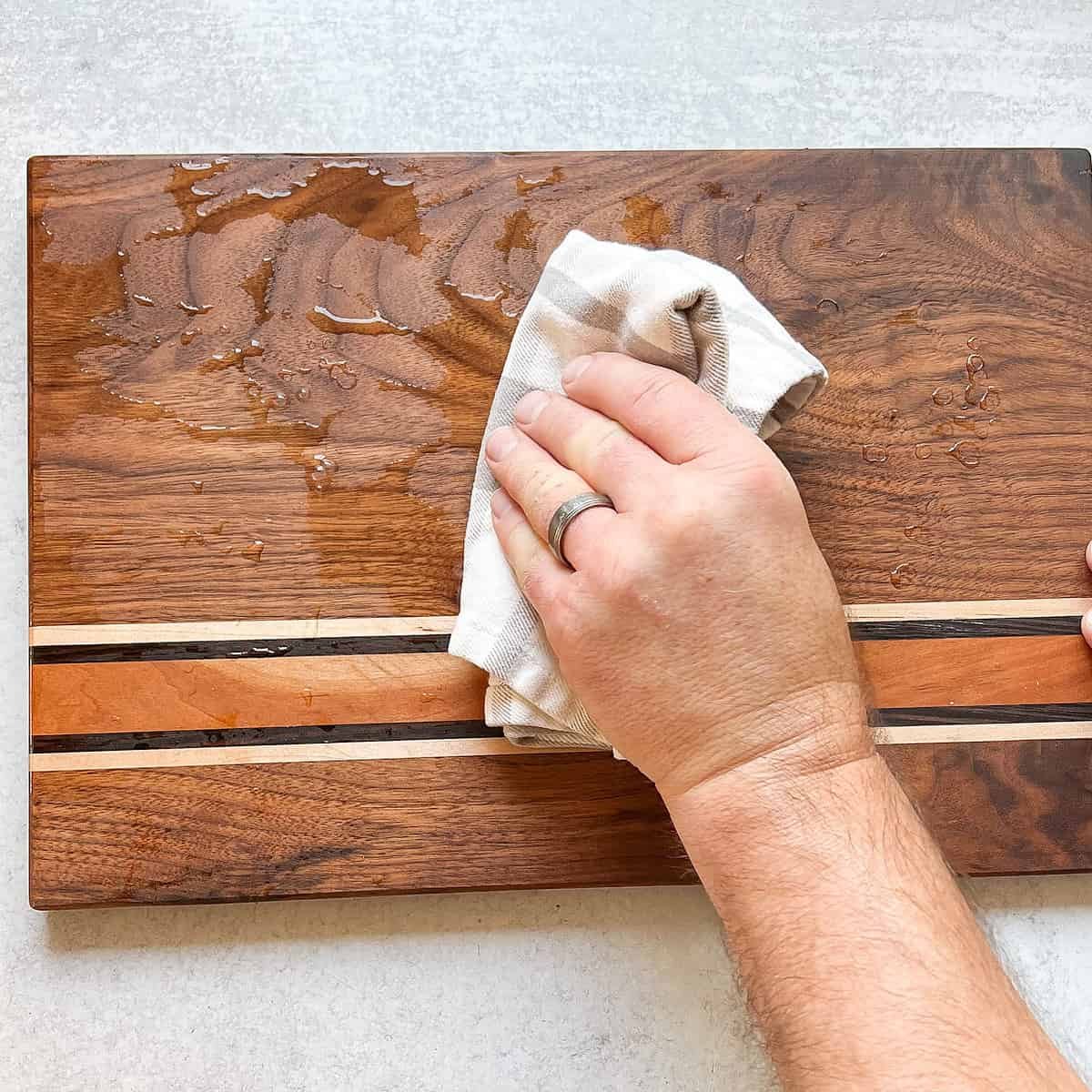
Cutting Board Maintenance & Conditioning: Complete Care Guide for Long-Lasting Boards
A cutting board is one of the hardest-working tools in an American kitchen. It handles daily tasks like slicing vegetables, preparing meals, and carving cooked foods. Good Cutting Board Maintenance & conditioning keeps this essential surface strong, clean, and ready for years of use.
After years of working with kitchen tools, I have learned that small care habits create the biggest difference. A few minutes of washing, drying, and conditioning can prevent many common problems such as warping, cracks, and rough surfaces.
Why Cutting Board Maintenance & Conditioning Matters
Cutting Board Maintenance & Conditioning helps preserve the strength and appearance of your board. Repeated exposure to water, knives, and food ingredients slowly affects the surface.
Wood boards can dry out and split without proper care. Plastic and composite boards also benefit from regular cleaning because knife marks can trap food particles over time.
- ✦ Protects the board surface
Regular conditioning keeps wood fibers flexible and reduces dryness that may lead to cracks.
- ✦ Improves kitchen hygiene
Proper cleaning removes food residue and helps maintain a safer preparation area.
- ✦ Extends board life
Consistent care helps you avoid replacing boards too often.
Common Signs Your Cutting Board Needs Care
A dry appearance, rough texture, deep knife marks, or visible cracks are signs that your board needs attention. These issues often appear slowly, so regular checks are useful.
- ✦ Dry wood
A faded or pale surface often means the board needs food-safe mineral oil.
- ✦ Small cracks
Early conditioning can help reduce further drying damage.
Daily Cleaning Steps for Cutting Boards
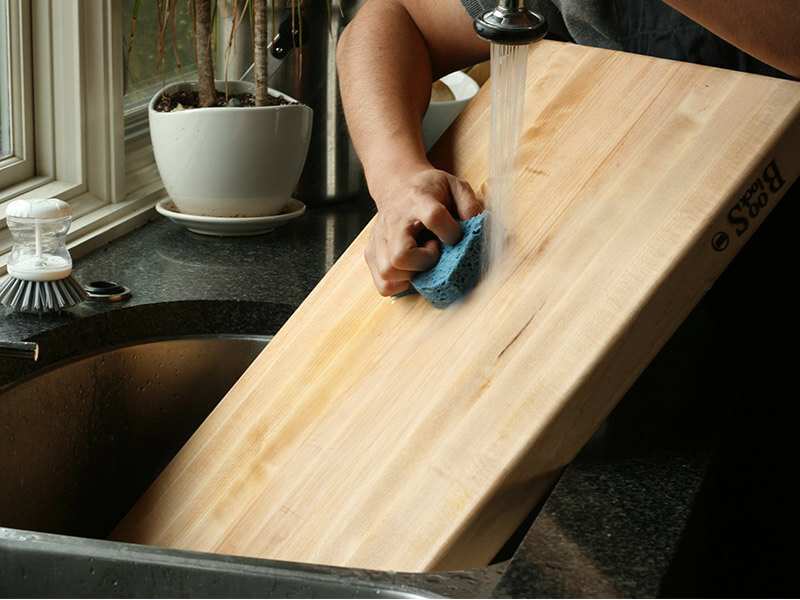
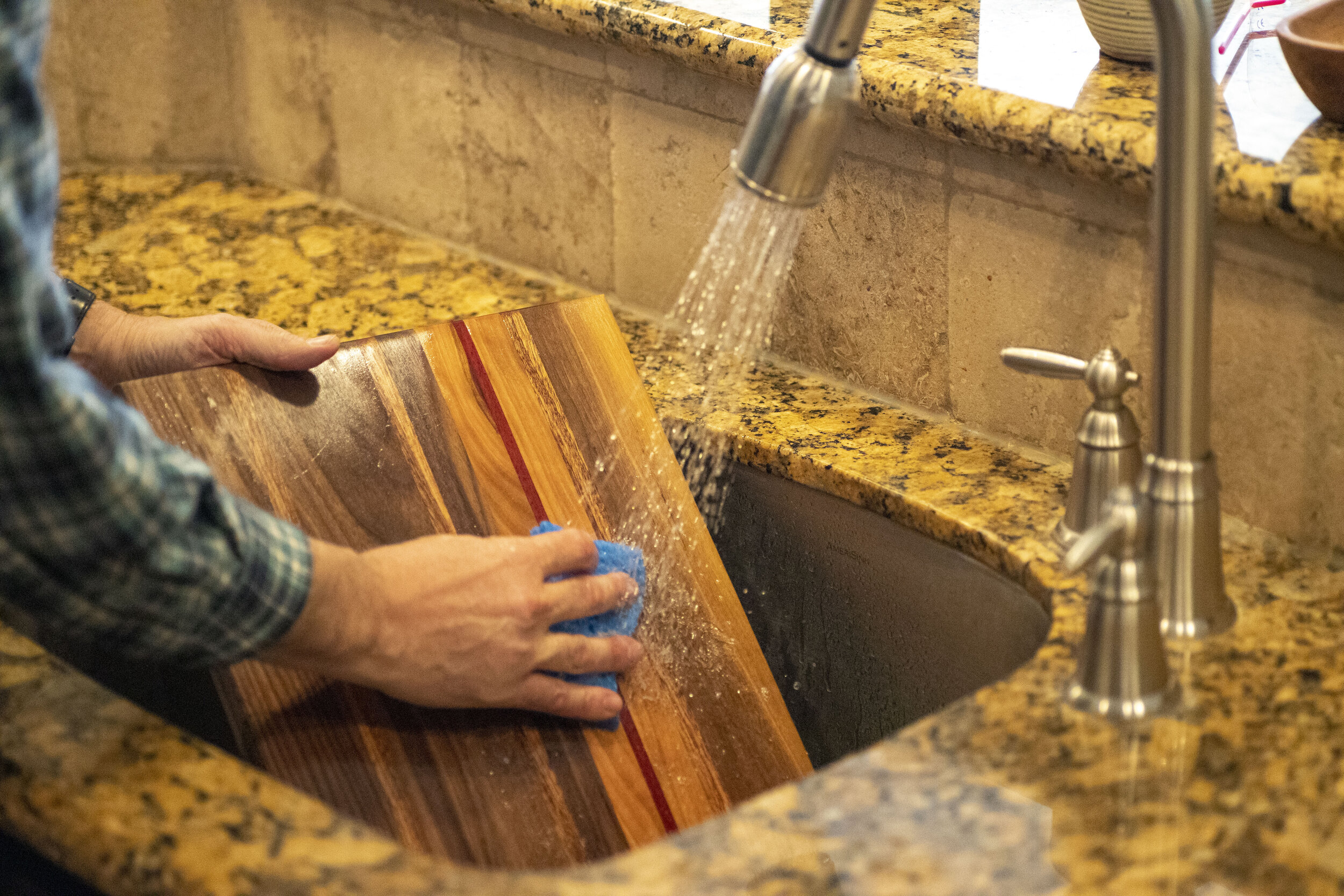
Daily cleaning is the foundation of Cutting Board Maintenance & Conditioning. The goal is to remove food residue without damaging the board material.
For most home kitchens, warm water, mild dish soap, and a soft scrub brush are enough. Avoid soaking wooden boards because excess water can cause swelling and warping.
- ✦ Wash immediately
Clean the board soon after use to prevent stains and odors.
- ✦ Dry completely
Stand the board upright or place it in a well-ventilated area until fully dry.
- ✦ Avoid harsh chemicals
Strong cleaners may damage wood surfaces and leave unwanted residues.
Cleaning Wood, Plastic, and Composite Boards
Wood boards need gentle washing and careful drying. Plastic boards can usually handle stronger cleaning routines, while composite boards require following manufacturer instructions.
The best method depends on the material, but every board benefits from quick cleaning after each use.
- ✦ Wood boards
Use mild soap, avoid soaking, and condition when dry.
- ✦ Plastic boards
Wash thoroughly and inspect knife grooves regularly.
How to Oil and Condition a Wooden Cutting Board
Oiling is one of the most important parts of Cutting Board Maintenance & Conditioning. Food-safe mineral oil helps replace moisture lost during washing and daily use.
A good conditioning routine keeps the wood smoother and helps reduce cracking. Many home cooks apply oil when the board looks dry or every few weeks during heavy use.
- ✦ Choose food-safe oil
Use products made for kitchen surfaces, such as food-grade mineral oil.
- ✦ Apply evenly
Spread oil across the top, bottom, and edges of the board.
- ✦ Allow absorption time
Let the oil soak in before wiping away extra product.
Using Cutting Board Conditioner
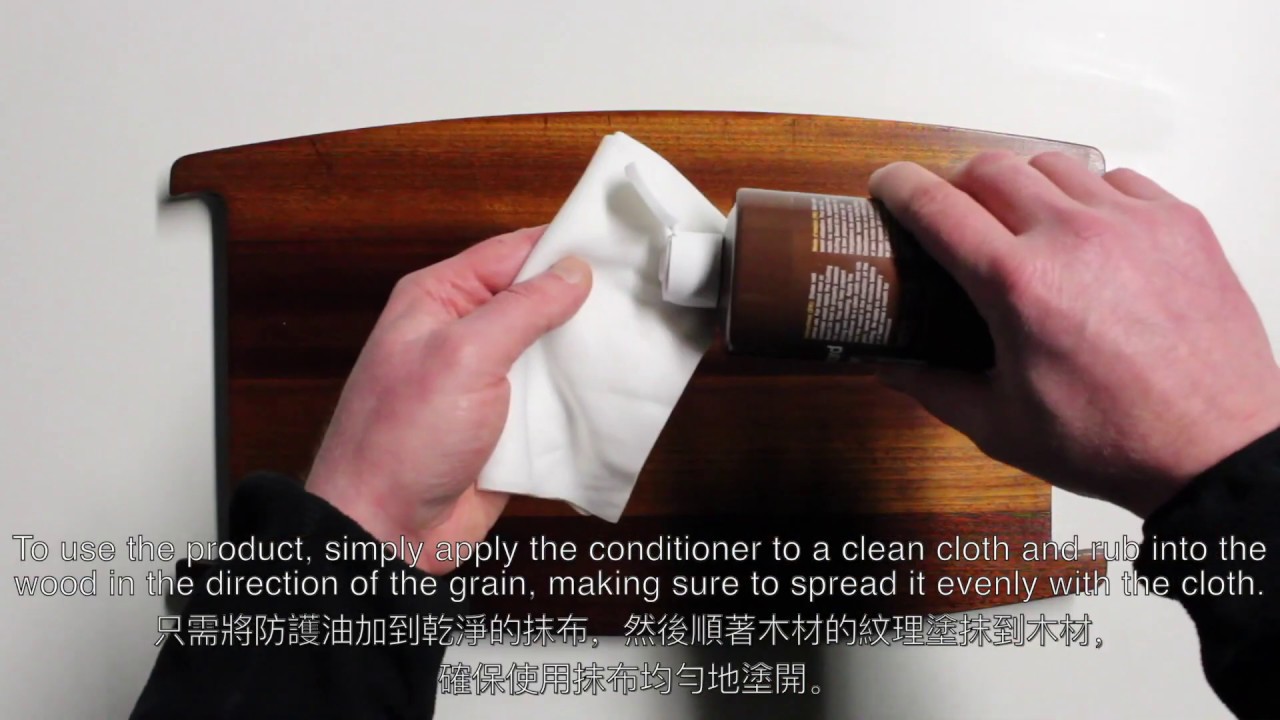
A board conditioner usually combines oil with wax to create a protective layer. This helps slow moisture loss and gives wood a smoother feel.
Conditioner works best after oiling because it seals and supports the hydrated wood surface.
- ✦ Apply after cleaning
Use conditioner only on a clean and dry board.
Best Practices for Preventing Cutting Board Damage
Preventive care is easier than repairing damage. Good Cutting Board Maintenance & Conditioning habits protect your board before problems appear.
Many damaged boards result from simple mistakes, such as leaving them wet, storing them flat while damp, or using unsuitable cleaning products.
:max_bytes(150000):strip_icc()/__opt__aboutcom__coeus__resources__content_migration__serious_eats__seriouseats.com__images__2015__09__20150824-wooden-cutting-board-how-to-maintain-composite-kenji-8-5239b1c5d724431ea72e66fd4939bb1d.jpg "How to Season and Maintain a Wooden Cutting Board")
- ✦ Keep boards dry
Moisture is one of the biggest causes of warping and splitting.
- ✦ Use both sides
Rotating sides can help distribute knife wear more evenly.
- ✦ Store properly
Keep boards upright when possible to improve airflow.
Knife Care and Cutting Board Care Connection
A quality cutting board also protects your knives. Softer wood surfaces can reduce unnecessary edge damage compared with very hard surfaces.
Maintaining both your knives and boards creates a smoother cooking experience.
How Often Should You Perform Cutting Board Maintenance & Conditioning
The ideal schedule depends on how often you cook and the type of board you own. A professional kitchen may need frequent care, while a home cook may need a simpler routine.
Regular inspection is more important than following one strict schedule. If the board looks dry, feels rough, or absorbs water quickly, it likely needs conditioning.

- ✦ Daily
Wash, dry, and remove food particles after every use.
- ✦ Monthly
Check wood boards and apply oil when needed.
- ✦ Seasonally
Deep clean and refresh heavily used boards.
When to Replace a Cutting Board
A board should be replaced when it develops deep cracks, severe warping, or damage that cannot be cleaned properly.
Proper Cutting Board Maintenance & Conditioning can delay replacement, but no board lasts forever.
- ✦ Deep damage
Large splits and damaged areas may collect unwanted residue.
Mistakes to Avoid During Cutting Board Maintenance & Conditioning
Avoiding common mistakes helps your board stay useful and attractive. Simple changes often create major improvements.
Many kitchen problems happen because boards receive too much water, too little conditioning, or improper storage.

- ✦ Do not put wood boards in the dishwasher
High heat and long water exposure can cause serious damage.
- ✦ Do not use cooking oils
Vegetable oils can become sticky and develop unpleasant odors.
- ✦ Do not ignore knife marks
Deep grooves may require sanding or board replacement.