Cutting Board Cleaning & Sanitizing: Complete Guide to Safe Kitchen Hygiene
Cutting Board cleaning & Sanitizing is a simple kitchen habit that protects your food and your family. A cutting board touches raw meat, vegetables, fruits, and ready-to-eat foods every day, so it needs proper care after each use.
In my experience reviewing kitchen care routines, many people clean visible stains but miss deeper hygiene steps. A board can look clean while still holding food particles inside scratches and small cuts.
This guide explains practical Cutting Board Cleaning & Sanitizing methods for American homes, including wood boards, plastic boards, natural cleaners, and stronger sanitation steps.
Why Cutting Board Cleaning & Sanitizing Matters
Cutting boards collect moisture, food pieces, and natural oils during cooking. Without regular cleaning, these leftovers can create bad smells and make the board harder to maintain.
The goal of Cutting Board Cleaning & Sanitizing is not only removing dirt. It is also reducing harmful germs and preventing cross contamination between raw foods and meals that are ready to eat.
- ✦ Prevent cross contamination
Separate boards for raw meat and fresh foods can help lower the chance of spreading unwanted bacteria.
- ✦ Protect food quality
A clean board prevents old food odors and flavors from affecting new ingredients.
How to Clean a Cutting Board After Every Use
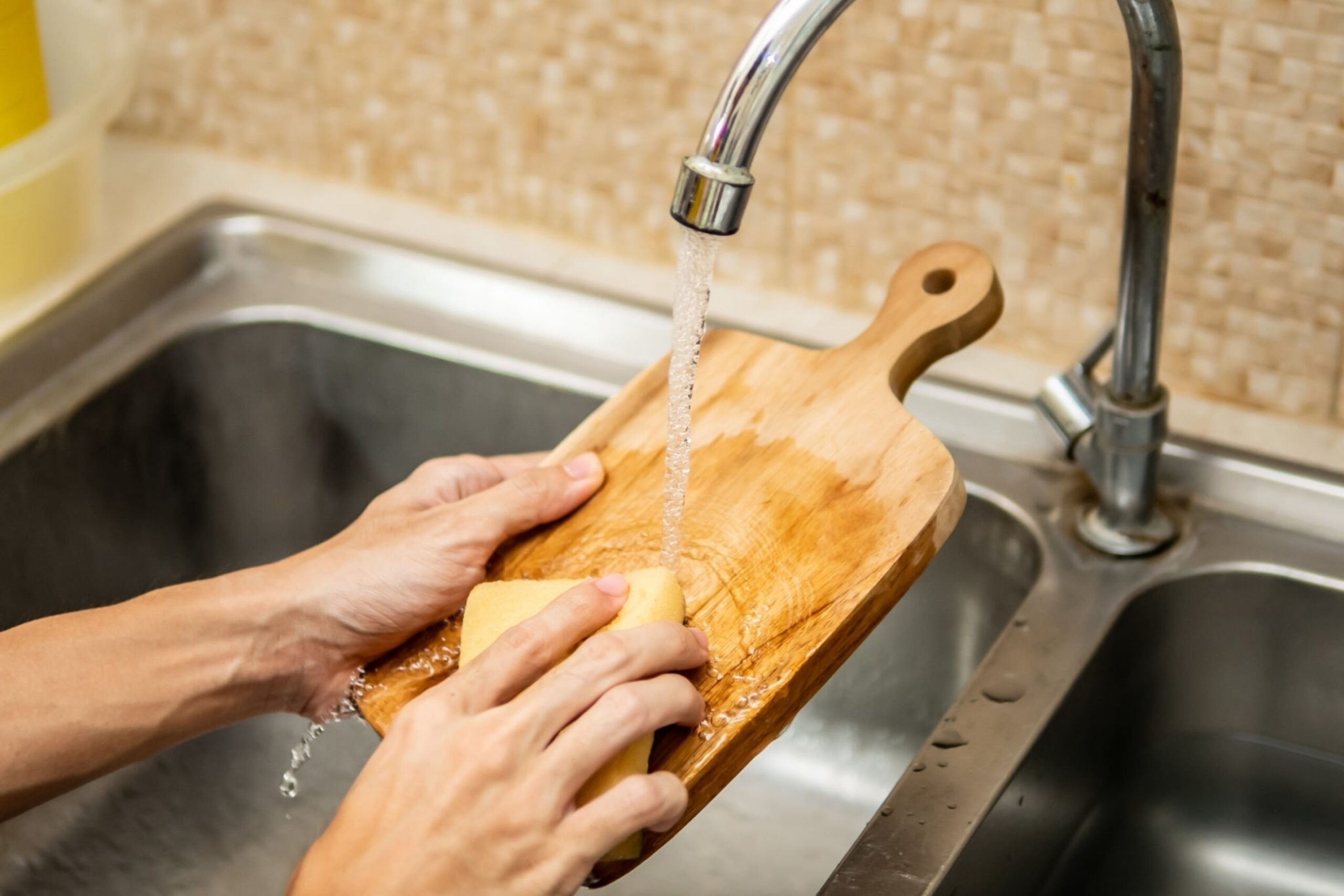
Daily Cutting Board Cleaning & Sanitizing starts with immediate washing after food preparation. Do not let food residue sit for hours because it can dry and become harder to remove.
Use hot water, dish soap, and a clean scrub brush. Wash both sides of the board, even if only one side touched food.
- ✦ Step 1: Remove food debris
Scrape away crumbs, meat pieces, and leftover ingredients before washing.
- ✦ Step 2: Wash with soap
Scrub the surface with warm water and dish soap to remove oils and residue.
- ✦ Step 3: Air dry completely
Stand the board upright so air can reach both sides and prevent trapped moisture.
How to Sanitize Wooden Cutting Boards
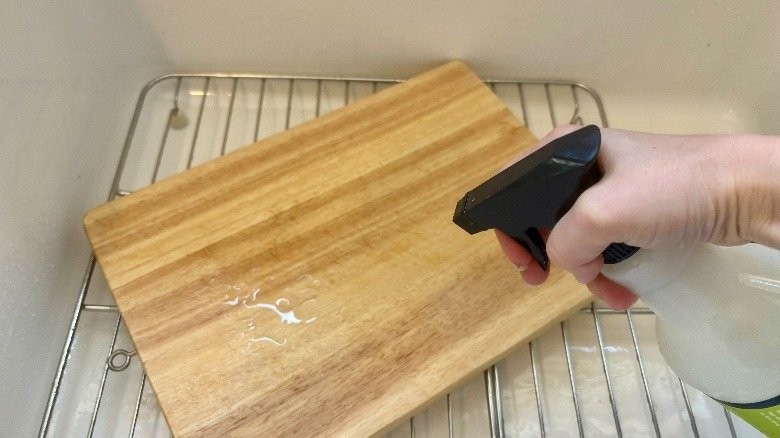
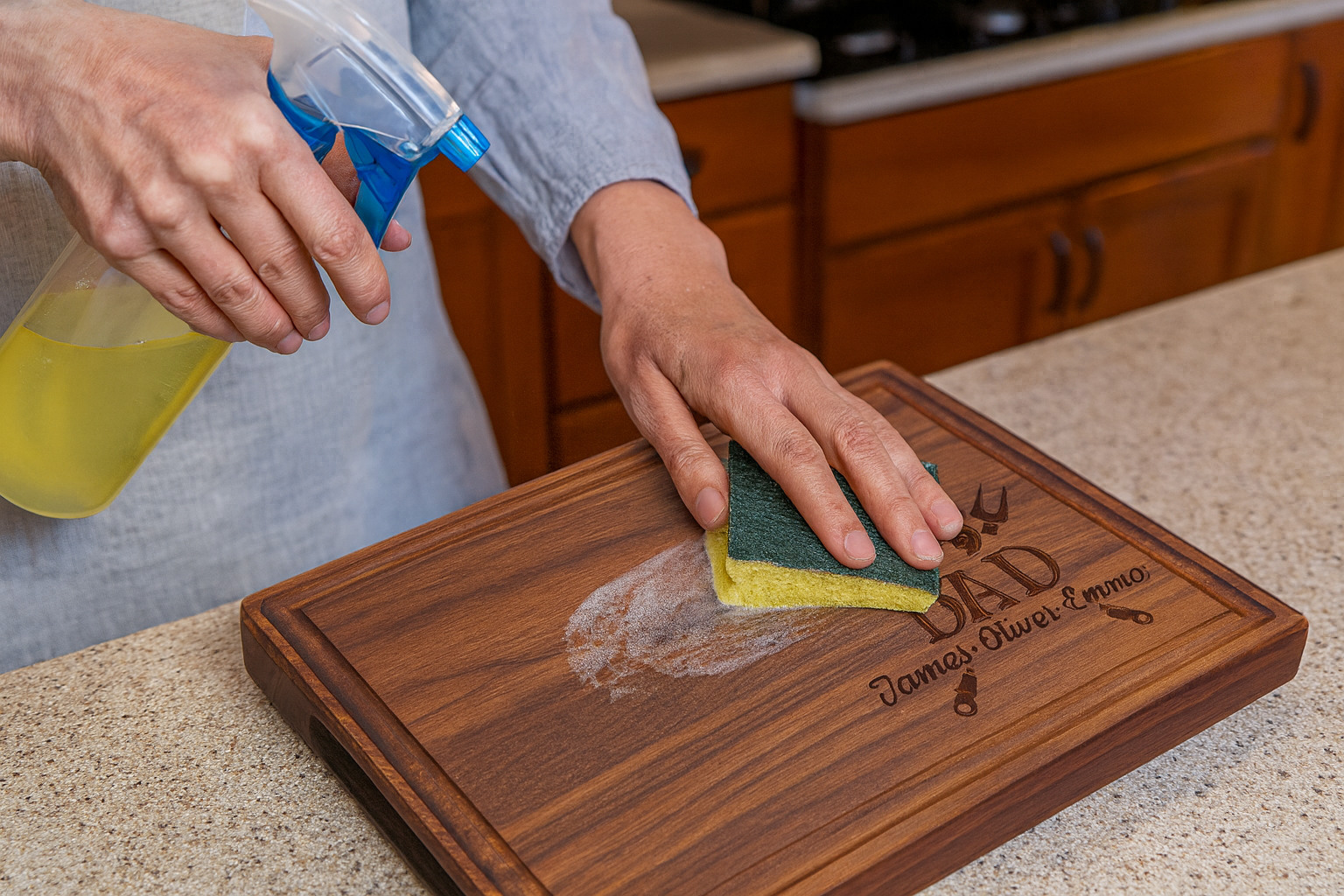
Wood cutting boards need gentle care because harsh cleaning methods may damage the natural fibers. Good Cutting Board Cleaning & Sanitizing keeps the surface fresh while protecting the wood.
After washing, many home cooks use food-safe sanitizing methods and apply board oil when needed. This helps reduce cracking and keeps the board smooth.
- ✦ Use mild cleaning products
Avoid soaking wooden boards for long periods because excess water can cause swelling and warping.
- ✦ Maintain the wood
Food-safe mineral oil can help protect the surface from drying out.
Deep Cleaning a Wooden Board
For deeper Cleaning Board Cleaning & Sanitizing routines, remove stains with gentle scrubbing and follow with proper sanitizing. Always allow the board to dry fully before storage.
- ✦ Avoid dishwasher use
High heat and long water exposure may damage wooden boards.
How to Clean and Sanitize Plastic Cutting Boards
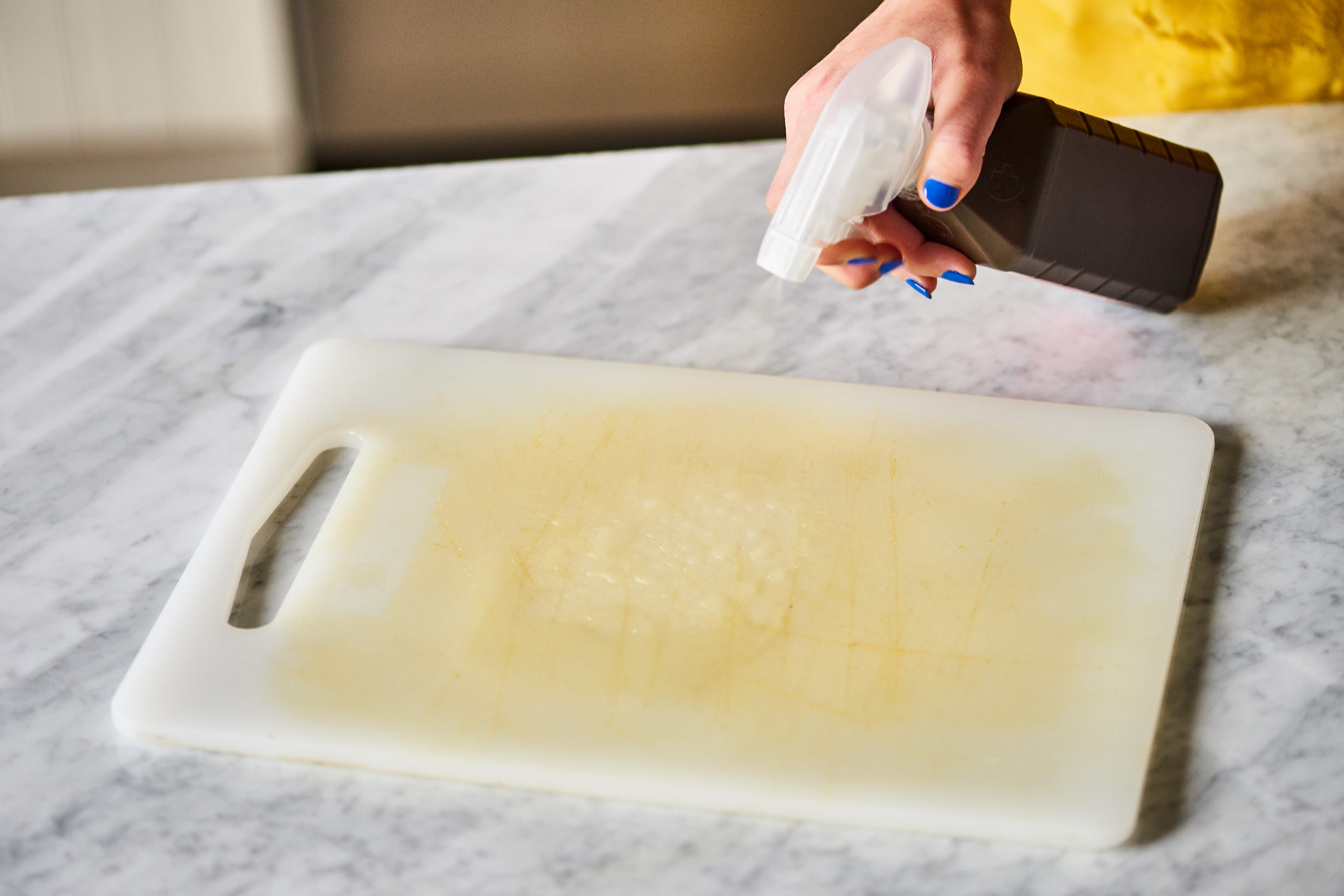
Plastic cutting boards are common in many U.S. kitchens because they are easy to wash and maintain. However, knife marks can collect food particles over time.
Effective Cutting Board Cleaning & Sanitizing for plastic boards includes deep scrubbing and regular inspection for damage.
- ✦ Check for deep grooves
Replace plastic boards when cuts become deep and difficult to clean.
- ✦ Use separate boards
Many cooks keep different boards for meat, seafood, and produce.
Natural Ways to Remove Odors and Stains
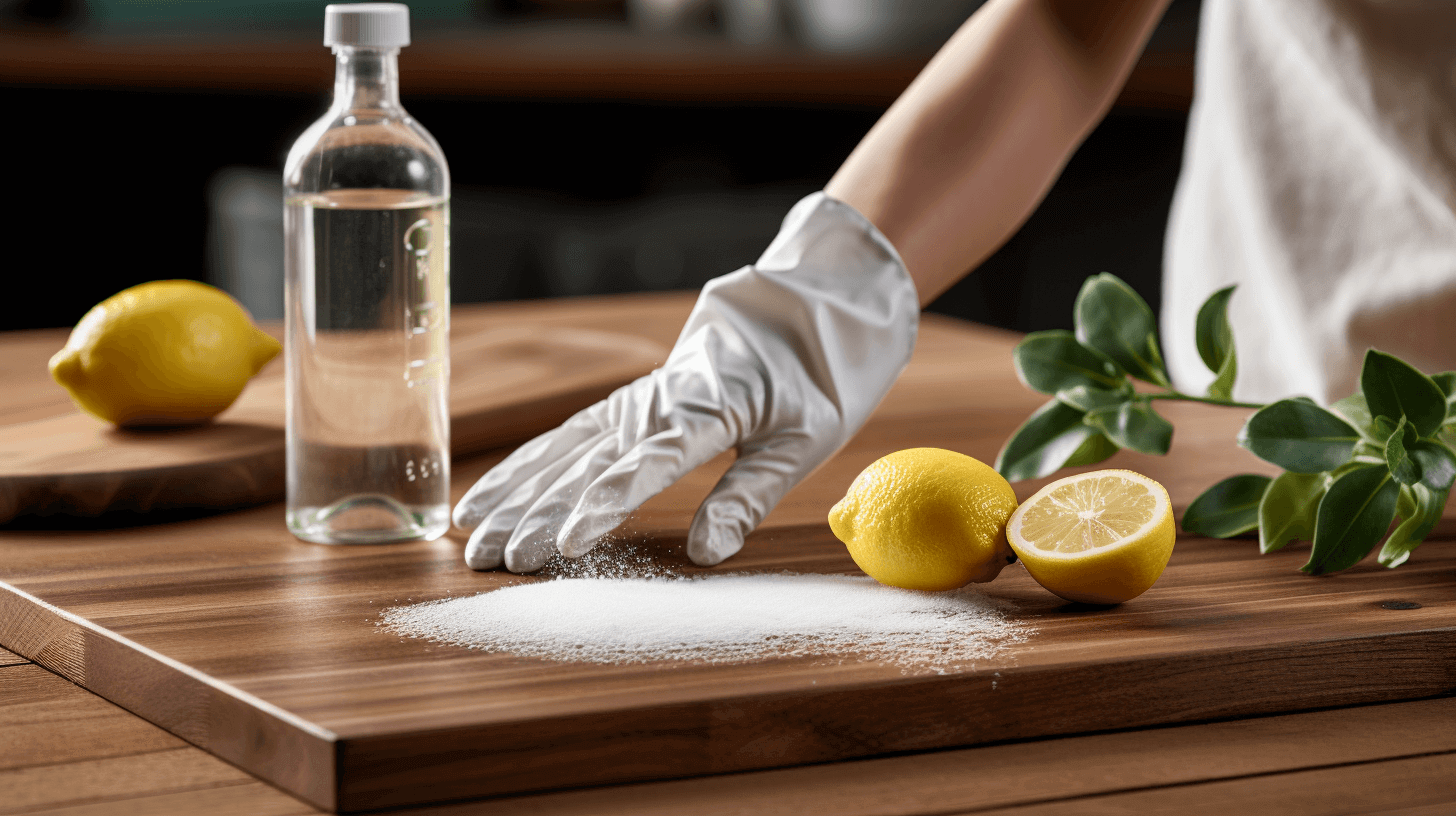
Some cutting boards develop smells from garlic, onions, fish, or strong spices. Natural cleaning methods can help refresh the surface.
These methods support regular Cutting Board Cleaning & Sanitizing but should not replace proper washing after handling raw foods.
:max_bytes(150000):strip_icc()/clean-wooden-cutting-board-4772583_08-f78b97244f364ab3ba963ed8f21dce2d.jpg "How to sanitize and care for wooden cutting boards")
- ✦ Baking soda scrub
A gentle baking soda paste can help remove surface odors and stains.
- ✦ Lemon cleaning
Rubbing lemon on a board may help freshen the smell.
- ✦ Salt treatment
Coarse salt can provide light scrubbing for some wooden boards.
Common Cutting Board Cleaning Mistakes to Avoid
Many kitchen problems happen because people follow incomplete cleaning habits. A quick rinse is not enough after preparing raw foods.
Better Cutting Board Cleaning & Sanitizing comes from consistent habits instead of occasional deep cleaning.

- ✦ Using one board for everything
Mixing raw meat and fresh foods on one board can increase contamination risks.
- ✦ Storing while wet
Moist boards can develop odors and damage over time.
- ✦ Ignoring scratches
Deep cuts can make cleaning more difficult.