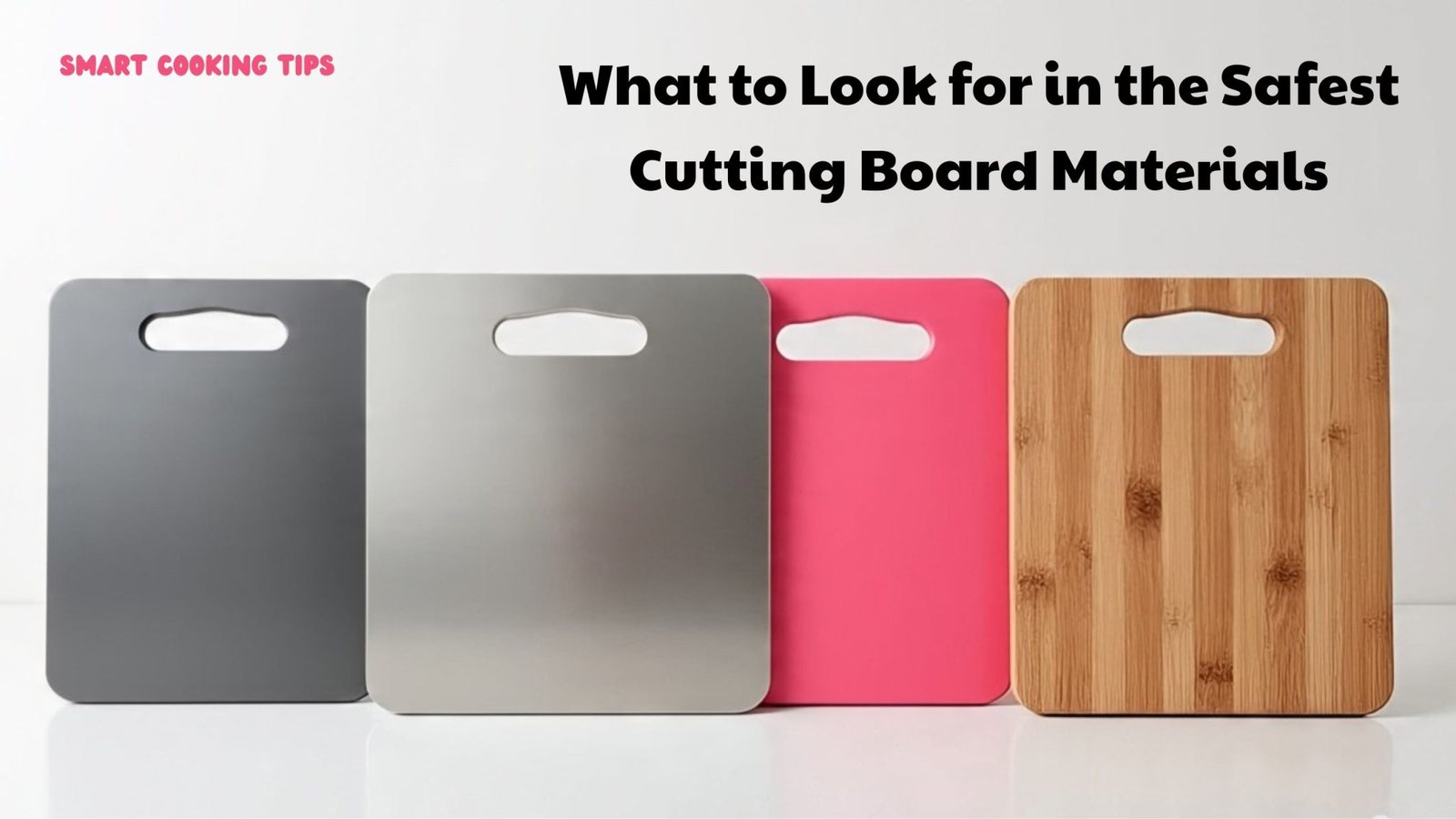
Cutting Board Materials & Food Safety: Choosing the Safest Board for Your Kitchen
Choosing the right board is more than a kitchen style decision. Cutting Board Materials & Food Safety are closely connected because the surface you use every day can affect how easily bacteria spread during meal preparation.
After years of reviewing kitchen tools and cooking practices, one lesson stands out: the best cutting board is the one you can clean properly and replace when it becomes worn. A premium board that is poorly maintained is less safe than a simple board that receives proper care.
American home kitchens often prepare many foods in one space, from raw chicken to fresh salads. Understanding different cutting board materials helps cooks create safer routines without adding unnecessary work.
Why Cutting Board Materials Matter for Food Safety
Cutting Board Materials & Food Safety are linked because every material reacts differently to knives, moisture, heat, and cleaning products. A board with deep cuts or cracks can hold food particles and make cleaning harder.
Food safety is not only about the board material itself. Safe habits include washing hands, cleaning surfaces, using separate boards when needed, and storing boards in a dry place.
- ✦ Surface condition
Smooth surfaces are easier to clean because they leave fewer spaces for food residue and bacteria to remain.
- ✦ Food separation
Using different boards for raw proteins and ready-to-eat foods lowers the chance of cross contamination.
- ✦ Cleaning routine
Regular washing and complete drying help keep almost any quality cutting board safer.
How Cross Contamination Happens
Cross contamination occurs when germs from one food transfer to another surface or ingredient. A knife used on raw meat can spread bacteria if it touches vegetables without proper washing.
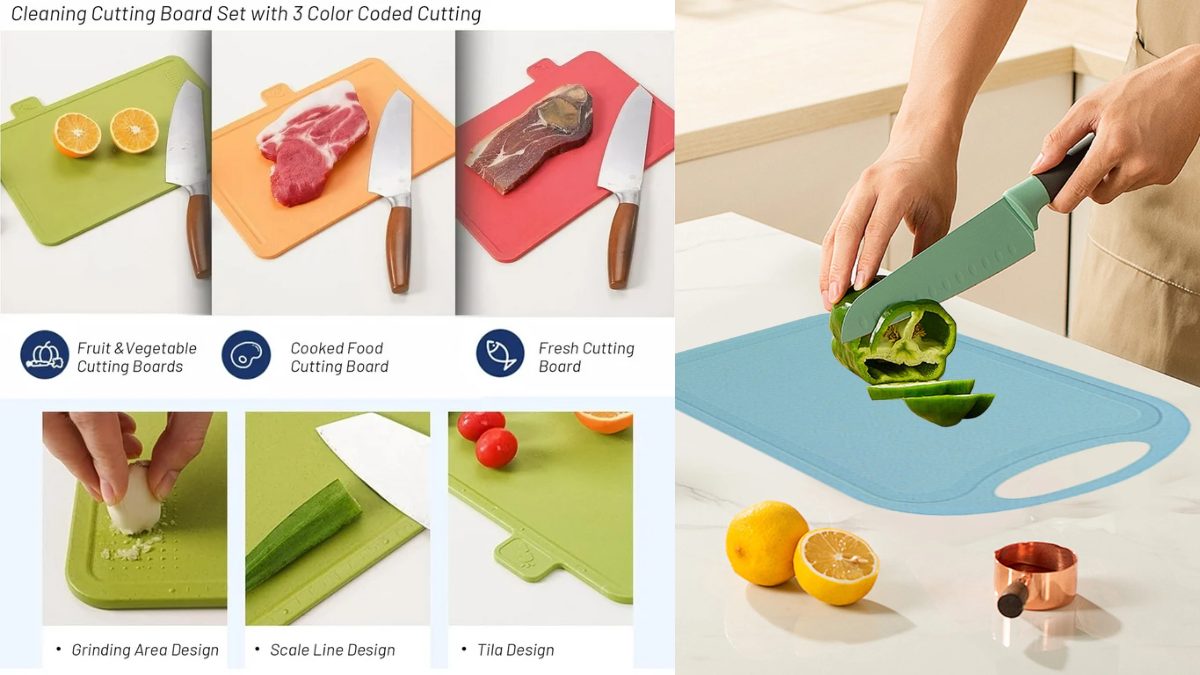
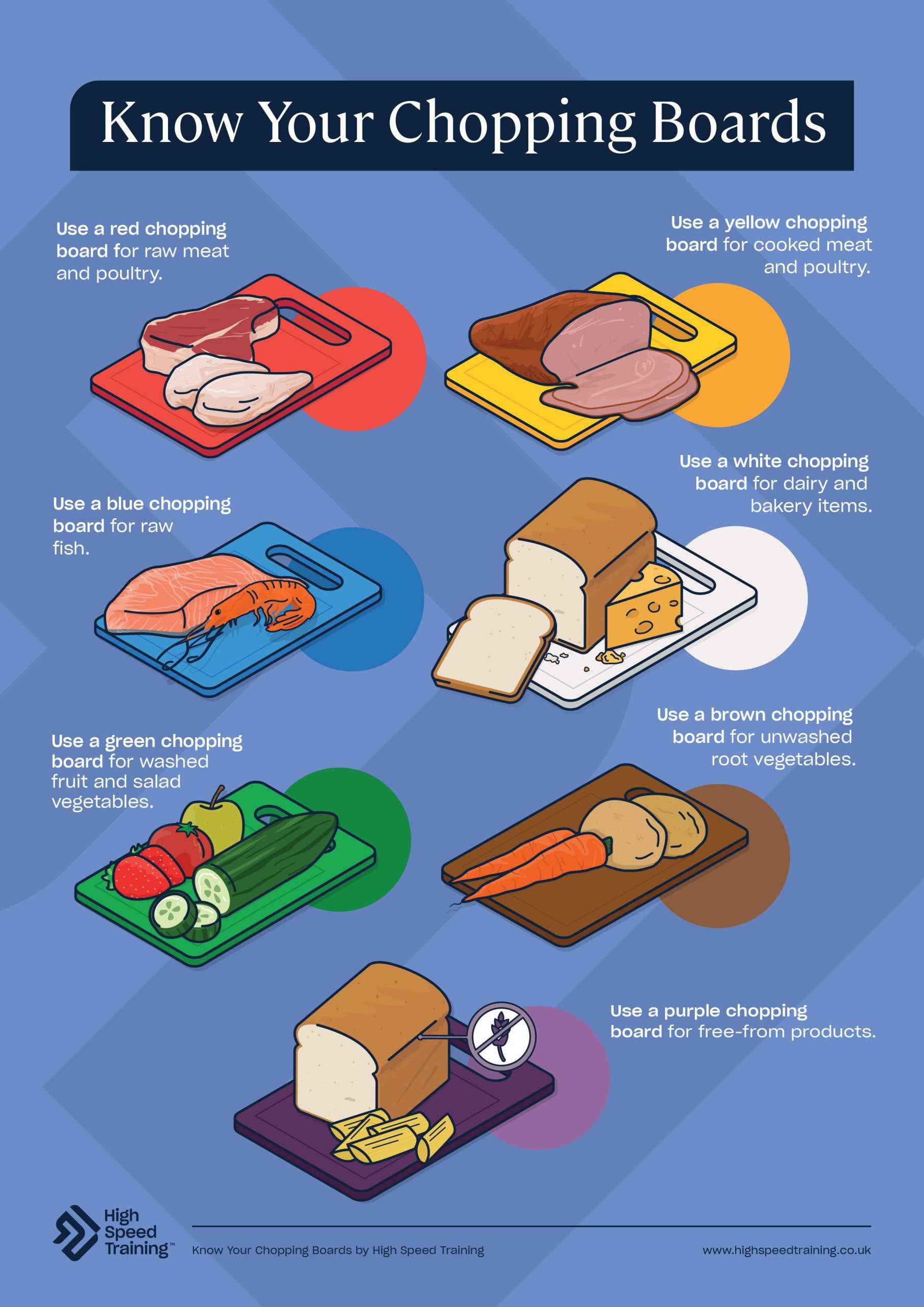
A simple kitchen system makes prevention easier. Many restaurants and home cooks use labeled or colored boards to create clear food preparation zones.
- ✦ Raw meat board
Use a dedicated board for uncooked meat, poultry, and seafood whenever possible.
- ✦ Produce board
Keep a separate board for fruits, vegetables, bread, and ready-to-eat foods.
Wood Cutting Boards: Natural, Durable, and Knife Friendly
Wood cutting boards remain popular because they are gentle on knives and provide a warm, traditional cooking surface. Hard woods such as maple, walnut, and cherry are common choices in many U.S. kitchens.
A well-made wood board can last for years with regular oil conditioning. However, wood requires care because long exposure to water can cause swelling, cracking, or warping.

- ✦ Benefits of wood
Wood boards are durable, attractive, and comfortable for daily chopping tasks.
- ✦ Maintenance needs
Apply food-safe mineral oil when the surface looks dry to protect the wood fibers.
Are Wood Cutting Boards Safe?
Many cooks worry that wood is unsafe because it is porous. In reality, a properly cleaned and maintained wood board can be a safe choice for food preparation.
The key factor is condition. Deep grooves, splits, and damaged areas should be avoided because they make cleaning more difficult.
- ✦ Best use
Wood boards work well for vegetables, bread, herbs, and general kitchen preparation.
Plastic Cutting Boards: Practical and Easy to Sanitize
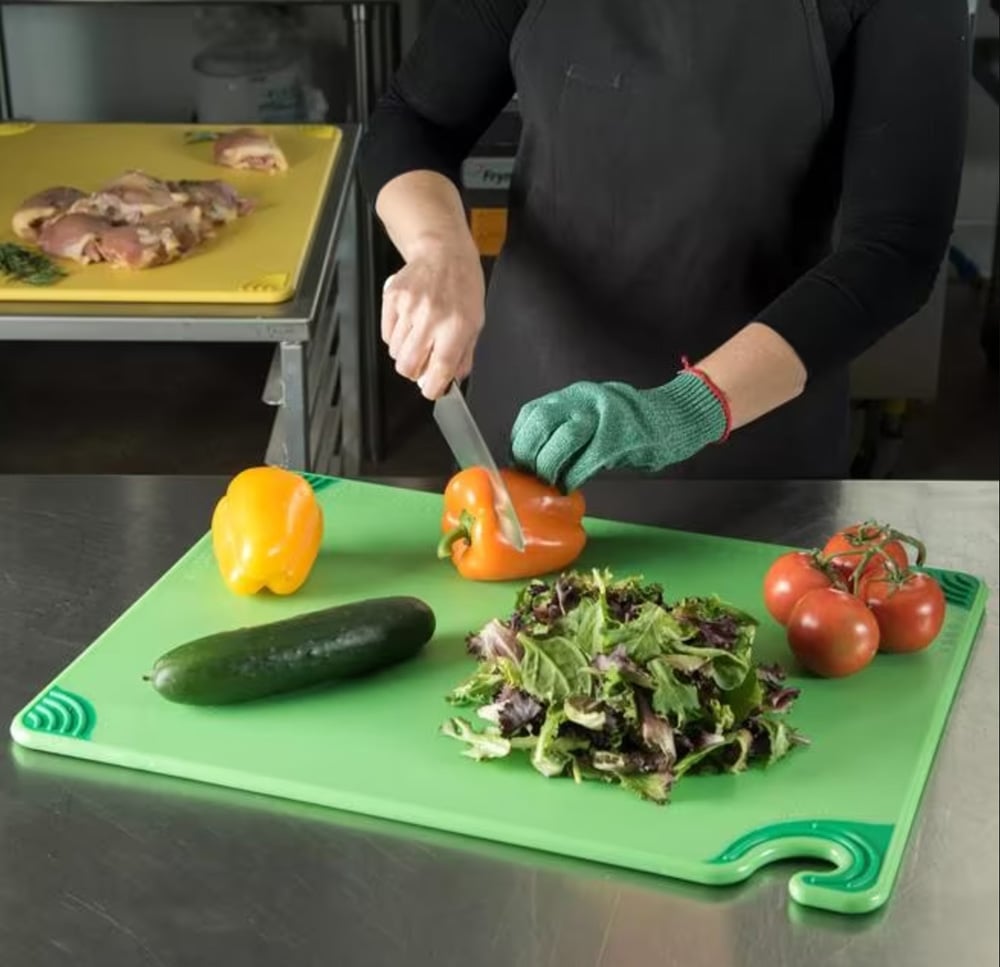
Plastic cutting boards are widely used in homes and commercial kitchens because they are lightweight and easy to wash. Many are dishwasher safe, which makes cleaning convenient.
High-quality plastic boards can be a strong choice for raw meat preparation. The main concern is wear over time because knife marks can create uneven surfaces.
- ✦ Main advantage
Plastic boards are affordable, simple to replace, and available in many sizes.
- ✦ Main limitation
Replace plastic boards when they develop deep cuts that cannot be cleaned easily.
Using Color Coded Plastic Boards
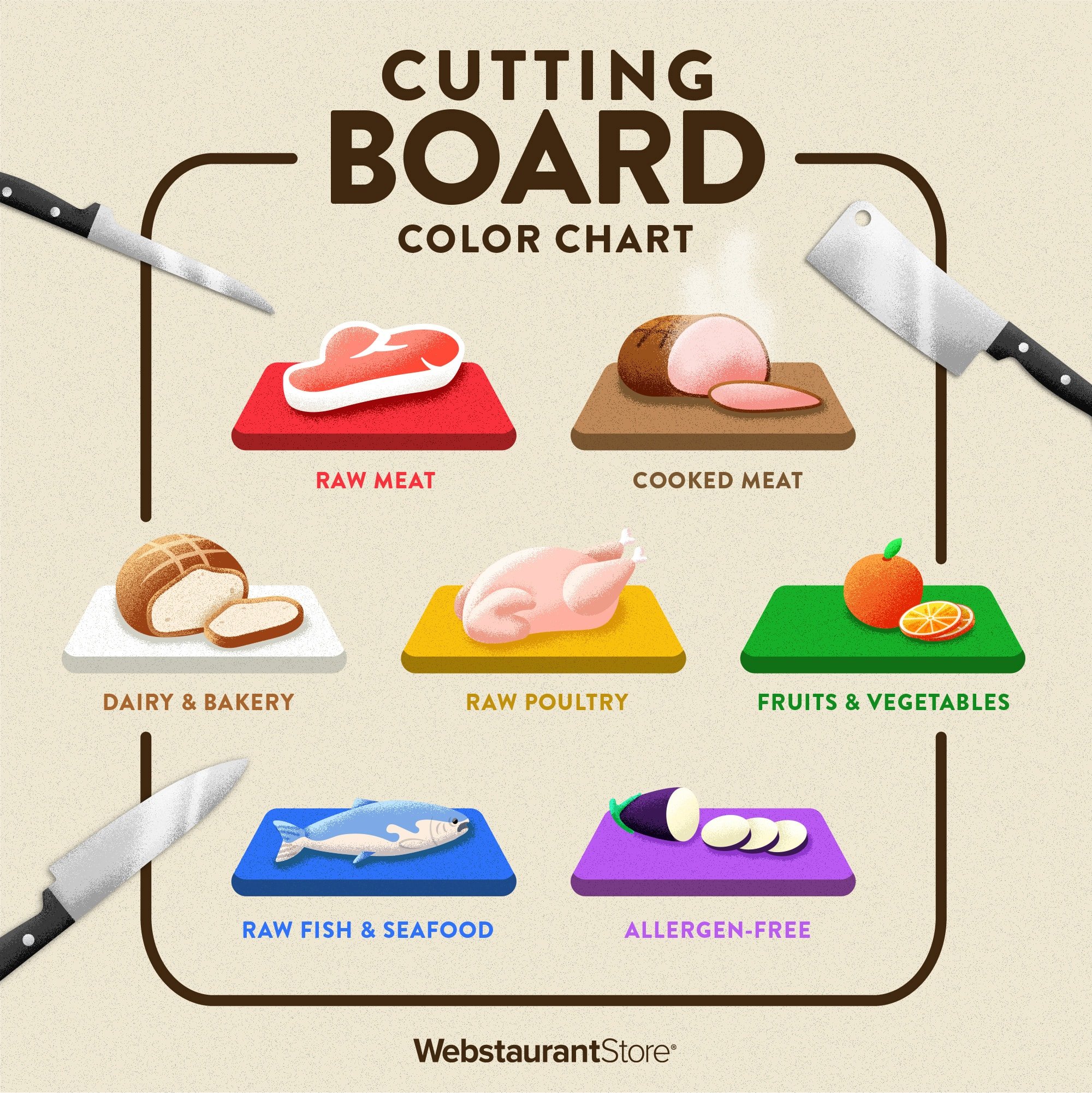
Color coding is a common food safety method. Different colors help cooks quickly identify which board should be used for specific foods.
This system is useful in busy kitchens because it reduces mistakes during fast meal preparation.
- ✦ Red board
Often used for raw meat in many color coding systems.
- ✦ Green board
Often used for fruits and vegetables.
Bamboo, Glass, and Composite Cutting Boards Compared
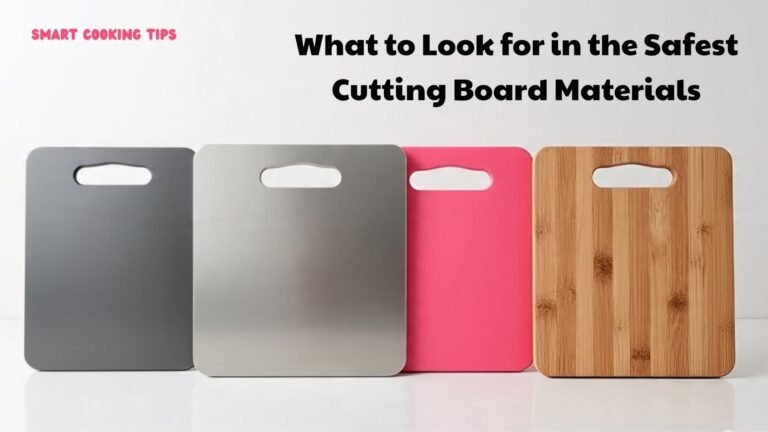
Bamboo cutting boards offer a renewable option with a firm surface and attractive appearance. They are usually harder than many woods, which can cause faster knife dulling.
Glass cutting boards are easy to clean but are very hard on knives. Composite boards combine materials to create durable surfaces that balance performance and maintenance.
- ✦ Bamboo boards
Lightweight and moisture resistant but may require regular care to prevent drying.
- ✦ Glass boards
Very hygienic but can damage knife edges quickly.
- ✦ Composite boards
Strong and durable options for cooks who want low maintenance.
Choosing Based on Cooking Style
A home baker may prefer a large wood board for dough and bread. A meal prep cook may prefer several plastic boards for quick cleaning and food separation.
The right choice depends on how you cook, how often you clean, and how much maintenance you want.
How to Clean and Maintain Cutting Boards Safely
Proper care is one of the most important parts of Cutting Board Materials & Food Safety. Even the safest material needs good cleaning habits.
Wash boards after every use with hot water and dish soap. Dry them fully before storing because trapped moisture can damage boards and encourage unwanted growth.
- ✦ Wash immediately
Clean the board after preparing food instead of leaving residue on the surface.
- ✦ Dry completely
Store boards upright or in an open area where air can reach all sides.
- ✦ Replace when damaged
Discard boards with deep cracks, heavy warping, or difficult-to-clean grooves.
When Should You Replace a Cutting Board?
There is no single replacement schedule for every board. The condition of the surface matters more than age.
If cleaning no longer removes food residue or the board feels unsafe to use, replacement is the best option.