Cutting Board Stability & Countertop Protection: How to Keep Your Kitchen Surface Safe
Cutting Board Stability & Countertop Protection is a key part of a safe and efficient kitchen. A board that moves while cutting can slow meal preparation and increase the risk of slips. A well-designed board creates a firm surface for daily tasks.
After years of reviewing kitchen tools and testing different board styles, I have found that small details matter. Board weight, grip, edge design, and countertop contact all affect performance. These features help home cooks in the United States protect expensive kitchen surfaces while preparing meals.

Why Cutting Board Stability Matters in Everyday Kitchens
A cutting board must stay in place during use. Movement can happen when a board has a smooth bottom, uneven surface, or poor contact with the counter. Cutting Board Stability & Countertop Protection starts with preventing unwanted movement.
Many American kitchens use stone, quartz, granite, or laminate counters. These surfaces can look beautiful but may still suffer from scratches or marks when a cutting board shifts. A stable board helps create a safer barrier between knives, food, and the countertop.
- ✦ Safer cutting motion
A stable board lets users apply steady pressure without chasing a moving surface.
- ✦ Better knife control
A secure board helps maintain smoother cuts and reduces sudden movements.
- ✦ Less countertop stress
A protective board prevents direct contact between knives, cookware, and delicate surfaces.
Common Causes of Cutting Board Movement
Boards often slide because of moisture, smooth bottoms, worn feet, or incorrect sizing. Even a high-quality board can become unstable if it does not sit flat.
Simple fixes include drying the counter before use, adding non-slip mats, or choosing a board with built-in grips.
- ✦ Wet surfaces
Water between the board and counter reduces friction and causes slipping.
- ✦ Lightweight designs
Very thin boards may move more easily during heavy chopping.
How Cutting Board Design Improves Countertop Protection
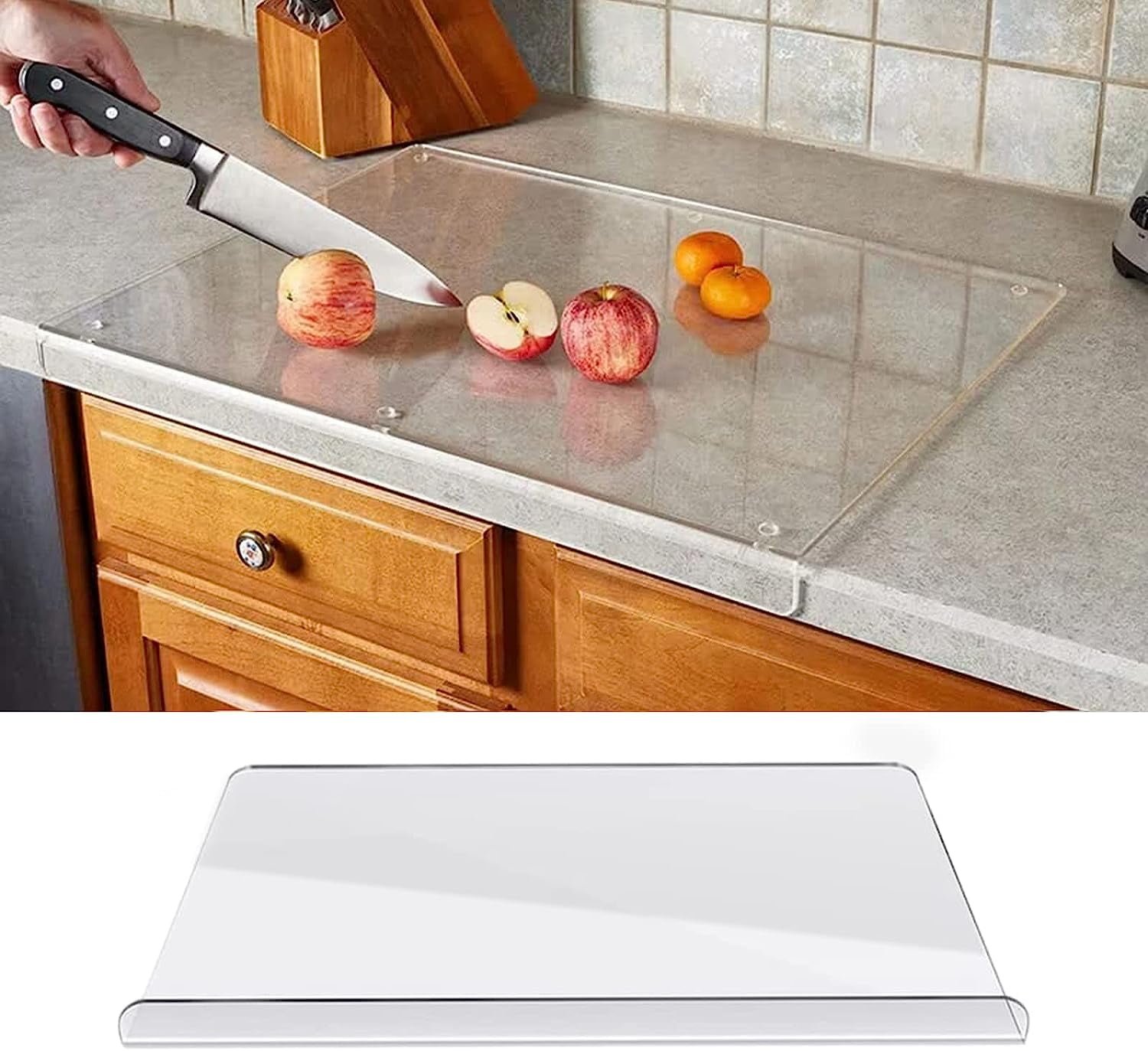
The design of a cutting board affects how well it protects your kitchen surface. Features like rubber feet, counter lips, thick construction, and smooth edges improve Cutting Board Stability & Countertop Protection.
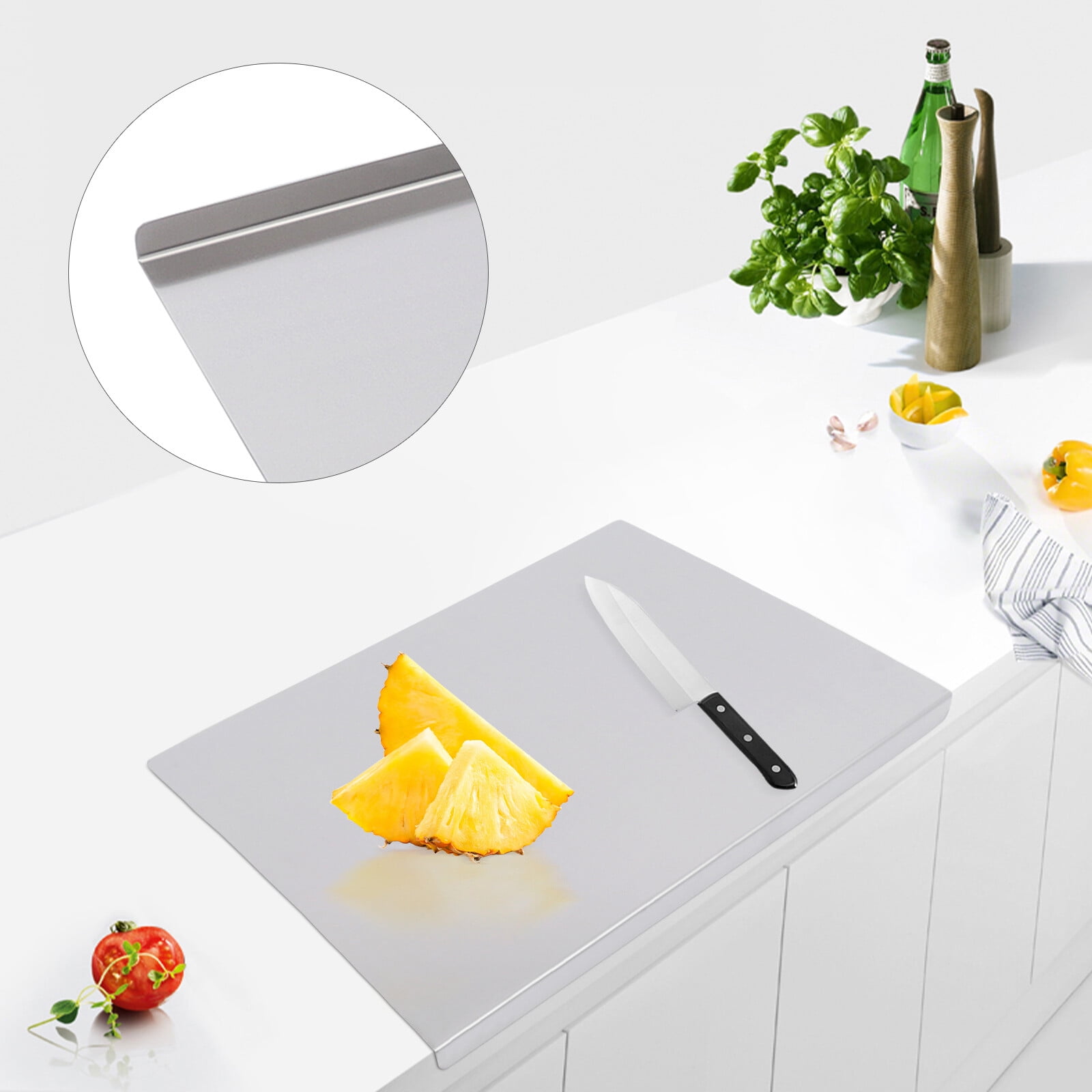
A board with a raised edge or lip can stop movement near the counter edge. This design is useful for busy kitchens where people prepare vegetables, meat, and baked goods every day.
- ✦ Non-slip bases
Rubber grips or textured bottoms increase friction and keep boards steady.
- ✦ Counter lips
A front or side lip can lock the board against the counter edge.
- ✦ Thicker construction
A thicker board often provides better weight, balance, and durability.
Choosing the Right Board Size
A board should fit your workspace without crowding the kitchen area. Large boards offer more stability because they provide more contact with the counter.
For many home cooks, a medium or large board works well because it supports meal preparation while remaining easy to clean.
Materials That Support Cutting Board Stability & Countertop Protection
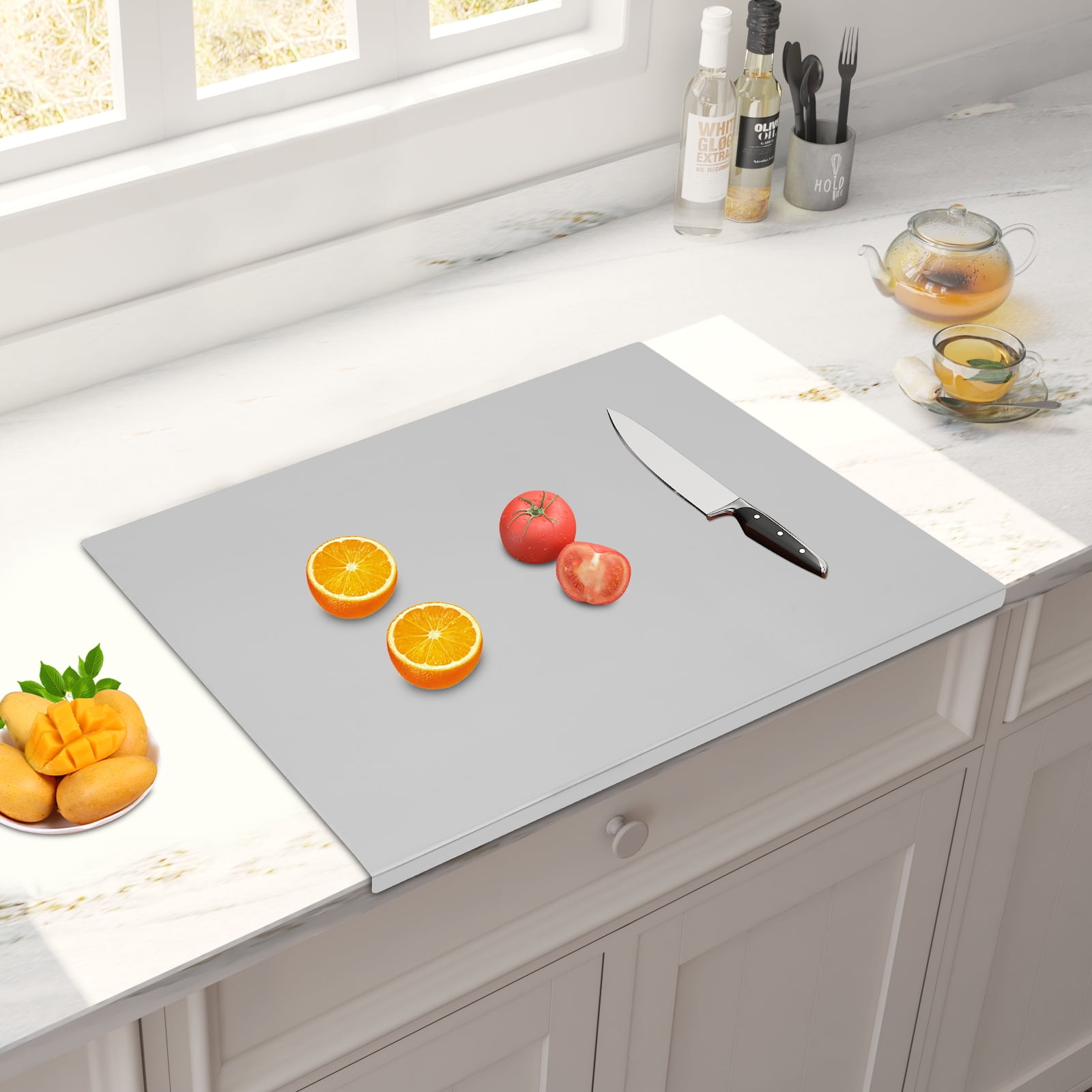
Different materials offer different benefits. Wood, plastic, acrylic, glass, and stainless steel boards each have unique qualities that affect stability and countertop care.
The best choice depends on your cooking style, cleaning habits, and the type of countertop you want to protect.
- ✦ Wood boards
Wood provides a sturdy feel and is gentle on knife edges when properly maintained.
- ✦ Plastic boards
Plastic boards are lightweight, easy to clean, and common in many home kitchens.
- ✦ Acrylic and glass boards
These boards offer a smooth surface and can include features that support countertop protection.
Balancing Durability and Surface Safety
A durable board should protect the counter without creating new problems. Very hard materials may feel strong but can be less friendly to knife edges.
Cutting Board Stability & Countertop Protection works best when the board material matches your cooking needs.
Ways to Improve Cutting Board Stability at Home
Improving Cutting Board Stability & Countertop Protection does not always require buying a new board. Small changes can make a current board safer and more reliable.
Many professional cooks use simple habits that home cooks can copy. These habits include checking the board position before cutting and keeping surfaces clean and dry.

- ✦ Use a damp towel
A damp kitchen towel under a board can add grip and reduce sliding.
- ✦ Keep surfaces dry
Dry counters create better contact between the board and countertop.
- ✦ Replace damaged boards
Warped or cracked boards may become unstable and harder to use safely.
Protecting Different Countertop Types With the Right Cutting Board
Countertops have different levels of durability. Granite and quartz resist many forms of damage, while laminate and wood counters may need extra care.
A good Cutting Board Stability & Countertop Protection strategy considers both the board and the counter underneath it.
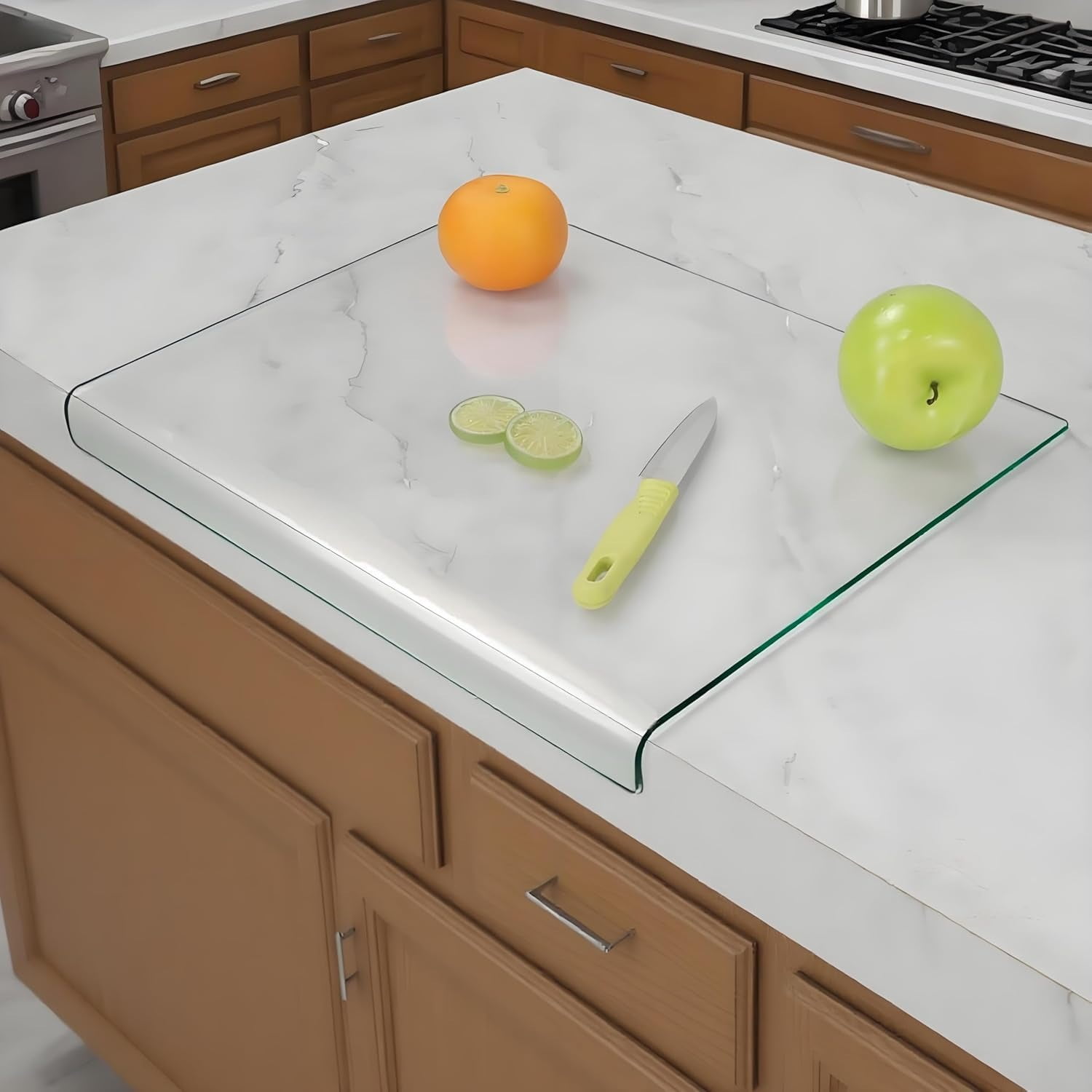
- ✦ Stone countertops
Use stable boards to prevent scratches and reduce direct knife contact.
- ✦ Wood countertops
Avoid excess moisture and use boards that protect the surface from deep cuts.
- ✦ Laminate countertops
Choose boards with strong grip to prevent repeated surface wear.
Maintenance Tips for Long-Term Cutting Board Performance
Proper care keeps a cutting board stable and protects the countertop below it. Cleaning, drying, and storing the board correctly prevent warping and damage.
Cutting Board Stability & Countertop Protection improves over time when users follow simple maintenance routines.
- ✦ Clean after every use
Wash the board according to its material instructions and remove food residue.
- ✦ Dry completely
Standing moisture can affect board shape and reduce stability.
- ✦ Store flat
Flat storage helps prevent bending and uneven contact.