Easy pasta recipes use simple ingredients, basic cooking techniques, and short preparation times to create satisfying meals at home.
Across kitchens in the United States, pasta remains a popular choice for busy weeknight dinners because it is affordable, flexible, and easy to customize. From creamy sauces to tomato-based dishes and vegetable-packed meals, a simple box of pasta can become a complete meal with a few everyday ingredients.
The best easy pasta recipes focus on three things: properly cooked pasta, a balanced sauce, and ingredients that add flavor and nutrition. This guide explains practical methods, common mistakes, and recipe ideas that help home cooks prepare reliable pasta dishes without complicated steps.
Source: wikimedia.org
What Makes a Pasta Recipe Easy
An easy pasta recipe usually requires minimal preparation, common ingredients, and a straightforward cooking process. Most beginner-friendly pasta dishes can be prepared by boiling pasta, making a sauce, combining the ingredients, and adjusting seasoning.
The easiest recipes are not always the shortest. A dish with a few extra minutes of simmering can often create better flavor than a recipe that only combines ingredients quickly.
Source: wikimedia.org
Simple ingredients
Many easy pasta meals use pantry staples such as dried pasta, canned tomatoes, olive oil, garlic, herbs, and cheese.
Limited cooking steps
Beginner recipes avoid complicated techniques and focus on boiling, sautéing, mixing, and seasoning.
Flexible variations
Pasta recipes can often be adjusted with different proteins, vegetables, sauces, or seasonings.
Essential Ingredients for Quick Pasta Meals
A well-stocked kitchen makes preparing pasta much easier. Common ingredients that work across many recipes include spaghetti, penne, fettuccine, tomato sauce, cream, parmesan cheese, garlic, onions, frozen vegetables, and cooked proteins.
Pasta types
Long pasta like spaghetti works well with lighter sauces, while shapes like penne and rotini hold thicker sauces.
Flavor builders
Garlic, herbs, spices, cheese, and aromatics add depth without requiring complicated preparation.
Easy Pasta Recipes You Can Make at Home
These pasta ideas are designed for everyday cooking. Each recipe style can be adjusted based on available ingredients, dietary preferences, and cooking time.
Source: wikimedia.org
Garlic butter pasta
Cook pasta and toss it with melted butter, garlic, parmesan cheese, black pepper, and a small amount of pasta water for a quick savory meal.
Classic tomato pasta
Combine cooked pasta with tomato sauce, herbs, garlic, and optional vegetables for a simple family dinner.
Creamy pasta
Use ingredients such as cream, cheese, mushrooms, or spinach to create a richer sauce with minimal preparation.
Chicken pasta
Add cooked chicken pieces to tomato, cream, or garlic-based sauces to increase protein and make the meal more filling.
How to Improve Flavor Without Extra Work
Small cooking techniques can make simple pasta taste better. Toasting garlic gently, seasoning pasta water, finishing noodles in the sauce, and adding fresh herbs at the end can improve flavor and texture.
Use pasta water
The starch in reserved pasta water can help sauces stick to noodles and create a smoother consistency.
Season gradually
Adding salt and spices throughout cooking helps create balanced flavor instead of relying on one final adjustment.
Common Pasta Cooking Mistakes and How to Avoid Them
Many pasta problems happen because of small cooking mistakes. Fixing these issues can improve texture and flavor without changing the recipe.
Source: wikimedia.org
Overcooking pasta
Cook pasta according to package instructions and check texture before draining. Pasta should usually be tender but still have some firmness.
Not seasoning the water
Plain cooking water can leave pasta tasting bland because seasoning is absorbed during cooking.
Adding sauce too late
Mixing pasta with sauce while both are warm helps flavors combine more effectively.
Using too much sauce
A balanced amount of sauce allows the pasta flavor and texture to remain noticeable.
What to Do If Your Pasta Does Not Turn Out Well
If pasta becomes dry, add a small amount of reserved pasta water or extra sauce. If the dish tastes flat, adjust seasoning with salt, herbs, cheese, or acidity from ingredients like tomatoes or lemon.
Dry pasta
Add moisture gradually instead of adding a large amount of liquid at once.
Bland flavor
Check seasoning balance and add flavor elements that match the sauce style.
How to Choose the Right Pasta Shape
Different pasta shapes work better with certain sauces because their size and texture affect how ingredients cling to the noodles.
Source: wikimedia.org
Spaghetti
Best suited for lighter sauces such as tomato, garlic oil, and simple cheese-based sauces.
Penne
Works well with thicker sauces because the tube shape captures sauce inside.
Fettuccine
Pairs well with creamy sauces because the wider noodles provide more surface area.
Rotini
Useful for pasta salads and chunky sauces because the spiral shape holds ingredients.
Fresh Pasta Versus Dried Pasta
Dried pasta is convenient, affordable, and widely available, making it a practical option for everyday meals. Fresh pasta has a softer texture and cooks faster but usually requires refrigeration and different preparation methods.
Choose dried pasta
Best for quick weeknight meals and pantry-friendly cooking.
Choose fresh pasta
Useful when you want a softer texture or a more specialized dish.
Frequently Asked Questions
Q
What is the easiest pasta recipe for beginners?
Simple garlic butter pasta or tomato pasta are good starting points because they require basic ingredients and straightforward cooking steps.
Q
How long should pasta be boiled?
Cooking time depends on the pasta type and brand. Follow package instructions and check the texture near the recommended cooking time.
Q
Can I make pasta ahead of time?
Yes. Cooked pasta can be stored and reheated, although freshly cooked pasta usually has the best texture. Adding a small amount of sauce or water during reheating can help prevent dryness.
Q
What can I add to pasta to make it more filling?
Protein sources such as chicken, beans, seafood, eggs, or cheese and vegetables can make pasta meals more satisfying.
Q
Why does my pasta sauce not stick to the noodles?
Sauce may not coat pasta well if there is not enough starch, if pasta is rinsed after cooking, or if noodles are mixed with sauce too late.
✦ Wrapping Up
Conclusion
Easy pasta recipes work because they combine simple ingredients with reliable cooking techniques. Whether you prefer tomato sauce, creamy dishes, or vegetable-based meals, pasta provides many options for quick homemade dinners.
Learning a few basic pasta methods can help you create different meals without needing complicated recipes. Focus on proper cooking, balanced seasoning, and ingredients that fit your preferences.
💡 Key Takeaway
Start with a simple pasta recipe, master the cooking basics, and customize it with your favorite sauces, vegetables, and proteins.
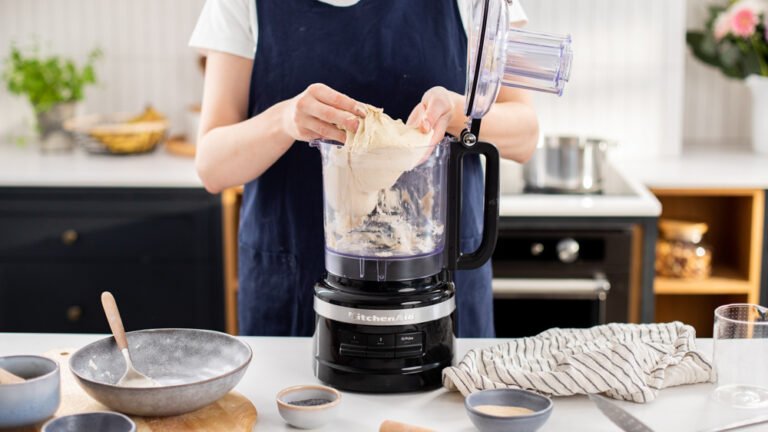
Learn how Food Processor Baking & Pastry Preparation works, including dough making, pastry techniques, benefits, tips, mistakes, and best practices for home bakers.
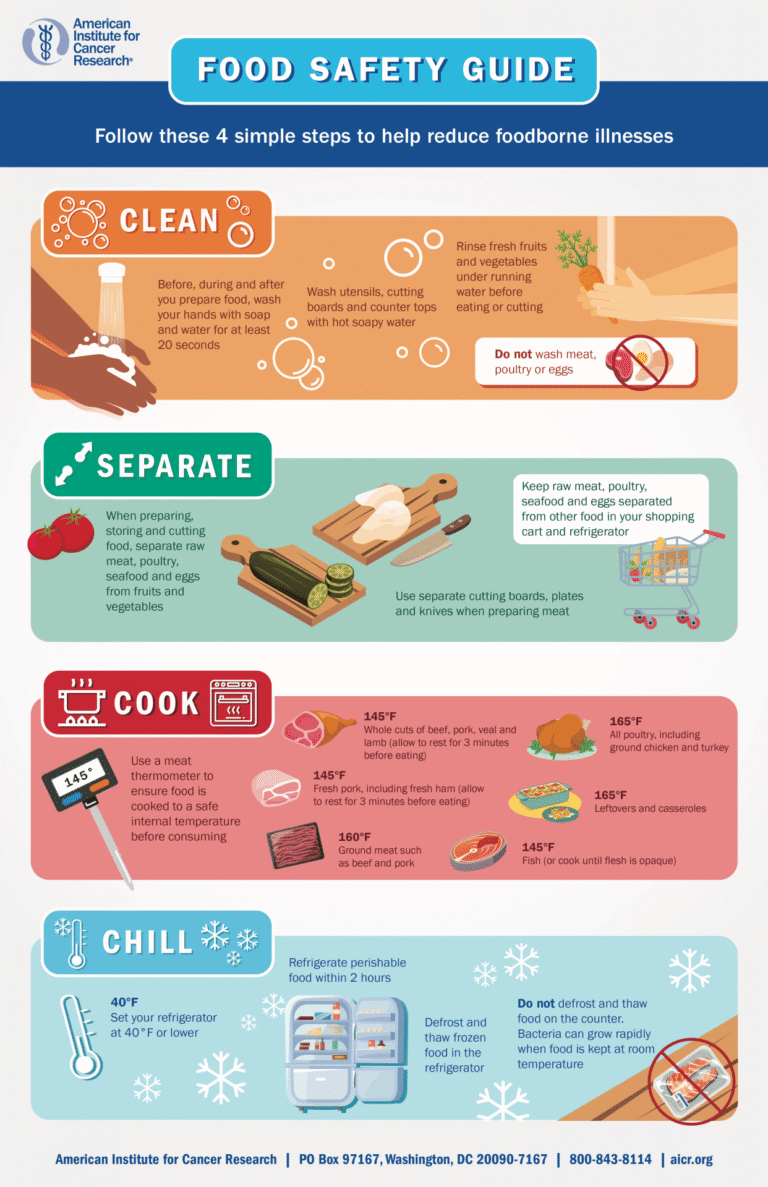
Learn how nutrition and food safety work together, from balanced meals and safe storage to food handling, allergens, supplements, and healthy eating habits.
Find essential gadgets and simple tips to speed up meals. Which kitchen tools make cooking easier for beginners explained with budget picks and quick wins.