Nutrition & Safety: A Practical Guide to Eating Well and Staying Safe
Nutrition & Safety is not just about what you eat. It also covers how food is bought, stored, prepared, cooked, served, and kept after a meal. A healthy food can still cause harm if it is spoiled, contaminated, poorly cooked, or unsafe for someone with an allergy.
For people in the United States, food choices often happen at home, work, restaurants, schools, gyms, and on the go. In my experience writing about food and health, the most useful advice is often simple: build balanced meals, read labels, keep food at safe temperatures, wash your hands, and do not ignore signs of spoilage. Small habits can make Nutrition & Safety part of daily life without making meals stressful.

What Does Nutrition & Safety Mean?
Nutrition & Safety brings two ideas together. Nutrition is about getting the nutrients your body needs from food and drinks. Safety is about reducing risks from germs, toxins, allergens, spoiled food, unsafe preparation, and other food-related hazards.
These two areas support each other. Fresh produce, whole grains, beans, eggs, dairy, meat, seafood, nuts, and other foods can all be part of a healthy diet. Yet each food also needs proper handling, storage, and preparation.
A safe diet does not need to be perfect. The goal is to make sound choices most of the time and use simple food safety habits every day.
- ✦ Nutrition
Nutrition focuses on nutrients, food quality, balance, portions, and the needs of the body.
- ✦ Food safety
Food safety focuses on preventing contamination, spoilage, foodborne illness, and unsafe exposure.
- ✦ Healthy habits
Healthy habits connect both areas through smart shopping, clean preparation, safe cooking, and balanced meals.
Why Both Matter
Eating nutritious food can help support normal growth, energy, immune function, and overall health. Safe food practices help make sure that the food you eat does not expose you to avoidable hazards.
Ignoring either side can create problems. A meal may contain useful nutrients but still be unsafe if it has been left out too long or handled with dirty hands.
Building a Balanced and Nutritious Diet
A balanced diet gives your body a range of nutrients instead of relying on one food or food group. For many adults, a useful starting point is to include vegetables and fruits, whole grains, protein foods, and healthy sources of fat while limiting excess added sugar, sodium, and saturated fat.
Your needs can change with age, activity, pregnancy, medical conditions, and other factors. There is no single meal plan that works for everyone. The best Nutrition & Safety approach is one that fits your needs, budget, culture, schedule, and health goals.
Food variety also matters. Eating different foods can make it easier to get a wider range of vitamins, minerals, protein, fiber, and other useful nutrients.
.png?itok=ClYtbUYr "Food safety in personalized nutrition with a focus on food supplements")
- ✦ Vegetables and fruits
Choose a variety of colors and types. Fresh, frozen, and canned options can all fit into a healthy eating pattern.
- ✦ Whole grains
Foods such as oats, brown rice, whole-grain bread, and whole-grain pasta can provide fiber and other nutrients.
- ✦ Protein foods
Beans, lentils, eggs, seafood, poultry, lean meats, nuts, seeds, and soy foods can provide protein.
- ✦ Healthy fats
Nuts, seeds, avocados, and plant oils can provide unsaturated fats that fit well in a balanced diet.
- ✦ Water
Water is important for normal body function and is often a simple choice for staying hydrated.
Portion Size and Food Quality
Healthy eating is not only about choosing good foods. Portion size also matters. Large portions can provide more calories, sodium, sugar, or saturated fat than you need, even when the food itself can fit into a healthy diet.
Using smaller plates, checking serving sizes, and eating slowly can help you notice hunger and fullness cues. These simple habits can support Nutrition & Safety without requiring strict rules.
Reading the Nutrition Facts Label
The Nutrition Facts label can help you compare foods. Look at serving size, calories, saturated fat, sodium, dietary fiber, added sugars, and key nutrients.
Remember that the serving size on a package is not always the amount you plan to eat. If you eat two servings, you need to account for the nutrients and calories from both.
- ✦ Check serving size
Use the listed serving size as the basis for comparing the nutrition information.
- ✦ Look at added sugars
Added sugars can raise the sugar content of foods without adding much nutritional value.
- ✦ Watch sodium
Compare sodium levels when choosing packaged meals, soups, sauces, snacks, and other processed foods.
The Four Basic Steps of Food Safety
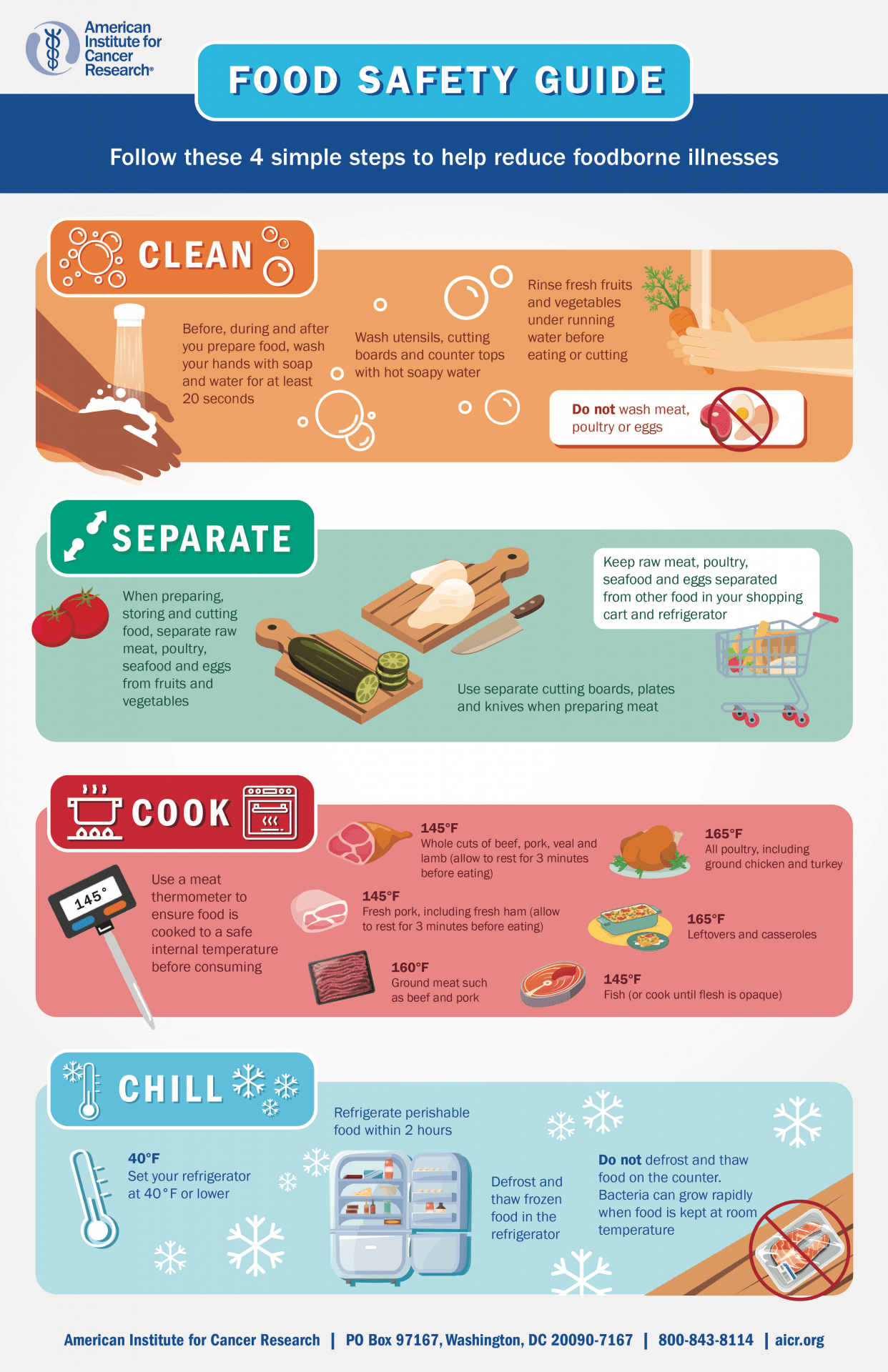
A strong Nutrition & Safety routine starts with four basic actions: clean, separate, cook, and chill. These steps help reduce the chance that harmful germs will spread or grow in food.
Food safety begins before cooking. Germs can move from hands, cutting boards, utensils, raw meat, seafood, eggs, and unwashed produce to other foods. Good kitchen habits help break this chain.
- ✦ Clean
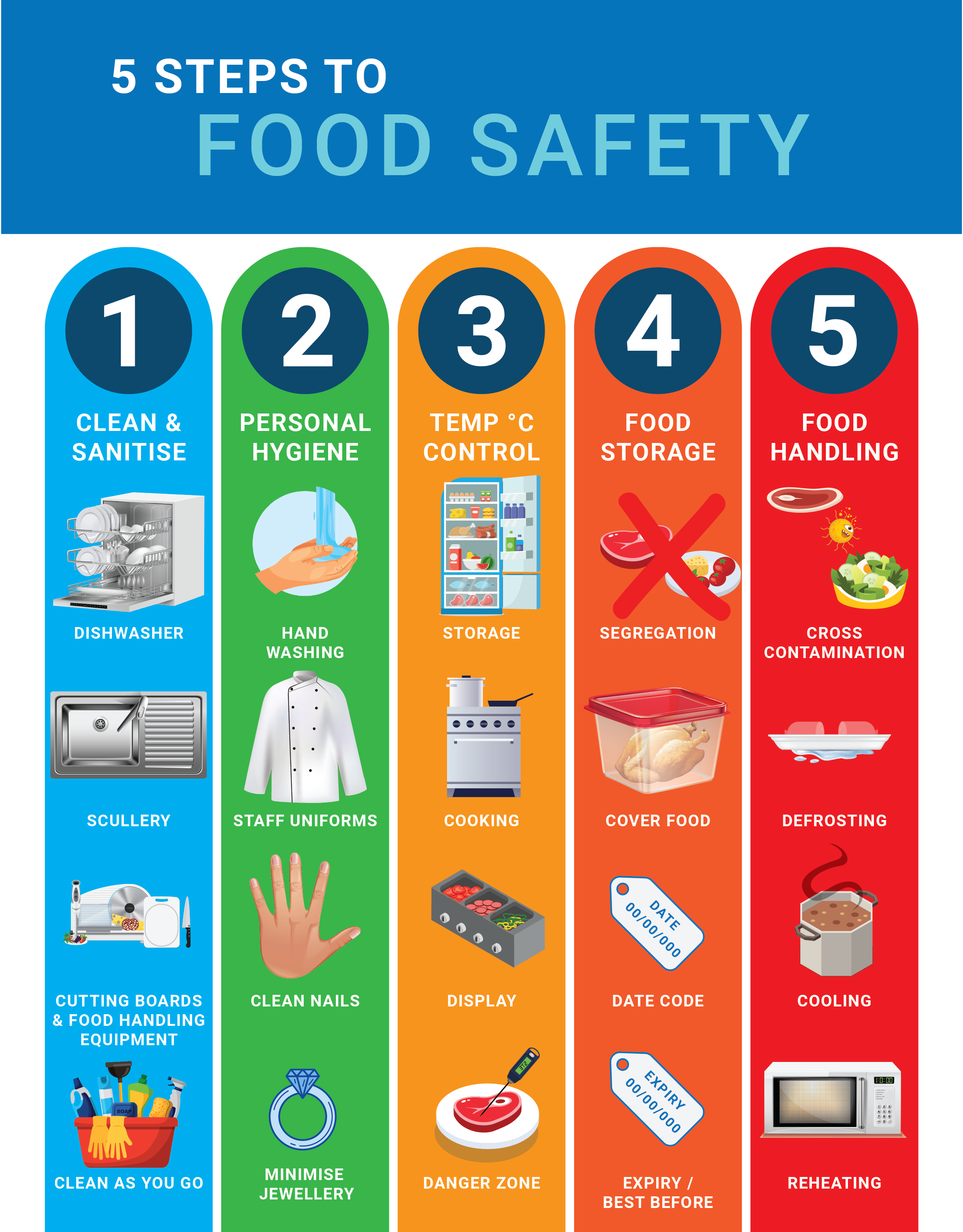
Wash your hands before and during food preparation. Clean counters, utensils, cutting boards, and other surfaces that touch food.
- ✦ Separate
Keep raw meat, poultry, seafood, and eggs away from foods that are ready to eat.
- ✦ Cook
Cook foods to safe internal temperatures. A food thermometer gives a better check than color or appearance alone.
- ✦ Chill
Refrigerate foods that need cold storage soon after serving and keep the refrigerator cold enough for safe storage.
Prevent Cross-Contamination
Cross-contamination happens when germs move from one food or surface to another. A common example is using the same cutting board for raw chicken and salad ingredients without washing it between uses.
Use separate boards when practical, or wash and sanitize surfaces between raw and ready-to-eat foods. Keep raw food sealed and stored so its juices cannot leak onto other foods.
Use a Food Thermometer
A food thermometer is one of the simplest tools for safer cooking. The center of a food can remain unsafe even when the outside looks fully cooked.
Use the safe cooking temperatures recommended for the specific food. For the most accurate reading, place the thermometer in the thickest part and avoid touching bone when measuring meat.
Safe Food Storage at Home
Good storage protects both Nutrition & Safety. Food can lose quality over time, and some foods can support rapid growth of harmful bacteria when held at unsafe temperatures.
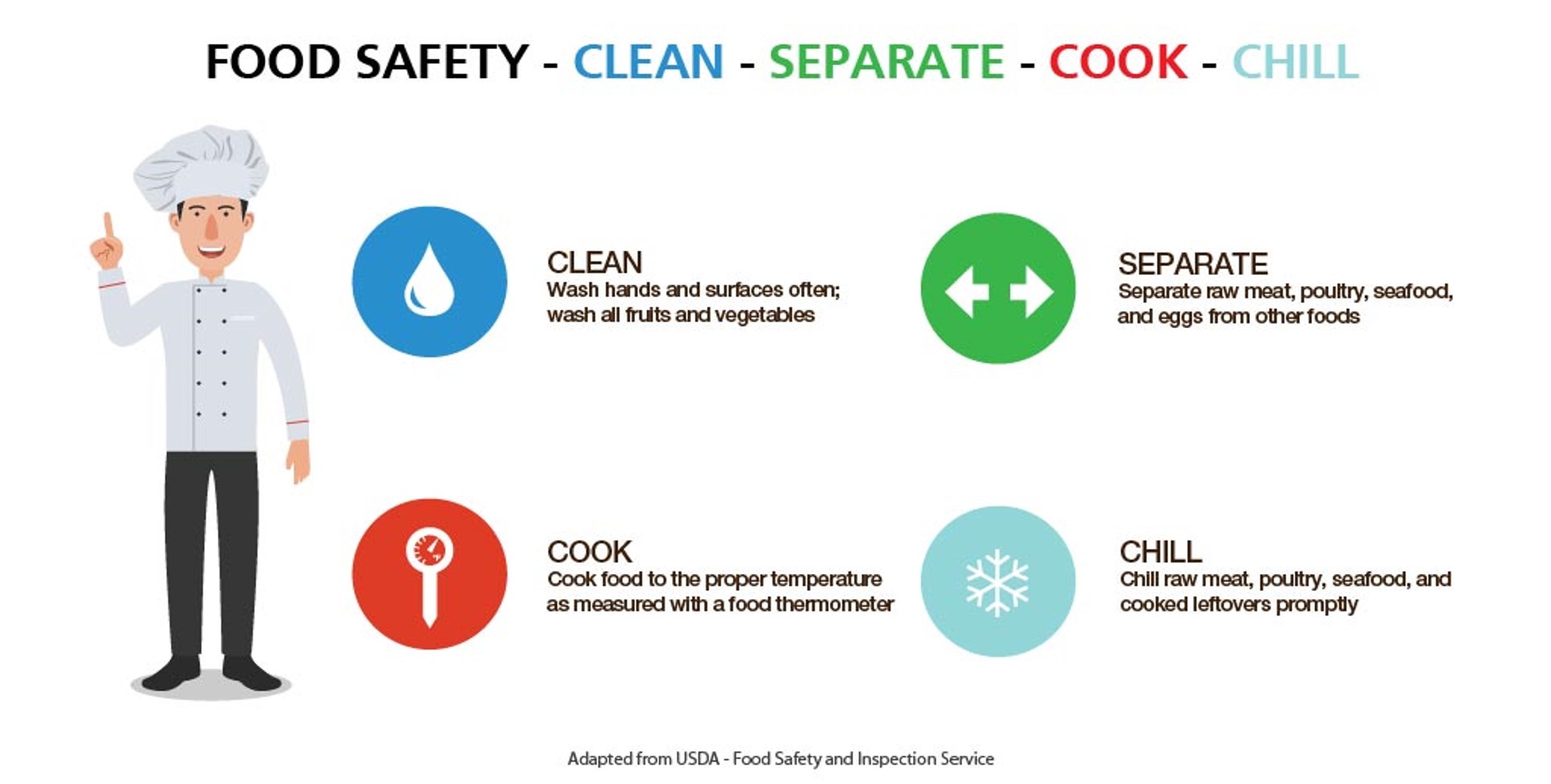
Refrigerate foods that need cold storage promptly. Keep the refrigerator clean and avoid packing it so tightly that cold air cannot move around the food.
Use clean containers with secure lids for leftovers. Mark containers when useful so you can track how long food has been stored. When you are unsure whether a food has been kept safely, do not rely only on smell or appearance.
- ✦ Keep raw foods contained
Place raw meat, poultry, and seafood in sealed containers or on a tray to help prevent leaks.
- ✦ Store leftovers safely
Move leftovers into suitable containers and refrigerate them promptly rather than leaving them out for long periods.
- ✦ Use the freezer wisely
Freezing can extend storage life, but it does not make unsafe food safe. Freeze food while it is still in good condition.
- ✦ Check food quality
Look for changes such as damaged packaging, mold, unusual texture, or other clear signs of spoilage.
Do Not Trust Smell Alone
Some harmful germs do not change the smell, taste, or appearance of food. A food can look normal and still be unsafe.
That is why time, temperature, proper storage, and safe handling are more reliable than a quick smell test.
Nutrition & Safety for High-Risk Foods
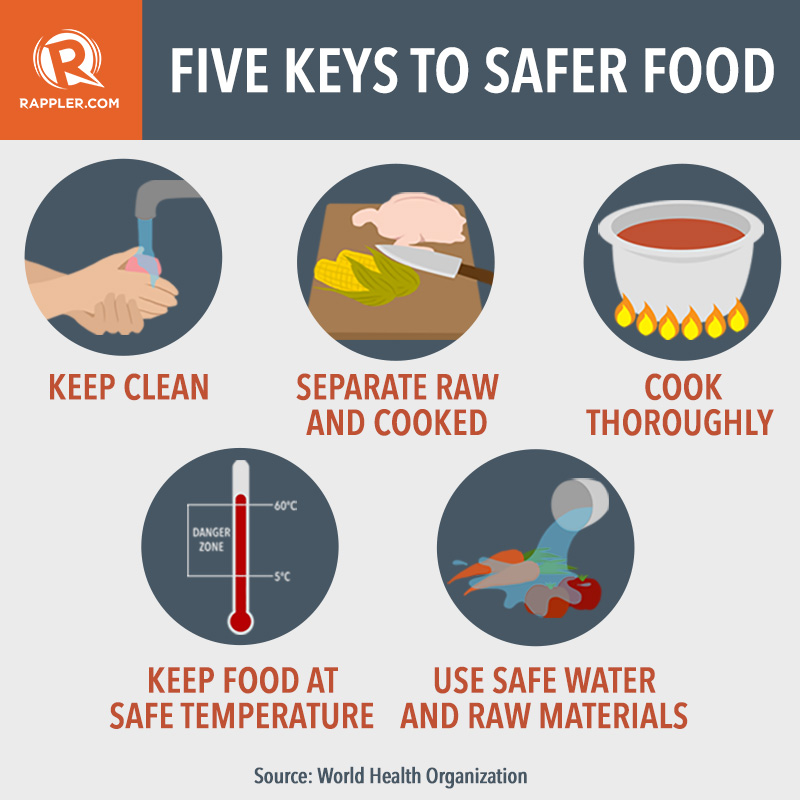
Some foods need extra care because they can carry a higher risk of foodborne illness if they are raw, undercooked, or handled poorly. These include raw or undercooked meat, poultry, seafood, and eggs, as well as some unpasteurized products.
Higher-risk foods can still provide valuable nutrients. The goal is not to avoid nutritious foods without reason. Instead, use safer choices and proper preparation methods.
- ✦ Eggs
Cook eggs until both the whites and yolks are firm unless you are using a preparation designed to keep them raw and a safe, pasteurized product when appropriate.
- ✦ Meat and poultry
Cook them to the recommended internal temperature and avoid spreading raw juices around the kitchen.
- ✦ Seafood
Choose seafood from reliable sources and follow safe storage and cooking practices.
- ✦ Unpasteurized foods
Be aware that unpasteurized milk, juices, and some other products can carry harmful germs.
Who Needs Extra Care?
Foodborne illness can be more serious for some people. Pregnant people, young children, older adults, and people with weakened immune systems may need to take extra care with certain foods.
If you fall into a higher-risk group, follow advice from a qualified health professional and current food safety guidance rather than relying on general internet tips.
Food Allergies and Nutrition Safety
Food allergies are a key part of Nutrition & Safety. A person with a food allergy may have a reaction after eating even a small amount of a problem food. Reactions can range from mild symptoms to life-threatening anaphylaxis.
People with allergies need to read ingredient labels and take cross-contact seriously. Restaurants, schools, workplaces, and homes should have clear systems for identifying and avoiding allergens.

- ✦ Read every label
Ingredients and product formulas can change, so check labels each time when an allergy is involved.
- ✦ Ask questions
When eating away from home, ask staff about ingredients and how food is prepared.
- ✦ Prevent cross-contact
Keep allergen-containing foods and utensils separate from foods prepared for someone with an allergy.
- ✦ Have an emergency plan
People with known severe allergies should follow their clinician’s emergency plan and carry prescribed emergency medicine when advised.
Food Intolerance Is Not the Same as Food Allergy
A food allergy involves the immune system. A food intolerance may cause digestive or other symptoms without the same immune response. The terms are often mixed in everyday speech, but the risks and management can differ.
If a food repeatedly causes symptoms, a qualified health professional can help identify the cause instead of removing many foods without guidance.
Supplements, Vitamins, and Nutrition Safety
Supplements can be useful in some situations, but more is not always better. Vitamins, minerals, herbs, protein powders, and other supplements can have side effects or interact with medicines.
A supplement should not replace a varied diet unless a qualified health professional recommends it for a specific reason. Food often provides a mix of nutrients and other useful compounds that a single supplement cannot fully copy.
In the United States, supplement products are regulated differently from medicines. This makes careful label reading and professional advice especially important when a product claims to treat, prevent, or cure a health problem.
- ✦ Check the dose
Follow the product directions and avoid taking multiple products that provide the same nutrient unless advised by a professional.
- ✦ Consider interactions
Tell your doctor or pharmacist about supplements, especially if you take prescription or over-the-counter medicines.
- ✦ Avoid miracle claims
Be cautious with products that promise fast cures, dramatic weight loss, or protection from many unrelated diseases.
- ✦ Think about your need
A supplement is more useful when it addresses a real nutritional need rather than simply adding more nutrients.
When Professional Advice Helps
A registered dietitian, doctor, or pharmacist can help when you have a restricted diet, take several medicines, have a diagnosed nutrient deficiency, or are considering a high-dose supplement.
Professional guidance can also help prevent unnecessary food restrictions. This supports both nutrition quality and long-term safety.
Nutrition & Safety When Eating Out
Eating at restaurants, food trucks, cafeterias, and other public food settings can fit into a healthy lifestyle. Nutrition & Safety still matters when someone else prepares your meal.
Choose meals that include foods you enjoy while paying attention to portions, sodium, added sugar, and cooking methods when these factors matter to your goals. For food safety, use reputable food businesses and speak up about allergies or special food needs.
Takeout food also needs safe handling at home. Refrigerate leftovers promptly and avoid leaving perishable foods at room temperature for long periods.
- ✦ Ask about allergens
Tell restaurant staff about food allergies before ordering and ask how the food is prepared.
- ✦ Balance the meal
When practical, include vegetables, fruit, whole grains, or another nutrient-rich food with the meal.
- ✦ Manage portions
Consider sharing a large meal, saving part for later, or choosing a smaller portion.
- ✦ Handle leftovers safely
Move perishable leftovers into proper storage soon after eating.
Common Nutrition & Safety Mistakes to Avoid
Many food problems come from small habits rather than a lack of knowledge. A busy schedule can make it easy to skip hand washing, forget a leftover in the refrigerator, or rely on food appearance to judge whether it is safe.
The best approach is to build simple routines. When a safe habit becomes automatic, it takes little effort to maintain.
- ✦ Washing raw poultry
Washing raw poultry can spread germs through splashes. Safer handling is to cook it properly without washing it first.
- ✦ Using the same cutting board
Using one unwashed board for raw meat and ready-to-eat foods can spread germs.
- ✦ Leaving food out too long
Perishable foods can become unsafe when they stay in the temperature range where bacteria can grow quickly.
- ✦ Guessing cooking temperatures
Color and texture are not always reliable signs of safe cooking. A food thermometer gives a more dependable check.
- ✦ Ignoring labels
Skipping ingredient and nutrition labels can make it harder to manage allergens, sodium, added sugar, portions, or other dietary needs.
- ✦ Taking too many supplements
Combining several supplements can increase the chance of excessive nutrient intake or unwanted interactions.
A Simple Daily Nutrition & Safety Routine
Nutrition & Safety does not need to become a long checklist. A few repeatable actions can cover most everyday needs. Plan balanced meals, buy food from reliable sources, wash hands, prevent cross-contamination, cook foods safely, and store leftovers correctly.
It also helps to review your diet from time to time. Look for variety, enough nutrient-rich foods, sensible portions, and any gaps that may need professional attention.
- ✦ Before shopping
Plan a few meals and make a list that includes vegetables, fruits, grains, protein foods, and other foods that fit your needs.
- ✦ At the store
Check package condition, expiration information when relevant, ingredient lists, and nutrition labels.
- ✦ Before cooking
Wash your hands, clean work surfaces, and keep raw foods separate from ready-to-eat foods.
- ✦ During cooking
Use appropriate cooking temperatures and a food thermometer for foods that need temperature checks.
- ✦ After eating
Store perishable leftovers promptly in clean containers and keep your refrigerator organized.
- ✦ For long-term health
Focus on a varied eating pattern instead of chasing one food, nutrient, or diet trend.
Make Safety Easy
The easiest safety habit is often the one that removes a decision. Keep a food thermometer in the kitchen, place raw meat on the lowest refrigerator shelf when practical, and keep separate cutting boards or clean them well between uses.
Small systems are useful for busy households. They reduce mistakes when you are cooking after work, preparing school lunches, or making several meals at once.