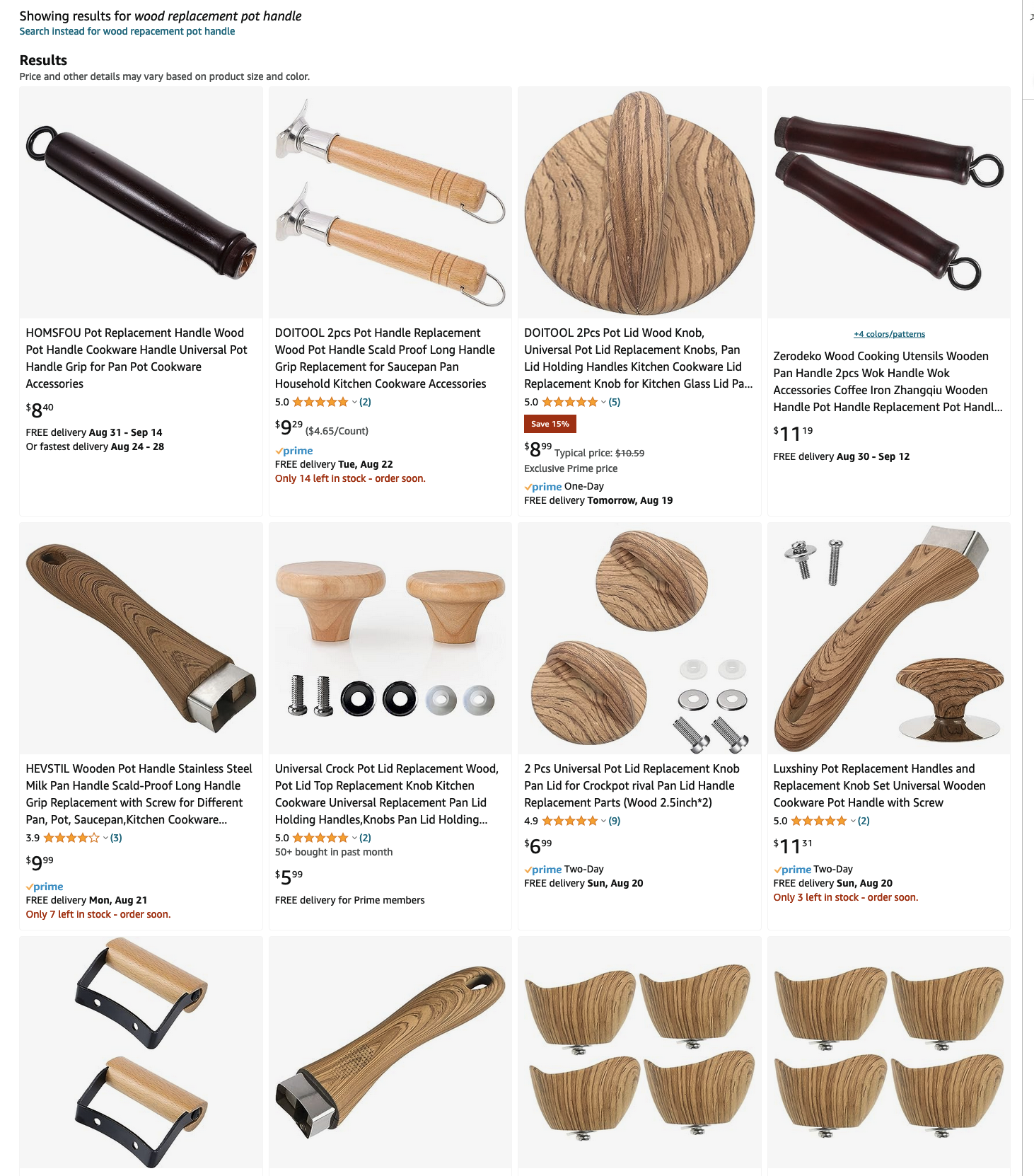
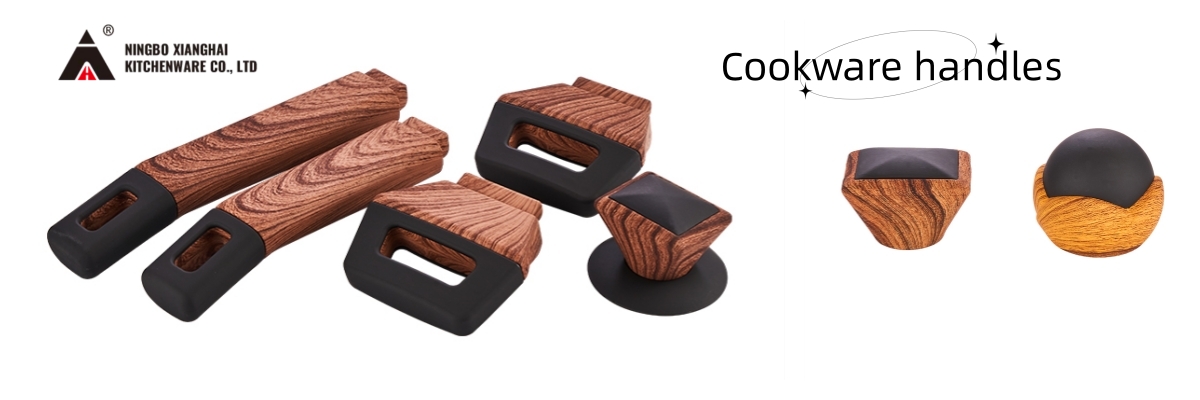
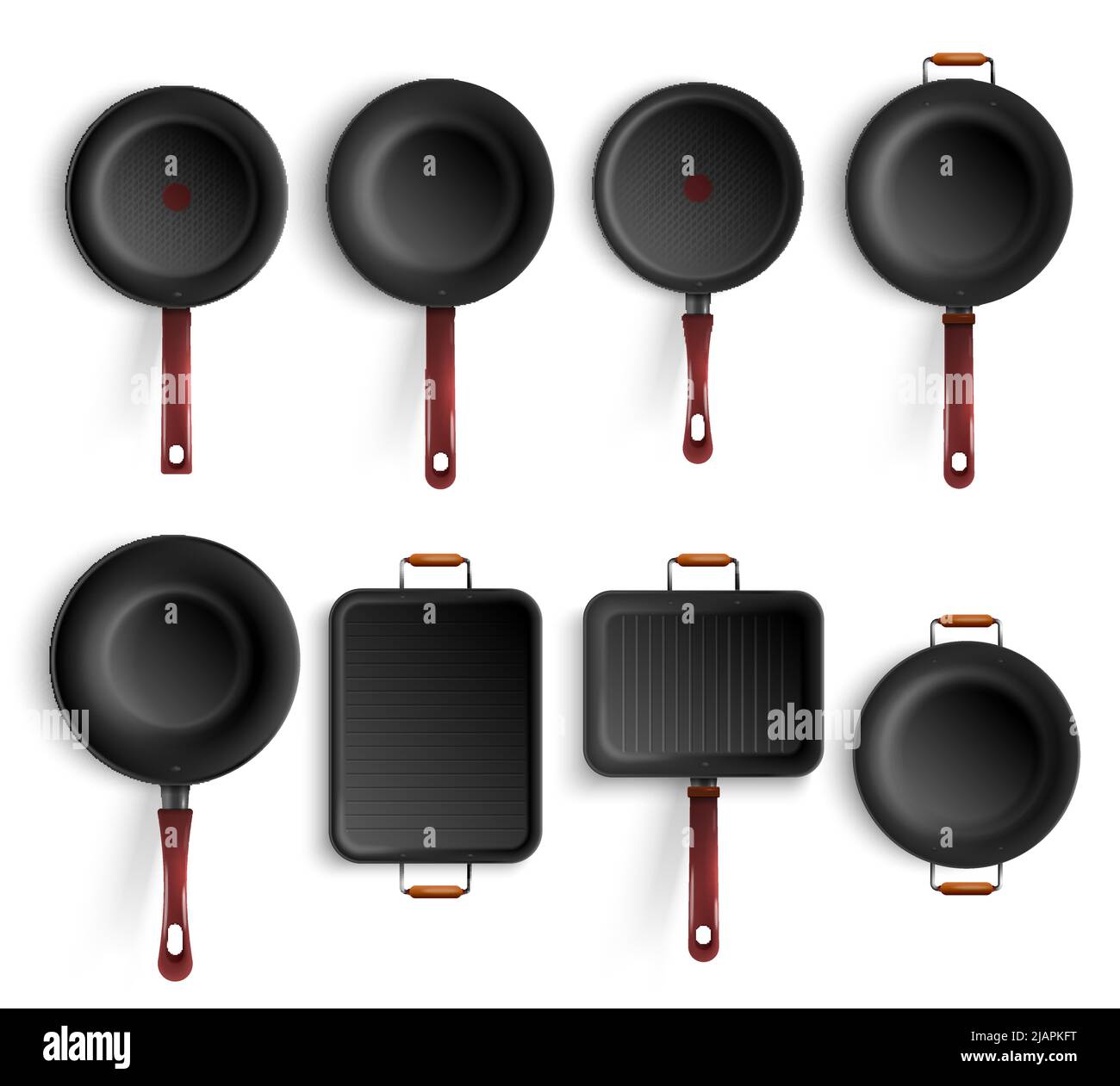
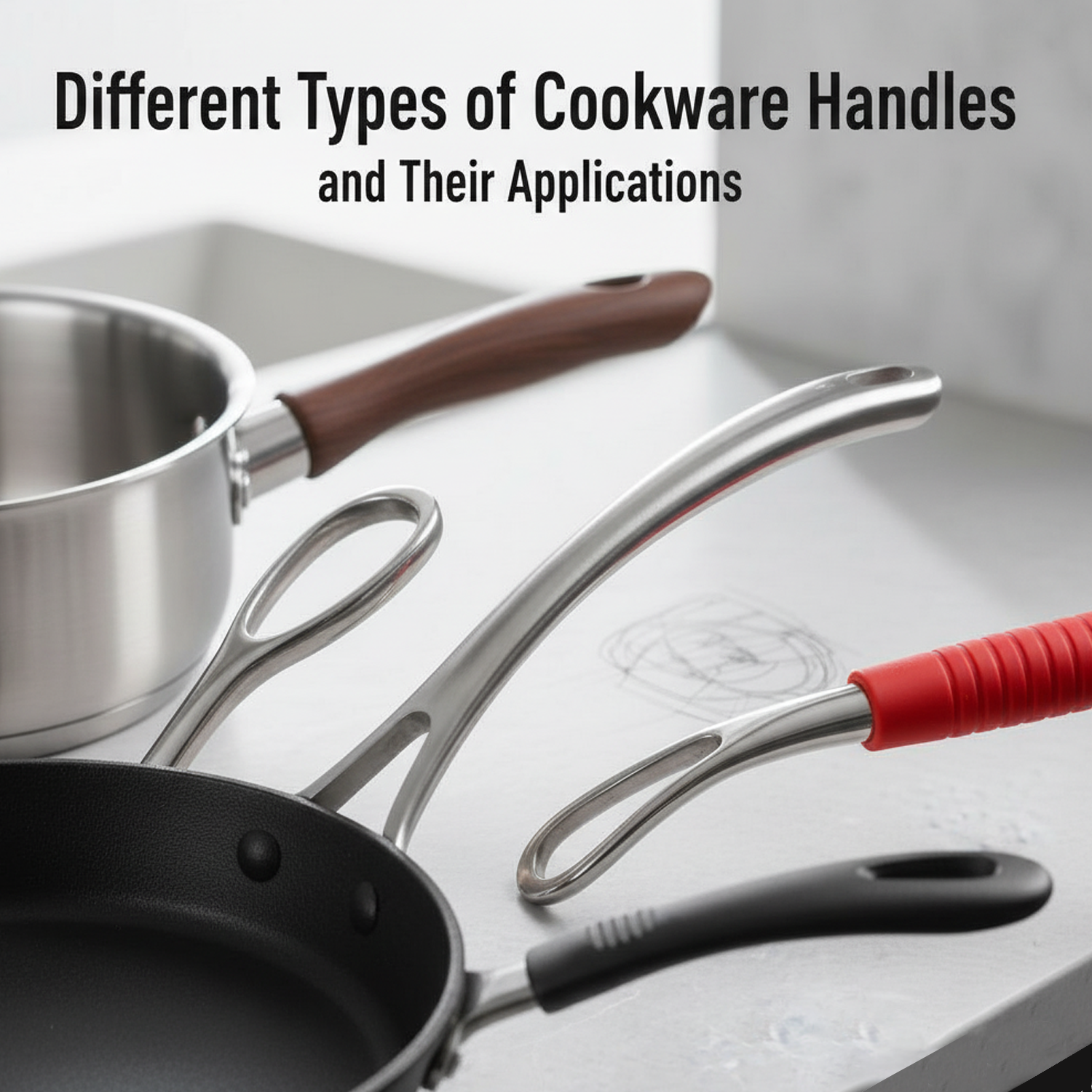
Cookware handles generally fall into several groups based on their shape, material, and attachment method. Stainless steel and riveted handles favor durability and oven use, while silicone, phenolic, and wooden handles can provide a cooler or softer grip but may have lower heat limits.
For home cooks in the United States, the handle is more than a place to hold a skillet. It affects how safely you move a hot pan, how comfortable the cookware feels when it is full, whether the pan can move from the stovetop into the oven, and how easy the interior is to clean. A handle that feels cool on a stovetop is not automatically oven-safe, and a metal handle that is highly heat-resistant can still become hot enough to require a mitt.
The most useful way to compare cookware handles is to look at three separate characteristics: the handle material, its shape and size, and the way it is attached to the pan. These characteristics work together. A stainless steel handle can be riveted or welded, a wooden handle can be screw-mounted, and a cast-iron skillet may have a handle formed as part of the pan itself. Understanding those differences makes it easier to choose cookware for frying, sautéing, simmering, baking, and everyday kitchen use.
Source: Bing
The Main Types of Cookware Handles
Cookware handles can be classified by both construction and material. Construction describes how the handle connects to the pan, while material describes what the handle itself is made from. Keeping those categories separate prevents a common mistake: treating every stainless steel handle, for example, as if it were constructed in the same way.
The most common designs found on U.S. cookware include long stick handles, short side handles, helper handles, integrated cast handles, riveted handles, welded handles, and removable or screw-attached handles. Materials commonly include stainless steel, aluminum, cast iron, phenolic resin, silicone, and wood.
Source: Bing
Long stick handle
A long handle gives the cook leverage and keeps the hand farther from the hot cooking surface. It is common on frying pans and sauté pans.
Side or loop handles
Short handles on opposite sides of a pot or Dutch oven support two-handed lifting and are useful when cookware becomes heavy.
Helper handle
A smaller secondary handle opposite the main handle gives the other hand a secure lifting point, especially on large skillets and sauté pans.
Integrated handle
The handle is formed as part of the cookware body, as commonly seen with cast-iron cookware. There is no separate handle-to-pan fastener to loosen.
Removable handle
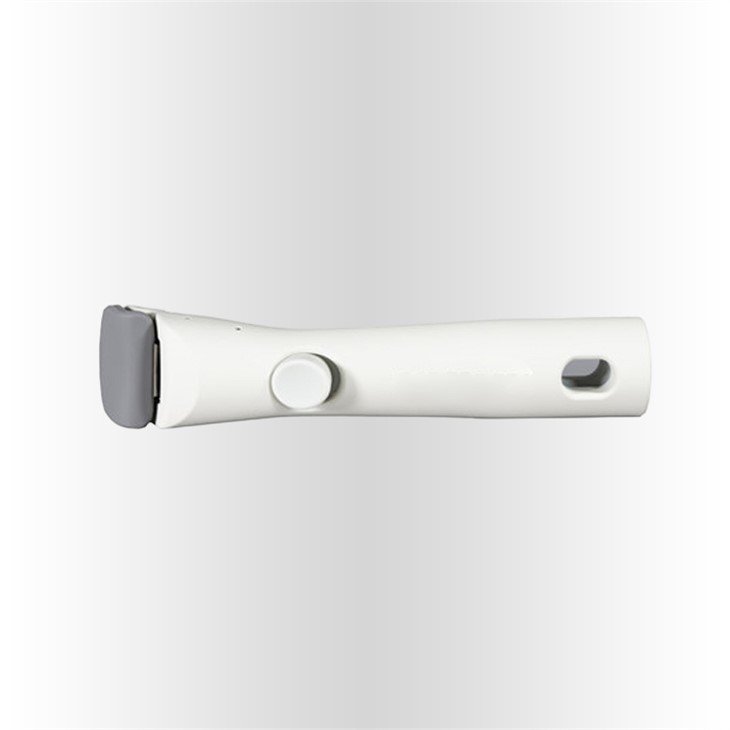
A detachable handle can reduce storage space and may make some cookware easier to transfer or use in the oven, but its locking mechanism must be used correctly.
Why Handle Shape Matters
A good handle balances the pan rather than simply extending away from it. The grip should give the hand enough room to hold the cookware securely without forcing the wrist into an awkward position. Some stainless steel cookware uses angled or contoured handles to improve balance and grip.
Length also changes handling. A very long handle can improve leverage but may make a small pan occupy more space on a crowded stovetop. A short handle can improve storage and maneuverability but puts the hand closer to the heat.
Balance
A properly positioned handle helps keep the pan level when it is lifted and reduces the tendency of the cookware to tip.
Grip clearance
Enough space between the handle and pan body allows the hand to wrap around the grip without contacting hot metal.
Stovetop clearance
A handle should be positioned so it does not extend unnecessarily over another burner where it could be struck or heated.
Stainless Steel and Metal Handles
Stainless steel is one of the most common materials for cookware handles because it is durable, resistant to corrosion, and capable of tolerating high temperatures when the complete cookware design is rated for them. Many premium stainless steel pans use riveted stainless handles, and some use hollow handles designed to reduce heat transfer to the grip.
Metal does not mean cool to the touch. Stainless steel conducts heat, and the temperature reached by a handle depends on factors such as its thickness, distance from the cooking surface, shape, airflow, burner setting, and whether the design includes a thermal break. Even a handle rated for high oven temperatures can become dangerously hot during normal cooking.
For example, some fully stainless cookware collections are manufacturer-rated for oven use at temperatures as high as 600 degrees Fahrenheit. That rating describes the cookware’s permitted use under the manufacturer’s conditions; it does not mean the handle will remain comfortable to hold without protection.
Source: Bing
Best for
High-heat stovetop cooking, oven transfers, searing, sautéing, and cooks who prioritize durability and a long service life.
Main advantage
Metal handles can tolerate temperatures that would damage many wood, plastic, or soft-grip materials.
Main limitation
The handle can become very hot, particularly during oven use, gas cooking, or when exposed to heat from adjacent burners.
Cleaning consideration
The handle material itself is usually straightforward to clean, but riveted connections can create small areas where grease and food residue collect.
Hollow Metal Handles
Some cookware uses hollow stainless steel handles instead of solid metal grips. The hollow construction can reduce the amount of heat that travels toward the hand during extended stovetop cooking, although it does not make the handle heat-proof. The exact performance depends on the handle design and cookware construction.
Look for
A manufacturer description that specifically identifies the handle as hollow or designed for reduced heat transfer.
Do not assume
A hollow handle is not automatically safe to touch at every cooking temperature. Use the manufacturer’s handling instructions.
Riveted, Welded, Cast, and Screw-Attached Handles
The attachment method determines how the handle connects to the cookware body. Riveting and welding are two of the most common permanent methods, while casting can make the handle and pan one continuous piece. Some cookware instead uses screws or other mechanical fasteners, particularly when replaceability is a design priority.
There is no single attachment method that is automatically best for every pan. Rivets provide a mechanically secured joint and are widely used in durable cookware. Welded handles eliminate exposed rivet heads inside the cooking surface and can make the pan easier to clean. Integrated cast handles eliminate a separate attachment joint altogether, but the handle will generally heat up along with the cookware.
Source: Bing
Riveted
The handle is mechanically fastened through the cookware wall. Riveting is widely used for durable cookware and can provide a strong connection, but the rivet heads inside the pan may require more attention during cleaning.
Welded
The handle is joined to the cookware body by welding. The interior can remain smooth and free of rivet heads, which simplifies cleaning.
Cast or integrated
The handle is formed as part of the cookware body. This is common with cast-iron cookware and removes a separate handle attachment point.
Screw-attached
Fasteners connect the handle to a mounting point on the cookware. This construction can allow replacement or service, but loose fasteners should never be ignored.
Riveted vs. Welded Handles
For everyday cookware, the choice between riveted and welded construction is usually a trade-off between attachment style and cleaning convenience rather than a simple durability contest. A properly made riveted handle provides a strong mechanical connection, while a properly made welded handle can offer a clean interior and strong joint without exposed rivets.
If a riveted handle becomes loose, the pan should not be treated as normal until the connection has been inspected and repaired or replaced as appropriate. A welded handle that develops a visible crack, separation, or movement should likewise be removed from service.
Choose riveted when
You value traditional mechanical attachment, durable construction, and easy visual identification of the fasteners.
Choose welded when
A smooth cooking surface and easier cleaning around the handle connection are high priorities.
Choose integrated cast when
You want a one-piece cast construction and accept that the handle will become hot.
Wood, Silicone, Phenolic, and Other Insulated Handles
Nonmetal handles are often chosen because they can feel cooler or provide a softer grip during stovetop cooking. Wood, silicone, and phenolic materials can reduce the amount of heat reaching the hand compared with exposed metal, but their temperature limits vary widely by material, construction, and manufacturer.
Wooden handles are comfortable and attractive but generally have stricter care requirements. They may not be suitable for oven use or dishwasher cleaning. Silicone and phenolic components can tolerate more heat than many ordinary plastics, but a specific product’s published limit should always control. For example, cookware manufacturers commonly specify different maximum oven temperatures for phenolic handles, silicone-wrapped metal handles, and stainless steel handles.
Source: Bing
Wood
Offers a natural grip and low thermal conductivity but commonly requires hand washing and should not be assumed to be oven-safe.
Silicone
Provides a soft, comfortable grip and can resist substantial heat, but the maximum temperature depends on the specific silicone component and cookware design.
Phenolic
A thermosetting plastic commonly used for cooler-feeling cookware handles and knobs. It generally has a lower temperature limit than fully metal construction.
Bakelite
A type of phenolic material traditionally used for insulated cookware handles. It is designed to reduce heat transfer but still has a defined temperature limit.
Why an Insulated Handle Can Still Have an Oven Limit
A handle may remain relatively comfortable on a stovetop while being unsuitable for a hot oven. The difference comes from the amount and duration of heat exposure. An oven surrounds the cookware with hot air, exposing the handle to sustained heat from multiple directions rather than primarily receiving heat from the pan connection.
This is why the manufacturer’s oven rating matters more than a general statement such as heat-resistant. One manufacturer’s phenolic component may have a different maximum temperature from another manufacturer’s component. Even cookware from the same brand can have different limits across product lines.
Before oven use
Check the exact cookware model’s instructions and identify the lowest-rated component, including the handle, lid knob, coating, or other nonmetal parts.
Before broiling
Check for a separate broiler restriction. Some handles and knobs that are acceptable for conventional oven temperatures are not suitable for direct broiler exposure.
Handle Types by Cooking Situation
The best cookware handle depends on how the pan will be used. A handle that works well for quick stovetop frying may be less suitable for a skillet that frequently goes into a hot oven. Likewise, the ideal handle for a lightweight saucepan can differ from the design needed for a large Dutch oven or stockpot.
Use the cooking task as the starting point, then check heat rating, grip, balance, attachment, and cleaning requirements.
Source: Bing
Frying and sautéing
A long, balanced handle gives useful leverage and keeps the hand away from the cooking surface. Stainless steel is a strong option when frequent high-heat or oven use is expected.
Large skillets
A main stick handle combined with a helper handle makes a heavy skillet easier to lift and control with two hands.
Dutch ovens
Short side handles or loop handles are practical because a full Dutch oven can become very heavy. Cast or metal construction is common for cookware intended for stovetop-to-oven cooking.
Saucepans
A single long handle provides control for stirring and pouring. A comfortable grip and balanced connection matter more than simply choosing the thickest handle.
High-heat searing
A handle and complete cookware design with a suitable high-temperature rating is preferable. Metal construction is often used for this type of cooking.
Small stovetop pans
An insulated handle can be comfortable for stovetop cooking when its temperature rating matches the intended use.
A Practical Handle Comparison
The following comparison is a general design guide, not a substitute for the instructions supplied with a particular pan. Manufacturers can use different materials, thicknesses, coatings, and attachment methods within the same category.
Stainless steel
Durability: high. Heat tolerance: commonly high. Grip temperature: can become hot. Oven suitability: often strong, but model-specific.
Wood
Durability: moderate with proper care. Heat insulation: good for stovetop handling. Oven suitability: commonly limited or unsuitable.
Silicone
Durability: varies by formulation and construction. Grip comfort: high. Oven suitability: depends on the exact product rating.
Phenolic
Grip temperature: generally cooler than exposed metal. Heat tolerance: limited compared with fully metal handles. Oven suitability: product-specific.
Cast iron
Durability: high. Heat tolerance: very high. Grip temperature: becomes extremely hot. Oven suitability: generally strong when the complete cookware design permits it.
How to Choose the Right Cookware Handle
Start with your cooking routine rather than the handle’s appearance. If you regularly move pans from a burner to a hot oven, prioritize the complete cookware’s published oven rating. If you mostly cook on the stovetop, grip comfort, balance, and heat transfer may matter more.
A useful selection process is to evaluate five factors: cooking temperature, oven frequency, pan weight, cleaning preference, and available storage. These factors narrow the choice more reliably than simply choosing the handle material that looks most premium.
Source: Bing
1. Check your cooking temperature
If you regularly sear at high heat or use the oven, favor cookware whose complete construction is explicitly rated for those temperatures.
2. Decide whether oven use matters
For frequent stovetop-to-oven cooking, avoid assuming that wood, silicone, or phenolic components are oven-safe. Verify the exact limit first.
3. Consider the pan’s weight
Large or heavy cookware benefits from a helper handle or two side handles so the load can be shared between both hands.
4. Evaluate cleaning
If easy interior cleaning is important, a welded or rivetless design may be preferable to a handle with exposed rivet heads inside the pan.
5. Think about storage
Long handles require more cabinet or drawer space. Removable handles or compact side handles can be useful in smaller kitchens.
6. Inspect the connection
Before buying or continuing to use cookware, look for cracks, movement, loose screws, damaged insulation, or separation between the handle and pan.
The Safest Way to Judge Oven Compatibility
Do not determine oven safety from the pan body alone. Check the manufacturer’s instructions for the exact cookware model and look for the maximum oven temperature, broiler restrictions, and instructions for the handle and lid. The component with the lowest temperature limit can determine the safe operating range of the complete piece.
For example, a cast-iron body may tolerate very high temperatures while a phenolic knob or wooden handle does not. Some manufacturers specify separate limits for different knobs and handles. That is why a pan that appears almost identical to another pan may have a different oven rating.
Use the exact model instructions
Temperature limits can differ between product lines, handle materials, and lid configurations.
Use protection around hot metal
An oven-safe metal handle can still become hot enough to cause burns. Use an appropriate dry oven mitt or heat-resistant grip when handling hot cookware.
Never rely on appearance
A handle that looks like stainless steel, silicone, or another heat-resistant material may include coatings, inserts, or construction details that change its limits.
Frequently Asked Questions
Q
Which cookware handle type is best for oven use?
Fully metal handles are often well suited to oven use because they can tolerate higher temperatures than many insulated materials. However, oven safety is a property of the complete cookware item, not the handle material alone. Always follow the manufacturer’s temperature rating for the exact pan.
Q
Are riveted cookware handles better than welded handles?
Neither is universally better. Riveted handles provide a traditional mechanical connection and are widely used for durable cookware. Welded handles can provide a smooth interior without exposed rivet heads, which can make cleaning easier. The quality of the specific construction matters more than the attachment label alone.
Q
Why does my stainless steel pan handle get hot?
Stainless steel conducts heat, so heat can travel from the pan into the handle. The amount depends on the handle’s material, thickness, shape, distance from the cooking surface, burner setting, and cookware design. Gas flames can also send heat around the side of a pan and toward the handle.
Q
Are wooden cookware handles safe?
Wooden handles can be suitable for stovetop cookware when used according to the manufacturer’s instructions. They should not automatically be placed in an oven or dishwasher. Check the product’s care instructions because wood, finishes, and attachment methods vary.
Q
What is a helper handle on a frying pan?
A helper handle is a smaller handle positioned opposite the main handle. It gives the cook a second gripping point for lifting and stabilizing heavier cookware. It is particularly useful on large cast-iron skillets, sauté pans, and other heavy pieces.
✦ Wrapping Up
Conclusion
Cookware handle types differ in more than appearance. Material affects heat transfer and care, shape affects balance and comfort, and attachment method affects cleaning and long-term serviceability. Stainless steel and cast handles are often suited to high-temperature cooking, while wood, silicone, and phenolic handles can provide useful insulation or comfort with more specific temperature limits.
The right choice depends on how you actually cook. For frequent oven transfers, verify the complete cookware’s temperature rating. For heavy pans, look for a helper or side handle. For easy cleaning, consider a smooth interior without exposed rivets. Whatever the design, inspect handles regularly and stop using cookware if the handle becomes loose, cracked, damaged, or unstable.
💡 Key Takeaway
Before buying cookware, compare the handle material, attachment method, grip design, pan weight, cleaning requirements, and exact oven rating. Choose the handle based on your cooking routine, then follow the manufacturer’s care and temperature instructions.
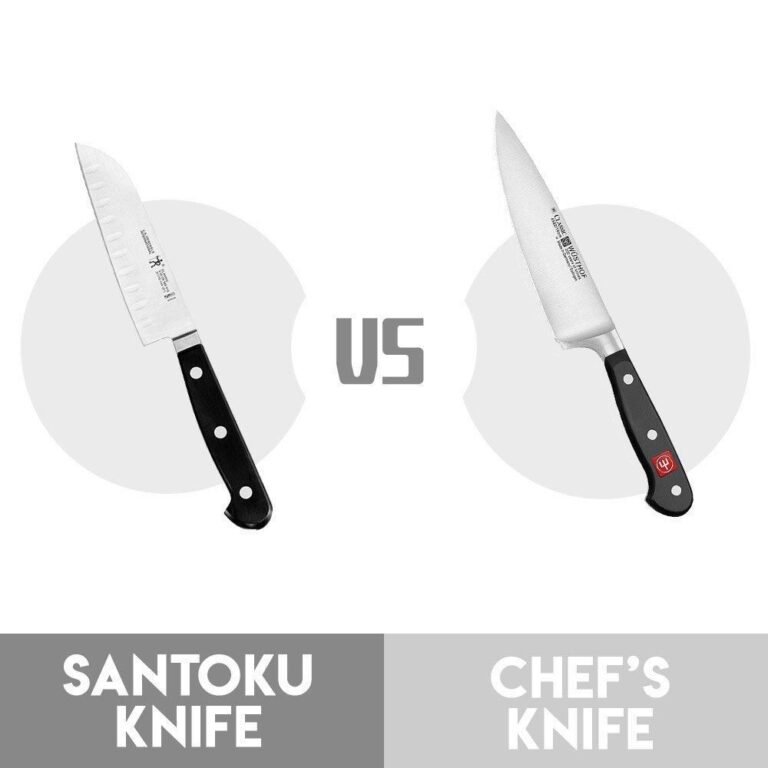
Explore this Chef Knife & Santoku Knife Comparison to learn the key differences in blade shape, cutting style, comfort, uses, and which knife fits your kitchen needs.
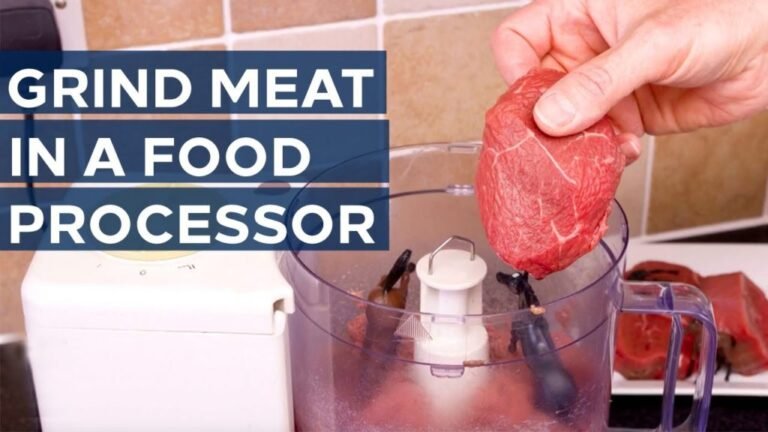
Learn how Food Processor Meat & Protein Preparation works, including grinding meat, making protein recipes, safety tips, equipment choices, and best practices for home cooks.
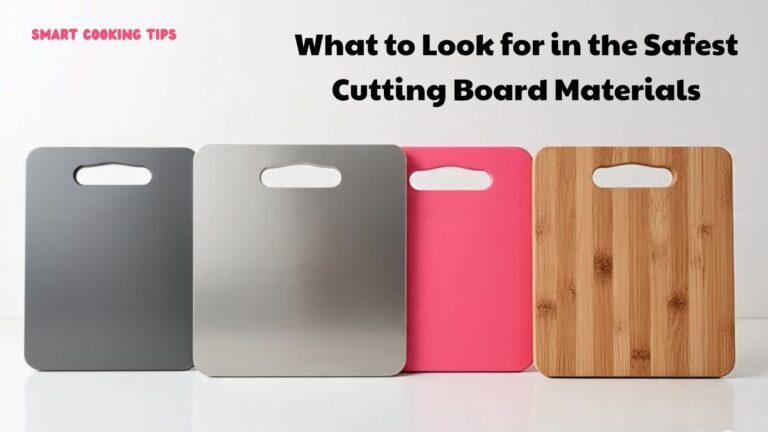
Learn how cutting board materials affect food safety. Compare wood, plastic, bamboo, glass, and composite boards to choose, clean, and maintain the safest option.