Easy cookie recipes use simple ingredients, clear steps, and reliable baking methods to help anyone make homemade cookies with less effort.
Across kitchens in the United States, cookies remain one of the most approachable homemade desserts because they usually require basic pantry ingredients such as flour, sugar, butter, eggs, and flavorings. From classic chocolate chip cookies baked for family gatherings to quick sugar cookies made with children, the best easy cookie recipes focus on simple preparation and consistent results.
The easiest cookies are not always the ones with the fewest ingredients. Good results depend on understanding small details, such as measuring flour correctly, using the right butter temperature, mixing dough without overworking it, and baking until the cookies reach the texture you want. This guide explains practical methods for making soft, chewy, crisp, and beginner-friendly cookies at home.
Source: ihearteating.com
What Makes A Cookie Recipe Easy
An easy cookie recipe reduces unnecessary steps while keeping the important parts of baking intact. A beginner-friendly recipe normally uses common ingredients, simple equipment, and instructions that clearly explain what the dough should look and feel like before baking.
Most traditional cookies follow a basic structure. Flour provides shape, butter or another fat adds flavor and tenderness, sugar creates sweetness and helps with browning, and eggs often provide moisture and structure. Changing the balance of these parts changes the final cookie.
Source: twopeasandtheirpod.com
Simple ingredients
Recipes are easier when ingredients are available in most American grocery stores and do not require specialized baking supplies.
Clear preparation
Good instructions explain mixing order, dough consistency, and baking signs instead of only listing times.
Chocolate chip cookies, sugar cookies, oatmeal cookies, and peanut butter cookies are popular starting points because their methods are familiar and easy to adjust. These recipes also help beginners learn basic baking skills that apply to many other desserts.
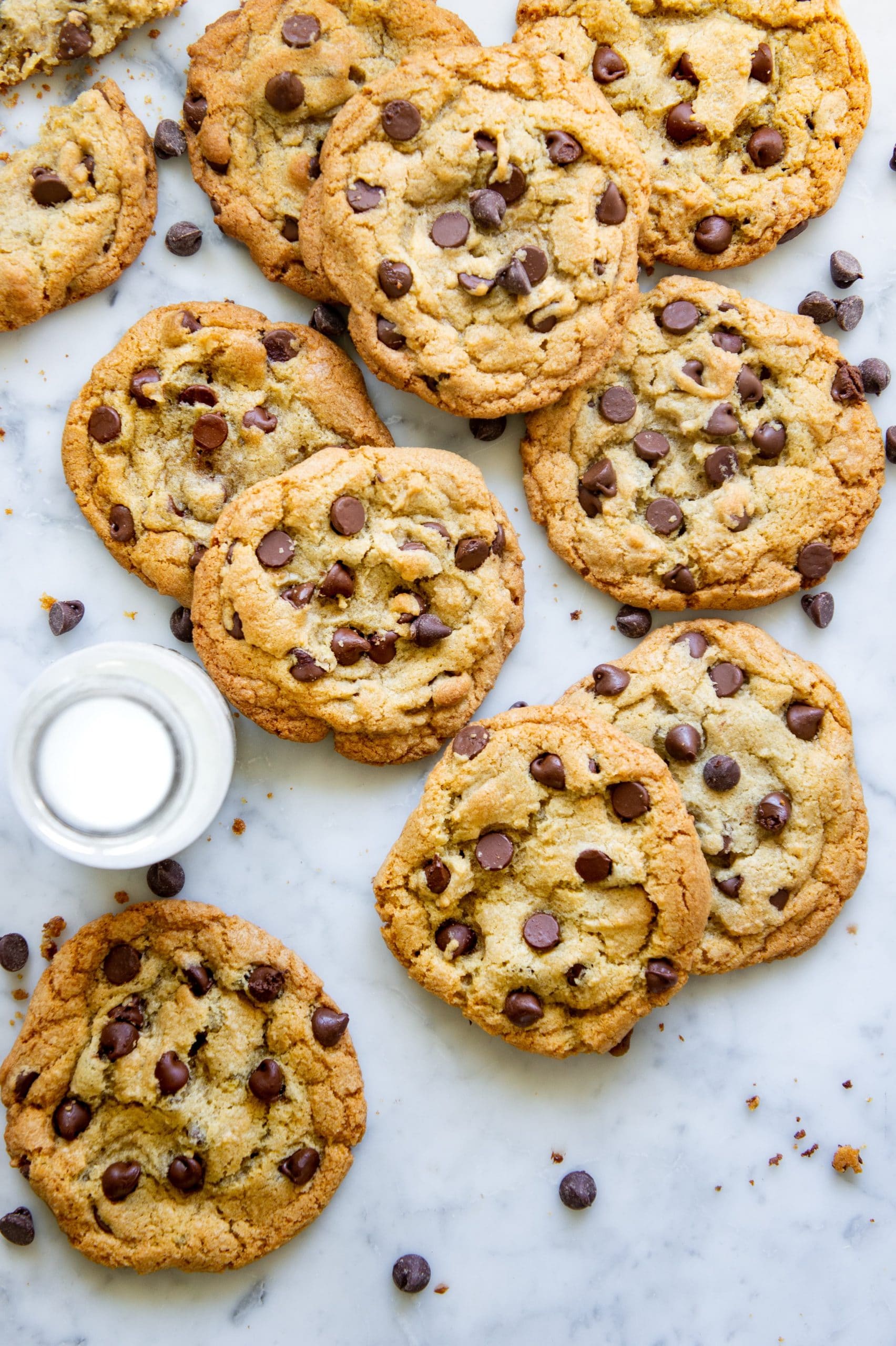
Chocolate chip cookies
A classic option that teaches the relationship between butter, sugar, flour, and mix-ins.
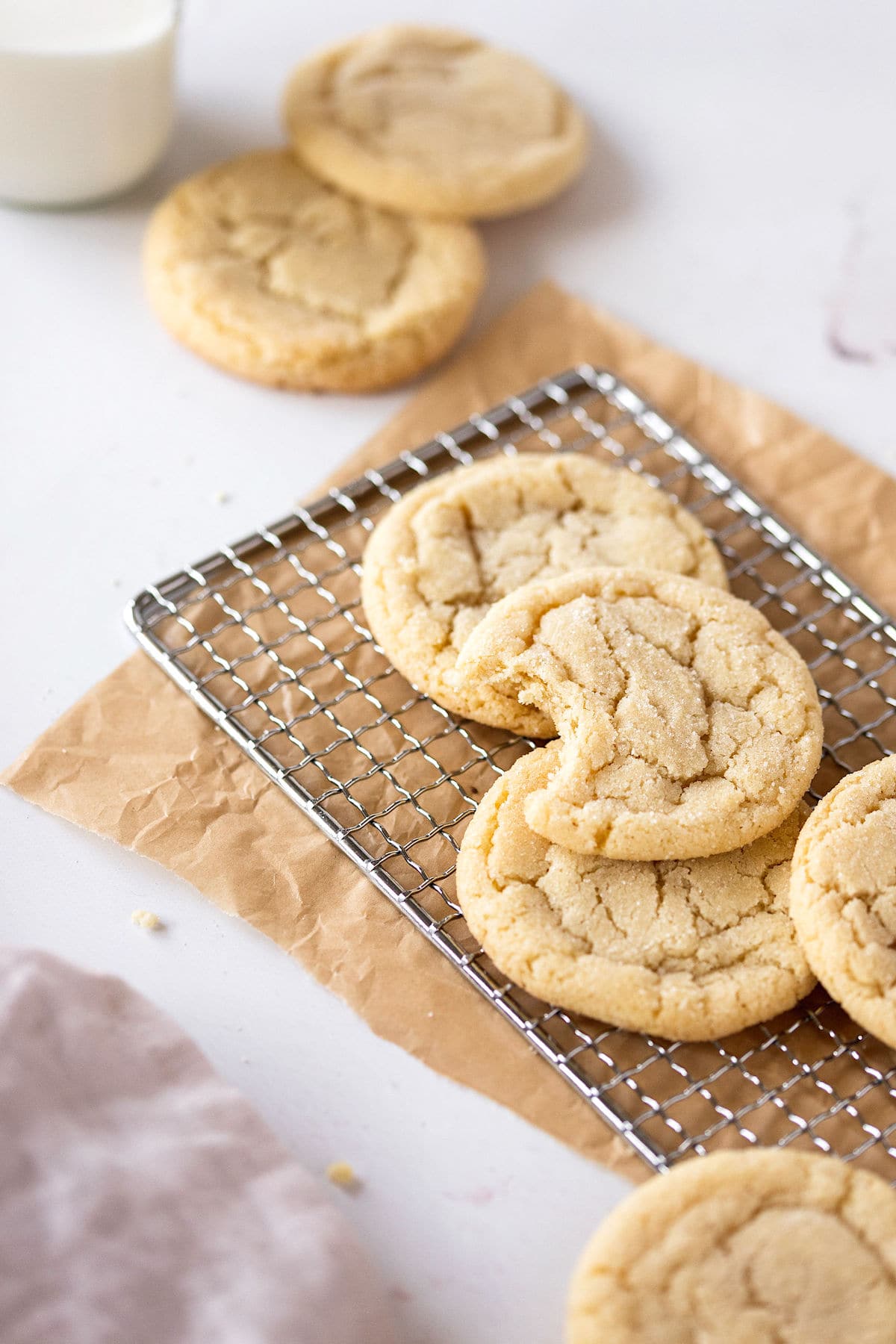
Sugar cookies
A simple dough that works well for shapes, decorating, or everyday snacks.
Essential Ingredients For Homemade Cookies
Most easy cookie recipes begin with a small group of ingredients. Understanding their purpose helps bakers make better decisions when changing recipes or fixing problems.
All-purpose flour is commonly used because it provides enough structure without making cookies too dense. Butter contributes flavor and affects spread, while sugar influences sweetness, texture, and browning.
Source: hips.hearstapps.com
Butter
Softened butter is often used for creaming with sugar, while melted butter can create a denser and chewier texture.
Sugar
White sugar usually promotes crisp edges, while brown sugar adds moisture and a softer texture.
Eggs
Eggs help bind ingredients and influence cookie structure.
Flavor additions
Vanilla extract, spices, chocolate, nuts, and dried fruit add variety without changing the basic method.
How Ingredient Temperature Affects Cookies
Ingredient temperature matters because it changes how dough forms. Room-temperature butter usually blends more evenly with sugar, while very warm butter can make dough spread too quickly in the oven.
Soft butter
Useful for cookies that require creaming butter and sugar together.
How To Make Easy Cookies Step By Step
The basic cookie-making process follows a predictable pattern: prepare ingredients, mix dough, shape cookies, bake, and cool. Following each stage carefully improves consistency.
Before starting, gather ingredients, measure everything, and prepare baking sheets with parchment paper if needed. Good preparation prevents rushed decisions during mixing.
Source: owlbbaking.com
Step 1: Mix the dry ingredients
Combine flour and other dry ingredients evenly before adding them to wet ingredients.
Step 2: Prepare the wet mixture
Blend butter, sugars, eggs, and flavorings according to the recipe method.
Step 3: Combine gently
Mix until ingredients come together. Excessive mixing can make cookies tougher.
Step 4: Bake and cool
Bake until edges and centers match the desired texture, then allow cookies to cool before moving them.
Signs Your Cookies Are Done
Cookies are usually ready when edges look set and lightly colored. The exact appearance depends on the style. Soft cookies may look slightly underdone in the center when removed because they continue cooking on the hot baking sheet.
Soft cookies
Remove when edges are set but centers remain slightly soft.
Crisp cookies
Bake longer until more moisture leaves the cookie.
Easy Cookie Recipe Variations To Try
Once the basic method is understood, small ingredient changes can create many different cookies. Variations allow home bakers to adjust flavors while keeping the same simple process.
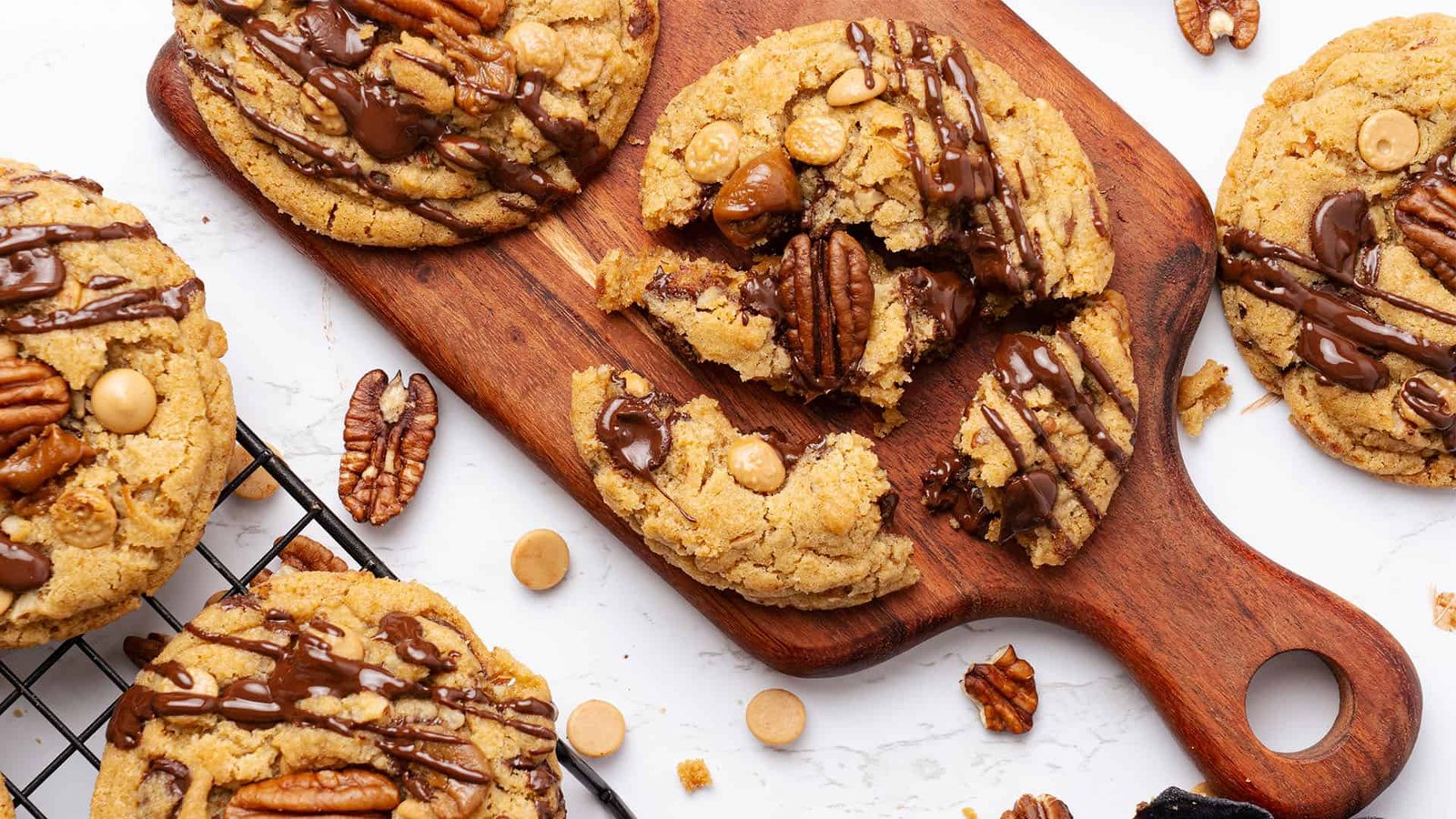
A chocolate chip cookie dough can become a nut cookie by adding chopped walnuts or pecans. A basic sugar cookie can take on seasonal flavors with cinnamon, lemon zest, or simple decorations.
Source: preciouscore.com
Chocolate variations
Use dark chocolate, milk chocolate, white chocolate, or chocolate chunks for different flavors.
Texture changes
Adjusting sugar types and baking time can create softer or crunchier results.
Flavor additions
Spices, extracts, and dried fruits provide variety without complex techniques.
Cookies For Families And Beginners
Simple cookies are useful for family baking because children can participate in measuring, mixing, and decorating. Recipes with fewer complicated steps make it easier to focus on learning basic kitchen skills.
Kid-friendly options
Choose recipes with simple shaping and safe ingredient handling steps.
Common Cookie Baking Problems And Solutions
Cookie problems usually come from ingredient measurements, dough temperature, or baking conditions. Identifying the cause helps avoid repeating the same mistake.
A cookie that spreads too much may have overly warm dough, too little flour, or butter with too much liquid content. A dry cookie may result from too much flour or excessive baking time.
Source: insanelygoodrecipes.com
Cookies spread too much
Check butter temperature, flour measurement, and whether dough needs chilling.
Cookies are too dry
Reduce overbaking and measure flour carefully.
Cookies are too hard
Avoid overmixing and consider adjusting sugar or baking time.
Frequently Asked Questions
Q
What is the easiest type of cookie to make?
Chocolate chip cookies and simple sugar cookies are often considered beginner-friendly because they use common ingredients and straightforward methods.
Q
How do I keep homemade cookies soft?
Using ingredients such as brown sugar, avoiding overbaking, and storing cookies in an airtight container can help maintain softness.
Q
Can I make cookie dough ahead of time?
Many cookie doughs can be prepared ahead and stored in the refrigerator or freezer. Follow the specific recipe instructions for storage time and baking adjustments.
Q
Why do my cookies spread too much?
Common causes include warm dough, incorrect flour measurement, too much butter, or baking sheets that are still hot from previous batches.
Q
Do I need special equipment to make cookies?
Most easy cookie recipes only require basic tools such as mixing bowls, measuring cups, a spoon or mixer, and a baking sheet.
✦ Wrapping Up
Conclusion
Easy cookie recipes are a practical way to learn baking because they combine simple ingredients with useful techniques. By understanding how flour, butter, sugar, and mixing methods affect results, beginners can make better cookies without complicated equipment.
The best approach is to start with a reliable recipe, follow measurements carefully, and adjust one variable at a time when experimenting. With practice, simple cookie dough can become the foundation for many homemade treats.
💡 Key Takeaway
Start with a basic chocolate chip or sugar cookie recipe, focus on accurate measurements, and use small changes to create your preferred texture and flavor.
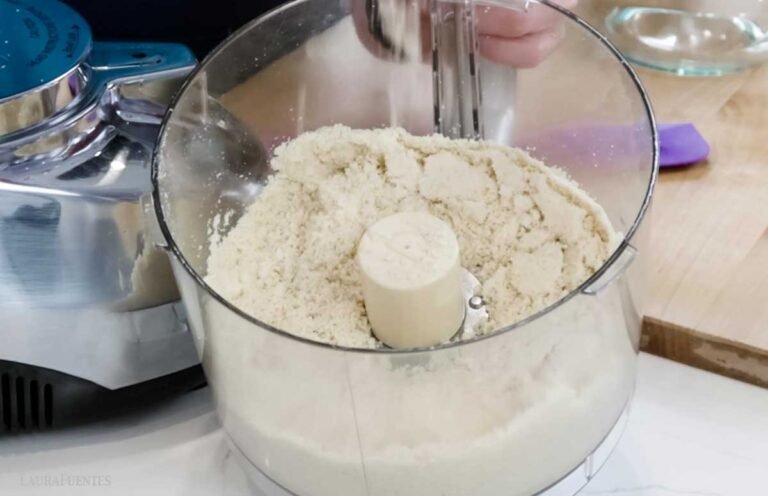
Learn how Food Processor Grains & Flour Preparation works, from grinding grains and nuts to making fresh homemade flour. Discover tips, benefits, tools, and techniques for better results.
Blend better mornings with healthy breakfast smoothie recipes—nutritious, quick, and tasty. Get ingredient tips, swaps, and 5-minute blends to fuel your day.
Get fast, flavorful meals in minutes with quick vegetarian lunch ideas—budget-friendly, protein-packed, and kid-approved. Prep smarter and eat happier.