Homemade tomato sauce is made by cooking tomatoes with aromatics, seasoning, and time until they become a smooth, flavorful sauce.
Across kitchens in the United States, homemade tomato sauce is a practical way to turn simple pantry and garden ingredients into a flexible meal base. It can be used for pasta, pizza, casseroles, soups, and many other dishes. The process does not require special equipment, but understanding tomato types, cooking time, and seasoning choices helps create better results.
A good homemade tomato sauce depends on balance. Tomatoes provide acidity and natural sweetness, while ingredients such as onions, garlic, herbs, and olive oil build deeper flavor. This guide explains the method, common mistakes, storage choices, and ways to adjust the sauce for different meals.
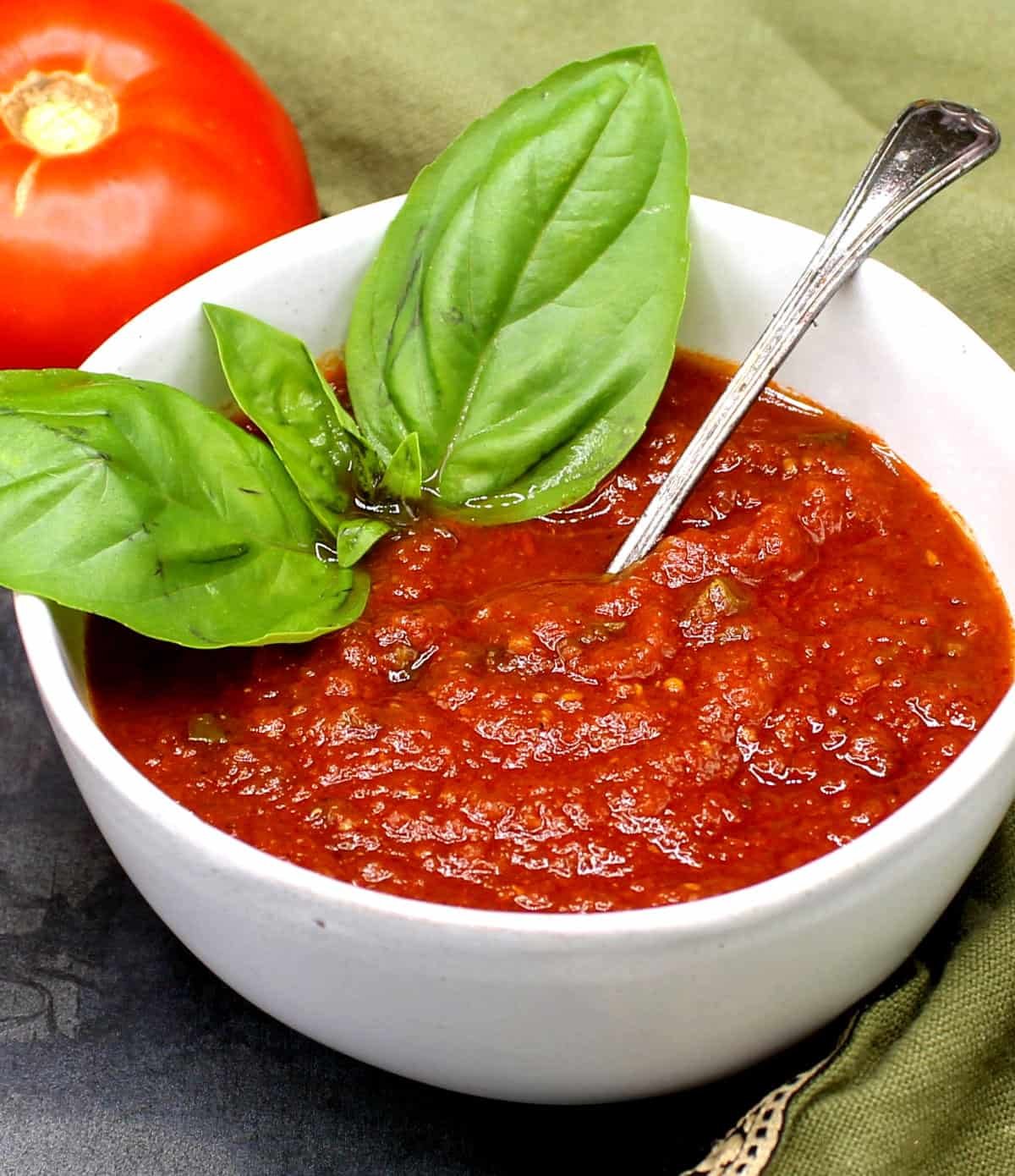
Source: oliviascuisine.com
What Is Homemade Tomato Sauce?
Homemade tomato sauce is a cooked sauce prepared from tomatoes and other ingredients instead of a ready-made jar. The basic version usually contains tomatoes, olive oil or another cooking fat, onion, garlic, herbs, and salt. Some versions are smooth, while others keep small pieces of tomato for texture.
The main purpose of tomato sauce is to concentrate the natural qualities of tomatoes. Fresh tomatoes contain water, acids, sugars, and flavor compounds. Cooking removes some water and allows the flavors to combine, creating a thicker and more balanced sauce.
The best recipe depends on how the sauce will be used. A pizza sauce may need a thicker texture, while a pasta sauce may benefit from a looser consistency that coats noodles easily.
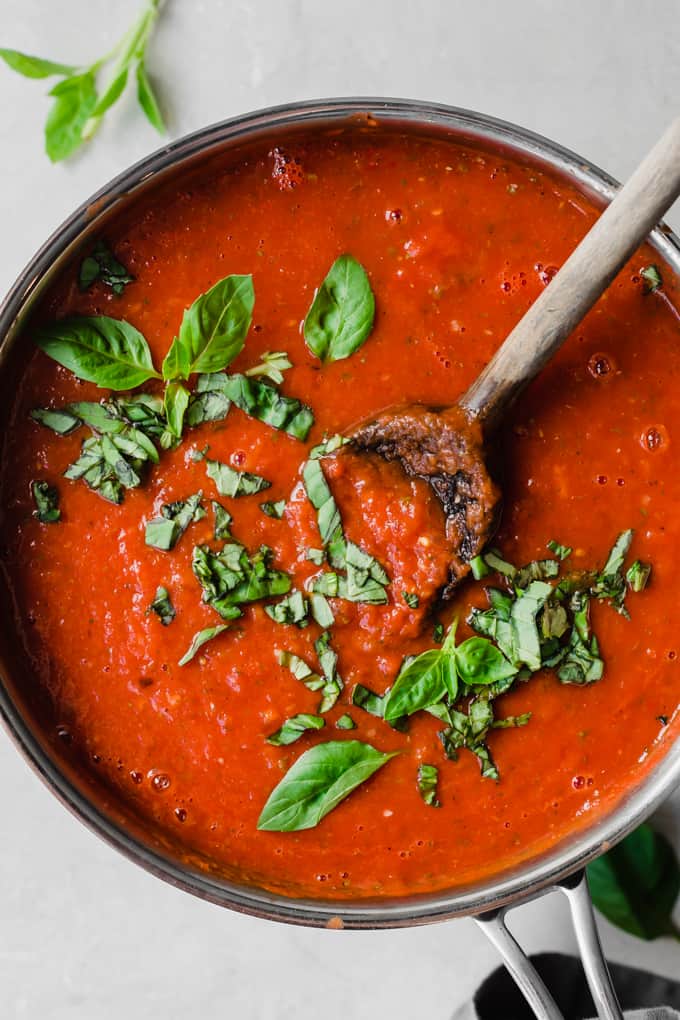
Source: cdn.loveandlemons.com
Main ingredient
Tomatoes provide the color, acidity, sweetness, and body of the sauce.
Flavor builders
Onion, garlic, herbs, and spices add depth without replacing the tomato flavor.
Cooking method
Slow simmering helps reduce water and develop a smoother taste.
Fresh Tomatoes Or Canned Tomatoes?
Both fresh and canned tomatoes can make good homemade tomato sauce. Fresh tomatoes are useful when they are ripe and in season, especially from local farms or gardens. Their flavor can vary widely depending on growing conditions and variety.
Canned tomatoes are often a practical choice because they provide consistent flavor throughout the year. Many home cooks use canned whole tomatoes because they can control the texture by crushing or blending them during cooking.
Fresh tomatoes
Best when tomatoes are naturally ripe and flavorful.
Canned tomatoes
Convenient for consistent results and year-round cooking.
How To Make Homemade Tomato Sauce Step By Step
Making homemade tomato sauce follows a simple process: prepare ingredients, build flavor, cook the tomatoes, adjust the texture, and season before serving. Each stage affects the final result.
The goal is not only to cook tomatoes but to create a sauce with a pleasant balance of flavor and texture. Rushing the cooking process can leave the sauce watery, while controlled simmering helps create a richer result.
Source: asimplepalate.com
Step 1: Prepare the tomatoes
Wash fresh tomatoes or prepare canned tomatoes. Remove skins or seeds if a smoother sauce is desired.
Step 2: Cook aromatics
Cook onions and garlic gently until their flavors become softer and sweeter.
Step 3: Add tomatoes
Combine tomatoes with seasonings and allow the mixture to simmer.
Step 4: Adjust texture
Blend for a smooth sauce or leave pieces for a rustic style.
Signs Your Sauce Is Ready
A finished tomato sauce should coat a spoon lightly instead of looking watery. The color often becomes deeper as the tomatoes cook and excess moisture leaves the pan.
Taste is the best guide. The sauce should have tomato flavor first, with seasoning supporting rather than covering it.
Texture
The sauce should be thick enough to cling to food but still spread easily.
Flavor
The acidity should feel balanced with natural tomato sweetness.
Ingredients That Change The Final Sauce
Small ingredient changes can create very different homemade tomato sauces. There is no single correct formula because the best combination depends on taste preferences and the meal being prepared.
Understanding each ingredient’s role makes it easier to adjust recipes without losing balance.
Source: therecipecritic.com
Tomatoes
Different tomato varieties change sweetness, acidity, and texture.
Garlic and onion
These create a savory base and support the tomato flavor.
Herbs
Basil, oregano, and parsley can add fresh or earthy notes.
Fat
Olive oil can help carry flavors and create a smoother mouthfeel.
How To Fix Common Tomato Sauce Problems
Most tomato sauce problems come from too much water, too much acidity, weak seasoning, or overcooking. The solution depends on the specific issue.
Avoid adding many ingredients at once when fixing a sauce. Make one small adjustment, taste, and continue if needed.
Too acidic
Longer cooking can soften acidity. A small amount of sweetness or additional ingredients may also help balance flavor.
Too watery
Simmer uncovered to allow excess moisture to evaporate.
Too bland
Check salt level and add herbs or aromatics gradually.
Storage And Safety For Homemade Tomato Sauce
Homemade tomato sauce should be cooled and stored correctly to maintain quality and reduce food safety risks. After cooking, allow the sauce to cool before placing it in storage containers.
Refrigeration is suitable for short-term storage. Freezing is often useful when making larger batches because tomato sauce generally holds its flavor and texture well after thawing.
Source: primaverakitchen.com
Refrigerator storage
Store cooled sauce in a clean sealed container and use it within a safe storage period recommended for cooked foods.
Freezer storage
Freeze portions that match future meals to make reheating easier.
Reheating
Heat sauce thoroughly and stir to restore an even texture.
Ways To Use Homemade Tomato Sauce
Homemade tomato sauce works as a foundation for many meals. Its simple flavor allows it to support other ingredients without overpowering them.
A single batch can become different dishes by changing seasonings, texture, or added ingredients.
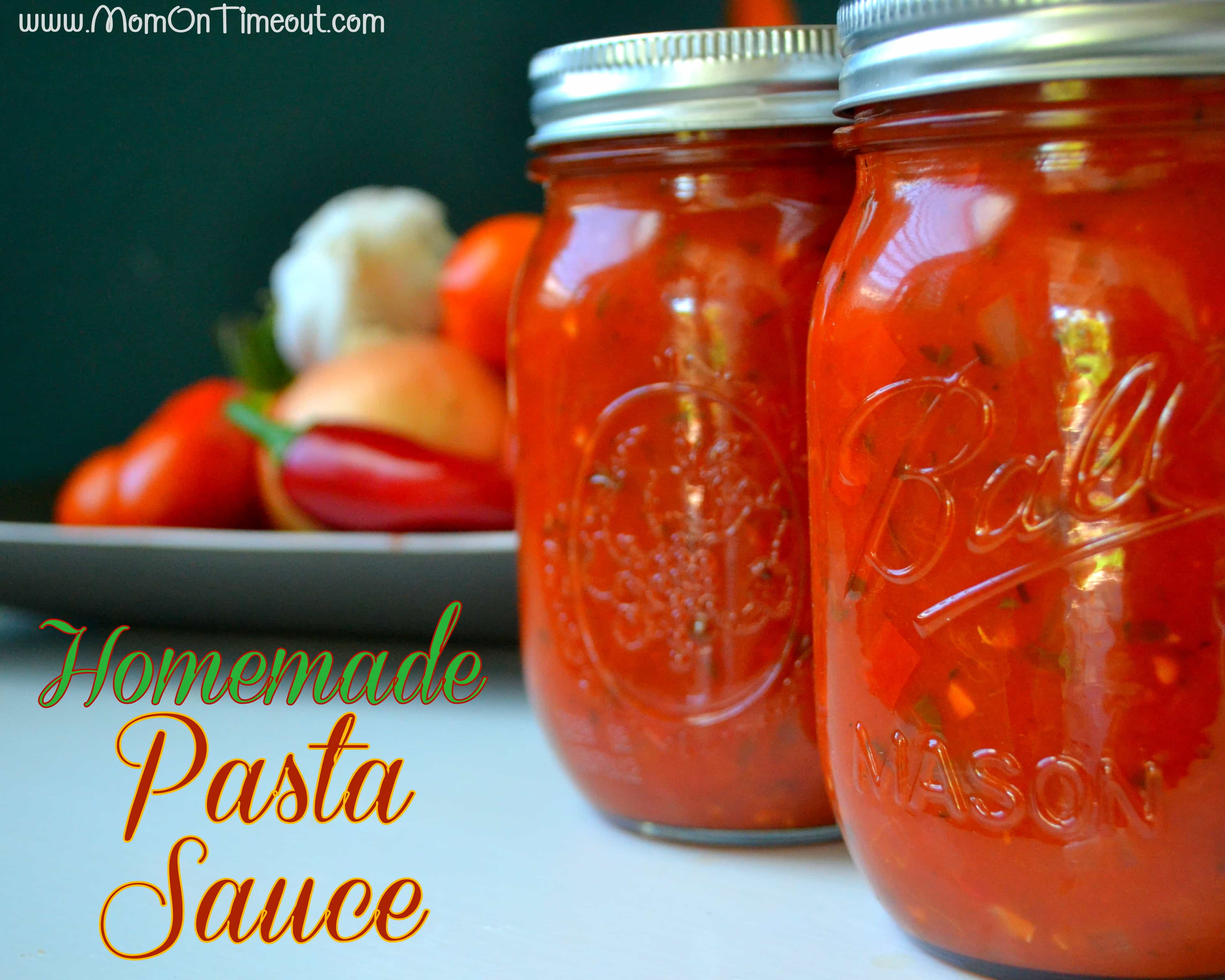
Source: momontimeout.com
Pasta dishes
Use the sauce with noodles, vegetables, cheese, or proteins.
Pizza
A thicker sauce works well as a base under toppings.
Tomato sauce can add body and flavor to cooked dishes.
Frequently Asked Questions
Q
Can I make homemade tomato sauce without fresh tomatoes?
Yes. Canned tomatoes are commonly used for homemade tomato sauce and can provide reliable results when fresh tomatoes are unavailable or out of season.
Q
How long should homemade tomato sauce cook?
Cooking time depends on the recipe, tomato type, and desired thickness. A longer gentle simmer usually creates a more concentrated flavor and thicker texture.
Q
Why does my tomato sauce taste bitter?
Bitterness can come from overcooked garlic, certain tomato varieties, or excessive seasoning. Adjust gradually and focus on balancing the main flavors.
Q
Can homemade tomato sauce be frozen?
Yes. Freezing is a practical way to store extra sauce. Divide it into useful portions and thaw before reheating.
Q
What makes homemade tomato sauce different from store-bought sauce?
Homemade sauce allows control over ingredients, seasoning, texture, and cooking time. Store-bought sauces offer convenience and consistency.
✦ Wrapping Up
Conclusion
Homemade tomato sauce is a simple cooking skill that creates a useful base for many meals. The key steps are choosing good tomatoes, building flavor with aromatics, cooking slowly, and adjusting the final texture.
Once the basic method is understood, the recipe can be changed for different dishes and personal tastes. A carefully prepared tomato sauce shows how a few everyday ingredients can create something versatile and flavorful.
💡 Key Takeaway
Start with quality tomatoes, cook the sauce slowly, taste as you go, and adjust only the areas that need improvement.