Blender Blending Performance & Consistency: A Complete Guide to Faster, Smoother Results
Blender Blending Performance & Consistency is the difference between a rough mixture and a smooth, reliable result. In homes across the United States, people use blenders for smoothies, sauces, soups, and meal preparation. The final texture often depends on more than just the blender brand.
After years of reviewing blending methods and testing different preparation styles, I have found that consistent results come from matching the blender settings to the task. Blender Blending Performance & Consistency improves when users understand how ingredients, speed levels, and blending time work together.
Understanding Blender Blending Performance & Consistency
Blender Blending Performance & Consistency describes how well a blender creates the same quality result each time. A strong blender should break down ingredients evenly without leaving large pieces or uneven layers.
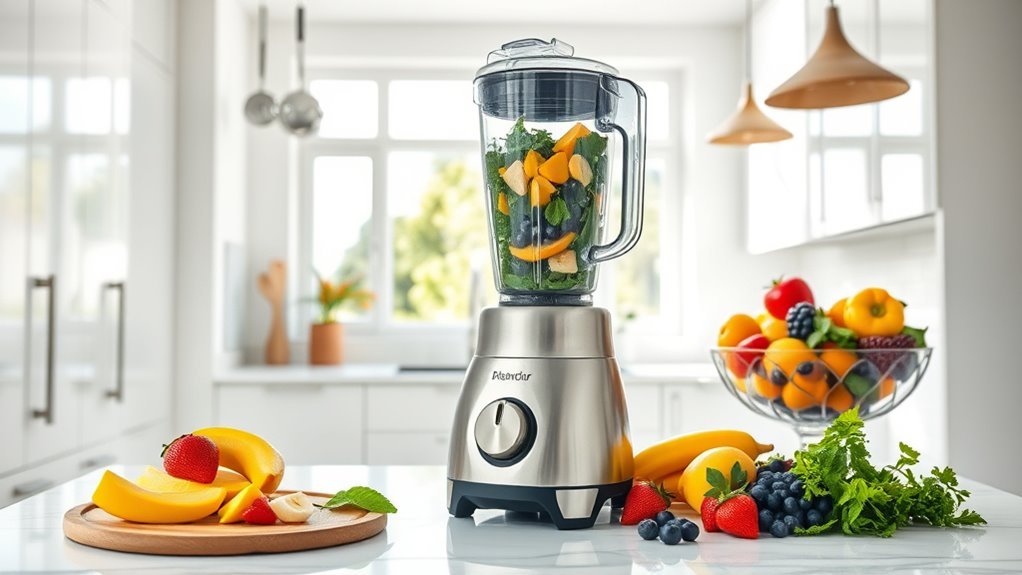
Performance depends on several parts working together. The motor provides power, the blades create movement, and the container shape helps guide ingredients toward the cutting area.
- ✦ Motor strength
A stronger motor can handle dense foods like frozen fruit, nuts, and thick mixtures with less strain.
- ✦ Blade efficiency
Sharp, well-designed blades improve ingredient breakdown and help create smoother textures.
- ✦ Speed control
Multiple speed options allow users to adjust blending for different recipes.
Why Consistency Matters
Consistent blending saves time and creates predictable results. This matters for daily smoothies, family meals, and professional food preparation.
Blender Blending Performance & Consistency is especially important when making recipes that need a specific texture, such as sauces or purees.
- ✦ Better texture control
Consistent blending creates smoother and more enjoyable food textures.
Key Factors That Affect Blender Blending Performance & Consistency
Many users blame the blender when results are poor, but ingredient choices and preparation habits often create problems. Understanding these factors helps improve Blender Blending Performance & Consistency.
The order of ingredients, liquid amount, and blending duration can change the final outcome. Even a high-quality blender needs correct use to perform well.
- ✦ Ingredient size
Smaller pieces usually blend faster because blades can process them more easily.
- ✦ Liquid balance
The right amount of liquid helps ingredients move smoothly around the blades.
- ✦ Blending time
Too little time creates chunks, while too much time may affect texture and temperature.
The Role of Blade Movement
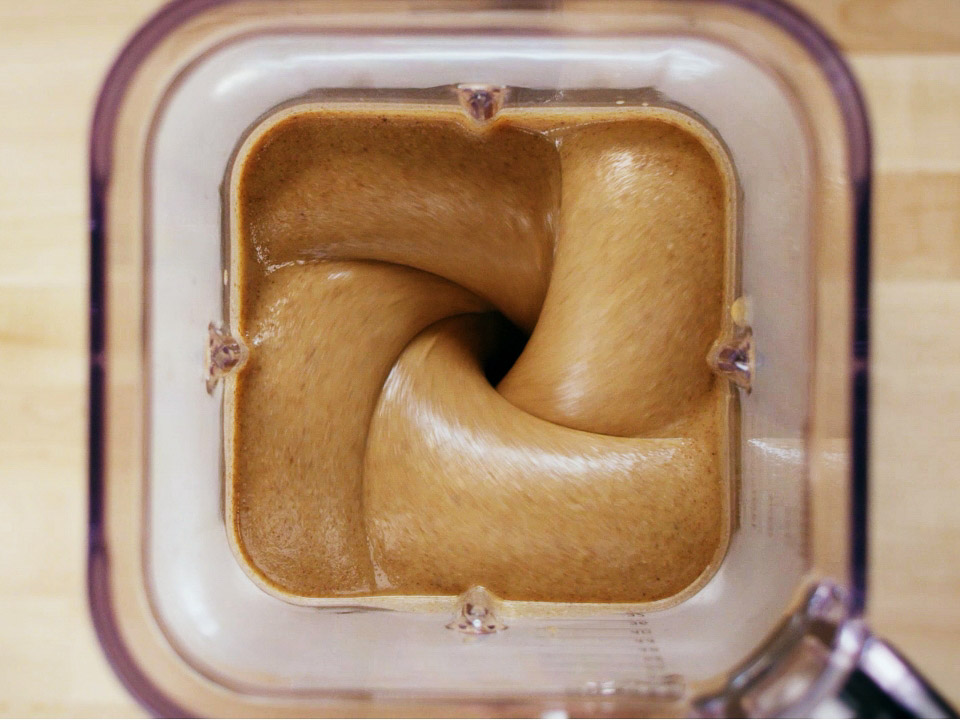
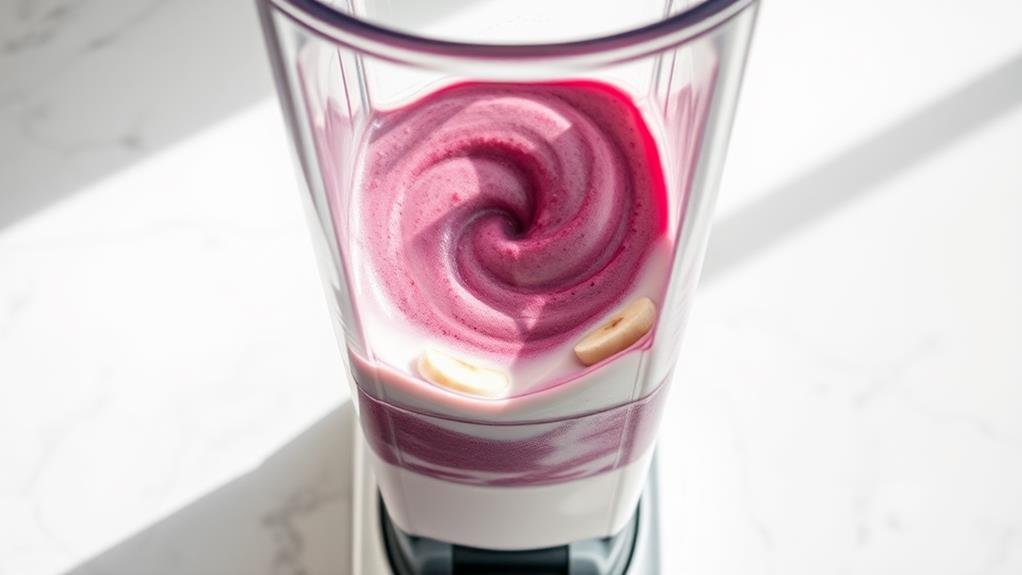
Blade movement creates a circulation pattern inside the jar. This movement pulls ingredients down and pushes blended material upward.
A good circulation pattern supports better Blender Blending Performance & Consistency because fewer ingredients remain untouched.
- ✦ Better circulation
Efficient movement reduces uneven mixing and improves final texture.
How Speed Settings Improve Blending Results
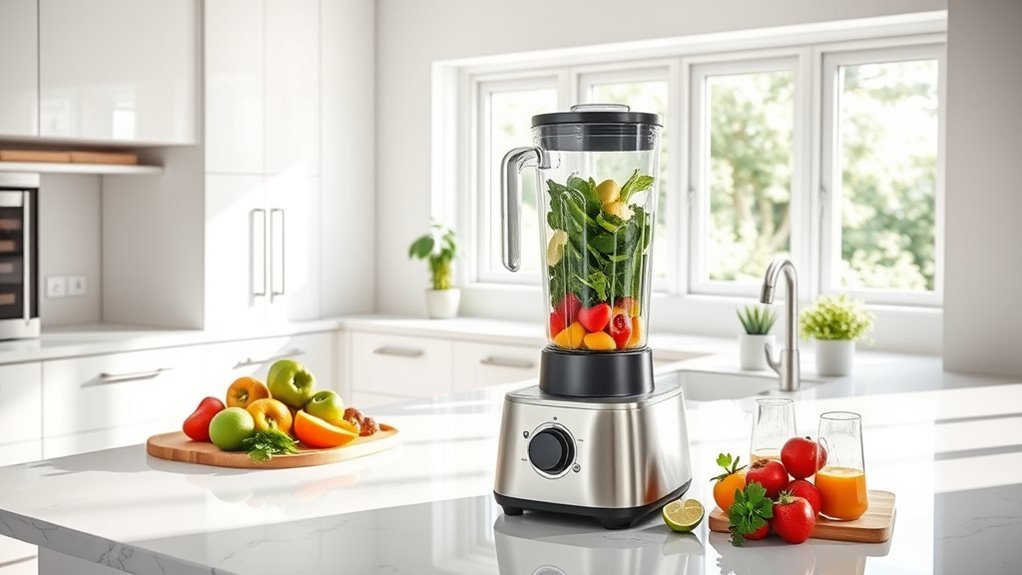
Speed settings give users more control over texture and processing time. Starting slowly often helps combine ingredients before moving to higher speeds.
Blender Blending Performance & Consistency improves when users avoid using maximum speed for every recipe. Different foods need different approaches.
- ✦ Low speed
Useful for mixing soft ingredients and preventing unnecessary splashing.
- ✦ Medium speed
Works well for everyday smoothies, drinks, and sauces.
- ✦ High speed
Best for breaking down tough ingredients and creating very smooth textures.
Common Problems That Reduce Blender Consistency
Poor Blender Blending Performance & Consistency often comes from simple mistakes. Overfilling the container, using incorrect settings, or skipping preparation steps can reduce results.
Identifying these problems helps users get more value from their equipment and avoid unnecessary replacements.
- ✦ Overloading the jar
Too many ingredients can stop proper circulation and leave uneven pieces.
- ✦ Wrong ingredient order
Hard ingredients placed incorrectly may prevent smooth blade movement.
- ✦ Poor maintenance
Dull blades and residue buildup can reduce blending quality over time.
Simple Fixes for Better Results
Use smaller portions, add enough liquid, and clean the blender after every use. These habits support reliable Blender Blending Performance & Consistency.
Small improvements often create noticeable changes without requiring expensive equipment upgrades.
- ✦ Regular care
Clean parts and inspect blades to maintain steady performance.
Professional Tips for Better Blender Performance
Professional kitchens focus on repeatable results. The same idea applies at home. A consistent process creates better Blender Blending Performance & Consistency.
Before blending, prepare ingredients, select the right speed, and check the texture during the process instead of waiting until the end.
- ✦ Prepare ingredients first
Cut large foods into smaller pieces for easier processing.
- ✦ Use pulse settings
Short bursts can improve control for thick mixtures.
- ✦ Avoid unnecessary strain
Give the motor breaks when processing very dense foods.
Maintaining Long-Term Blender Blending Performance & Consistency
Long-term performance depends on regular care. Cleaning, checking parts, and using the blender correctly can protect its function for years.
Blender Blending Performance & Consistency remains stronger when users treat the machine as a precision tool instead of a simple appliance.
- ✦ Clean after use
Removing food residue helps prevent odors and performance issues.
- ✦ Check blade condition
Damaged or worn blades can affect texture quality.