Hydrogen Water Bottle Usage & Safety: A Complete Guide for Safe Everyday Use
Hydrogen water bottles are portable devices that add dissolved molecular hydrogen, or H2, to drinking water. Many models use electrolysis to produce hydrogen inside the bottle. For a typical U.S. user, the safest approach is simple: treat the bottle as an electrical appliance and the water as a food product.
Good Hydrogen Water Bottle Usage & Safety starts with the basics. Use safe drinking water, keep the bottle clean, charge it as directed, and never use a damaged unit. The science on hydrogen-rich water is interesting, but claims about major health effects often go beyond what current human research can prove.
A useful habit is to read the bottle manual before the first use. Models vary in electrode design, cycle length, charging method, cleaning steps, and water limits. A safe routine for one bottle may not be right for another.
The evidence so far suggests that molecular hydrogen has a favorable safety profile when used in studied forms and amounts. However, that does not mean every bottle is equally safe or that every health claim is proven. Product quality and correct use still matter.

What Is a Hydrogen Water Bottle and How Does It Work?
A hydrogen water bottle is a reusable bottle designed to dissolve molecular hydrogen gas into water. Most portable models use electrolysis. An electrical current passes through water and helps produce hydrogen gas at an electrode.
The goal is not to change the water into a new type of chemical. The goal is to add dissolved H2. Hydrogen has very low solubility in water, so the amount can fall over time, especially when the bottle stays open or the water sits for a long period.
Hydrogen Water Bottle Usage & Safety therefore includes both the production step and the drinking step. A bottle can work as designed while still being used poorly if the user ignores cleaning, charging, water quality, or storage instructions.

- ✦ Molecular hydrogen
Molecular hydrogen is H2, a gas made of two hydrogen atoms. It is different from hydrogen peroxide and should not be confused with it.
- ✦ Electrolysis
Many bottles use an electrical process called electrolysis to generate hydrogen from water. The exact design differs by product.
- ✦ Dissolved hydrogen
The useful form in hydrogen water is dissolved molecular hydrogen. It can escape from water because hydrogen gas is highly volatile.
- ✦ Bottle cycle
The bottle normally runs for a set period. Users should not assume that a longer cycle always means better water or better results.
Hydrogen Water Is Not the Same as Alkaline Water
Hydrogen water and alkaline water are often sold together, but they are not the same thing. Hydrogen water focuses on dissolved H2. Alkaline water focuses on pH and may contain added minerals or other changes.
Some devices produce both hydrogen and changes in pH. If a bottle also creates alkaline or electrolyzed reduced water, check its pH range and safety instructions. People with kidney problems or other medical concerns should ask a health professional before using products that significantly alter mineral or electrolyte intake.
- ✦ Check the product claims
Look for clear information about hydrogen production, water limits, materials, cleaning, and testing rather than relying only on broad wellness claims.
- ✦ Do not assume all bottles are alike
Electrodes, membranes, batteries, charging ports, and operating cycles can differ from one model to another.
How to Use a Hydrogen Water Bottle Safely
The safest routine is easy to repeat. Start with clean drinking water that is suitable for the bottle. Do not add juice, soda, flavored drinks, powders, oils, or other substances unless the manufacturer clearly says the bottle supports them.
Fill the bottle only to the marked level. Close it correctly, start the normal hydrogen cycle, and wait for the cycle to finish. Once the water is ready, drinking it soon can help limit the loss of dissolved hydrogen.
Hydrogen Water Bottle Usage & Safety also means knowing when not to use the bottle. Do not run it if the bottle is cracked, the charging port is wet, the cable is damaged, or the unit shows unusual heat, odor, swelling, leaking, or other signs of damage.
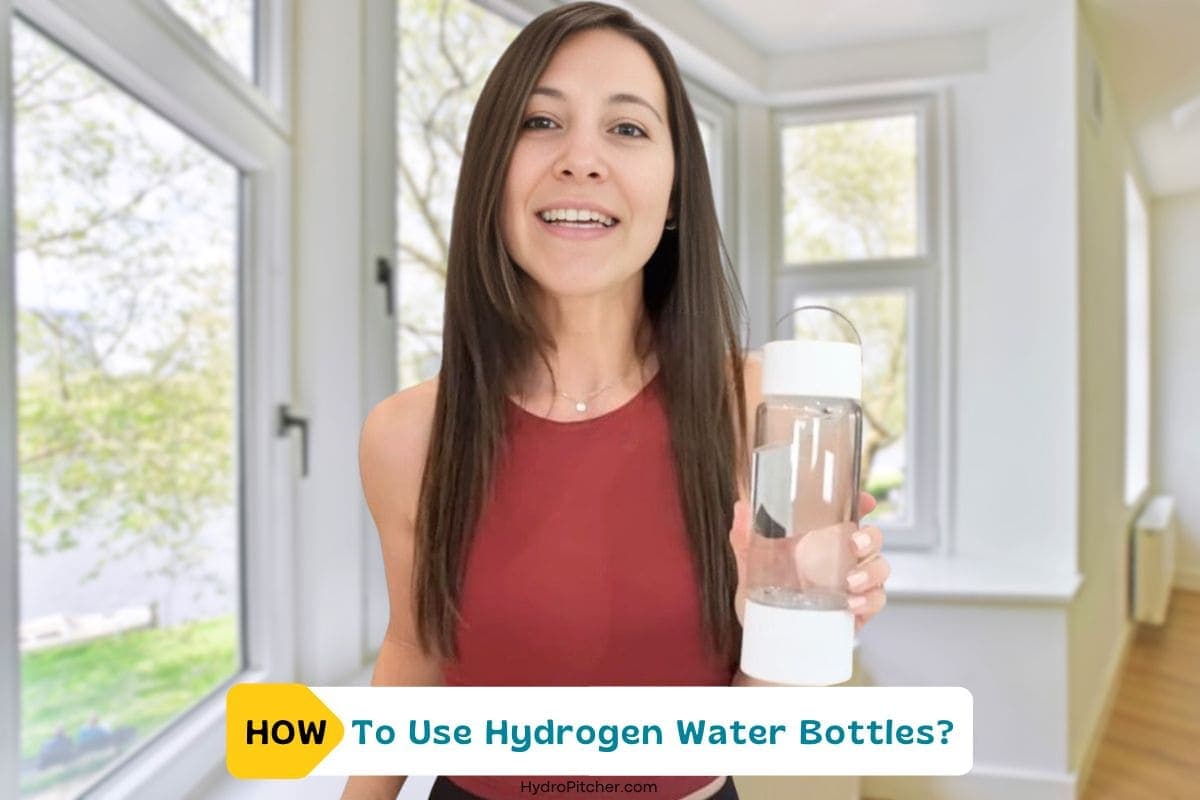
- ✦ 1. Start with clean water
Use potable water that fits the manufacturer’s instructions. Filtered or bottled water may be suitable, but the manual should guide your choice.
- ✦ 2. Stay below the fill line
Overfilling can cause leaks and may allow water to reach areas that should stay dry.
- ✦ 3. Run the normal cycle
Use the preset cycle or the time stated in the manual. More time is not automatically better.
- ✦ 4. Drink it fresh
Hydrogen can leave water over time. Keep the bottle closed when possible and drink the water soon after the cycle.
- ✦ 5. Empty unused water
Do not leave water sitting in the bottle for long periods. Empty and clean the bottle as directed.
A Simple Daily Routine
A simple routine can fit into a normal U.S. workday. Fill the bottle in the morning, run the recommended cycle, drink the water, and rinse the bottle after use. If you use the bottle several times a day, follow the maker’s limits for repeated cycles.
For travel, keep the bottle clean and protected from impact. Do not place a wet charging port against a charger. If you fly, follow current airline rules for lithium batteries and electronic devices because battery designs can vary.
- ✦ Morning use
Fill with suitable drinking water, run the normal cycle, and drink it soon after production.
- ✦ After exercise
Use plain drinking water unless the manufacturer gives different instructions. Replace electrolytes when needed rather than assuming hydrogen water provides them.
- ✦ At work
Keep the bottle upright and away from spills, heat, and direct impact.
Hydrogen Water Bottle Safety: What Are the Main Risks?
For most users, the key safety issues are practical rather than dramatic. A properly made bottle used according to its instructions is different from loose hydrogen gas equipment or an improvised electrolysis setup.
Hydrogen itself is highly flammable as a gas. That is why commercial devices are designed to produce and dissolve small amounts of hydrogen in water rather than store a large tank of hydrogen for normal drinking use. Never modify the device or try to collect hydrogen gas for another purpose.
Research on hydrogen-rich water has generally reported good short-term tolerance. Still, studies vary in dose, water concentration, duration, and device type. Evidence about long-term everyday use is less complete than the marketing language used by some sellers may suggest.
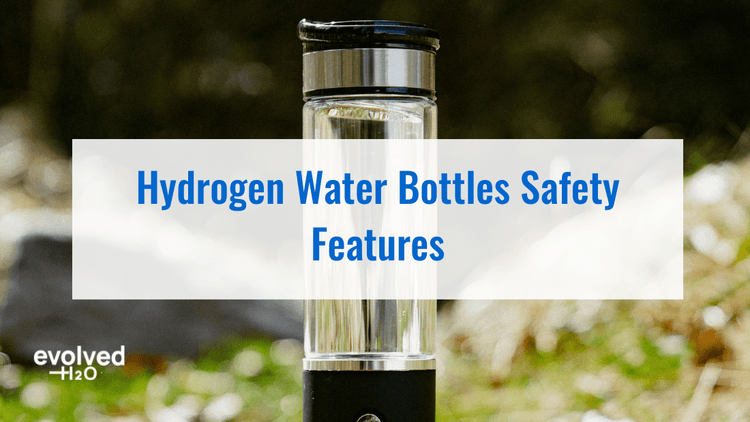
- ✦ Electrical safety
Keep the charging connection dry. Do not use a charger, cable, or bottle that shows damage.
- ✦ Heat and fire
Keep the device away from flames, high heat, and other ignition sources. Hydrogen gas is flammable.
- ✦ Contamination
A bottle that stays wet and dirty can develop odors, biofilm, or other contamination. Regular cleaning matters.
- ✦ Device damage
Cracks, leaks, swelling, unusual heat, or electrical faults are reasons to stop using the bottle.
- ✦ Wrong liquids
Do not put beverages or chemicals into the bottle unless the manufacturer specifically permits them.
Can Hydrogen Water Explode?
Dissolved hydrogen in drinking water is not the same situation as a container filled with a large volume of hydrogen gas. The practical concern is the flammability of hydrogen gas that may be released during production or handling.
Do not deliberately vent, collect, compress, heat, or ignite hydrogen from a water bottle. Use the device in its intended form and keep it away from open flames and sparks.
- ✦ Use the device as designed
Do not alter the bottle, remove safety parts, bypass controls, or connect it to homemade equipment.
- ✦ Keep flames away
Do not use hydrogen-producing equipment near candles, gas burners, smoking materials, or other ignition sources.
Can Hydrogen Water Make You Sick?
Human studies have generally found few adverse effects from drinking hydrogen-rich water under the conditions studied. That does not prove that every person or every product will respond in the same way.
If you develop repeated stomach discomfort, unusual symptoms, or another health problem after starting a new product, stop using it and speak with a health professional. Also check the ingredients and materials of the specific bottle, especially if it adds minerals or changes water chemistry.
- ✦ Medical conditions
Ask a clinician before regular use if you have a condition that requires strict control of fluids, minerals, electrolytes, or dietary intake.
- ✦ Medication concerns
Do not use hydrogen water as a substitute for prescribed treatment. Ask your clinician about any concern involving a medication or medical condition.
How Much Hydrogen Water Should You Drink?
There is no single universally accepted daily dose of hydrogen water for healthy adults. Human studies have used different volumes and hydrogen concentrations, so a research dose should not be treated as a universal recommendation for every consumer.
Many people use a hydrogen water bottle as another way to drink water. That is a reasonable practical approach, but there is no need to force large amounts of water simply to chase a higher hydrogen intake. Normal hydration needs depend on body size, activity, climate, diet, and health.
Hydrogen Water Bottle Usage & Safety is partly about avoiding the idea that more must be better. Running a bottle again and again or drinking excessive water can create problems without providing a proven extra benefit.

- ✦ Follow the bottle instructions
Use the recommended cycle and stated operating limits rather than creating your own high-frequency routine.
- ✦ Prioritize hydration
Plain water remains a reliable way to meet everyday fluid needs. Hydrogen water should not replace sensible hydration habits.
- ✦ Do not chase claims
Higher advertised hydrogen numbers do not automatically mean better health outcomes. Product concentration and clinical benefit are separate questions.
- ✦ Consider your health needs
People with fluid restrictions or conditions that affect water or electrolyte balance should follow medical advice.
What Does Research Say About Hydrogen Water Benefits?
Researchers are studying molecular hydrogen for possible effects related to oxidative stress, inflammation, exercise recovery, metabolic health, and other areas. Some small human studies have reported promising findings, but results are not consistent enough to treat hydrogen water as a proven therapy.
A systematic review of human research found growing interest in hydrogen-rich water but also noted the need for larger and stronger studies. A later clinical trial involving 675 adults with mild-to-moderate COVID-19 found no benefit over placebo for preventing clinical worsening. This is a useful reminder that an interesting biological theory does not guarantee a clinical benefit.
For consumers, the most accurate view is that hydrogen water is an area of ongoing research. It may have potential, but strong claims about disease prevention, treatment, anti-aging effects, or major performance gains should be treated with caution.
- ✦ Possible research areas
Studies have examined oxidative stress, inflammation, exercise, metabolic markers, cardiovascular health, and other conditions.
- ✦ Evidence limits
Many studies are small, short, or use different hydrogen concentrations and protocols, which makes broad conclusions difficult.
- ✦ Health claims
Hydrogen water should not be presented as a cure or replacement for established medical treatment.
Cleaning and Maintaining a Hydrogen Water Bottle
Cleaning is one of the most important parts of Hydrogen Water Bottle Usage & Safety. The bottle holds drinking water, so its inside should stay clean and free of buildup. A dirty bottle can become a much bigger problem than the hydrogen feature itself.
Rinse the bottle after use and follow the manufacturer’s cleaning method. Some bottles have membranes, electrodes, seals, or electronic parts that can be damaged by harsh cleaners, abrasive tools, or soaking.
Never guess when cleaning an electronic bottle. The manual should tell you which parts can get wet, whether the base can be removed, what cleaning solution is safe, and how often deeper cleaning should occur.
- ✦ Rinse after use
Empty leftover water and rinse the drinking chamber as directed. This helps limit buildup and odors.
- ✦ Dry the charging area
Keep electrical contacts and charging ports dry. Never connect power while the port or connector is wet.
- ✦ Avoid harsh chemicals
Do not use bleach, strong acids, abrasive powders, or other cleaners unless the manufacturer specifically approves them.
- ✦ Inspect seals
Check lids, gaskets, threads, and other sealing parts for cracks or wear.
- ✦ Watch the electrode area
Mineral buildup can affect some electrolysis systems. Follow the product’s descaling or electrode-care instructions.
How Often Should You Clean It?
A quick rinse after regular use is a good habit. A deeper clean should follow the product manual because the correct schedule depends on water type, use frequency, materials, and device design.
If you notice a smell, film, cloudiness, unusual taste, or visible buildup, clean the bottle before using it again. If the problem remains after proper cleaning, stop using the device and contact the manufacturer.
- ✦ Daily
Empty unused water and rinse the drinking chamber when the manufacturer allows it.
- ✦ Regular deep cleaning
Follow the manual for descaling, membrane care, and cleaning of removable parts.
- ✦ After storage
Clean and fully dry the bottle before storing it for an extended period.
Charging, Battery, and Electrical Safety
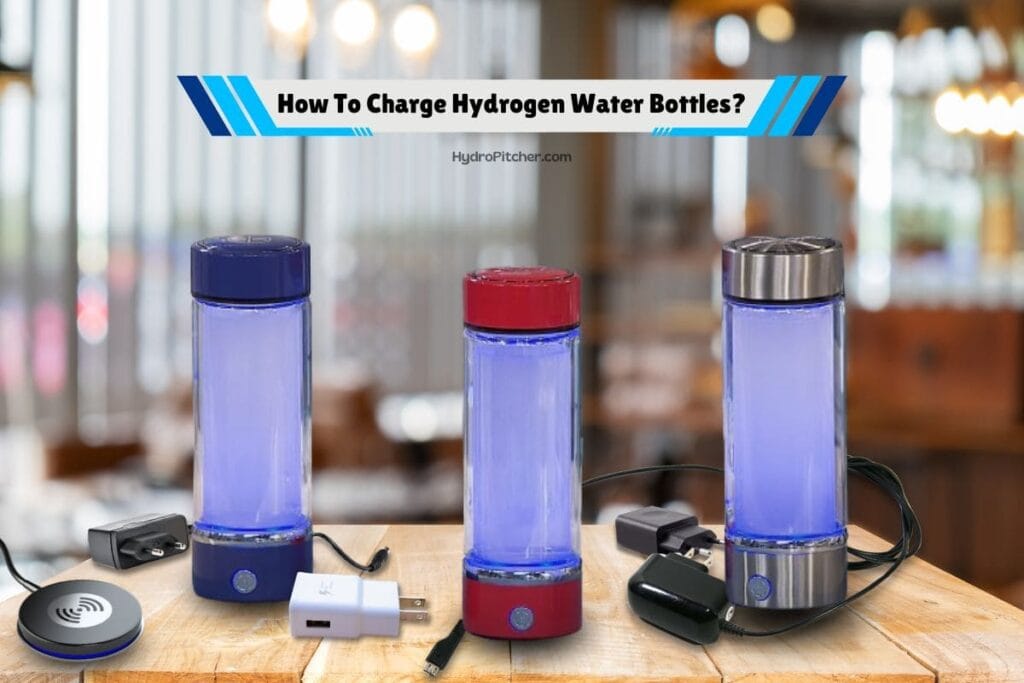
A hydrogen water bottle is also an electronic device. That means charging safety matters just as much as water quality. Use the charger, cable, voltage, and charging method specified by the manufacturer.
Do not charge a wet bottle. Keep the charging port away from water, sinks, showers, and spilled drinks. If the battery becomes unusually hot, swollen, damaged, or smells strange, stop using the device and move it away from heat and ignition sources when it is safe to do so.
Hydrogen Water Bottle Usage & Safety includes battery care because a safe water routine can still become unsafe if an electronic fault is ignored. Do not open or repair a lithium battery yourself unless the manufacturer specifically provides a safe user-service procedure.
- ✦ Use the correct charger
Use the charger and cable recommended by the manufacturer or one that meets the stated electrical specifications.
- ✦ Keep ports dry
Make sure the charging port and connector are dry before charging.
- ✦ Inspect the cable
Replace a frayed, crushed, cut, or otherwise damaged charging cable.
- ✦ Stop if the battery swells
A swollen battery is a serious warning sign. Stop using the device and follow the manufacturer’s disposal or service instructions.
- ✦ Avoid extreme heat
Do not leave the bottle in a hot car or next to a heater, stove, or other high-heat source.
Can You Use a Hydrogen Water Bottle While Charging?
Do not assume that you can. Some products may support use while connected to power, while others may not. The correct answer depends on the exact model and its manual.
If the manual does not clearly allow operation while charging, the safer choice is to unplug the bottle before use. This also keeps the charging connection away from water during normal drinking.
- ✦ Check the manual
Look for specific instructions about simultaneous charging and operation.
- ✦ When unsure
Unplug the bottle before running a hydrogen cycle rather than guessing about its electrical design.
Choosing a Safer Hydrogen Water Bottle
Safe use starts before you buy the bottle. A low price alone does not tell you whether a device is well designed. Look for clear instructions, contact information for the manufacturer, replacement parts when needed, and transparent information about materials and operation.
Be careful with products that make large medical claims. A bottle is not a medical treatment simply because its advertising mentions antioxidants, inflammation, disease, detox, or anti-aging. The FDA’s GRAS framework concerns the safe use of a substance under specified food conditions; it should not be read as proof that a particular bottle works for a health condition.
Good Hydrogen Water Bottle Usage & Safety also depends on measurable product information. If a company claims a specific hydrogen concentration, ask how that value was measured and whether the test applies to the finished product under normal use.
- ✦ Clear user manual
Choose a product with detailed instructions for filling, operating, cleaning, charging, storage, and troubleshooting.
- ✦ Transparent materials
Look for clear information about the bottle body, seals, electrodes, membrane, and parts that contact drinking water.
- ✦ Safety features
Useful features may include automatic shutoff, leak-resistant construction, protected charging, and controls that prevent improper operation.
- ✦ Independent testing
Third-party testing can provide useful information about electrical safety, materials, contaminants, or hydrogen output when the test scope is clear.
- ✦ Realistic health claims
Prefer sellers that explain what the research does and does not show instead of promising to prevent or cure diseases.
What Should You Check Before Buying?
Read the full product manual before buying when possible. Confirm the required water type, charging method, cycle time, cleaning method, battery information, warranty, and replacement options.
Also check whether the product is designed for the way you plan to use it. A bottle for occasional home use may not be the same as a bottle intended for frequent travel or repeated daily cycles.
- ✦ Water requirements
Confirm what type of water the manufacturer allows and whether there are limits on mineral content.
- ✦ Battery details
Check charging specifications, battery type, expected charging time, and safety instructions.
- ✦ Warranty and support
A clear warranty and accessible support make it easier to handle faults or damaged parts safely.
Common Hydrogen Water Bottle Mistakes to Avoid
Many problems can be prevented with a few simple habits. The most common mistake is treating a hydrogen water bottle like an ordinary cup while forgetting that it contains an electrolysis system and a rechargeable battery.
Another mistake is assuming that a longer cycle, higher hydrogen number, or more frequent use must produce better results. There is no strong basis for that assumption, and pushing a device beyond its design can increase wear without a proven health advantage.
For practical Hydrogen Water Bottle Usage & Safety, follow the product’s operating limits and keep the routine simple. Safe equipment use matters more than trying to maximize every advertised specification.
- ✦ Overfilling the bottle
Stay below the marked fill line to reduce leaks and protect areas that should remain dry.
- ✦ Using hot water
Do not use hot or boiling water unless the manufacturer specifically says the bottle is designed for it.
- ✦ Adding other ingredients
Do not add supplements, powders, juice, soda, oils, or cleaning agents to the bottle during hydrogen production unless approved by the manufacturer.
- ✦ Ignoring strange smells or tastes
Stop using the bottle if the water develops an unusual smell or taste that remains after proper cleaning.
- ✦ Leaving water inside for days
Empty and clean the bottle instead of storing old water in it.
- ✦ Using a damaged bottle
Cracks, leaks, battery swelling, damaged cables, and electrical faults are reasons to stop using the device.
- ✦ Believing every health claim
Separate product marketing from evidence. Hydrogen water research is still developing.
A Quick Safety Check Before Every Use
A five-second check can catch many problems. Look at the bottle, lid, seal, charging port, and cable before filling it. If anything looks cracked, wet where it should be dry, swollen, or damaged, do not run the cycle.
This simple habit is especially useful when the bottle has been carried in a gym bag, left in a car, or stored for several weeks.
- ✦ Bottle
Check for cracks, chips, leaks, or unusual discoloration.
- ✦ Lid and seal
Make sure the lid closes correctly and the seal is in place.
- ✦ Charging area
Make sure the charging port is clean and dry.
- ✦ Water
Use fresh, suitable drinking water with no unapproved additives.
When Should You Stop Using a Hydrogen Water Bottle?
Stop using the bottle if it develops a crack, persistent leak, battery swelling, unusual heat, burning smell, electrical fault, or other physical damage. Do not try to keep using a device that shows signs of failure simply because it still turns on.
You should also stop if the water develops an unusual taste, odor, color, or visible contamination that does not go away after the correct cleaning process. Contact the manufacturer if you suspect a membrane, electrode, seal, or other internal part has failed.
From a health perspective, stop using the product if you develop repeated or concerning symptoms that you believe may be linked to it. Seek medical care for serious symptoms rather than trying to solve the problem by changing your water routine.
- ✦ Physical damage
Do not use cracked, leaking, or badly damaged bottles.
- ✦ Battery warning signs
Stop use if the battery swells, overheats, leaks, or produces an unusual smell.
- ✦ Electrical problems
Stop using the unit if it sparks, shocks, repeatedly shuts down, or behaves in an unusual way.
- ✦ Water quality changes
Do not drink water with unexplained odor, color, film, or contamination.
- ✦ Health symptoms
If you experience concerning symptoms, stop use and seek appropriate medical advice.
What If the Bottle Stops Producing Hydrogen?
First, check the simple causes. Confirm that the bottle has enough charge, the water level is correct, the cycle is selected correctly, and the electrodes or membrane are clean according to the manual.
If the device still fails, do not open the electronics or try to repair the hydrogen system yourself. Contact the manufacturer or an authorized service provider, especially if the bottle is under warranty.
- ✦ Check the charge
Make sure the battery has enough power and the charging system works as specified.
- ✦ Check water and fill level
Use the approved water type and stay within the marked fill range.
- ✦ Clean as directed
Follow the manufacturer’s procedure for removing mineral buildup or residue.