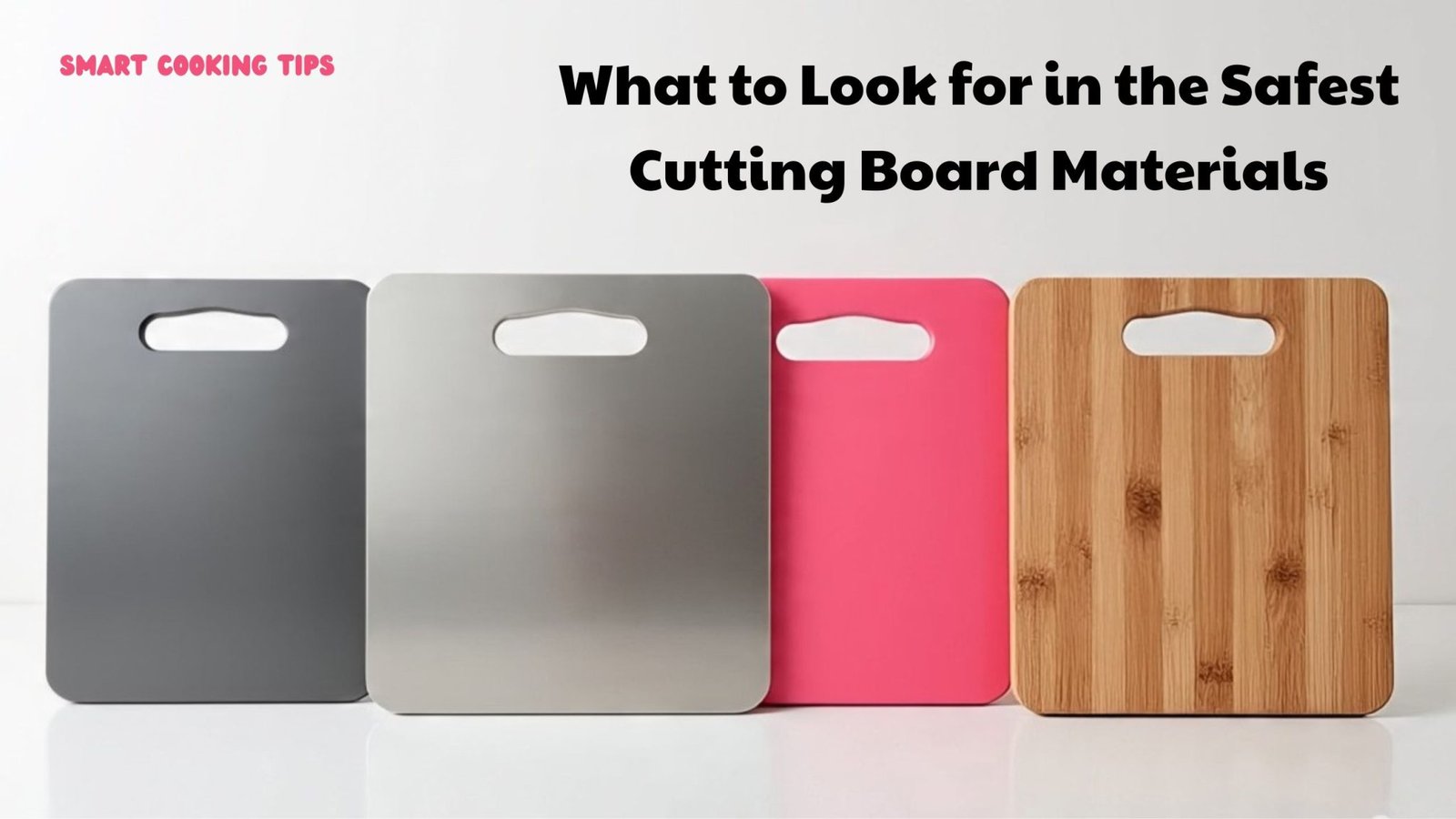
Cutting Board Material & Food Safety: Choosing the Safest Board for Your Kitchen
Cutting Board material & Food Safety is a topic every home cook should understand. The board you use for slicing vegetables, preparing meat, or cutting fruit plays a role in keeping your food safe. A good board should protect your knife, resist damage, and allow proper cleaning after each use.
After years of reviewing kitchen tools and food preparation practices, one lesson stands out: the material alone does not make a cutting board safe. A high-quality board combined with good cleaning habits, proper storage, and smart food separation creates a safer kitchen environment.

How Cutting Board Material Affects Food Safety
Cutting Board Material & Food Safety starts with understanding how different surfaces react to food, moisture, and bacteria. Every material has benefits and limits. The best choice depends on your cooking style and cleaning routine.
A cutting board with deep scratches, cracks, or worn areas can become harder to clean. Even a naturally safe material may create problems when it is damaged or poorly maintained.
- ✦ Surface condition matters
A smooth and well-maintained surface is easier to wash and sanitize than a damaged board.
- ✦ Cleaning habits are important
Washing after each use and allowing the board to dry fully helps reduce food safety risks.
- ✦ Food separation improves safety
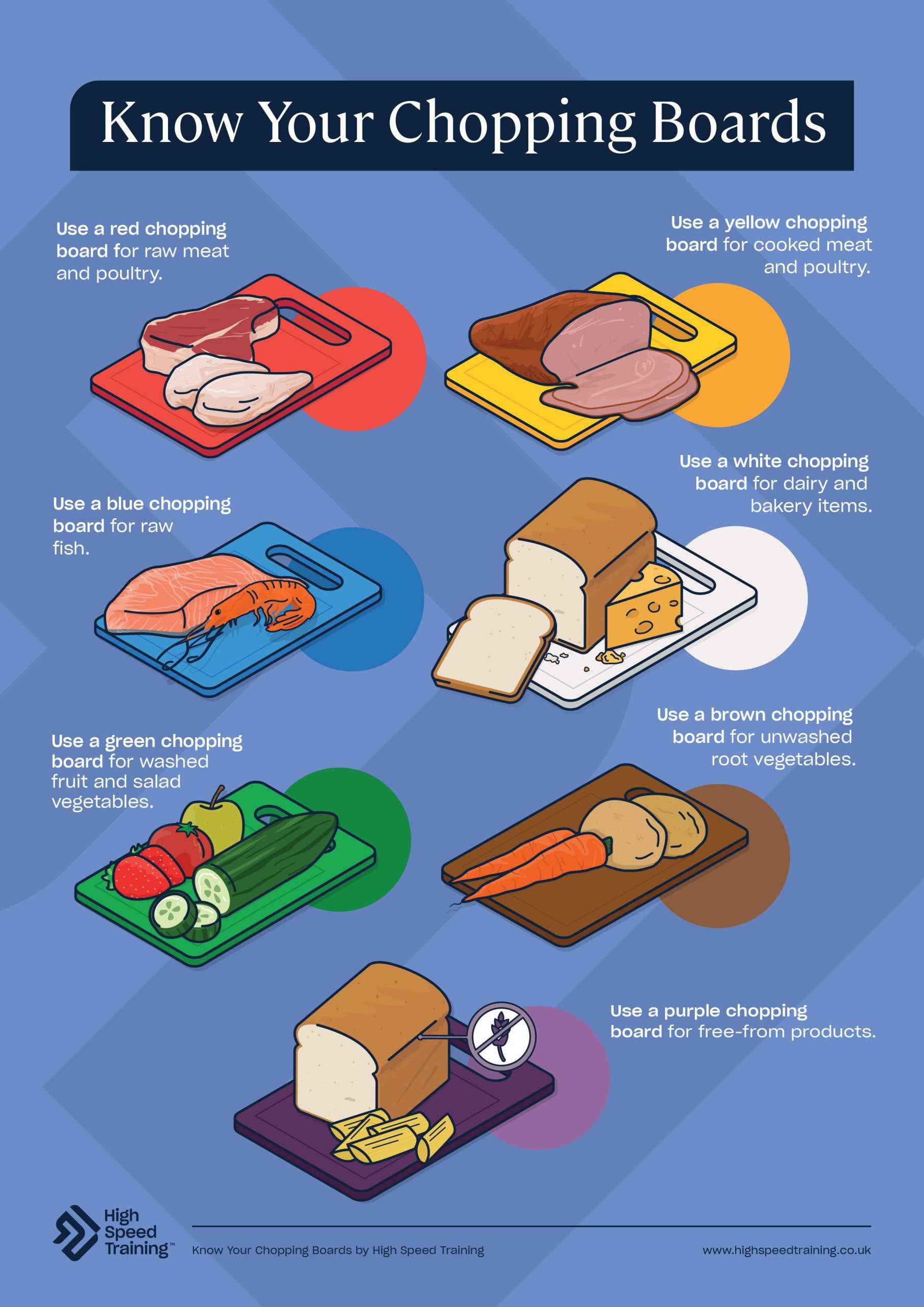
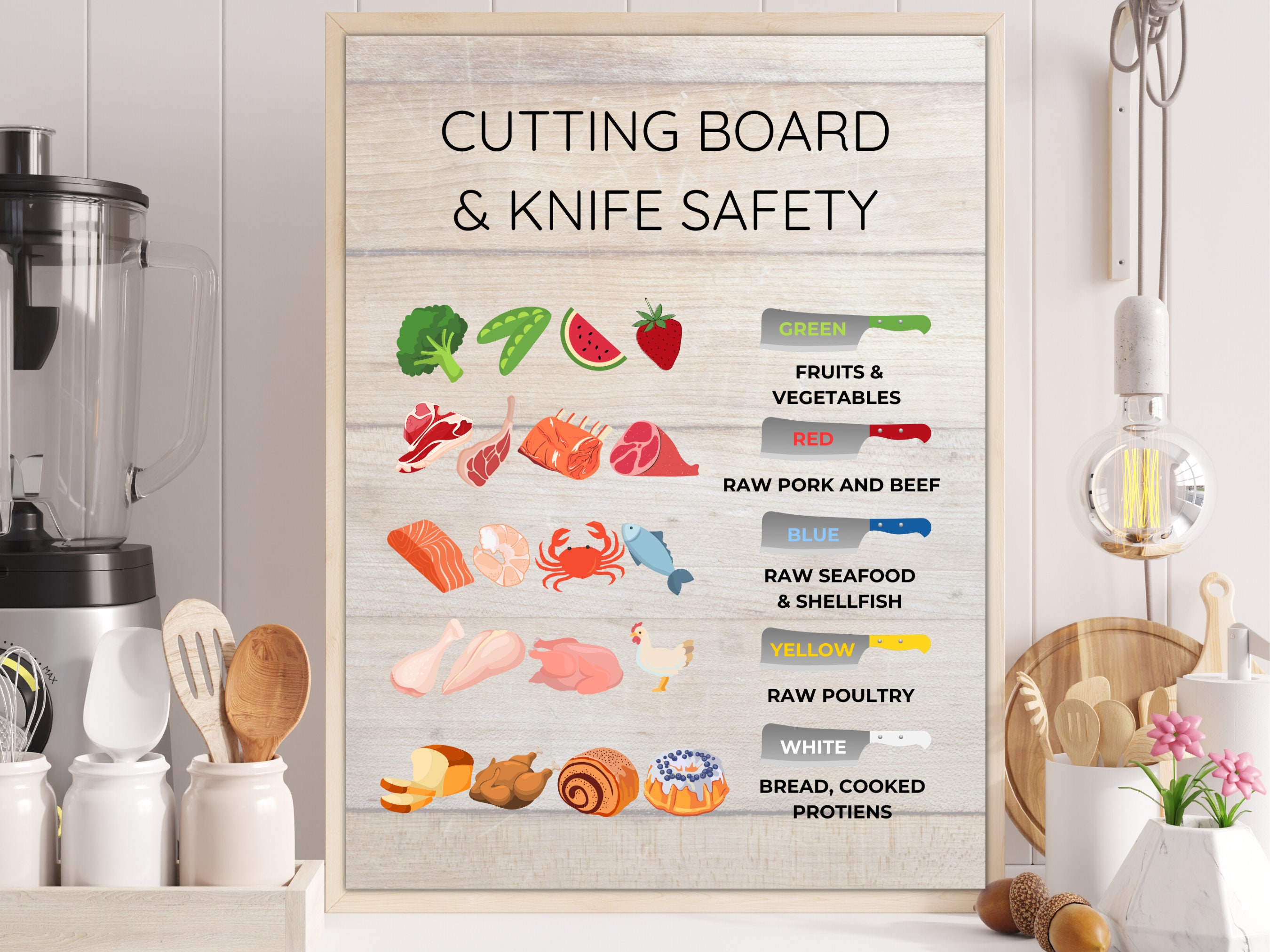
Using different boards for raw meat and ready-to-eat foods helps prevent cross contamination.
Why Cross Contamination Is a Concern
Cross contamination happens when harmful germs move from one food item to another. A common example is using the same board for raw chicken and fresh vegetables without proper cleaning.
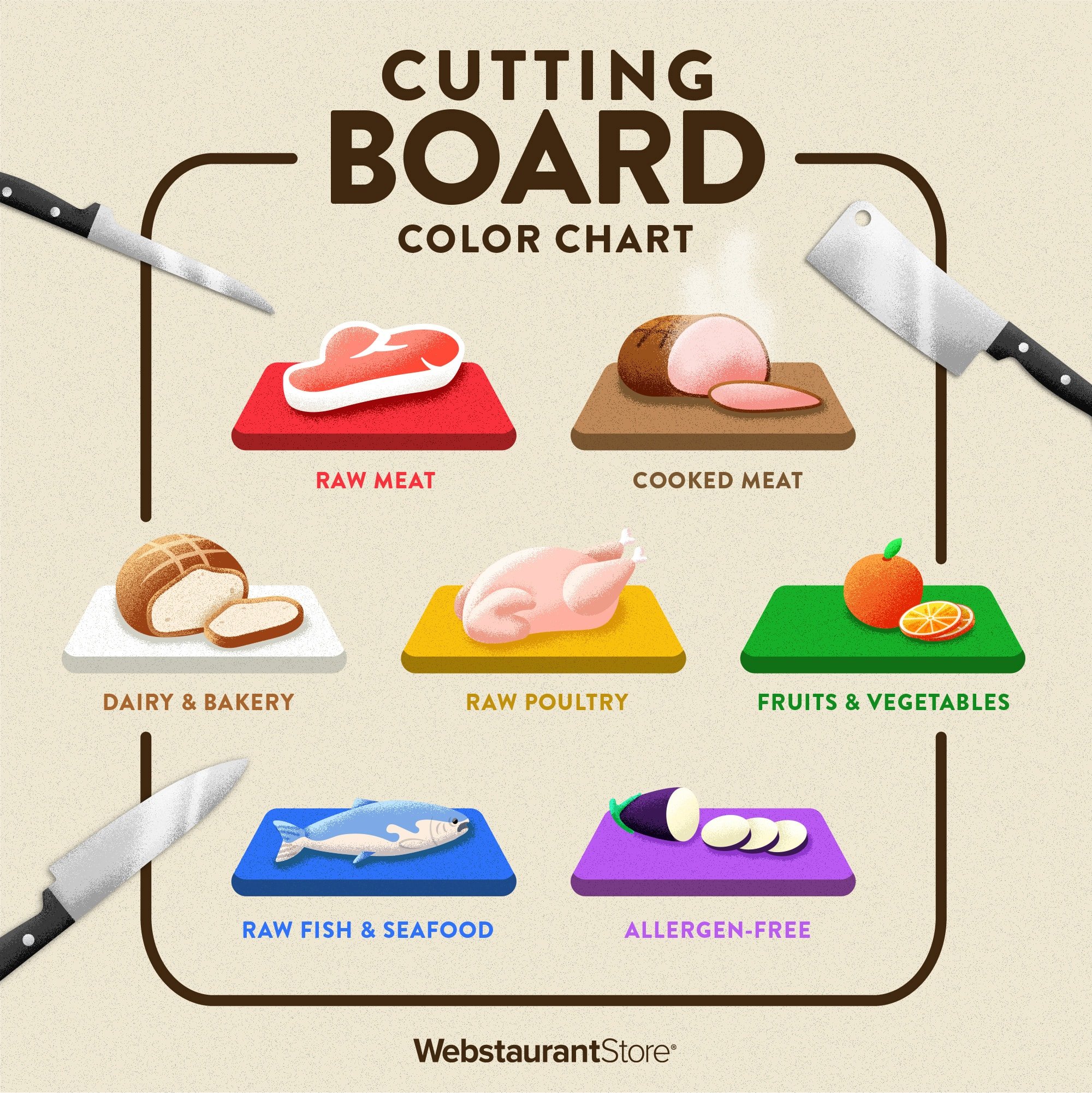
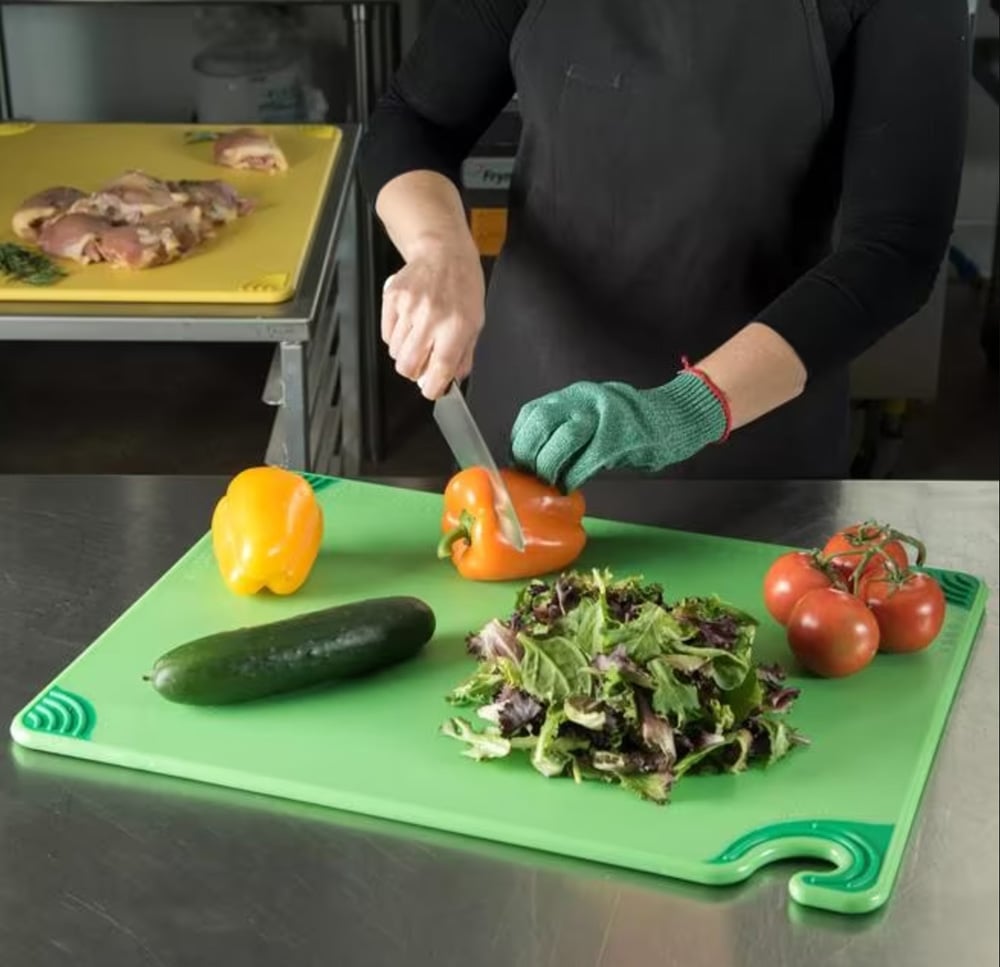
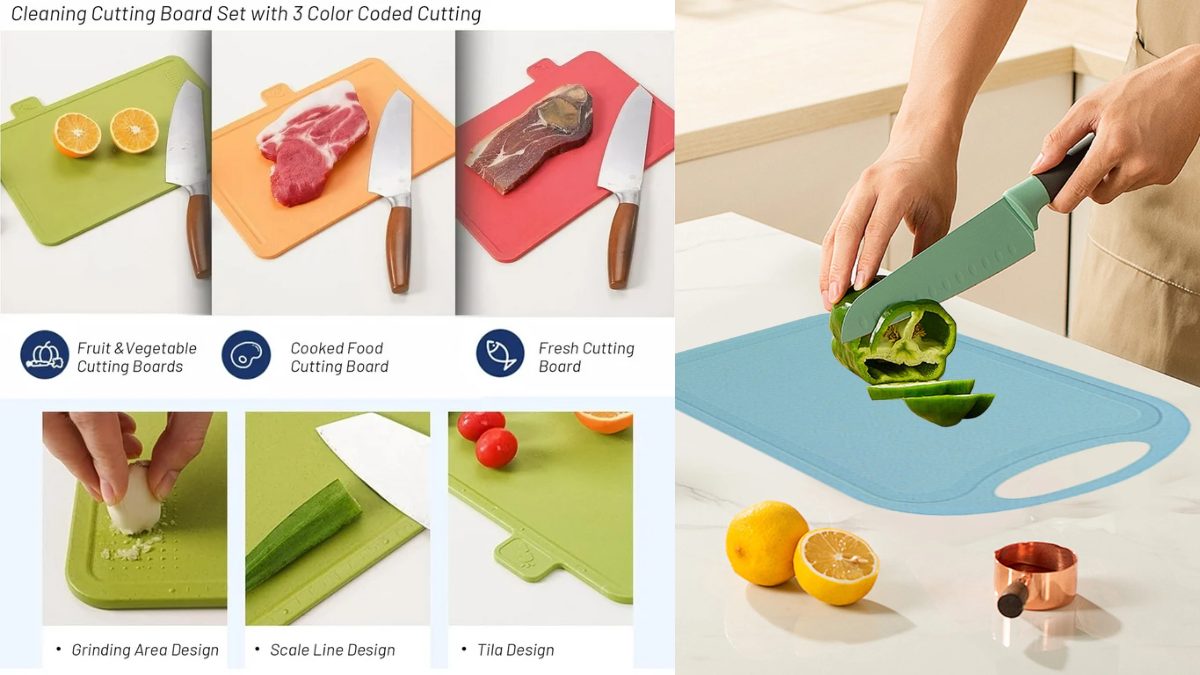
Many professional kitchens use color-coded boards because they make food separation simple. Home kitchens can follow the same idea with separate boards or clear labels.
- ✦ Raw meat board
Use a dedicated board for poultry, beef, seafood, and other raw animal products.
- ✦ Produce board
Use a separate surface for fruits, vegetables, bread, and ready-to-eat foods.
Wood Cutting Boards: Benefits and Food Safety Facts
Wood cutting boards are popular in many American kitchens because they look beautiful, feel comfortable, and are gentle on knives. Hardwoods like maple, walnut, and cherry are common choices because they are durable and naturally dense.
When people discuss Cutting Board Material & Food Safety, wood often creates debate. A well-made wooden board that is washed, dried, and maintained properly can be a safe option for everyday cooking.
- ✦ Knife friendly surface
Wood is softer than glass or stone, which helps protect the sharp edge of kitchen knives.
- ✦ Requires regular care
Wood boards need occasional oiling to prevent drying, cracking, and moisture damage.
- ✦ Avoid dishwasher cleaning
High heat and long water exposure can damage wood fibers and cause warping.
End Grain vs Edge Grain Wood Boards
End grain boards show the ends of wood fibers on the cutting surface. They are often thicker and more resistant to knife marks.
Edge grain boards are usually lighter and more affordable. Both types can work well when made from quality hardwood and maintained correctly.
- ✦ End grain boards
A durable choice for frequent cooking and heavy chopping.
- ✦ Edge grain boards
A practical option for everyday home food preparation.
Plastic Cutting Boards and Their Role in Food Safety
Plastic cutting boards are widely used in homes and restaurants because they are affordable, lightweight, and easy to clean. Many are made from high-density polyethylene, a durable food-safe plastic.
Plastic boards are often recommended for raw meat preparation because they can usually be cleaned in a dishwasher. However, deep knife grooves can collect food particles and become harder to sanitize.
- ✦ Easy sanitation
Many plastic boards can handle dishwasher cleaning, making them convenient for busy kitchens.
- ✦ Watch for scratches
Replace plastic boards when deep cuts create rough surfaces.
- ✦ Affordable replacement
Plastic boards are often inexpensive enough to replace regularly when worn.
Are Plastic Cutting Boards Safer Than Wood?
There is no single winner when comparing plastic and wood. Food safety depends on how the board is used, cleaned, and maintained.
A clean, undamaged board made from either material can support safe food preparation. The most important factor is consistent hygiene.
- ✦ Choose based on routine
Select the material that fits your cleaning habits and cooking style.
Bamboo, Glass, and Composite Cutting Boards Compared
Bamboo cutting boards are popular because bamboo grows quickly and offers a clean, modern look. They are harder than many woods but may require care to avoid splitting or drying.
Glass and stone boards are easy to clean but can be harsh on knives. Composite boards combine materials to offer durability and a balance between performance and maintenance.
- ✦ Bamboo boards
Lightweight and attractive but may need more care than some hardwood boards.
- ✦ Glass boards
Very easy to clean but can quickly dull knife edges.
- ✦ Composite boards
Designed for durability and regular kitchen use.
Choosing Based on Your Cooking Style
A professional cook who prepares large meals may prefer a durable hardwood board. A busy family may prefer plastic because it is simple to clean and replace.
The best Cutting Board Material & Food Safety choice is the one you can maintain consistently.
- ✦ Daily cooking
Pick a durable board that feels comfortable for repeated use.
- ✦ Occasional cooking
Choose a low-maintenance option that fits your kitchen space.
Best Practices for Cutting Board Cleaning and Maintenance
Proper care is a major part of Cutting Board Material & Food Safety. Even the safest material can become risky if it is not cleaned after use.
Simple habits make a big difference. Wash boards with hot soapy water, remove food residue, dry them completely, and inspect them often.
- ✦ Wash after every use
Clean the surface immediately after preparing food.
- ✦ Dry completely
Standing moisture can damage boards and encourage unwanted growth.
- ✦ Replace damaged boards
Deep cracks and heavy scratches are signs that replacement may be needed.
How Often Should You Replace a Cutting Board?
There is no fixed replacement date for every board. The right time depends on material quality, frequency of use, and visible damage.
When a board becomes difficult to clean or develops deep grooves, replacing it supports better food hygiene.
- ✦ Visible damage
Cracks, splits, and deep cuts are warning signs.