Dishwasher Cleaning Performance Problems: Causes, Fixes, and Prevention
A dishwasher should remove food, grease, and normal stains without leaving you with a second round of hand washing. When dishes come out dirty, cloudy, greasy, or covered with food bits, the problem can feel hard to trace. In many homes, the cause is simple and starts with a part that needs cleaning or a change in how the machine is loaded.
Dishwasher Cleaning Performance Problems can also point to a deeper fault. A clogged filter is easy to fix, but weak spray pressure, poor filling, low heat, or a worn circulation pump may need more care. The key is to check the simple causes first, then move toward mechanical and water-supply problems if the issue remains.
This guide explains the main Dishwasher Cleaning Performance Problems, what causes them, what you can safely check at home, and when it makes sense to call an appliance technician. The advice fits common residential dishwashers used in U.S. homes.

What Are Dishwasher Cleaning Performance Problems?
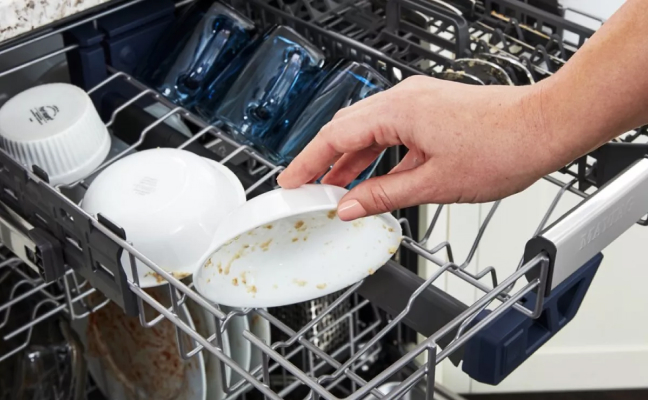
Dishwasher Cleaning Performance Problems happen when a dishwasher fails to clean dishes as well as it should. You may notice food left on plates, grease on pans, spots on glasses, white film, dirty cups, or debris stuck inside the tub. The machine may still complete a full cycle, but the cleaning result is poor.
Good cleaning depends on several parts working together. The dishwasher needs enough water, enough heat, good spray pressure, clean filters, open spray arms, the right detergent, and a suitable wash cycle. If one part of this process fails, cleaning can drop even when the dishwasher sounds normal.
The type of residue can give you a useful clue. Large food bits often point to filtration or loading problems. Grease can suggest low heat, poor detergent action, or weak wash pressure. White film may come from hard water or detergent residue rather than a mechanical failure.
- ✦ Food remains on dishes
Large or small food pieces remain after the cycle, often because of blocked filters, poor spray coverage, or incorrect loading.
- ✦ Greasy dishes
Grease can remain when water is not hot enough, detergent is not working well, or wash pressure is too weak.
- ✦ Cloudy glasses
Cloudiness may come from hard-water minerals, detergent residue, or permanent glass etching.
- ✦ White residue
A white coating often relates to hard water or detergent that does not dissolve or rinse away well.
- ✦ Dirty items on the top rack
Poor upper-rack cleaning may occur when the upper spray arm is blocked or water cannot reach it with enough force.
Why Cleaning Performance Can Change Over Time
A dishwasher can clean well when it is new and slowly lose performance as grease, mineral deposits, and food debris build up. Filters and spray-arm holes can collect material that reduces water flow. Old detergent, poor loading habits, and changes in household water conditions can also affect results.
This is why regular maintenance matters. A dishwasher does not only need to run; its water path must stay clear so the machine can move clean water around the tub.
- ✦ Build-up
Grease, food particles, and mineral scale can reduce water flow and cleaning power.
- ✦ Changed habits
Overloading or blocking spray paths can create poor results even when the dishwasher itself is working.
Common Causes of Dishwasher Cleaning Performance Problems
The first step in fixing Dishwasher Cleaning Performance Problems is finding the cause. Many problems are easy to correct without replacing a part. Start with the filter, spray arms, loading pattern, detergent, and wash settings before assuming that the dishwasher needs repair.
A dishwasher needs strong water movement to remove food. If the filter is dirty or a spray arm cannot turn freely, the machine may still fill and drain but fail to clean well. This can make the problem seem more serious than it is.
Water supply also matters. If the dishwasher does not get enough water, the spray pressure can drop. A partly closed supply valve, restricted inlet screen, or water-supply issue can affect cleaning performance.
- ✦ Dirty filter
A blocked filter can trap food and restrict water flow, which may leave dishes dirty.
- ✦ Clogged spray arms
Food particles and mineral deposits can block spray holes and reduce coverage.
- ✦ Poor loading
Large plates, pans, or bowls can block water from reaching other dishes.
- ✦ Wrong detergent
A detergent that does not suit the machine or water conditions may leave food or residue behind.
- ✦ Too much detergent
Extra detergent does not always mean cleaner dishes and can leave residue on some loads.
- ✦ Low water temperature
Water that is not hot enough can reduce grease removal and detergent performance.
- ✦ Low water supply
Poor filling can reduce wash pressure and limit how well the spray system works.
- ✦ Blocked drain path
Standing dirty water can put food particles back onto dishes during the cycle.
The Dishwasher Filter Is Dirty
The filter catches food particles so they do not keep moving through the wash system. When it becomes packed with debris, water may not move through the system as intended. Food can also remain in the tub and return to clean dishes.
Remove and clean the filter according to the dishwasher manual. Rinse away loose debris and use a soft brush when needed. Avoid forcing or damaging the filter because its design varies by model.
- ✦ Check for food debris
Look for rice, seeds, labels, grease, and other material trapped in or around the filter.
- ✦ Clean it on a routine
Cleaning frequency depends on use, but heavy users may need to inspect the filter more often.
The Spray Arms Are Blocked
Spray arms need clear holes and enough water pressure to work properly. A blocked hole can create a weak spray pattern, while a large item can stop an arm from turning. Both issues can leave sections of the dishwasher poorly cleaned.
Spin each spray arm by hand when the dishwasher is off. It should move freely without hitting dishes. If the holes are blocked, clean them using a method approved by the manufacturer.
- ✦ Check movement
Make sure dishes, utensils, and racks do not stop the spray arm from rotating.
- ✦ Inspect the holes
Look for food debris or mineral scale that may restrict the spray.
How Loading and Detergent Affect Cleaning Results
Loading is one of the most overlooked causes of Dishwasher Cleaning Performance Problems. A dishwasher does not clean by soaking every item equally. It relies on water jets reaching the surfaces of the dishes, so blocked surfaces can stay dirty.
Place heavily soiled items where the spray can reach them. Avoid nesting bowls and spoons together. Keep large pans and cutting boards from blocking the spray arms or covering the water path between racks.
Detergent also needs the right conditions to work. Use the amount and type recommended for your dishwasher. If your water is hard, mineral deposits may make cleaning harder, and the dishwasher may need a rinse aid or other care recommended for your model.

- ✦ Do not overcrowd the racks
Leave enough space for water jets to reach the dirty surfaces of dishes.
- ✦ Avoid nesting
Place bowls, cups, and similar items so water can reach the inside surfaces.
- ✦ Keep spray arms clear
Check that tall plates, pans, utensils, and other items do not block arm movement.
- ✦ Use dishwasher detergent
Use detergent made for automatic dishwashers rather than regular hand dish soap.
- ✦ Follow the dose
Use the amount shown on the detergent label and dishwasher instructions.
- ✦ Consider water hardness
Hard water can cause mineral deposits and may require settings or products designed for hard-water conditions.
Why Overloading Can Leave Dishes Dirty
Overloading can create a wall between the spray jets and the dishes. One plate may block another, or a large pan may stop water from reaching the upper rack. The dishwasher can finish the cycle while some surfaces receive very little direct spray.
A better load is not always a fuller load. Arrange items with space between them and make sure dirty surfaces face the areas where the spray can reach.
- ✦ Face dirty surfaces toward the spray
Turn plates and bowls so the wash jets can reach the areas with food and grease.
- ✦ Separate utensils
Mixing utensil positions can help water reach more surfaces, depending on the rack design.
Detergent and Rinse Aid Basics
Detergent breaks down food and grease during the wash. Rinse aid helps water drain from surfaces and can reduce spotting in many dishwashers. These products serve different jobs, so using more detergent is not a substitute for proper rinsing.
If dishes have a powdery film, check the detergent dose, dispenser, water hardness, and wash temperature. Follow the product and dishwasher maker’s instructions rather than adding extra detergent at random.
- ✦ Check the dispenser
Make sure the detergent door can open and is not blocked by a dish.
- ✦ Watch for residue
Film or streaks may signal a detergent, water-hardness, temperature, or rinsing issue.
Water, Heat, and Wash-Cycle Problems
Water temperature and water flow have a major effect on Dishwasher Cleaning Performance Problems. The dishwasher needs enough water at a suitable temperature for the detergent and wash system to work well. If the water is too cool or the machine does not fill correctly, greasy dishes may remain dirty.
A simple first step is to check the home’s hot-water supply and the dishwasher settings. Many households can improve results by running the kitchen faucet until hot water reaches the tap before starting the dishwasher. Always follow the dishwasher manufacturer’s instructions for temperature and installation.
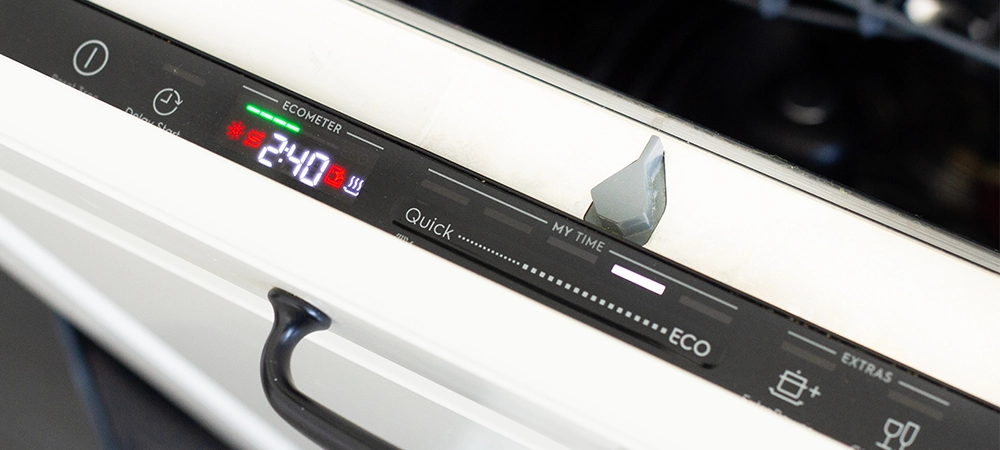
The selected cycle also matters. A short or light cycle may not provide the same cleaning action as a normal or heavy cycle. Choose the cycle based on the soil level instead of using the shortest option for every load.
- ✦ Low incoming water temperature
Cool water can reduce grease removal and may limit detergent performance.
- ✦ Restricted water supply
A supply problem can reduce the amount of water available for washing.
- ✦ Wrong cycle
Light cycles may not provide enough time or wash action for heavily soiled cookware.
- ✦ Heating problem
If the dishwasher does not heat water as designed, cleaning and drying may both suffer.
Signs of a Water-Fill Problem
Poor filling can lead to weak spray pressure and poor coverage. You may notice that dishes stay dirty across several racks even after cleaning the filter and loading the dishwasher correctly.
If the machine repeatedly shows a water-related error, fills very slowly, or produces unusually weak spray action, check the water supply and manual before testing internal parts. Internal water valves and electrical parts are better handled by a qualified technician.
- ✦ Check the supply valve
Make sure the dishwasher’s water supply is fully open if your installation has an accessible shutoff valve.
- ✦ Look for repeated errors
A recurring fill error can point to a water-supply or component problem that needs further diagnosis.
When Low Heat Causes Poor Cleaning
Grease that remains on plates and pans can be a clue that the wash water is not reaching the needed temperature. Other clues may include poor drying and detergent that does not seem to work as expected.
Do not dismantle the heating system just to test it. Dishwashers use electricity and hot water, so internal electrical or heating repairs should follow the manufacturer’s safety instructions or be handled by a qualified appliance professional.
- ✦ Grease remains
Persistent grease can occur when wash conditions are not hot or strong enough.
- ✦ Drying also changes
A heating problem may affect drying, although drying performance can have several other causes.
Drainage, Food Debris, and Mechanical Problems
Drainage faults are another common source of Dishwasher Cleaning Performance Problems. If dirty water does not leave the tub, food particles can stay in the machine and settle back onto dishes. Standing water at the end of a cycle is a clear sign that the drain system needs attention.
Check the filter and visible drain area first. Also look for a kinked drain hose or an installation issue if the dishwasher has recently been moved or installed. Do not remove plumbing or electrical parts unless the manufacturer’s instructions clearly support the task and you can work safely.
Mechanical faults can cause poor cleaning even when the filter and spray arms look clean. A weak circulation pump may reduce spray pressure, while a faulty inlet valve may affect filling. These problems often need proper testing rather than guesswork.

- ✦ Standing water
Water left in the tub after a completed cycle can indicate a drain restriction or pump issue.
- ✦ Food particles return to dishes
Dirty water or debris left in the system can redeposit on clean dishes.
- ✦ Weak spray pressure
Low spray force may result from restricted water flow or a circulation-pump problem.
- ✦ Inlet valve problem
A faulty valve can limit water entering the dishwasher and reduce wash performance.
How Drain Problems Affect Cleaning
The dishwasher needs to remove dirty water between wash stages. If that water stays in the machine, food and grease can move back onto dishes. The result may look like a cleaning problem even though the main fault is drainage.
If the dishwasher leaves a large amount of water after the cycle, start with the filter and visible drain area. If the blockage is not obvious, a technician can test the drain pump, hose, and related components.
- ✦ Inspect the filter
Remove trapped food and debris according to the manufacturer’s cleaning instructions.
- ✦ Check the visible drain area
Look for debris that can be safely removed without taking apart the pump or electrical system.
When a Circulation Pump May Be Involved
The circulation pump moves wash water through the spray system. If it becomes worn, blocked, or faulty, the dishwasher may fill and drain normally but produce weak cleaning action.
A change in sound can sometimes provide a clue, but noise alone does not prove a pump fault. Proper diagnosis may require checking water flow, electrical operation, and the specific dishwasher design.
- ✦ Poor cleaning across the whole load
If every rack cleans poorly despite good loading and clean filters, weak circulation becomes more worth checking.
- ✦ Unusual operating noise
New grinding, humming, or other unusual sounds can justify a service inspection, especially when cleaning has also declined.
A Step-by-Step Fix for Dishwasher Cleaning Performance Problems
When Dishwasher Cleaning Performance Problems appear, work from the simplest checks to the more complex ones. This saves time and helps prevent unnecessary part replacement. Always disconnect power before performing any maintenance that requires access to electrical components, and follow the appliance manual.
Start by checking the load. Remove items that block spray arms and separate nested dishes. Then inspect the filter and spray arms, because these parts are common sources of restricted water flow.
Next, check detergent use, wash-cycle selection, and the hot-water supply. Run another cycle with a properly arranged load. If the same problem returns, the dishwasher may need a deeper inspection.

- ✦ 1. Empty the dishwasher
Remove dishes so you can inspect the racks, filter, spray arms, and tub.
- ✦ 2. Clean the filter
Follow the owner’s manual to remove and rinse the filter and clear trapped food.
- ✦ 3. Check the spray arms
Make sure each arm can turn freely and that its spray holes are not blocked.
- ✦ 4. Check the load pattern
Keep large items from blocking spray paths and avoid nesting bowls and plates.
- ✦ 5. Review detergent use
Use the correct dishwasher detergent and follow the recommended amount.
- ✦ 6. Choose the right cycle
Use a normal or heavy cycle when the load has stuck-on food or heavy grease, if recommended by your dishwasher manual.
- ✦ 7. Check for drainage issues
Look for standing water, a dirty filter, or a visible drain restriction.
- ✦ 8. Run a test load
Use a small, correctly loaded load to see whether cleaning performance improves.
- ✦ 9. Seek service when needed
If poor cleaning continues, a technician can check water fill, heating, circulation, drainage, and electronic controls.
What Not to Do When Troubleshooting
Avoid using regular hand dish soap in an automatic dishwasher. It can create excessive foam and cause leaks or other problems. Do not poke deep into pump areas or remove electrical parts unless the manual gives clear instructions and you can do the work safely.
Do not assume that more detergent will fix dirty dishes. Extra detergent can create residue and does not correct blocked spray arms, poor water flow, or low heat.
- ✦ Do not use hand dish soap
Automatic dishwashers need detergent made for dishwasher use.
- ✦ Do not ignore standing water
Persistent water after a cycle can point to a drainage problem that needs attention.
- ✦ Do not replace parts without diagnosis
Several different faults can create similar cleaning symptoms, so testing helps avoid wasted repair costs.
When to Call a Dishwasher Repair Professional
Call for professional help when basic cleaning and loading checks do not solve the issue, especially if the dishwasher has weak spray, repeated error codes, poor water filling, heating problems, leaks, or unusual electrical behavior. A technician can test components that are difficult or unsafe to inspect at home.
Professional service is also useful when a dishwasher repeatedly develops the same problem after cleaning. Repeated symptoms can point to a worn component rather than a simple maintenance issue.
- ✦ Electrical symptoms
Burning smells, electrical faults, or repeated breaker trips should be treated as safety issues.
- ✦ Persistent leaks
Water leaking from the dishwasher should be addressed before it damages cabinets or flooring.
- ✦ Repeated error codes
Use the model manual to identify the code and seek service when the recommended basic checks do not solve it.
How to Prevent Future Dishwasher Cleaning Performance Problems
Preventing Dishwasher Cleaning Performance Problems is easier than fixing a serious fault. A few simple habits can keep water moving well and reduce the build-up that causes poor cleaning. The exact maintenance schedule should follow the dishwasher manufacturer’s instructions.
Inspect the filter often, especially if your household washes dishes with a lot of food debris. Keep spray arms clear and check that dishes do not block them. Use the correct detergent and cycle for the load rather than treating every load the same.
It also helps to watch for changes. If dishes become slightly dirtier over several weeks, do not wait until the dishwasher stops cleaning. Early changes can give you a chance to clean the system before a small restriction becomes a larger problem.

- ✦ Clean the filter regularly
Regular inspection helps prevent food build-up and restricted water flow.
- ✦ Keep spray arms clear
Check their movement and clean blocked holes when needed.
- ✦ Load with water flow in mind
Give water jets a clear path to dirty surfaces.
- ✦ Use the correct detergent
Follow the detergent label and dishwasher manual for proper use.
- ✦ Use suitable cycles
Match the cycle to the soil level and cookware in the load.
- ✦ Watch for mineral build-up
If you have hard water, follow the manufacturer’s guidance for reducing mineral deposits.
- ✦ Clean the dishwasher itself
Periodic cleaning can help remove grease, residue, and mineral build-up from areas that normal cycles may not fully clean.
A Simple Maintenance Routine
A practical routine does not need to be complicated. Inspect the filter and spray arms as part of normal kitchen cleaning, and perform deeper dishwasher care when residue or odors begin to appear. Follow the model manual because removable parts and cleaning methods vary.
If your dishwasher works hard every day, more frequent inspection may make sense. A lightly used machine may need less attention, but it still benefits from routine checks.
- ✦ After heavy loads
Check for large food debris when washing loads with very dirty dishes.
- ✦ During routine cleaning
Inspect the filter, spray arms, tub, and door area for build-up.
- ✦ When performance changes
Treat new cleaning problems as a reason to inspect the dishwasher rather than simply adding more detergent.
Why Prevention Saves More Than It Seems
A dishwasher that cleans poorly can waste water, detergent, time, and energy because dishes may need another wash. It can also encourage people to run loads more than once or wash items by hand.
Good maintenance keeps the dishwasher closer to its intended operating condition. It also makes it easier to spot a real mechanical problem before the issue becomes harder to diagnose.
- ✦ Less rewashing
Better cleaning means fewer dishes need a second cycle.
- ✦ Easier troubleshooting
A clean and well-maintained dishwasher makes new faults easier to identify.