Herb & Aromatic Preparation: A Practical Guide to Fresh Herbs, Drying, Cutting, and Flavor
Herbs can change a dish with very little effort. Fresh basil can make a simple tomato sauce taste bright. Rosemary can add depth to roasted potatoes. Garlic, ginger, onion, and other aromatics can build the base of a meal before the main food even goes into the pan.
In practical Herb & Aromatic Preparation, the goal is not to make herbs look perfect. The goal is to keep their useful flavor and aroma while preparing them in a way that suits the dish. After working with herbs in home kitchens, one lesson stands out: **small changes in cutting, heat, and timing can make a clear difference in the final taste**.
For U.S. home cooks, herb preparation also matters because fresh herbs often come in larger bunches than one recipe needs. A simple plan for washing, drying, cutting, and storage can reduce waste and make weeknight cooking much easier.
What Is Herb & Aromatic Preparation?
Herb & Aromatic Preparation is the process of getting herbs and fragrant plant foods ready for use. This may include washing, trimming, peeling, drying, chopping, slicing, bruising, crushing, grinding, or blending.
The term covers both fresh herbs and dried ingredients. It can also include common aromatics such as garlic, onion, ginger, lemongrass, celery, scallions, and chili. These foods often form the flavor base of soups, sauces, stews, roasted foods, marinades, and many other dishes.
The best method depends on the ingredient and the recipe. A soft basil leaf needs gentle handling. A rosemary sprig needs a different approach. Garlic may need slicing, mincing, crushing, or roasting based on the result you want.
- ✦ Fresh herbs
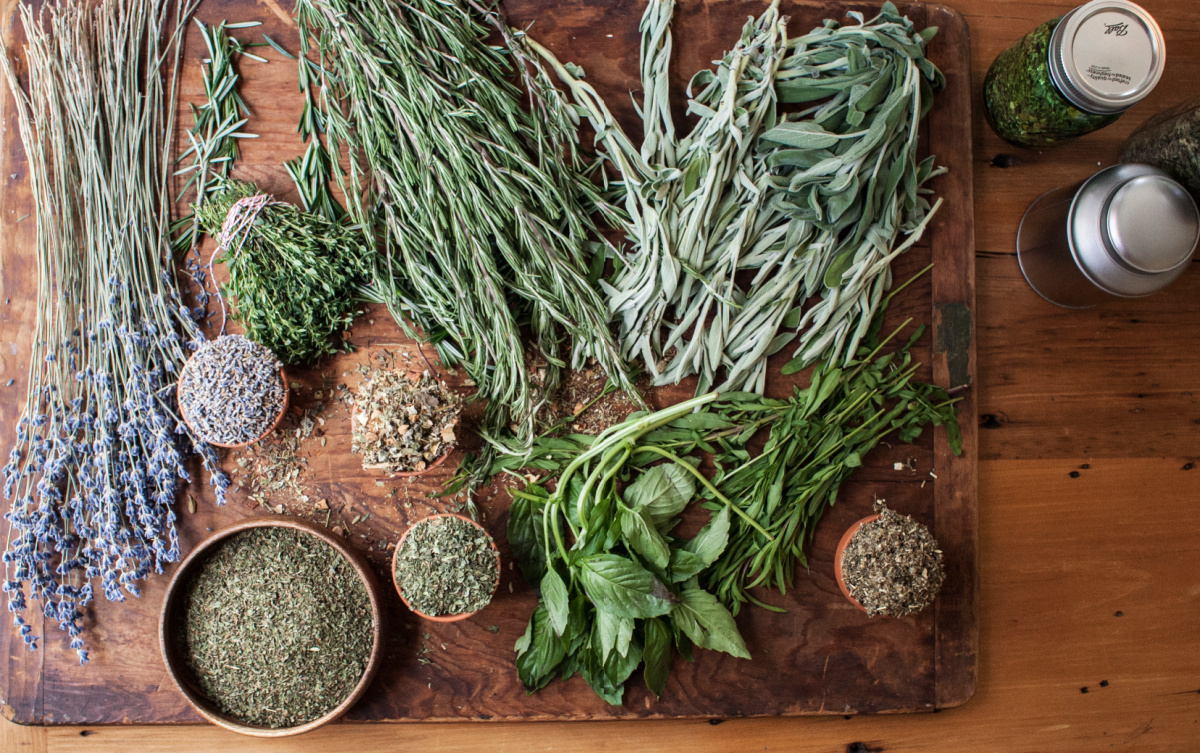
These include basil, parsley, cilantro, dill, mint, chives, and tarragon. They often need gentle washing and careful drying.
- ✦ Woody herbs
Rosemary, thyme, and sage have firmer stems. Leaves may need to be stripped from the stem before chopping.
- ✦ Aromatic vegetables
Garlic, onion, ginger, celery, scallions, and similar foods add strong base notes to many recipes.
- ✦ Dried herbs
Dried herbs have less water and a more concentrated flavor. They usually work well in dishes that cook for longer periods.
Why Preparation Changes Flavor
Cutting breaks plant cells and releases aroma compounds. A fine chop spreads flavor through a dish. A larger cut gives a milder effect and lets you notice the herb in separate bites.
Heat also changes flavor. Some herbs can handle long cooking, while tender herbs often taste better when added near the end. This is why Herb & Aromatic Preparation includes timing as well as physical preparation.
- ✦ Fine cuts
Use them when you want the herb to spread through sauces, dressings, fillings, or finished dishes.
- ✦ Large pieces
Use them when you want a gentler flavor or plan to remove the herb before serving.
Choosing Herbs and Aromatics Before Preparation
Good Herb & Aromatic Preparation starts before the knife comes out. Pick herbs that look fresh and suit the dish. Leaves should usually have a healthy color and should not feel slimy or show clear signs of decay.
For fresh herbs, avoid bunches with widespread dark spots, mushy leaves, or a sour smell. A few imperfect leaves are normal, but poor storage or decay can spread through a bunch quickly.
Think about the role of the herb too. Some herbs are used as a main flavor. Others support the dish in the background. Choosing the right amount is just as important as choosing the right herb.

- ✦ Check the leaves
Look for fresh leaves with good structure. Avoid herbs with widespread slime, mold, or strong off odors.
- ✦ Smell the herb
Fresh herbs should have a clear natural aroma. A weak or unpleasant smell can signal age or poor storage.
- ✦ Match the herb to the dish
Use mild herbs for delicate foods and stronger herbs when the dish can support bold flavor.
- ✦ Buy only what you can use
Smaller amounts can reduce waste when a recipe calls for only a little fresh herb.
Tender Herbs vs. Woody Herbs
Tender herbs have soft stems and leaves. Basil, parsley, cilantro, dill, mint, and chives are common examples. You can often use their soft stems when they are young and tender, though the texture may vary.
Woody herbs have firm stems. Rosemary and mature thyme are common examples. The leaves usually work better than the tough stems, so strip or remove the stems before chopping when needed.
- ✦ Tender herbs
Handle them gently and avoid crushing them more than the recipe needs.
- ✦ Woody herbs
Remove tough stems and chop the leaves to the size needed for the dish.
How to Wash and Dry Fresh Herbs
Washing is a basic but important part of Herb & Aromatic Preparation. Fresh herbs can carry soil and other material from handling and transport. Rinse them under cool running water and gently move the leaves with your fingers.
After washing, drying matters. Extra water can dilute sauces and dressings. It can also make delicate herbs wilt faster during storage.
A salad spinner can help with larger amounts of leafy herbs. For small amounts, place the herbs on a clean towel and pat them dry. Give them enough time to lose surface moisture before chopping or storing.
- ✦ Rinse gently
Use cool running water and handle delicate leaves with care.
- ✦ Drain well
Let excess water run off before drying.
- ✦ Dry before cutting
Dry leaves are easier to chop and less likely to slip under the knife.
- ✦ Dry before storage
Removing surface moisture can help reduce early spoilage.
A Simple Drying Method
Spread washed herbs in a single layer on a clean kitchen towel. Pat them gently, then leave them for a short time until the surface feels dry. Do not press hard on fragile leaves.
If you use a salad spinner, spin in short cycles and check the herbs between cycles. The aim is to remove water without damaging the leaves.
- ✦ Use a clean towel
A clean, dry towel helps remove surface moisture without adding dirt or strong odors.
- ✦ Avoid rough handling
Gentle handling helps protect tender leaves from bruising.
Cutting, Chopping, Slicing, and Mincing Herbs
Knife work is one of the most useful skills in Herb & Aromatic Preparation. A sharp chef’s knife gives you better control and helps you make clean cuts. A dull knife can crush soft leaves and make the work harder.
The cut should match the recipe. A rough chop works well for roasted foods and some sauces. A fine mince spreads flavor through butter, dressing, salsa, or a filling.
For basil, stacking a few leaves and slicing them into thin ribbons can work well. This cut is often called chiffonade. For parsley or cilantro, gather the leaves into a loose pile and chop with a steady motion.

- ✦ Rough chop
Use larger pieces when you want visible herbs and a softer release of flavor.
- ✦ Fine chop
Use a fine chop when you want herbs to blend into a dish.
- ✦ Mince
Mincing creates small pieces that spread flavor well through sauces and dressings.
- ✦ Thin slices
Thin slices work well for leafy herbs such as basil and can add a neat finish.
How to Avoid Bruising Tender Herbs
Tender herbs can bruise when you press, squeeze, or chop them too much. Bruised leaves may darken and lose some of their fresh look.
Use a sharp knife and a stable cutting board. Make clean cuts instead of repeatedly crushing the leaves with a blunt blade.
- ✦ Keep the knife sharp
A sharp edge lets you cut leaves with less pressure.
- ✦ Do not overwork the leaves
Stop once the herb reaches the size the recipe needs.
Crushing, Bruising, and Grinding Aromatics
Some aromatics release their character best after crushing or grinding. Garlic is a common example. Crushing garlic breaks its cells and creates a strong aroma that can spread through a dish.
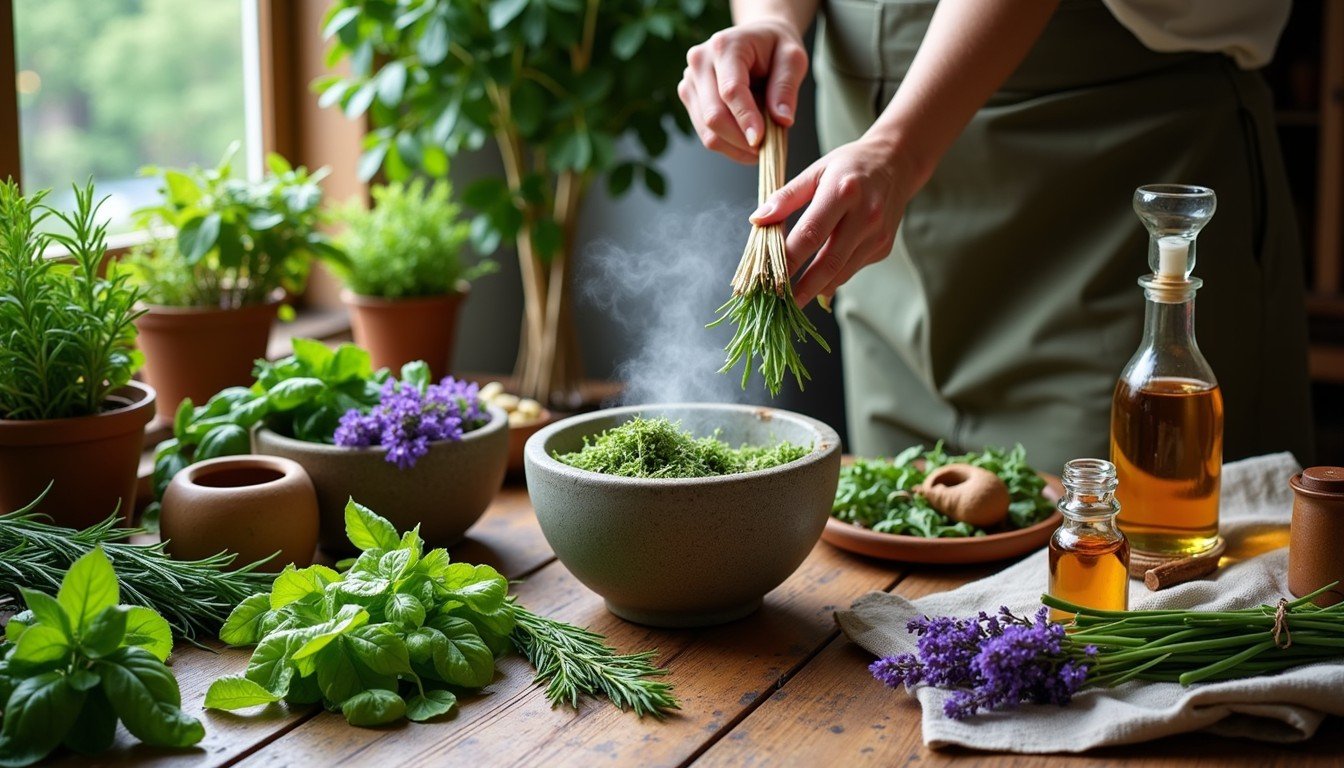
A mortar and pestle can also help with herbs, spices, garlic, ginger, and pastes. It gives you control over texture. You can stop when the mixture becomes coarse, smooth, or somewhere between the two.
Food processors and small grinders can save time when you prepare a larger batch. However, fast processing can turn herbs into a wet paste. Use short pulses and check the texture often.

- ✦ Crush
Use crushing when you want to release more aroma from firm ingredients such as garlic.
- ✦ Bruise
Lightly bruising some herbs can release aroma without turning them into small pieces.
- ✦ Grind
Grinding creates a finer texture and works well for pastes, spice blends, and some sauces.
- ✦ Pulse
Short pulses help prevent over-processing when using a food processor.
Using a Food Processor for Herb Preparation
A food processor can make Herb & Aromatic Preparation much faster for large batches. It works well for herb sauces, pesto-style mixtures, chopped aromatics, and blended pastes.
Do not fill the bowl too much. Small batches often process more evenly. Scrape the bowl when needed and use short pulses so you can control the final texture.
- ✦ Use short pulses
Pulsing gives you more control than running the machine continuously.
- ✦ Keep batches moderate
A bowl that is too full may process unevenly.
- ✦ Watch heat
Long processing can warm delicate mixtures. Short pulses help limit unnecessary heat.
Preparing Garlic, Ginger, Onion, and Other Aromatics
Aromatics form the backbone of many recipes. In Herb & Aromatic Preparation, they deserve the same care as leafy herbs. Their size and cooking time can affect how quickly they release flavor.
Onions are often diced, sliced, or chopped. Garlic may be sliced, minced, crushed, or grated. Ginger can be peeled and sliced, minced, grated, or crushed depending on the dish.
The smaller the pieces, the more quickly they tend to spread through the food. This does not always mean smaller is better. A larger cut may be useful when you want a softer, slower flavor release.

- ✦ Garlic
Peel the cloves, then slice, mince, crush, or grate them based on the recipe.
- ✦ Ginger
Peel only as much as needed, then slice, grate, mince, or crush it.
- ✦ Onion
Choose diced, sliced, or chopped onion based on the desired texture and cooking time.
- ✦ Scallions
Separate the white and green parts when a recipe calls for different cooking times.
- ✦ Lemongrass
Remove the tough outer layers and use the tender inner portion as directed by the recipe.
Why Cut Size Matters
Small pieces expose more surface area. This can help flavor move into oil, water, sauces, and other foods. It can also make an aromatic cook faster.
Large pieces are useful when you want to remove the aromatic later. This is common with whole garlic cloves, large onion pieces, or herb sprigs used to flavor a broth.
- ✦ Small pieces
Good for fast cooking and even distribution.
- ✦ Large pieces
Useful for slow cooking or when you want to remove the aromatic before serving.
Fresh Herbs vs. Dried Herbs
Fresh and dried herbs are not always interchangeable in equal amounts. Drying removes water and changes the texture and flavor of the plant. Dried herbs can taste more concentrated, while fresh herbs often give a brighter and more delicate note.
Dried herbs can work well in soups, stews, sauces, braises, and other dishes with enough cooking time to release their flavor. Fresh herbs often work well as a finishing ingredient or in dishes where their bright taste matters.
When substituting one for the other, start with less dried herb than fresh herb and adjust after tasting. The right amount depends on the herb, its age, and the recipe.

- ✦ Fresh herbs
Best when you want a bright, fresh aroma and a softer texture.
- ✦ Dried herbs
Useful for pantry storage and recipes with longer cooking times.
- ✦ Add dried herbs early
Many dried herbs benefit from time in the cooking liquid or fat.
- ✦ Add tender fresh herbs later
Late addition can help keep their fresh aroma and color.
When to Add Herbs During Cooking
Timing is a key part of Herb & Aromatic Preparation. Firm herbs such as rosemary and thyme can often handle longer cooking. Tender herbs such as basil, cilantro, parsley, and dill often work well near the end.
Taste as you cook when the recipe allows it. If the herb disappears into the dish, a small fresh addition near serving time can bring back some aroma.
- ✦ Early addition
Useful when you want the herb to blend deeply into the dish.
- ✦ Late addition
Useful when you want a fresh aroma and a more noticeable herb flavor.
- ✦ Finishing herbs
Fresh parsley, cilantro, basil, chives, and similar herbs can add color and aroma just before serving.
Drying Herbs at Home
Drying is a useful way to preserve herbs when you have more fresh herbs than you can use. Proper Herb & Aromatic Preparation before drying starts with clean herbs and good airflow. The goal is to remove moisture while limiting conditions that can lead to spoilage.
Small bunches can be air-dried in a clean, dry place with good airflow. Herbs can also be dried using controlled heat when the method suits the herb. The exact time varies with leaf size, moisture, humidity, and the drying method.
Herbs should be fully dry before storage. If they still feel damp or soft, keep drying them. Store dried herbs in a clean, dry, airtight container away from heat, light, and moisture.

- ✦ Start with clean herbs
Remove damaged material and make sure the herbs are suitable for drying.
- ✦ Provide airflow
Good airflow helps moisture leave the plant.
- ✦ Dry completely
Do not store herbs while they still contain noticeable moisture.
- ✦ Use airtight storage
A dry, sealed container helps protect dried herbs from moisture and outside odors.
- ✦ Label the container
Write the herb name and drying date so older herbs can be used first.
Signs That Dried Herbs Are Ready
A dried leaf should feel dry and brittle rather than soft or damp. It should crumble more easily than a fresh leaf. If moisture remains, storage can become unsafe or the herb may spoil.
Check the herbs before sealing the container. If they show mold, unusual moisture, or a strong off smell, do not use them.
- ✦ Dry texture
Leaves should not feel moist or flexible in the way fresh leaves do.
- ✦ Clean aroma
The herb should smell like the herb itself, without a musty or spoiled odor.
How to Store Fresh Herbs for Longer Use
Storage is the final step that many people overlook. Even excellent Herb & Aromatic Preparation can be wasted if fresh herbs are stored in a poor way. Different herbs may respond better to different storage methods.
Some leafy herbs keep well when their stems sit in a small amount of water and the leaves are protected from excessive moisture. Other herbs may do better wrapped loosely in a clean, slightly dry towel and placed in a suitable container.
Keep herbs away from foods that may crush them. Check the bunch every few days and remove leaves that are clearly spoiled. This helps prevent damaged pieces from affecting the rest.

- ✦ Protect delicate leaves
Avoid crushing herbs under heavy foods or tightly packed containers.
- ✦ Control moisture
Too much surface moisture can speed spoilage, while excessive dryness can cause wilting.
- ✦ Check often
Remove spoiled leaves as soon as you notice them.
- ✦ Use older herbs first
Plan meals around herbs that need to be used soon.
Making a Simple Herb Storage Plan
When you bring herbs home, sort them before putting them away. Remove damaged leaves, decide which herbs you will use soon, and choose a storage method that fits each type.
This small routine can save time during the week. It also makes it easier to turn leftover herbs into sauces, dressings, compound butter, soups, or chopped toppings before they go to waste.
- ✦ Day of purchase
Inspect, sort, and prepare the herbs for storage.
- ✦ During the week
Use the most delicate herbs first.
- ✦ Before spoilage
Turn extra herbs into a sauce, dressing, paste, or other prepared food when suitable.
Common Herb & Aromatic Preparation Mistakes
Most preparation mistakes are simple. They often come from using the same method for every herb. Once you learn how texture, moisture, cut size, and heat affect an ingredient, these errors become easier to avoid.
Another common mistake is adding every herb at the start of cooking. Long heat can soften or reduce the fresh character of some tender herbs. The better approach is to follow the needs of each ingredient and taste the food as it cooks.
- ✦ Washing and storing herbs while very wet
Extra moisture can shorten storage life. Dry the surface before storing when appropriate.
- ✦ Using a dull knife
A dull blade can crush tender leaves and make cutting less controlled.
- ✦ Over-processing
Running a food processor too long can create a texture that is finer or wetter than intended.
- ✦ Using too much dried herb
Dried herbs can have a strong flavor. Start with a modest amount and adjust.
- ✦ Adding delicate herbs too early
Long cooking can reduce their fresh aroma and bright character.
- ✦ Ignoring stems
Some stems are tender and useful, while woody stems can be tough. Treat them differently.
- ✦ Storing old herbs too long
Herbs lose quality with time. Plan meals around the ingredients that need attention first.
A Better Way to Work
Set out the herbs, knife, board, bowl, and storage container before you start. This simple setup keeps the process clean and quick. It also reduces the chance of cutting herbs and leaving them exposed while you search for the next tool.
Prepare only the amount you need when possible. If you have extra herbs, decide right away whether to store, dry, freeze, or use them in another dish.
- ✦ Plan first
Know how much herb the recipe needs before cutting the full bunch.
- ✦ Work in batches
Batch preparation can save time when several recipes need the same aromatic ingredients.
Food Safety Tips for Herb and Aromatic Preparation
Food safety matters during every stage of Herb & Aromatic Preparation. Wash fresh herbs under running water before use, unless the package gives different safe-use directions. Keep raw foods, dirty tools, and ready-to-eat herbs from cross-contaminating each other.
Use clean knives, boards, bowls, and storage containers. Refrigerate foods that need refrigeration and follow safe storage practices for prepared mixtures. Do not use herbs that show mold or clear signs of spoilage.
Extra care is important for homemade herb oils and other moist herb mixtures. These foods can create conditions that support harmful bacteria if handled or stored incorrectly. Use tested food-safety guidance for preservation methods rather than relying on room-temperature storage rules passed down by word of mouth.
- ✦ Wash hands
Clean your hands before and during food preparation, especially after handling raw foods.
- ✦ Clean tools
Use clean knives, cutting boards, bowls, and containers.
- ✦ Avoid cross-contact
Keep ready-to-eat herbs away from raw meat, poultry, seafood, and dirty preparation surfaces.
- ✦ Discard moldy herbs
Do not try to rescue visibly moldy herbs by cutting away one small area.
- ✦ Use tested preservation methods
Follow reliable food-safety instructions for homemade preserved herb products.
Herbs Used for Food vs. Herbal Remedies
Culinary herbs and herbal products are not the same thing. An herb used to flavor food may be safe in normal culinary amounts but may behave differently when taken in concentrated forms.
If you plan to prepare herbs for medicinal use, check reliable health and food-safety guidance first. People who take medicines, are pregnant, or have a medical condition should ask a qualified health professional before using concentrated herbal products.
- ✦ Culinary use
Focuses on flavor, aroma, texture, and normal food preparation.
- ✦ Concentrated use
May involve stronger doses or extracts and should not be treated as the same as normal cooking use.
Best Ways to Use Prepared Herbs in Everyday Cooking
Once your herbs are clean and ready, you can use them in many simple ways. Fresh herbs can finish pasta, eggs, roasted vegetables, soups, salads, sandwiches, and grilled foods. Aromatics can build flavor at the start of a meal.
Prepared herbs also make useful components for sauces and condiments. Try chopped parsley in a lemon dressing, basil in a tomato sauce, cilantro in a fresh salsa, or rosemary with roasted vegetables.
A good habit is to taste before adding more. Herbs can build over time, and a small final addition can often make the flavor feel more complete without making the dish heavy.
- ✦ Sauces
Mix chopped herbs into tomato sauces, cream sauces, pan sauces, and fresh dressings.
- ✦ Soups
Use hardy herbs during cooking and tender herbs near the end when appropriate.
- ✦ Roasted foods
Pair herbs such as rosemary, thyme, sage, or parsley with vegetables, potatoes, poultry, and other foods.
- ✦ Salads
Use fresh herbs as a leafy accent or mix them into the dressing.
- ✦ Finishing
Add a small amount of fresh chopped herbs just before serving for extra aroma and color.
A Simple Weeknight Herb Routine
For a busy U.S. household, Herb & Aromatic Preparation can be part of meal prep. Wash and dry a useful amount of herbs when you have time. Store them correctly, then chop only what each meal needs.
You can also prepare a small container of chopped sturdy herbs for meals during the next day or two. Keep delicate herbs whole when possible so they stay in better condition until you need them.
- ✦ Prep once
Do basic washing and drying after shopping when it fits your storage plan.
- ✦ Cut as needed
Chop tender herbs close to use when possible.
- ✦ Use leftovers
Turn extra herbs into sauces, dressings, or other suitable dishes before quality drops.