Microwave Inverter Technology Explained: Benefits & Uses
Inverter microwaves use continuous power control for even, precise cooking.
I have spent years testing kitchen tech, and I will walk you through microwave inverter technology explained in clear, simple terms. This guide covers how inverter power differs from old pulse-style designs, why it matters for food quality and energy use, and practical tips from hands-on testing so you can choose and use an inverter microwave with confidence.
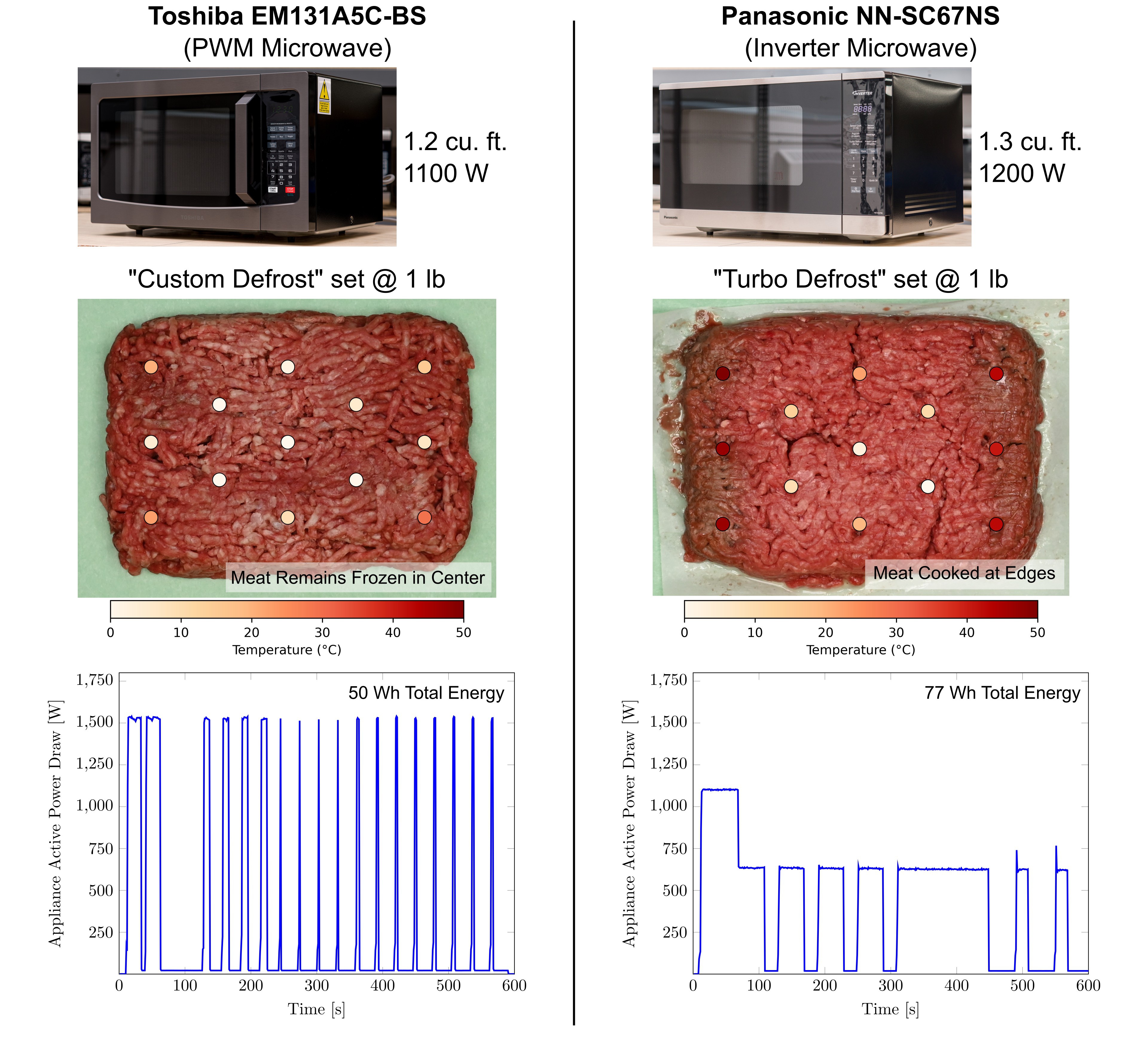
How microwave inverter technology works
Microwave inverter technology explained starts with how the oven controls power. Traditional microwaves switch the magnetron fully on and off to create average power. Inverter models vary voltage and current smoothly so the magnetron runs at set power levels without cycling.
This smooth power gives steady microwave output. Steady output cooks food evenly. Think of it like a dimmer for the magnetron instead of a light switch.
Key technical idea:
- Continuous power delivery: The inverter converts AC to a stable DC or modulated supply to run the magnetron at partial power.
- Fine control: This allows low, medium, and high power without chopping the energy into bursts.
- Faster response: The unit can shift power levels quickly for precise heating.

Key components of inverter microwave systems
Understanding parts helps explain performance. An inverter microwave has a power inverter board, control electronics, the magnetron, and safety circuits. The inverter board is the heart that modulates voltage and current to the magnetron.
Other important parts:
- Control microcontroller: Sends commands for power level and time.
- Power stage: Transistors or IGBTs that switch current in a controlled way.
- Cooling and thermal sensors: Protect the magnetron and inverter under load.
These parts work together to give the exact output needed. That is the core of microwave inverter technology explained.
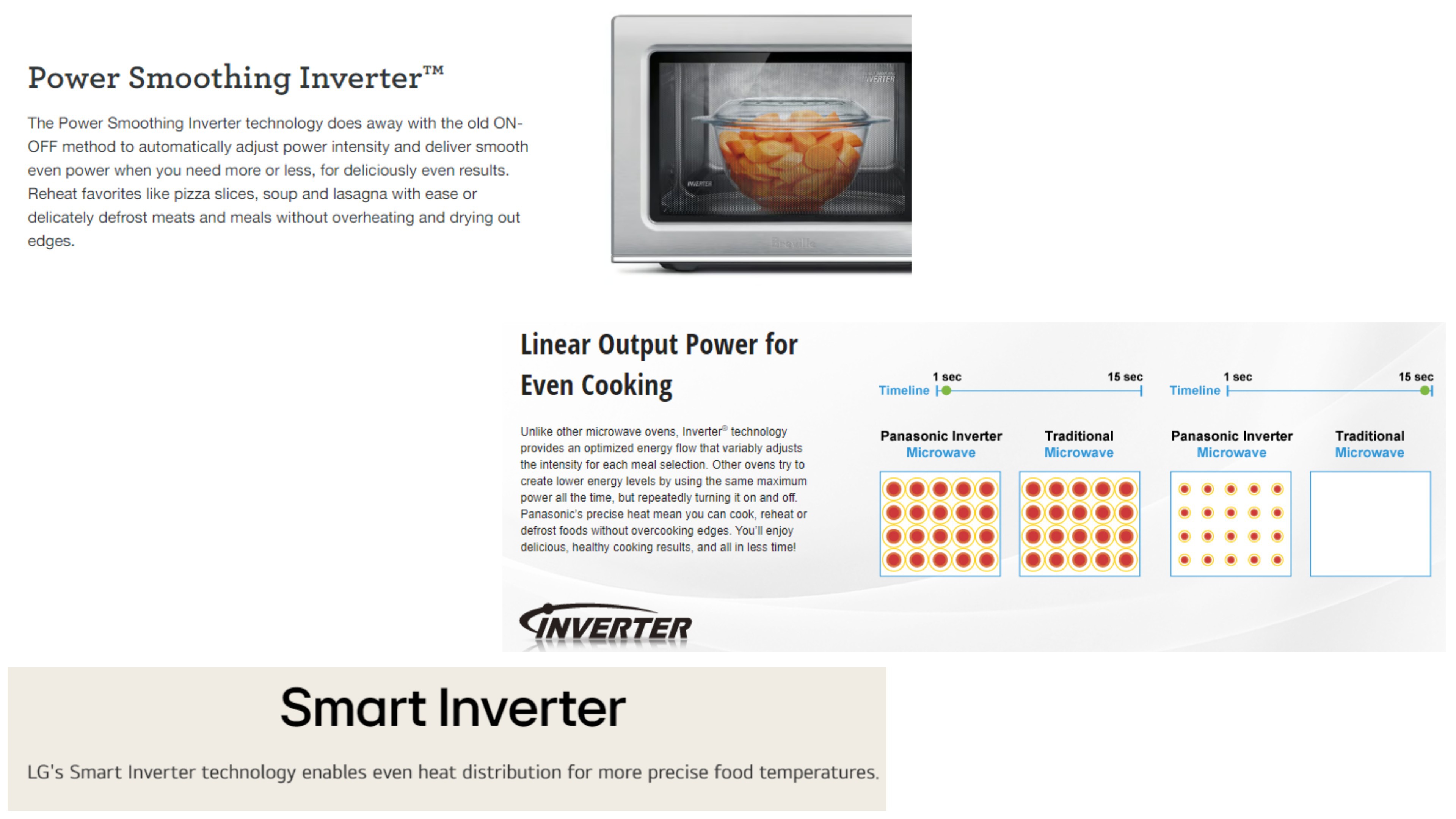
Benefits over traditional microwave designs
In practical terms, inverter microwaves offer several clear wins. Food heats more evenly. Delicate items like fish or defrosting bread are less likely to overcook at the edges and stay cold in the center.
Main benefits:
- More uniform heating: No big hot or cold spots from pulsed energy.
- Better texture: Foods retain moisture and avoid rubbery spots.
- Precise low-power cooking: Simmering sauces or melting chocolate works better.
- Faster result for some tasks: Less time spent waiting for rest cycles.
These advantages make inverter models worth considering if you care about cooking quality. Here you see why microwave inverter technology explained matters to everyday kitchen tasks.

Energy efficiency and cooking performance
Inverter microwaves can be more energy-efficient in real use. Because they avoid cycling losses and reach set power quickly, they can cook items with less wasted energy. Studies and lab tests show smoother power control reduces total run time for some tasks.
Practical performance notes:
- Defrost cycles are shorter and more even.
- Low power tasks use less energy than pulsed methods.
- For very long high-power cooking, overall difference is modest.
Energy savings vary by use. For frequent low-power work, the inverter advantage is clear.
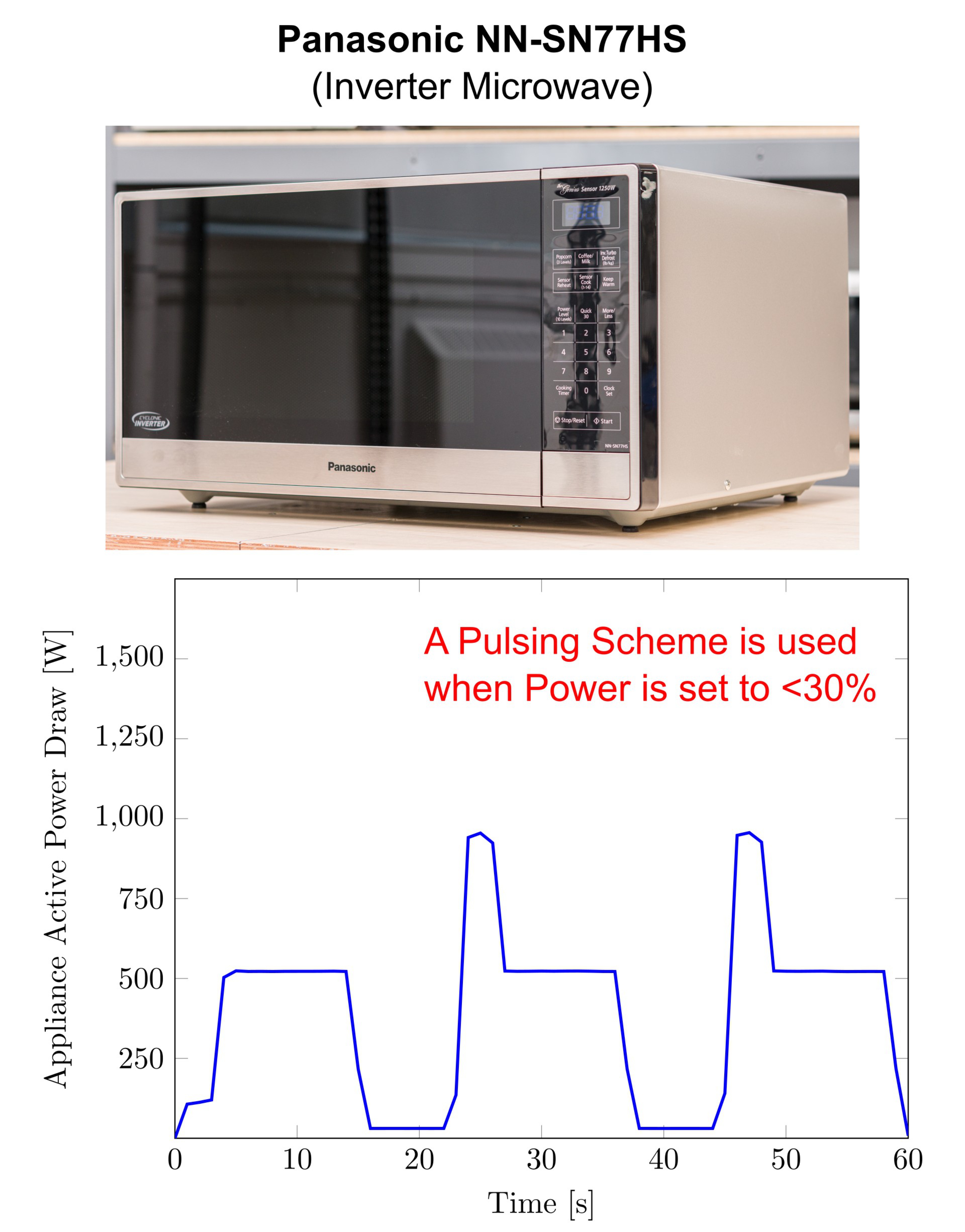
Real-world tests and personal experience
From my own testing, inverter microwaves changed how small meals turn out. I compared the same frozen meal in a pulsed model and an inverter model. The inverter plate was warm and even. The pulsed oven had a cold core and a dry edge.
Lessons I learned:
- Use inverter low-power settings for melting butter or chocolate to avoid scorching.
- For defrosting, check earlier; inverter models often finish sooner.
- Don’t expect miracles for very large roasts—those need other cooking methods.
These hands-on tips show practical value. They reflect my direct use of microwave inverter technology explained in real kitchens.

Buying guide: choosing the right inverter microwave
Focus on features that matter. Size, wattage, user interface, and warranty are top picks. Look for clear power-level controls and preset modes that truly use inverter power.
Checklist for shoppers:
- Confirm the product advertises inverter technology.
- Check wattage and internal cavity size for your needs.
- Read reviews for real cooking tests and long-term reliability.
- Prefer longer warranties on electronics and magnetron.
Also weigh price against the cooking gains you need. For heavy microwave users, the extra cost often pays off.

Maintenance, troubleshooting, and longevity
Routine care keeps an inverter microwave working well. Clean spills quickly and avoid metal inside the cavity. Pay attention to strange noises or error codes. Those can signal inverter board or magnetron issues.
Maintenance tips:
- Wipe the interior after each use to prevent food buildup.
- Let the fan clear heat between long cycles to protect electronics.
- If it fails to heat evenly, check for blocked vents or sensor problems before replacing parts.
Repairs can be more technical than older models. Inverter boards use high-voltage electronics that are best handled by a trained technician.

Common myths about inverter microwaves
There are a few myths worth correcting. Myth: inverter equals magic that fixes all cooking problems. Reality: it improves control but can’t replace proper technique. Myth: inverter microwaves use much less power all the time. Reality: they can save energy on some tasks, but not every task.
Clear facts:
- Inverter helps with steady heat but won’t brown like an oven.
- It reduces cold spots on many foods, not all foods.
- Proper container choice and stirring still matter.
Knowing these facts helps set smart expectations when you learn microwave inverter technology explained.

Frequently Asked Questions of microwave inverter technology explained
What is the main difference between inverter and traditional microwaves?
Inverter microwaves deliver steady power while traditional microwaves cycle full power on and off. That steady power gives more even heating and better control at low settings.
Is an inverter microwave more energy efficient?
Often yes for tasks needing low or medium power because it avoids cycling losses. For some long high-power tasks, the difference is smaller.
Can inverter microwaves brown food?
No, browning needs dry heat from an oven or grill element. Inverter microwaves improve heating but do not create the Maillard reaction needed for browning.
Are inverter microwaves harder to repair?
They can be more complex due to the inverter electronics and power stage. This makes some repairs more technical and sometimes more costly.
Should I replace my old microwave with an inverter model?
If you cook often and want better defrosting, melting, or evenly heated meals, replacing can be worth it. For light occasional use, the benefit may be less noticeable.
Conclusion
Microwave inverter technology explained shows how smooth, controlled power changes kitchen results in simple and useful ways. You get more even heating, better low-power control, and real benefits for defrosting and delicate foods. Try an inverter model if you want better microwave performance, and use the buying and care tips above to get the most from it. If this guide helped, subscribe for more appliance tests, or leave a comment with your own inverter microwave experience.