Hydrogen Water Bottle Operation & Maintenance: Complete Care and Use Guide
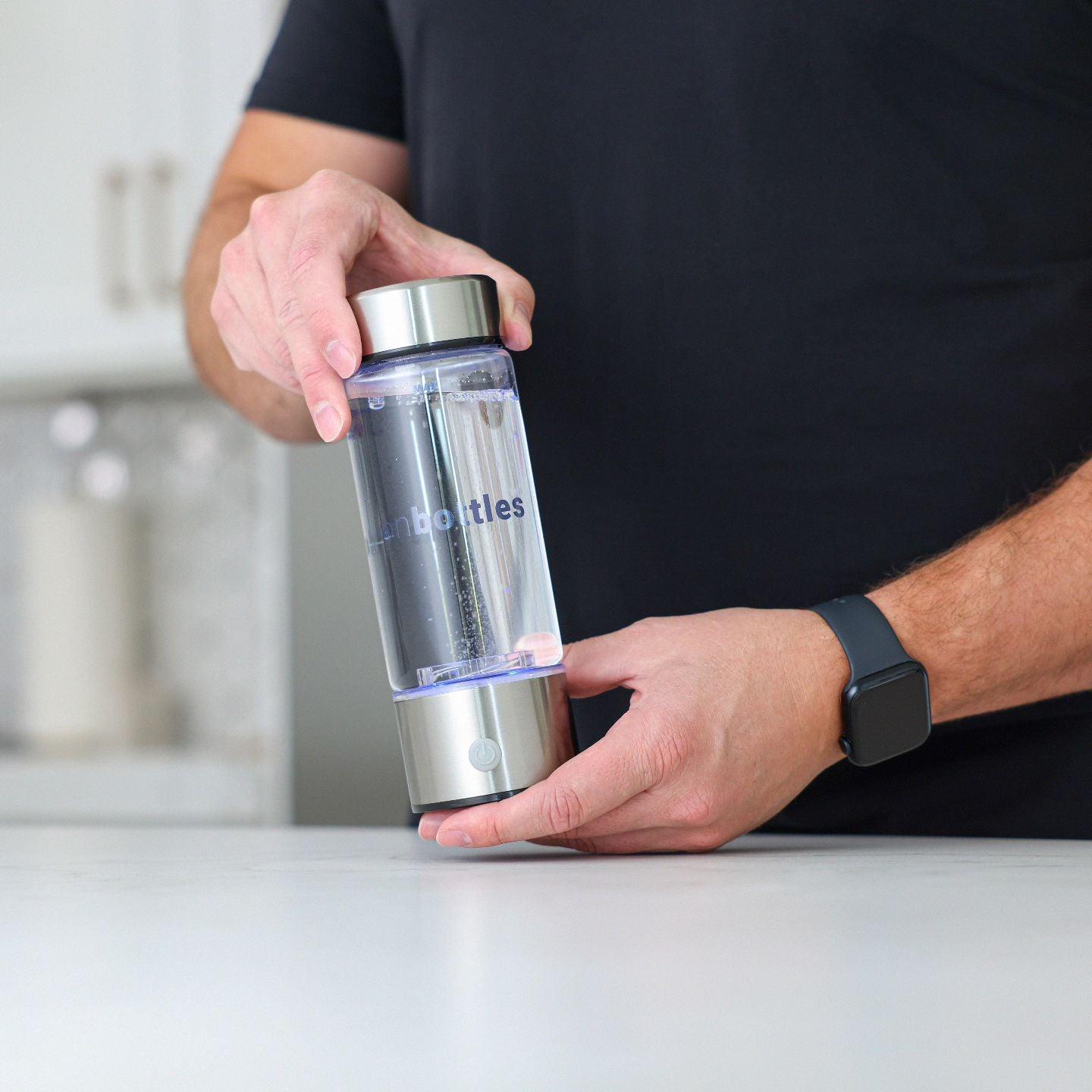
A hydrogen water bottle can look simple, but it has more than a normal bottle inside. Many models use an electrolysis system, often with a proton exchange membrane (PEM), to add dissolved hydrogen to water. The bottle also has parts such as a power cell, charging port, seals, electrodes, and a control button.
Good **Hydrogen Water Bottle Operation & Maintenance** is mostly about simple habits. Use the right water, keep the bottle clean, protect the electronic parts, and follow the maker’s manual. A useful rule is to treat the bottle as both a water container and a small electronic appliance.
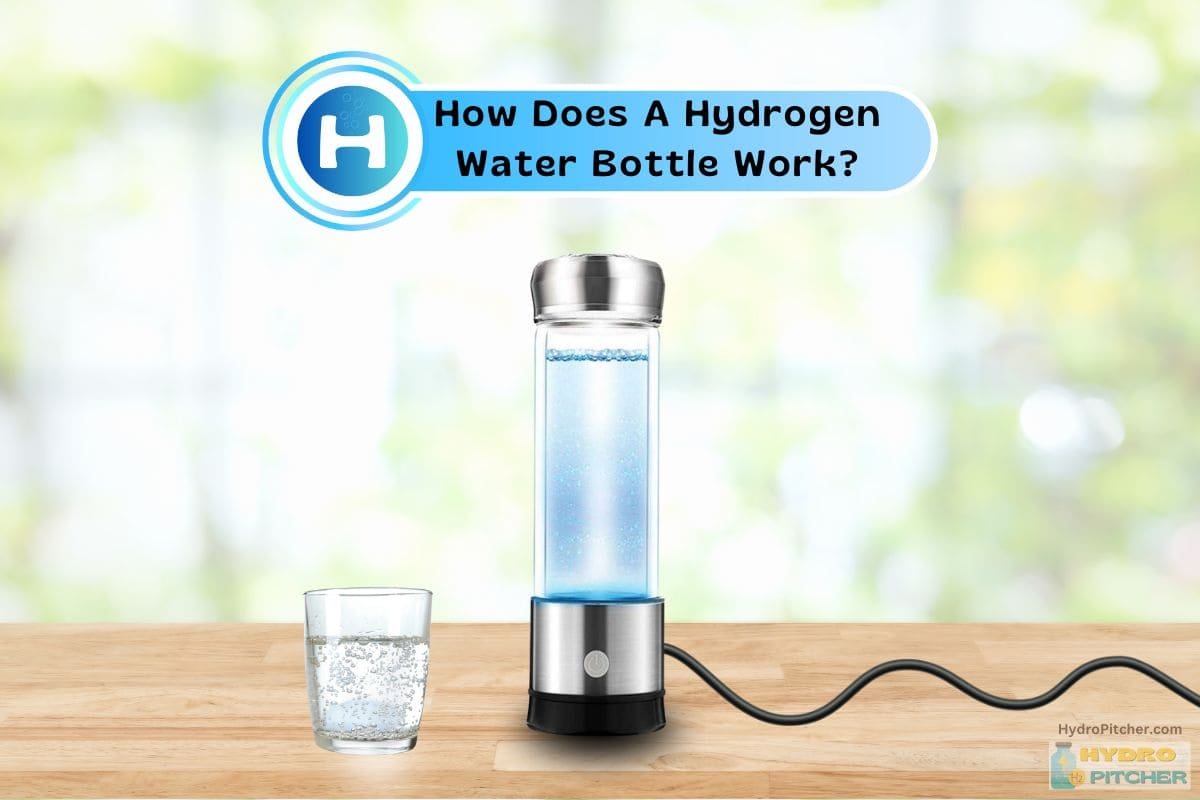
How a Hydrogen Water Bottle Works
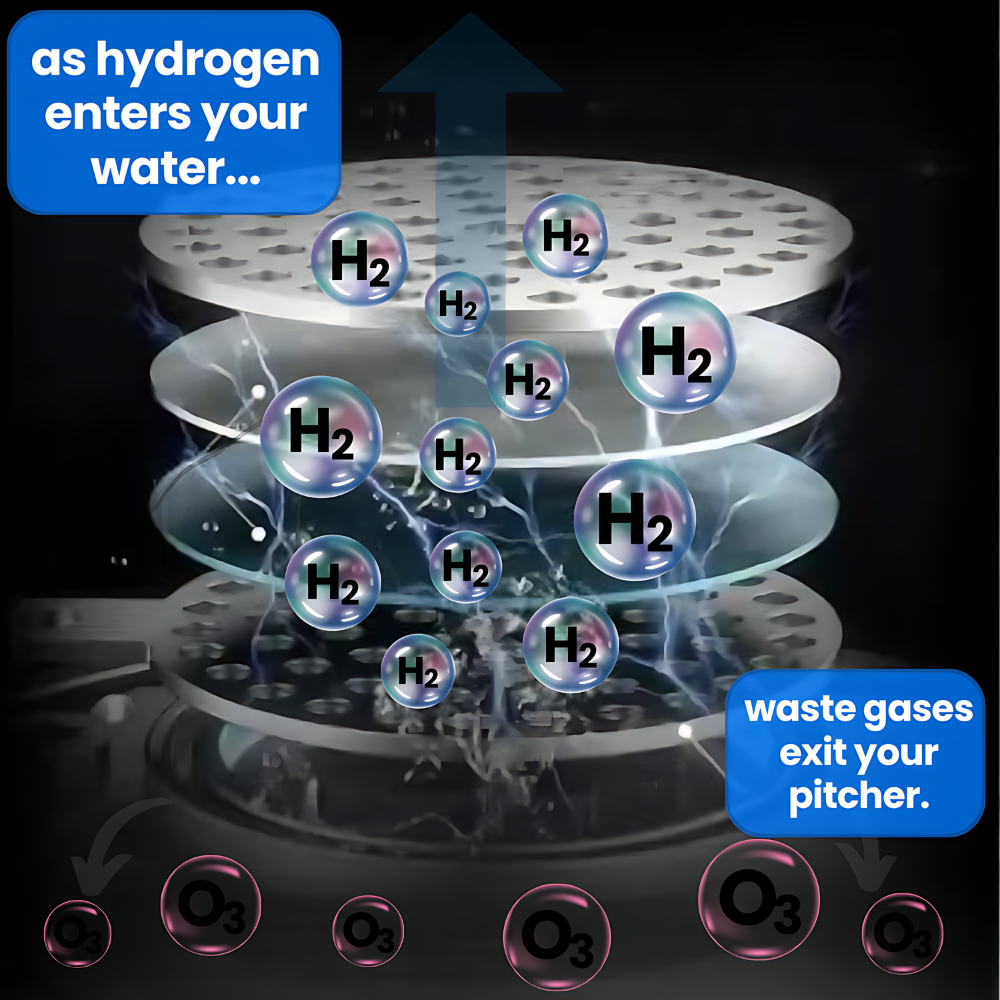
Before learning Hydrogen Water Bottle Operation & Maintenance, it helps to know what happens inside the bottle. Most hydrogen water bottles use electrolysis to split water molecules. The system then produces molecular hydrogen gas, which dissolves into the water.
Many portable units use a PEM membrane. This membrane helps separate parts of the electrolysis process and can reduce the movement of unwanted ions between areas of the cell. The exact design varies by brand, so the user manual should always be the main guide.
The bottle needs power to run its hydrogen cycle. A rechargeable battery usually supplies that power. Because of this, cleaning the bottle is not the same as cleaning a simple glass or stainless steel bottle.

- ✦ Water chamber
This is the part that holds the drinking water. It should stay clean and free from residue.
- ✦ Electrolysis cell
This part uses electricity to produce molecular hydrogen from water.
- ✦ PEM membrane
A PEM can help control the electrolysis process. It is a sensitive part and should not be scrubbed or damaged.
- ✦ Battery and electronics
These parts power the bottle. They must be kept away from water unless the design is specifically made for immersion.
What the Bottle Should Not Do
A hydrogen water bottle is not a water purifier unless the manufacturer clearly says it has that function. It also does not make unsafe water safe to drink. Start with water that is already suitable for drinking.
Do not add juice, milk, soda, alcohol, oils, or other liquids unless the manufacturer specifically allows them. Extra substances can affect the cell, seals, taste, or cleaning process.
- ✦ Do not use it as a purifier
Use safe drinking water from a trusted source rather than relying on hydrogen generation to remove contaminants.
- ✦ Do not add random liquids
Stick to plain drinking water unless the product manual gives different instructions.
How to Use a Hydrogen Water Bottle Correctly
Correct operation is the first part of Hydrogen Water Bottle Operation & Maintenance. Start by checking the bottle for cracks, loose parts, or damage. Then fill it with clean drinking water up to the marked level.
Close the lid firmly if the model requires a sealed chamber. Start the hydrogen cycle using the button or control shown in the manual. Do not open, shake, or move the bottle during the cycle unless the manufacturer says that it is safe to do so.
When the cycle ends, drink the water as directed by the manufacturer. Hydrogen can leave water over time, so many users prefer to drink it soon after the cycle rather than leave it sitting for a long period.
- ✦ 1. Check the bottle
Look for cracks, damaged seals, loose parts, or signs of water around the charging area.
- ✦ 2. Add clean water
Fill the bottle to its recommended level. Do not exceed the maximum fill line.
- ✦ 3. Close the lid
Make sure the lid and seals are fitted correctly before starting a cycle.
- ✦ 4. Start the cycle
Press the correct button or control and let the bottle complete its programmed cycle.
- ✦ 5. Drink or store as directed
For best handling, use the water soon after production and follow the storage advice in the product manual.
Best Water for a Hydrogen Water Bottle
Plain drinking water is the safest default. The right water type can vary by model because mineral levels and additives can affect an electrolysis cell. Some manufacturers recommend filtered water, while others allow ordinary tap water.
Avoid guessing when the manual gives a specific water requirement. Very hard water can leave mineral deposits, while heavily treated or unusual water may not be suitable for some bottle designs.
- ✦ Follow the manual
Use the water type and quality listed by the manufacturer.
- ✦ Avoid additives
Do not add flavor powders, supplements, or acidic liquids unless the maker says they are compatible.
Hydrogen Water Bottle Cleaning Routine
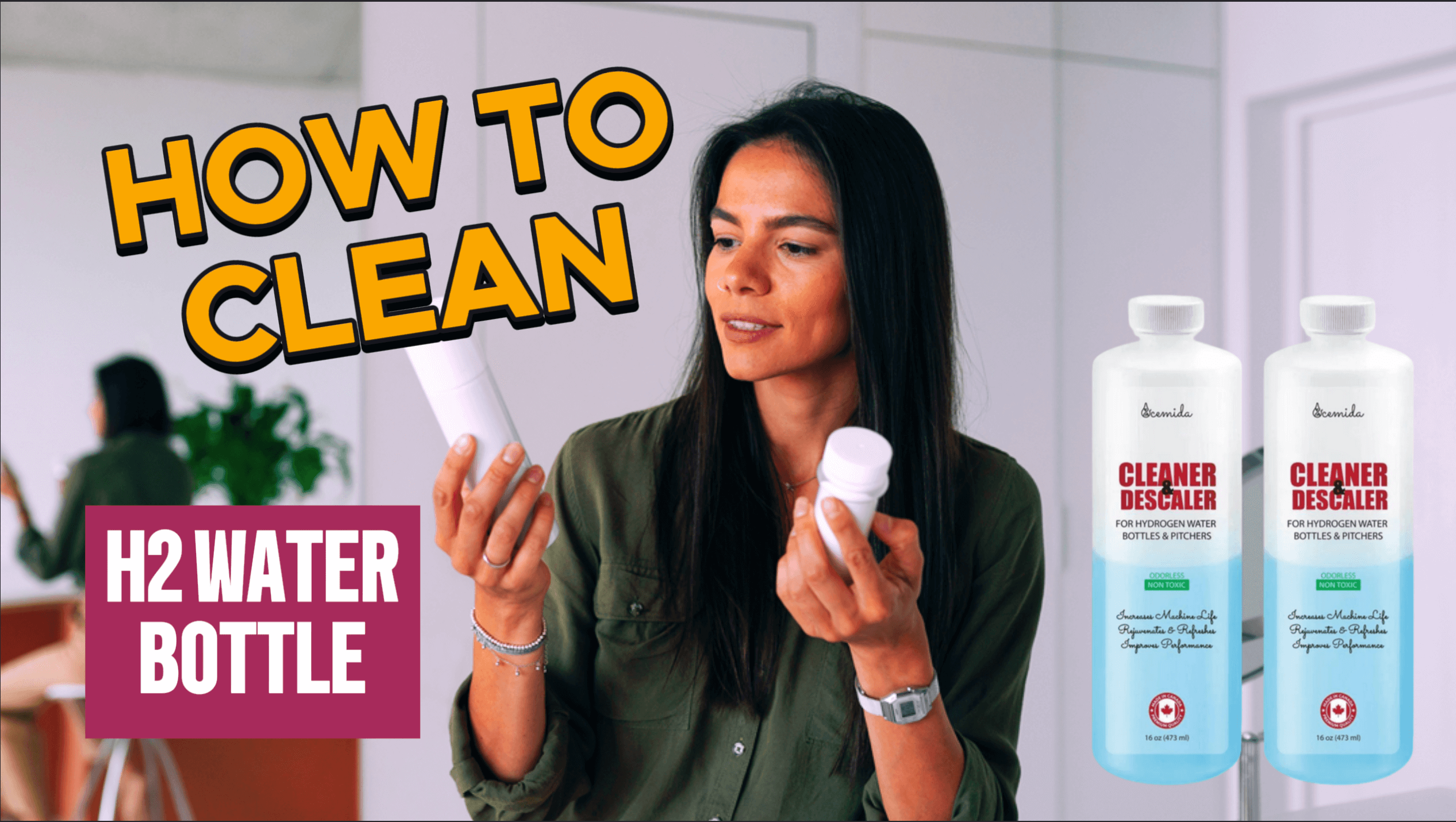
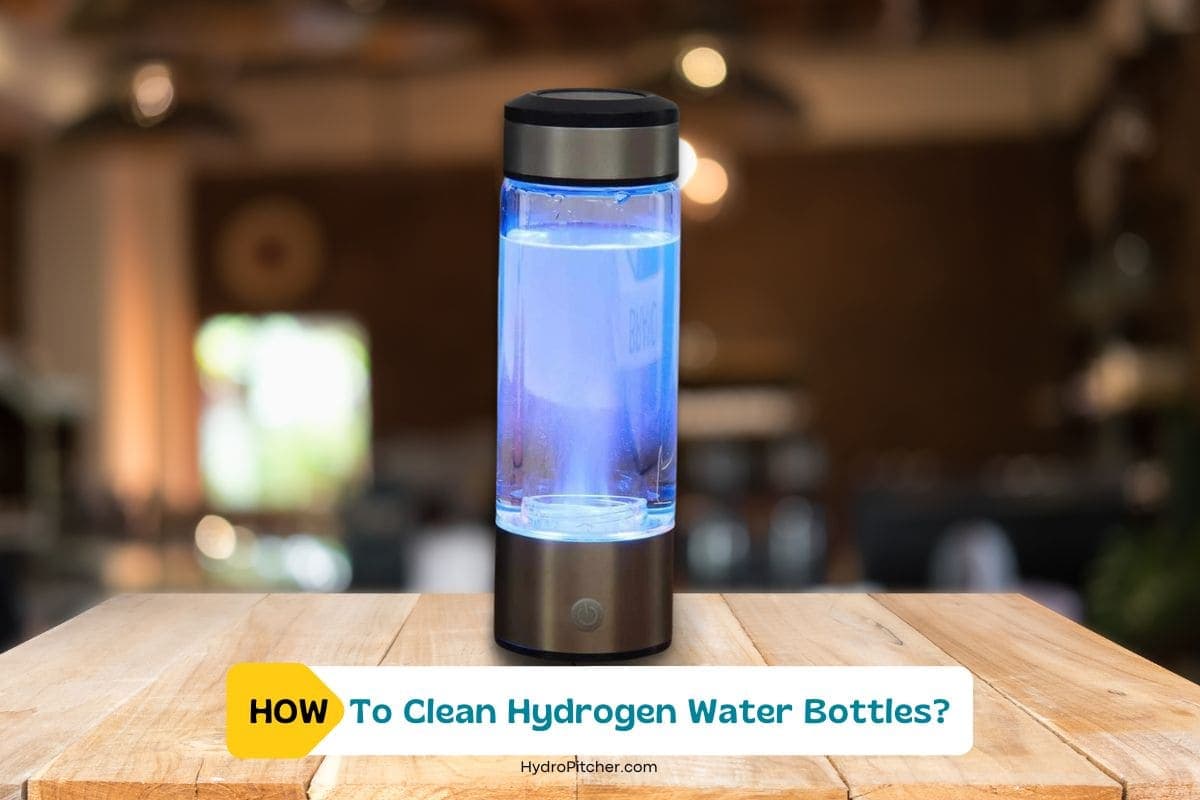
Cleaning is one of the most important parts of Hydrogen Water Bottle Operation & Maintenance. Water can leave mineral film inside the bottle, and a bottle that stays damp can develop an unpleasant smell. Regular cleaning also helps keep the drinking surface fresh.
Empty the bottle after use when practical. Rinse the water chamber with clean water, then dry it according to the manufacturer’s instructions. Pay close attention to the lid, gasket, mouthpiece, and any areas where water can collect.
Never assume that every hydrogen bottle is dishwasher safe. Heat, strong detergent, and long exposure to water can damage seals, coatings, batteries, or electronic parts.
- ✦ Rinse after use
Rinse the inside with clean water and remove leftover water when the bottle will not be used again soon.
- ✦ Clean the lid
Wash removable lids and mouthpieces as directed, since these areas often collect residue.
- ✦ Clean the gasket
Inspect the silicone seal for dirt or buildup and clean it gently.
- ✦ Dry the bottle
Allow suitable parts to dry fully before closing the bottle for storage.
- ✦ Protect electronics
Keep charging ports and electronic sections dry unless the manufacturer specifically rates them for water exposure.
How Often Should You Clean a Hydrogen Water Bottle?
A quick rinse after regular use is a good habit. A deeper clean should follow the manufacturer’s schedule and should also be done when you notice odor, film, mineral buildup, or a change in taste.
People who use a bottle every day may need to clean it more often than someone who uses it only a few times a week. The water source also matters. Hard water can leave more scale than soft or filtered water.
- ✦ After regular use
Empty and rinse the water chamber, especially when the bottle will sit unused.
- ✦ During routine maintenance
Clean the lid, seal, mouthpiece, and other removable parts based on the product manual.
- ✦ When buildup appears
Clean the affected areas promptly rather than allowing mineral deposits or residue to grow.
Cleaning Products to Avoid
Harsh chemicals can damage materials and may leave residues. Avoid abrasive powders, rough scrubbers, and strong cleaners unless the manufacturer specifically approves them.
Do not use household chemicals inside the bottle just because they work on another appliance. Hydrogen water bottles have small seals, membranes, and electronic parts that may react differently.
- ✦ Abrasive scrubbers
These can scratch plastic, glass, coatings, or sensitive surfaces.
- ✦ Strong chemical cleaners
They may damage seals or leave unwanted residue.
- ✦ Unapproved descaling agents
Only use a descaling method that the manufacturer recommends for the specific bottle.
PEM Cell, Electrodes, and Mineral Buildup Care
The electrolysis cell is one of the most sensitive parts of a hydrogen water bottle. Its performance can be affected by mineral deposits, residue, poor water quality, or physical damage. This makes cell care a key part of Hydrogen Water Bottle Operation & Maintenance.
Do not scrape the electrodes or PEM membrane with a knife, metal tool, or rough brush. A small scratch or damaged membrane can affect the system and may lead to poor operation.
If your bottle has a cleaning or descaling cycle, use it exactly as described by the manufacturer. If it does not, check the manual before trying any chemical treatment.
- ✦ Mineral scale
Hard-water minerals can collect on internal surfaces and may reduce performance over time.
- ✦ Gentle cleaning
Use only the cleaning method approved for your model.
- ✦ No sharp tools
Never scrape electrodes or membranes with metal objects.
- ✦ Watch for changes
Unusual noise, poor cycle performance, leaks, or repeated errors may mean the bottle needs inspection.
Signs of Mineral Buildup
White spots, cloudy film, rough deposits, or a change in water taste can point to residue or mineral buildup. Some deposits may be easy to see, while others can form around the internal cell where they are harder to notice.
If cleaning does not solve the problem, stop trying stronger methods on your own. Check the manual or contact the manufacturer for model-specific service instructions.
- ✦ White or chalky film
This can occur when minerals in water dry on a surface.
- ✦ Reduced performance
A change in the normal operation cycle can be a reason to inspect the bottle.
- ✦ Unusual smell or taste
Clean the bottle and check the water source before using it again.
Battery, Charging, and Storage Maintenance
A hydrogen water bottle is also a rechargeable device, so battery care belongs in any Hydrogen Water Bottle Operation & Maintenance plan. Use the charger or charging cable recommended by the manufacturer when possible. Keep the charging port clean and dry.
Do not charge a wet bottle. If water gets near the charging area, unplug the charger and let the area dry fully before charging again. Never continue using a device that shows signs of electrical damage.
For storage, empty and clean the bottle first. Keep it in a cool, dry place away from direct sunlight and extreme heat. If the manual gives special battery storage instructions, follow those instructions.
- ✦ Use the correct charger
Use the charging equipment and power specifications recommended by the manufacturer.
- ✦ Keep the port dry
Moisture around an electrical connection can create a safety risk.
- ✦ Avoid extreme heat
High heat can affect batteries, plastics, seals, and electronic parts.
- ✦ Store it empty
Empty and dry the bottle before long-term storage to reduce odor and residue.
How to Store a Hydrogen Water Bottle for a Long Time
If you will not use the bottle for several weeks, give it a full cleaning first. Remove standing water and let the suitable parts dry completely.
Store the bottle in a clean, dry location. Battery storage rules vary by design, so check the manufacturer’s instructions for the recommended charge level and storage period.
- ✦ Clean it first
Remove water, residue, and visible buildup before storage.
- ✦ Dry all suitable parts
Do not seal a damp bottle for long-term storage.
- ✦ Follow battery guidance
Use the manufacturer’s instructions for long-term battery storage.
Hydrogen Water Bottle Safety and Troubleshooting
Safe Hydrogen Water Bottle Operation & Maintenance means knowing when to stop using the device. A small amount of normal operation noise may be expected, but sudden changes should not be ignored. Read the product manual before troubleshooting a problem that involves the electrical system or hydrogen cell.
Do not use a bottle that has a cracked body, damaged charging port, swollen battery, severe leak, burning smell, or visible electrical damage. Do not try to open a sealed battery compartment or repair internal electronics unless the manufacturer provides a safe service procedure.
If the bottle does not start, first check simple issues such as water level, battery charge, lid position, and the power button. If the issue remains, contact the manufacturer rather than repeatedly restarting the device.
- ✦ Bottle will not start
Check the battery, water level, lid position, and controls according to the manual.
- ✦ Cycle stops early
Check for low battery, incorrect water level, or an error indicator.
- ✦ Water leaks
Inspect the lid, gasket, and bottle body. Stop use if a damaged part causes the leak.
- ✦ Bad smell or taste
Empty the bottle, clean it, inspect the water source, and check the manufacturer’s cleaning guidance.
- ✦ Charging problem
Check the cable and power source. Keep the charging area dry and stop using the device if the battery or port looks damaged.
- ✦ Visible damage
Do not use a bottle with a cracked body, damaged electrical parts, or signs of battery failure.
Important Hydrogen Water Safety Points
Molecular hydrogen is highly flammable, so hydrogen-producing equipment should be used as designed. Do not modify the bottle, block vents, or try to capture hydrogen gas from the device.
Keep the bottle away from flames and other ignition sources during operation if the manufacturer requires this precaution. Always follow the safety warnings supplied with your specific model.
- ✦ Do not modify the device
Changing the cell, battery, wiring, or vents can create safety and performance risks.
- ✦ Keep away from ignition sources
Follow the manufacturer’s guidance about hydrogen gas and safe operating conditions.
- ✦ Stop when damaged
Do not keep using a device that shows serious physical, electrical, or battery damage.
A Simple Maintenance Schedule
A simple schedule makes Hydrogen Water Bottle Operation & Maintenance easier. Daily care can take less than a minute, while deeper cleaning can be done at longer intervals based on use and the manufacturer’s instructions.
There is no single cleaning schedule that fits every bottle. Water quality, daily use, bottle design, and the manufacturer’s instructions all matter.
- ✦ After use
Empty the bottle when practical and rinse the water chamber.
- ✦ Regularly
Clean the lid, mouthpiece, gasket, and water chamber based on use.
- ✦ When needed
Address mineral film, odor, residue, or changes in normal operation.
- ✦ Before long storage
Clean, empty, dry, and store the bottle according to the manual.
Common Hydrogen Water Bottle Maintenance Mistakes
Most maintenance problems come from small habits rather than complex failures. People may leave water inside for too long, use the wrong cleaner, ignore mineral buildup, or charge the bottle while the port is wet.
Avoiding these mistakes can help protect the bottle and keep daily use simple. The safest approach is to use the product as designed rather than trying to improve its performance with homemade modifications.

- ✦ Leaving old water inside
Standing water can lead to odor and residue. Empty and rinse the bottle when practical.
- ✦ Overfilling
Stay below the marked maximum fill level to reduce spills and help the bottle operate as designed.
- ✦ Using harsh cleaners
Strong or abrasive products may damage materials and sensitive components.
- ✦ Ignoring the manual
Cleaning methods and water requirements vary by model, so general advice should not replace the product guide.
- ✦ Charging while wet
Always keep the charging connection dry and follow the manufacturer’s charging instructions.
- ✦ Trying to repair the cell
The electrolysis cell and battery can be sensitive. Manufacturer service is safer than improvised repairs.
How to Make Maintenance Easier
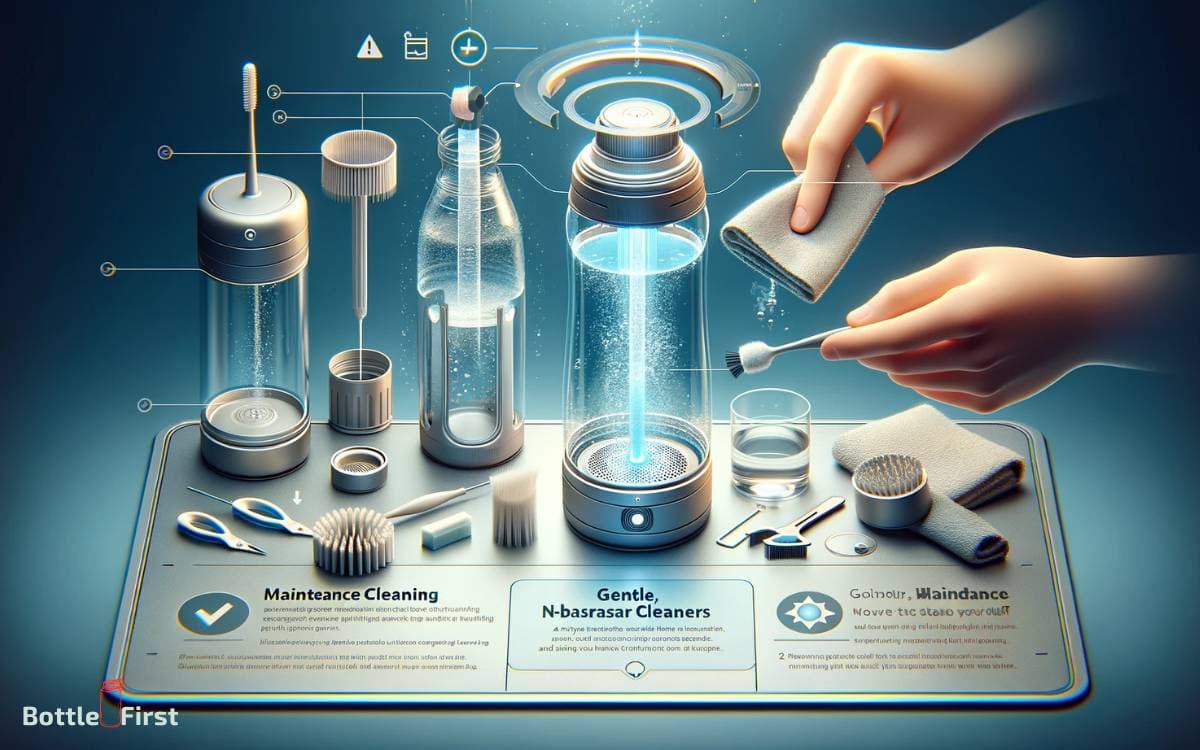
The best routine is one that is easy to repeat. Keep a soft cleaning cloth and the approved cleaning supplies near the bottle. Rinse the bottle soon after use instead of waiting until residue becomes hard to remove.
It also helps to read the manual once when the bottle is new. Note the recommended water type, cleaning method, cycle instructions, charger, and storage rules. Those details are more useful than a generic maintenance routine.
- ✦ Keep supplies nearby
A soft cloth and approved cleaning tools make regular care easier.
- ✦ Clean before buildup grows
Small amounts of residue are usually easier to remove than heavy deposits.
- ✦ Save the manual
Keep the manufacturer’s instructions available for water, cleaning, charging, and troubleshooting details.