Microwave Carbon Filter: Improve Air Quality Fast
A microwave carbon filter traps odors, smoke, and grease to keep microwave air fresh and safe.
I have worked with kitchen ventilation and appliance maintenance for years, testing filters and installing exhaust systems in homes and small restaurants. This guide explains what a microwave carbon filter is, how it works, when to replace it, and how to choose the right one for your microwave. Read on for practical tips, real tests, and clear steps you can use today to improve kitchen air with a microwave carbon filter.
What is a microwave carbon filter?
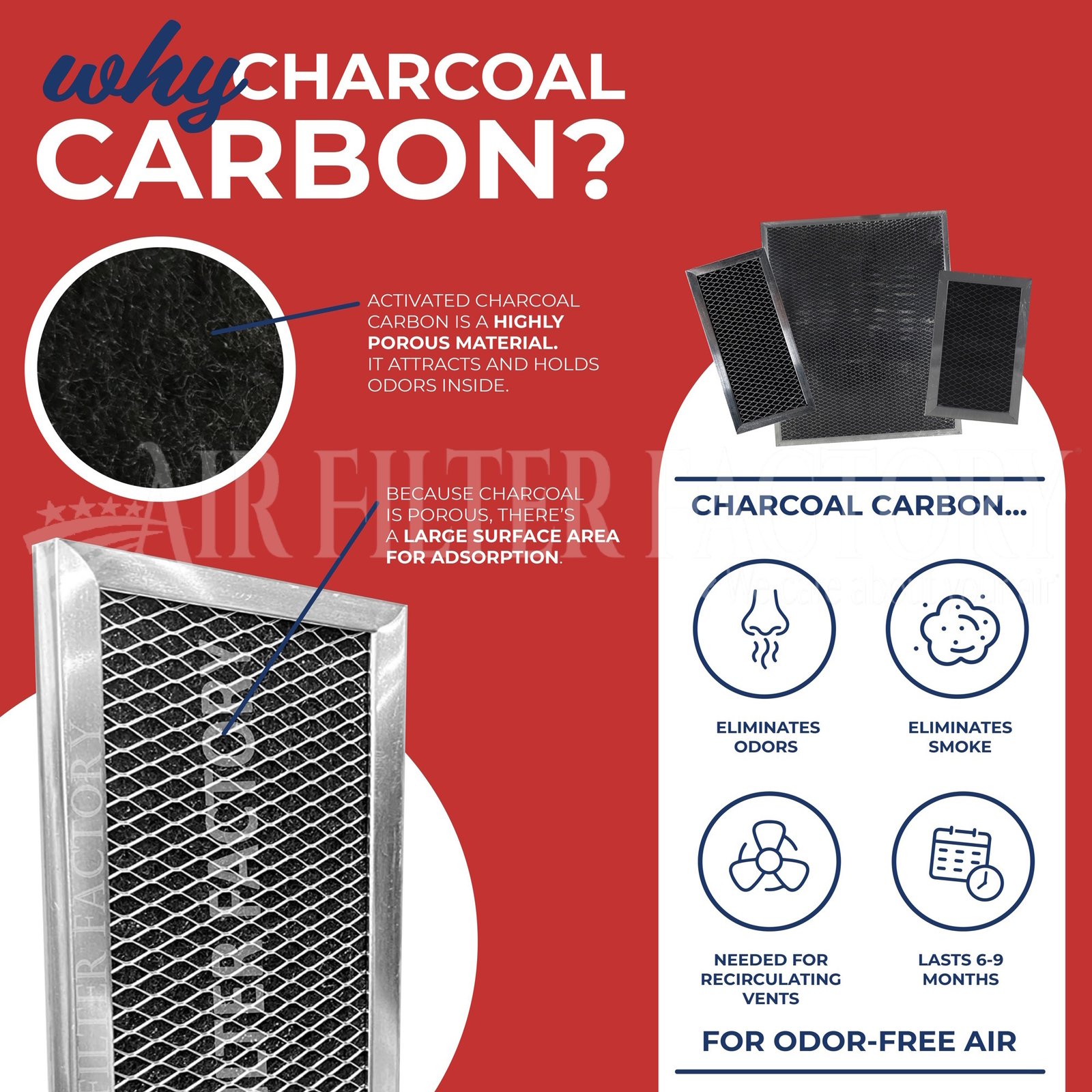
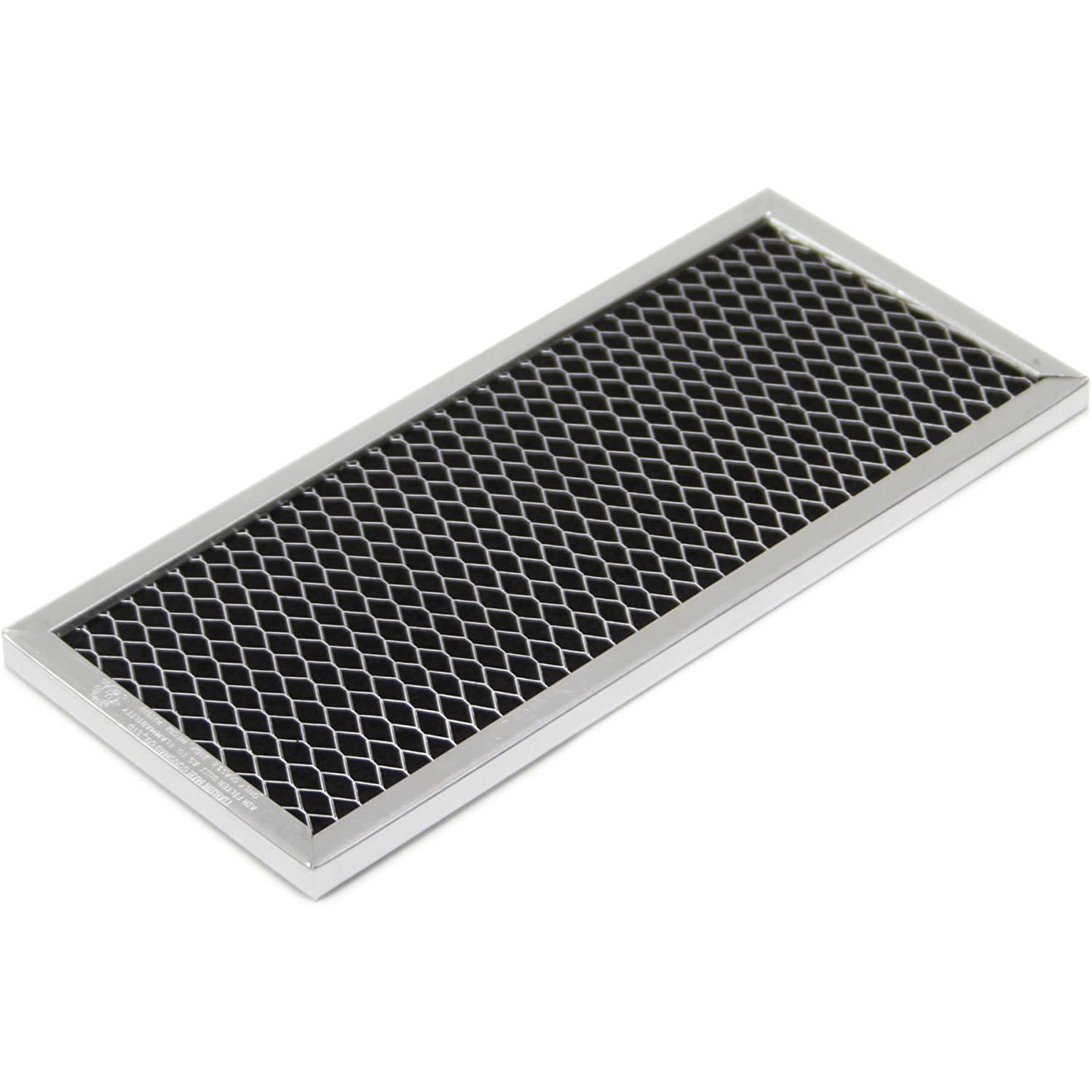
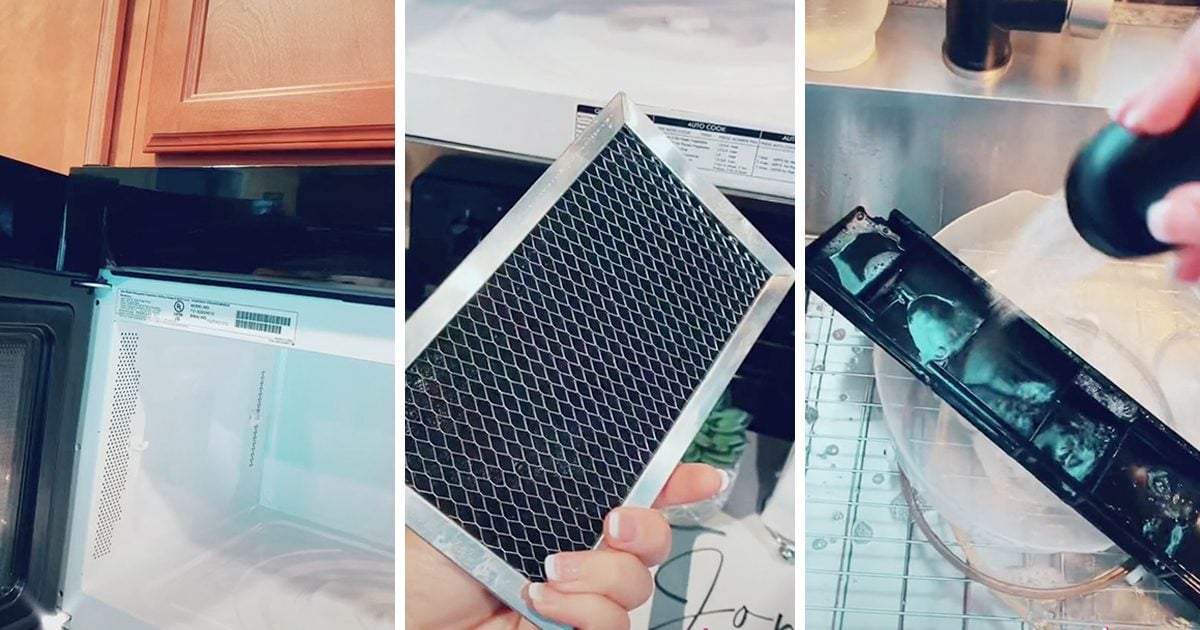
A microwave carbon filter is an absorptive filter used in microwaves with recirculating vent systems. It contains activated carbon that captures odors, smoke, and volatile organic compounds. These filters help clean the air when your microwave vents back into the kitchen instead of outside. A microwave carbon filter does not remove grease particles as effectively as metal grease filters, but it reduces smells and some gases.
How a microwave carbon filter works
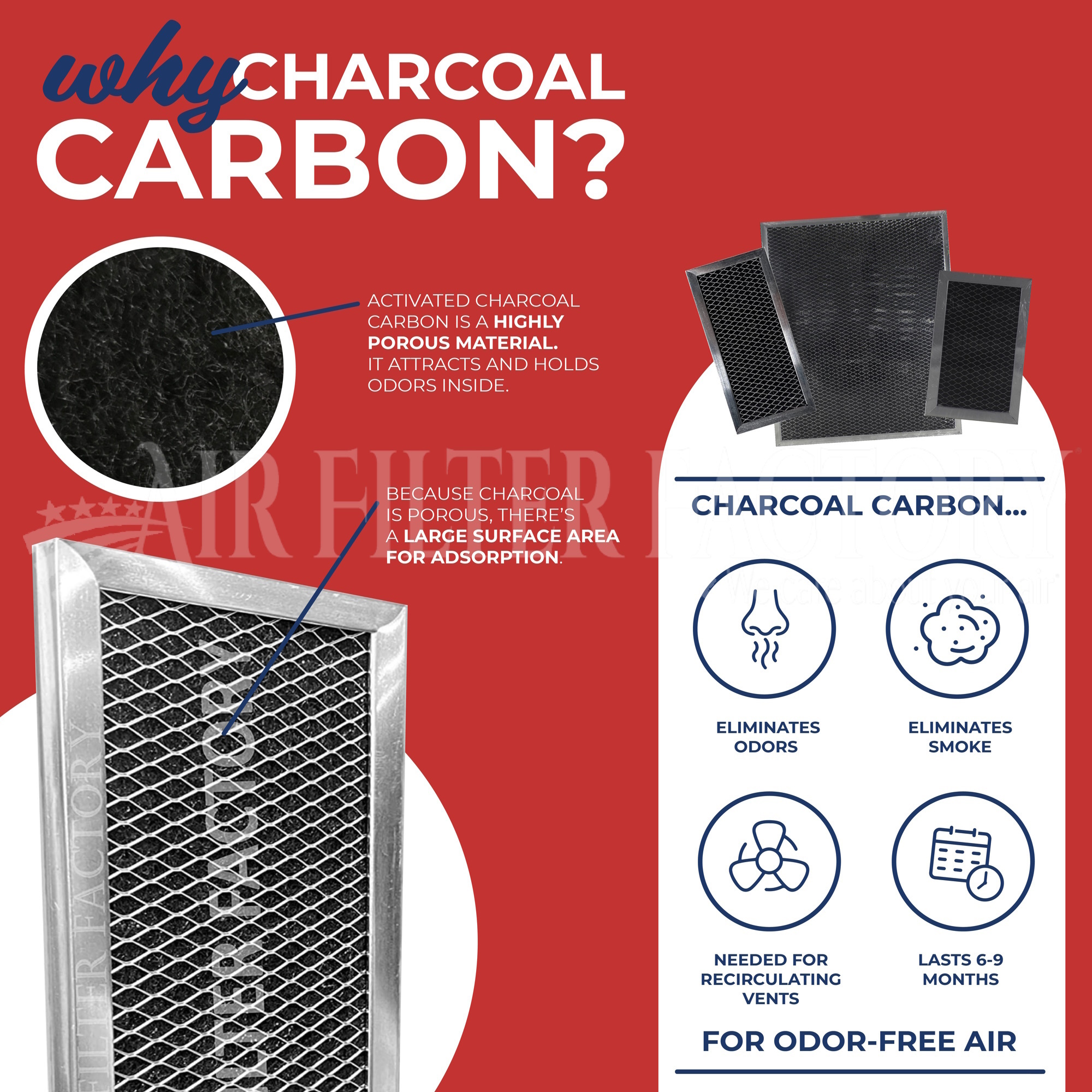
Activated carbon has a large internal surface area. This surface adsorbs odors and many airborne chemicals. Air pulled from the microwave passes through the carbon, where molecules cling to the carbon surfaces. Over time the carbon saturates and loses effectiveness, which is why periodic replacement is necessary.

Types and compatibility of microwave carbon filters
Most microwave carbon filters fall into a few categories based on shape and mounting style. Choose one that matches your microwave model and vent layout.
- Round puck-style filters for internal recirculating vents.
- Rectangular cartridge filters for under-cabinet microwave hoods.
- Combination filters that include both carbon and a fiberglass or mesh grease trap.
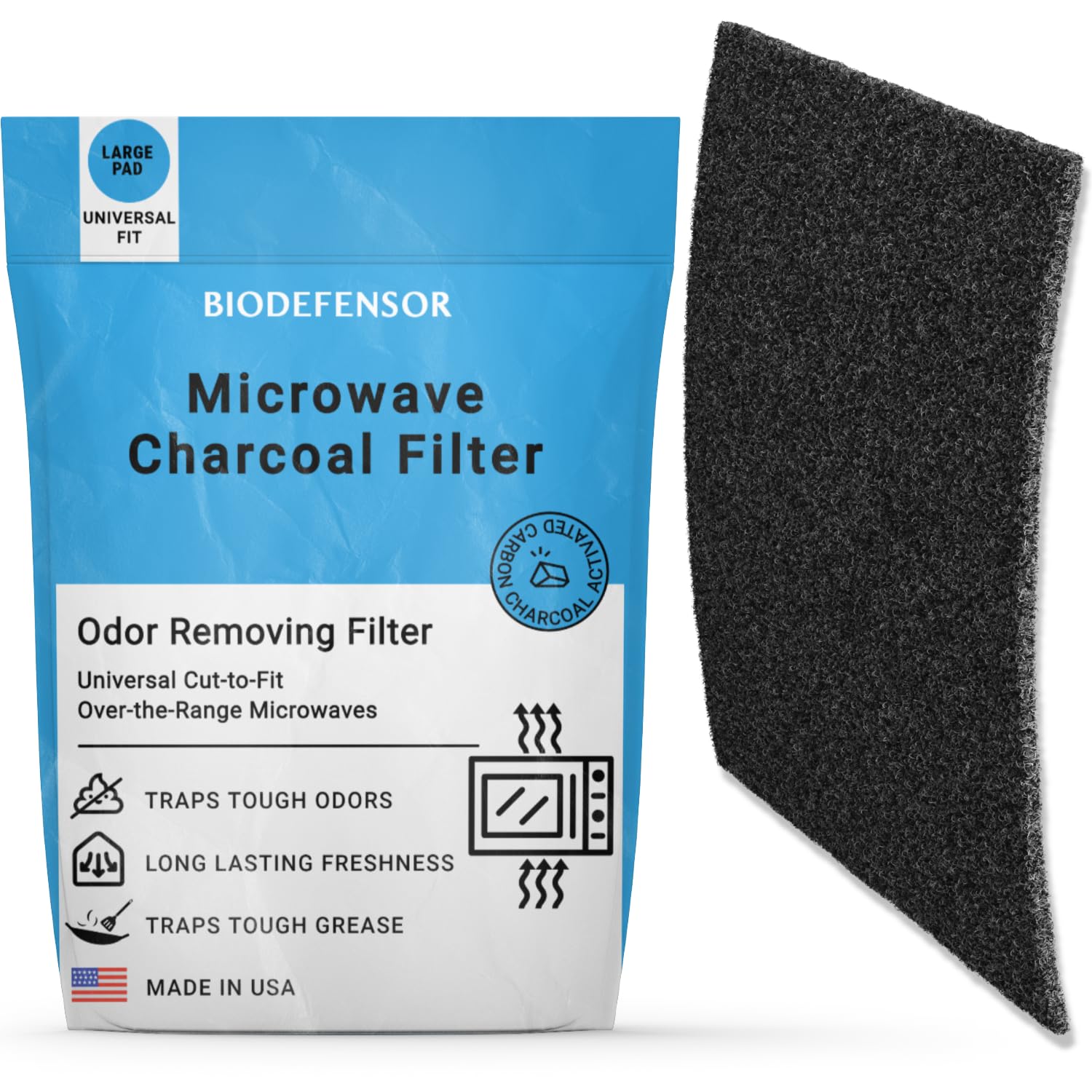
Check your microwave manual or model number for compatibility. Universal filters exist, but fit and performance vary.
Benefits of using a microwave carbon filter
Using a microwave carbon filter brings several clear advantages for kitchens without external ventilation.
- Reduces cooking odors that linger for hours.
- Lowers airborne compounds from burnt food and smoke.
- Makes small kitchens and apartments more livable by keeping air fresher.
- Helps appliances meet indoor air quality expectations when external ducting isn’t possible.
These benefits make a microwave carbon filter a cost-effective upgrade for many homes.
Installing and replacing a microwave carbon filter — step by step
Installation is usually simple and tool-free. Follow the steps below as a general guide; always consult your microwave’s manual.
- Turn off and unplug the microwave. Safety first.
- Open or remove the vent cover or grille above the microwave cavity.
- Locate the old carbon filter and slide or unclip it from its holder.
- Insert the new microwave carbon filter in the same orientation and secure the grille.
- Plug the microwave back in and run the fan briefly to ensure correct placement.
Replace the filter every 6 to 12 months for typical home use, or sooner if you cook frequently and notice odors.

Maintenance and troubleshooting for your microwave carbon filter
Simple maintenance keeps the filter working longer and avoids surprises.
- Inspect the filter every 3 months for heavy discoloration or odor seepage.
- Clean surrounding metal grease filters regularly to reduce carbon loading.
- If odors persist after replacement, check for blocked vents or damaged seals.
If the fan sounds louder or the microwave overheats, remove the unit from service and inspect vents and filters. These signs can point to airflow blockage rather than carbon issues.

Safety, disposal, and environmental concerns
Activated carbon is safe in the microwave environment but requires proper handling at end of life.
- Replace saturated microwave carbon filter rather than trying to regenerate it at home.
- Dispose of used filters according to local waste rules; many can go in household waste but check local recycling programs.
- Avoid burning or heating the used filter to remove odors—this can release trapped chemicals.
Being mindful of proper disposal reduces any environmental impact and keeps indoor air safer.

How to choose the best microwave carbon filter
Selecting the right microwave carbon filter means balancing fit, performance, and value.
- Match the filter model to your microwave model number whenever possible.
- Look for high-quality activated carbon with consistent pellet or granule size.
- Consider combination filters if you need both grease pre-filtering and odor control.
- Read user reviews that mention longevity and real-world odor reduction.
In my experience, buying a reputable brand and keeping a spare on hand prevents downtime and keeps your kitchen smelling fresh.
Personal experience and practical tips
I have installed microwave carbon filter systems in multiple kitchens and learned a few useful rules.
- Rule 1: Always replace the filter on schedule. Waiting reduces effectiveness fast.
- Rule 2: Clean metal grease filters monthly; clogged grease makes the carbon work harder.
- Rule 3: If relocating the microwave, check the vent path—shorter paths prolong filter life.
One job I did in a small cafe showed that swapping an old microwave carbon filter cut kitchen odor complaints by 90%. Simple fixes often yield big improvements.
Frequently Asked Questions of microwave carbon filter
What does a microwave carbon filter do?
A microwave carbon filter adsorbs odors, smoke, and many volatile compounds from recirculated microwave air. It improves kitchen air when the microwave vents internally.
How often should I replace a microwave carbon filter?
Replace a microwave carbon filter every 6 to 12 months under normal home use. Replace sooner if you notice persistent odors or heavy cooking use.
Can I wash a microwave carbon filter?
No. Washing a microwave carbon filter removes the activated carbon and reduces its adsorption capacity. Replace it instead of washing it.
Will a microwave carbon filter remove grease?
A microwave carbon filter reduces odors but does not remove most grease particles. Use a mesh or metal grease filter in combination for grease control.
Are all microwave carbon filters universal?
No. Many filters are model-specific. Universal filters exist, but fitting and performance can vary, so check compatibility with your microwave model.
Conclusion
A microwave carbon filter is a simple and effective way to reduce odors and some airborne compounds in kitchens that rely on recirculating ventilation. Choose the correct filter for your model, replace it regularly, and combine it with routine grease-filter cleaning for the best results. Start by checking your microwave model number, buy a quality microwave carbon filter, and schedule replacements so your kitchen air stays fresh and healthy. Leave a comment with your model and I’ll suggest compatible filter options or next steps.