Nut Butter & Nut Flour: Uses, Benefits, Differences, and How to Make Them
Nut Butter & Nut Flour come from the same basic ingredient, but they behave in very different ways. Nut butter is soft, rich, and spreadable. Nut flour is dry, light, and useful in cakes, cookies, breads, sauces, and many gluten-free recipes.
The key is knowing when to stop grinding. Nuts first break into small pieces, then a coarse meal, then a fine flour. If you keep processing them, the natural oils come out and the flour can turn into a thick nut paste. That simple change can make or break a recipe.
For home cooks in the United States, both products can save time and add flavor. You can buy them ready-made, but a food processor also lets you make small batches at home. Fresh grinding gives you control over texture, ingredients, and added salt or sweeteners.

What Are Nut Butter & Nut Flour?
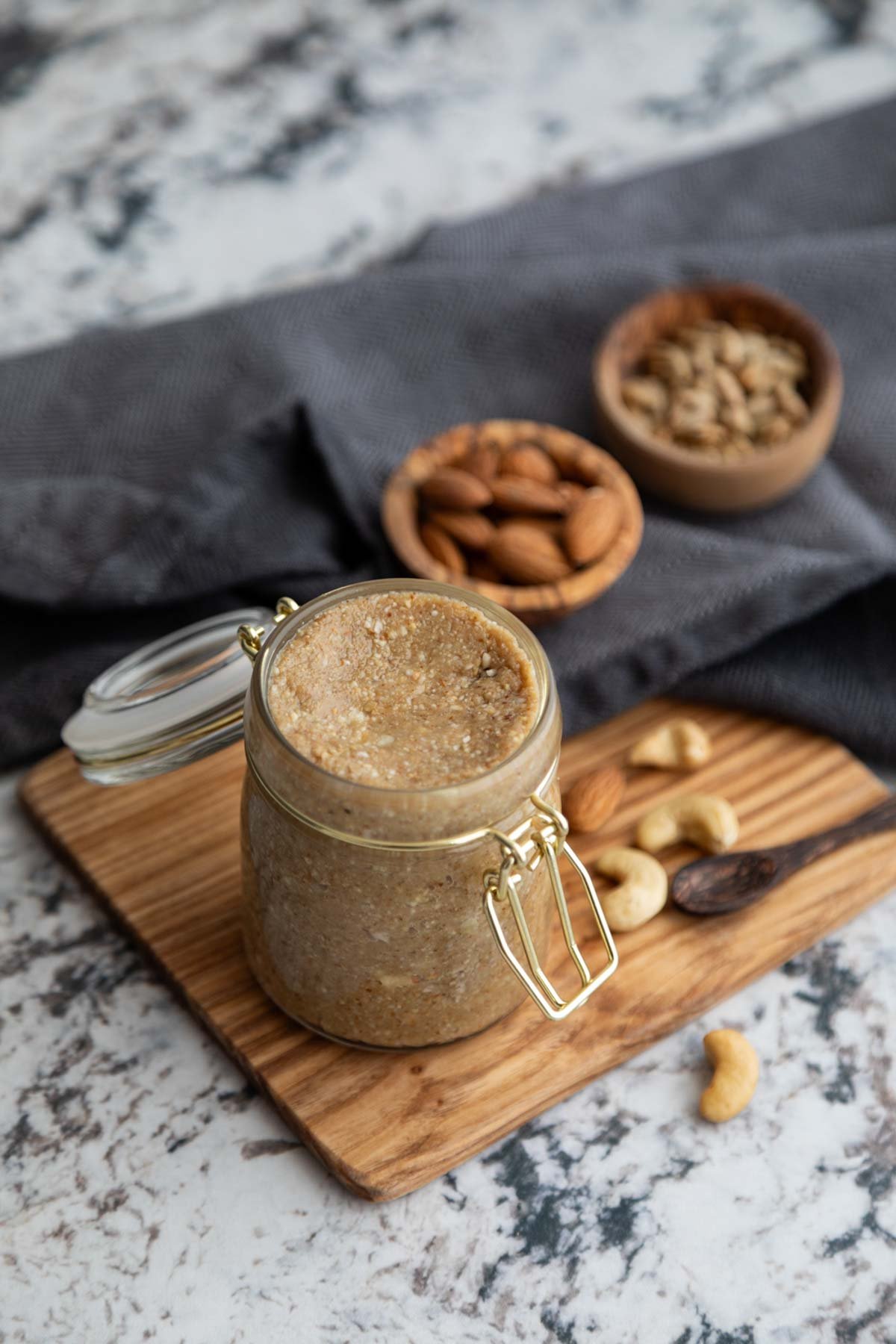
Nut butter is a spread made by grinding nuts until their natural oils create a smooth or slightly coarse paste. Common types include peanut butter, almond butter, cashew butter, hazelnut butter, and walnut butter. Some products contain only nuts, while others include salt, sugar, oil, or other ingredients.
Nut flour is made by grinding nuts into a fine meal or powder. Almond flour is the most common example in American kitchens. Other choices include hazelnut, cashew, walnut, pecan, and pistachio flour. The final texture can range from fine powder to a slightly coarse meal.
The two products share a simple base, but their uses are not the same. Nut flour adds dry bulk, flavor, and texture to food. Nut butter adds fat, moisture, richness, and a creamy texture.
- ✦ Nut butter
A thick spread made by grinding nuts until their natural oils form a paste.
- ✦ Nut flour
Finely ground nuts used as a baking ingredient, coating, thickener, or recipe component.
- ✦ Nut meal
A more coarse ground nut product that can add extra texture to baked foods.
Why the Same Nuts Can Make Both Products
Whole nuts contain fat inside their cells. A food processor breaks those cells as the nuts are ground. At first, you get crumbs. With more grinding, the pieces become a fine meal. More processing releases enough oil to bind the particles into a paste.
This is why Nut Butter & Nut Flour are closely linked. The difference is not only the ingredient. It is also the grinding time, heat, texture, and amount of oil released during processing.
Nut Butter vs. Nut Flour: What Is the Difference?
The biggest difference between nut butter and nut flour is texture. Nut butter is moist and spreadable because grinding releases a large amount of the nuts’ natural oil. Nut flour stays dry because it is processed only until the nuts reach a fine meal or powder.
They also play different roles in recipes. Nut flour often replaces part of traditional flour or adds nut flavor to baked goods. Nut butter works more like a spread, fat source, filling, sauce base, or creamy ingredient.
Neither product is automatically better than the other. The right choice depends on what you want the food to do. A cookie may need almond flour for structure, while almond butter may make the same cookie softer and richer.
- ✦ Texture
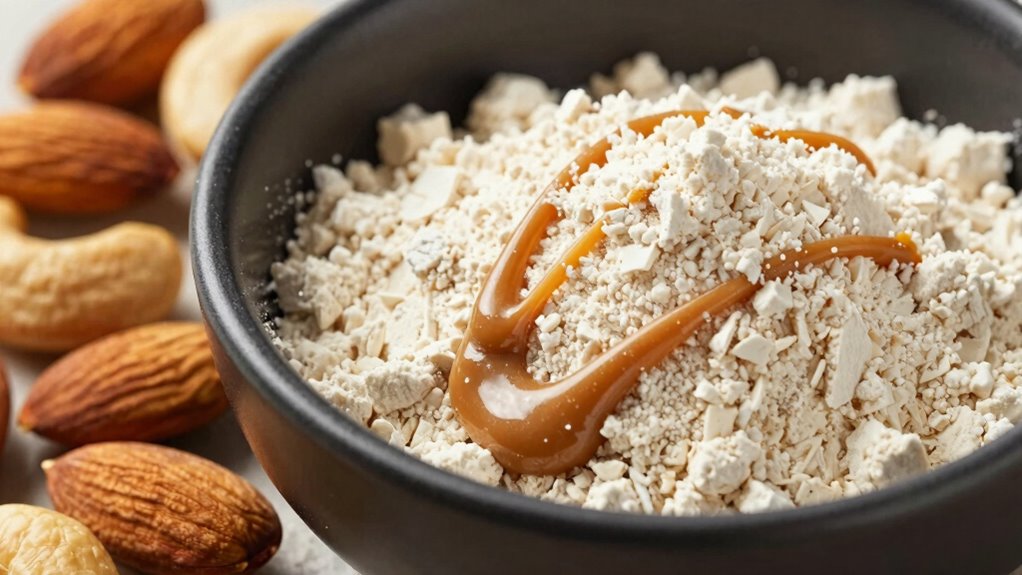
Nut flour is dry and powdery or meal-like. Nut butter is thick, creamy, and spreadable.
- ✦ Main use
Nut flour is common in baking and cooking. Nut butter is common in spreads, sauces, snacks, fillings, and desserts.
- ✦ Moisture
Nut flour contributes dry ingredients and absorbs liquid. Nut butter contributes fat and can also add moisture.
- ✦ Processing
Nut flour needs short processing. Nut butter needs longer processing to release the natural oils.
Can Nut Flour Become Nut Butter?
Yes. This can happen very easily in a food processor. If you process nuts or nut flour for too long, the released oil begins to bind the fine particles together. The mixture can change from powder to paste in a short time.
This is useful when you want homemade nut butter, but it can be a problem when you need dry flour. For nut flour, use short pulses and check the texture often. Stop before the mixture starts to look shiny or wet.
Popular Types of Nut Butter
Different nuts produce different flavors, colors, and textures. Almond butter has a mild nutty taste and works well in toast, smoothies, oatmeal, sauces, and baked goods. Cashew butter tends to be smooth and mild, which makes it useful in creamy recipes.
Peanut butter remains one of the most familiar nut and legume spreads in the United States. It works in sandwiches, cookies, sauces, snacks, and desserts. Because peanuts are legumes rather than tree nuts, people with tree-nut concerns should not assume peanut butter has the same allergen profile.
Hazelnut butter has a rich flavor that pairs well with chocolate and baked foods. Walnut and pecan butter have deeper flavors and can work well in oatmeal, fruit spreads, dressings, and desserts.

- ✦ Almond butter
Mild, nutty, and versatile. It works well in toast, oatmeal, smoothies, sauces, and baking.
- ✦ Cashew butter
Smooth and mild with a creamy feel. It works well in sauces, desserts, and dairy-free recipes.
- ✦ Peanut butter
Bold and familiar, with many uses in sandwiches, snacks, cookies, sauces, and desserts.
- ✦ Hazelnut butter
Rich and aromatic, with a natural match for chocolate, fruit, and sweet baked foods.
- ✦ Pecan or walnut butter
Full-flavored choices that work well in oatmeal, spreads, desserts, and savory sauces.
Popular Types of Nut Flour
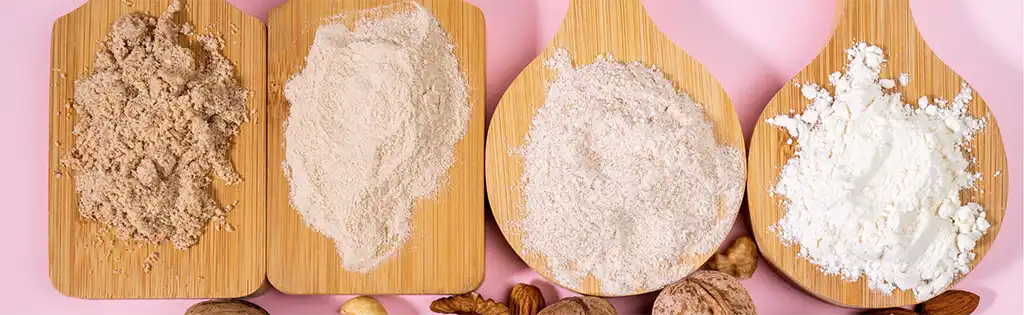
Almond flour is the most widely used nut flour in many American kitchens. It has a mild taste and a soft texture. It is common in cookies, cakes, muffins, pancakes, breads, and other gluten-free recipes.
Hazelnut flour brings a stronger flavor and works especially well with chocolate and coffee. Pecan and walnut flours can add a rich taste to cakes, quick breads, pie crusts, and crumb toppings.
Cashew flour has a mild flavor and can work in both sweet and savory recipes. Pistachio flour is also useful when you want a distinct green color and a strong pistachio taste.
- ✦ Almond flour
A mild, versatile flour used in many gluten-free baked goods and low-grain recipes.
- ✦ Hazelnut flour
A fragrant flour that pairs especially well with chocolate, coffee, fruit, and desserts.
- ✦ Cashew flour
A mild flour that can add body and nut flavor without dominating a recipe.
- ✦ Pecan flour
A rich flour suited to cookies, cakes, pie crusts, toppings, and sweet breakfast foods.
- ✦ Walnut flour
A flavorful flour that works well in cakes, breads, cookies, and savory dishes.
Almond Flour and Almond Meal Are Not Always the Same
The terms almond flour and almond meal can vary by brand. Almond flour often means a finely ground product, while almond meal may have a coarser texture. Some almond flour is made from blanched almonds with the skins removed, while almond meal may include the skins.
This difference matters in baking. Fine flour usually creates a smoother crumb. Coarser meal can give cookies, crusts, and toppings more texture.
How to Make Nut Flour in a Food Processor
Making Nut Butter & Nut Flour at home can be simple if you control the processing time. Start with clean, dry nuts. A food processor with a sharp blade works well for small home batches.
Add the nuts to the bowl and use short pulses. Stop often and scrape the sides if needed. The goal is to break the nuts into a fine meal without giving the natural oils enough time to form a paste.
Overprocessing creates heat and releases more oil. That can make the flour clump and eventually turn into nut butter. If the flour starts to look glossy or sticks together, stop the machine and let it cool before deciding whether the texture is right.

- ✦ Use dry nuts
Moisture can affect texture and storage. Dry nuts are easier to grind into a loose flour.
- ✦ Use short pulses
Pulsing gives you better control and reduces the chance of quickly turning the nuts into a paste.
- ✦ Check often
Open the bowl and check the texture after several pulses. Stop when the flour is fine enough for your recipe.
- ✦ Avoid excess heat
Long processing can warm the nuts and encourage oil release. Work in short bursts when making fine flour.
- ✦ Sift when needed
A quick sift can remove larger pieces and give you a more even flour for delicate baking.
How to Prevent Nut Flour From Turning Into Butter
The simplest method is to stop early. Use short pulses and watch the flour closely. If the particles begin to stick to each other or the bowl looks oily, you have gone beyond the dry-flour stage.
Cold ingredients can also help slow oil release. Some cooks chill the nuts before processing, but the main control is still processing time. A large food processor can work quickly, so do not walk away while it runs.
How to Make Nut Butter in a Food Processor
Homemade nut butter takes longer than nut flour because you want the nuts to release their natural oils. Start with roasted or raw nuts, depending on the flavor and texture you want. Roasted nuts often produce a deeper flavor and can process smoothly.
Place the nuts in the food processor and run the machine in stages. The nuts will usually move from whole pieces to crumbs, then to a thick meal, then to a dry-looking paste, and finally to a smoother butter as the oils come out.
Pause when needed to scrape down the sides. If the machine or nuts become very hot, stop and let everything cool. Once smooth, you can add a small amount of salt or another ingredient if the recipe calls for it.

- ✦ Start with enough nuts
A reasonable batch gives the blade enough material to process evenly. Very small amounts may not move well in a large bowl.
- ✦ Be patient
Nut butter does not always become smooth right away. The mixture needs time for natural oils to release.
- ✦ Scrape the bowl
Stop the machine before scraping. Moving the mixture toward the blade can improve even processing.
- ✦ Taste before adding extras
Plain nut butter may already have enough flavor. Add salt, spices, or sweeteners only when you want them.
Why Homemade Nut Butter Can Look Dry at First
Freshly ground nuts often pass through a dry, crumbly stage before becoming creamy. This is normal. The nuts need more grinding before enough oil moves through the mixture.
Do not add a large amount of oil simply because the mixture looks dry. Extra oil can change the flavor and texture. Give the nuts more processing time first, while watching the machine and heat.
How to Use Nut Flour in Baking
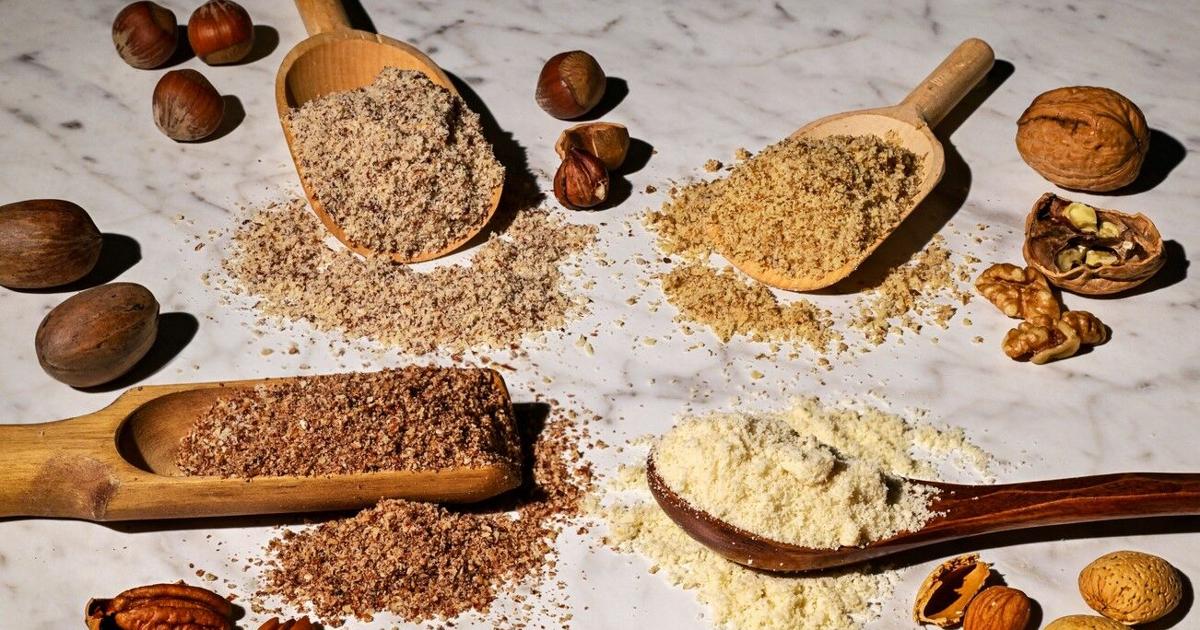
Nut flour can make baked food moist, tender, and rich. It can also add a clear nut flavor without requiring a separate nut topping. But nut flour does not behave exactly like wheat flour.
Nuts contain much more fat than many grain flours. They also lack gluten, the protein network that helps many wheat-based baked goods hold their shape. Because of this, replacing all wheat flour with nut flour can change the rise, crumb, moisture, and structure of a recipe.
For the best results, follow a recipe written for the specific nut flour or use a tested substitution ratio. Gluten-free baking often needs a blend of ingredients rather than a simple one-to-one swap.
- ✦ Cookies
Nut flour can create tender cookies with a rich taste and soft texture.
- ✦ Cakes
It can add moisture and a mild nut flavor, especially when paired with chocolate, fruit, or warm spices.
- ✦ Pancakes
Nut flour can add flavor and richness to breakfast batter when used in a balanced recipe.
- ✦ Pie crusts
Ground nuts can add a crisp, rich base or work as part of a flour blend.
- ✦ Breading
Fine nut meal can coat foods before baking or cooking and adds a toasted nut flavor.
Is Nut Flour Gluten-Free?
Pure nut flour does not contain gluten because nuts are naturally gluten-free. However, packaged products can face cross-contact during processing, storage, or packing.
People who must avoid gluten for medical reasons should check the package label and choose products that meet their required gluten-free standard. A recipe can also contain other ingredients that are not gluten-free.
Can You Replace All-Purpose Flour With Nut Flour?
Not in every recipe. All-purpose flour and nut flour have very different structures, fat levels, and water needs. A direct one-to-one swap may lead to a cake that is too dense, a cookie that spreads too much, or bread that does not rise as expected.
Use a recipe designed around nut flour when possible. For adapted recipes, change one variable at a time so you can see how the flour affects the final result.
How to Use Nut Butter in Everyday Meals
Nut butter is easy to add to everyday meals. Spread it on toast, stir it into oatmeal, blend it into smoothies, or use it as a dip for fruit. It can also make sauces and dressings creamy without needing dairy.
In savory cooking, nut butter can form the base of sauces for noodles, vegetables, chicken, or tofu. Peanut butter and almond butter both work well with ingredients such as soy sauce, lime juice, garlic, ginger, and chili.
In desserts, nut butter adds richness and helps bind ingredients. It works in energy bites, cookies, bars, no-bake snacks, frostings, and fillings.
- ✦ Breakfast
Stir nut butter into oatmeal, spread it on toast, or add it to a smoothie.
- ✦ Snacks
Pair nut butter with apples, bananas, crackers, or whole-grain toast.
- ✦ Sauces
Whisk it with water or another liquid, acid, herbs, and spices to create a creamy sauce.
- ✦ Baking
Use it in cookies, bars, brownies, muffins, fillings, and no-bake recipes.
- ✦ Dips
Thin nut butter with water or another suitable liquid and add seasonings for a quick dip.
Nut Butter in Smoothies
A spoonful of nut butter can make a smoothie thicker and richer. It also pairs well with banana, berries, oats, cocoa, cinnamon, and unsweetened milk or milk alternatives.
Because nut butter is dense, start with a small amount and adjust the texture. If the smoothie becomes too thick, add more liquid a little at a time.
Nutrition and Dietary Considerations
Nuts naturally provide fat, protein, fiber, vitamins, minerals, and other plant compounds. The exact nutrition depends on the nut and how the product is made. Nut butter and nut flour can therefore fit into many eating patterns when used in suitable portions.
Nut flour is not simply a low-calorie version of grain flour. Ground nuts are energy-dense because they contain natural fat. Nut butter is also concentrated, so a small serving can add substantial energy to a meal.
For packaged products, read the ingredient list and Nutrition Facts label. Some nut butters contain added sugar, salt, or oils. Some nut flours may include added ingredients or blends, so the label matters if you need a specific product.
- ✦ Protein
Many nuts provide plant protein, although the amount varies by nut and serving size.
- ✦ Fiber
Whole-ground nut products can contribute dietary fiber, with the amount depending on the nut and processing.
- ✦ Unsaturated fats
Many nuts contain substantial amounts of unsaturated fat, though their fat profiles differ.
- ✦ Added ingredients
Check labels for added sugar, salt, oils, flavorings, and other ingredients when choosing packaged products.
- ✦ Allergens
Peanuts and tree nuts are major food allergens. Anyone with a known allergy should avoid the relevant ingredient and check labels for cross-contact information.
Nut Allergies and Cross-Contact
Peanuts and tree nuts can cause serious allergic reactions in some people. A food made with one nut may also be processed on equipment that handles other nuts or allergens.
If you have a food allergy, use the ingredient label and the manufacturer’s allergen statement as part of your safety check. When eating outside the home, ask about ingredients and preparation when needed.
How to Choose Nut Butter and Nut Flour at the Store
The best product depends on your recipe and dietary needs. For nut butter, look at the ingredient list first. A simple product may contain only the nut, while other products may contain salt, sweeteners, or added oils.
For nut flour, check whether you need blanched flour, whole-nut meal, or a specific nut. Texture matters as much as the ingredient. A fine almond flour may work well for a smooth cake, while a coarse nut meal may be better for a crumb topping.
Package size also matters. Nut products contain natural oils and may lose quality if they sit for too long. Buy an amount you can use within a reasonable period and follow the storage directions on the package.
- ✦ Read the ingredient list
Choose a simple ingredient list when you want plain nut butter or pure nut flour.
- ✦ Check the texture
Fine flour and coarse meal behave differently, especially in baking.
- ✦ Check allergen information
Review the label if you have peanut, tree-nut, or other food allergies.
- ✦ Check freshness
Look for intact packaging, a reasonable best-by date, and proper storage instructions.
- ✦ Match the product to the recipe
Use the type of nut and texture called for in the recipe when possible.
How to Store Nut Butter & Nut Flour
Nuts contain natural oils that can slowly oxidize. Heat, air, light, and time can speed this process. Proper storage helps keep Nut Butter & Nut Flour fresh and protects their flavor.
Commercial nut butter should follow the storage instructions on its label. Some products are designed to stay at room temperature, while others need refrigeration after opening. Natural nut butter may separate, so stirring before use can be normal.
Nut flour can also benefit from cool storage. For longer storage, an airtight container in the refrigerator or freezer can help preserve quality. Let chilled flour come to a suitable temperature before using it if the recipe depends on a specific texture.

- ✦ Use an airtight container
Limit exposure to air by keeping homemade nut products in a clean, tightly sealed container.
- ✦ Keep it cool
Cool storage can help slow changes caused by heat and oxidation.
- ✦ Avoid moisture
Keep nut flour dry to reduce clumping and protect its quality.
- ✦ Check for rancid odors
A sharp, stale, paint-like, or otherwise unpleasant smell can signal that a nut product has lost quality.
Does Homemade Nut Butter Need Refrigeration?
Storage needs depend on the nuts, preparation, container, and recipe. Homemade nut butter lacks the controlled processing and packaging used by commercial products, so refrigeration is often a practical choice for longer freshness.
Always use clean utensils and avoid introducing water or other perishable ingredients unless the recipe is designed for them. If you add fresh ingredients, storage needs can change.
Common Problems When Making Nut Butter & Nut Flour
Most problems come from processing too long, processing too little, using the wrong amount of nuts, or allowing too much heat to build up. The good news is that most problems are easy to understand once you know how nuts change during grinding.
The same food processor can make both products, but you need a different stopping point. Watch the texture instead of relying only on a timer because nuts vary in size, moisture, temperature, and oil content.
- ✦ Flour turns into paste
The nuts were processed too long. Stop earlier and use short pulses for a dry flour.
- ✦ Nut butter stays crumbly
The nuts may need more processing time. Scrape the bowl and continue in short runs while watching the heat.
- ✦ Nut butter is too thick
The nuts may need more processing, or the chosen nut may naturally produce a thicker butter. Process longer before adding other ingredients.
- ✦ Mixture gets very hot
Long processing creates friction and heat. Stop the machine and let the mixture cool before continuing.
- ✦ Uneven flour
The bowl may be too full or the nuts may be processed unevenly. Work in smaller batches when needed.
- ✦ Bitter or stale flavor
The nuts or finished product may have lost freshness. Check the smell, taste, package date, and storage conditions.
Why Nut Butter Separates
Natural nut butter can separate because the solid nut particles and oil do not always stay evenly mixed. A layer of oil on top does not automatically mean the product has gone bad.
Stir the butter well with a clean utensil before use. If the product has an unusual smell, flavor, or appearance beyond normal oil separation, follow the product’s safety guidance and consider discarding it.
Nut Butter & Nut Flour in Gluten-Free Cooking
Nut flour is a useful ingredient in gluten-free cooking because pure nuts contain no gluten. It can add flavor, fat, and structure to foods that use a mix of gluten-free ingredients. Still, gluten-free baking often needs more than one flour or starch to create the desired texture.
Nut butter can also appear in gluten-free recipes, especially cookies, snack bars, sauces, and no-bake foods. But a recipe is only gluten-free when all ingredients and preparation practices meet the needed standard.
For people managing celiac disease or a medically required gluten-free diet, packaged ingredients should be checked carefully for labeling and cross-contact. A naturally gluten-free ingredient can still be exposed to gluten during manufacturing.
- ✦ Use tested recipes
Gluten-free recipes are often balanced around specific flour, starch, liquid, and binder ratios.
- ✦ Check every ingredient
Nut flour alone does not make a recipe gluten-free if another ingredient contains gluten.
- ✦ Watch texture
Nut flour can make baked foods tender and rich, but too much can make them dense or fragile.
Tips for Better Results With Nut Butter & Nut Flour
The best results come from treating nut products as ingredients with their own behavior. Do not assume that every nut grinds at the same speed or produces the same amount of oil. Almonds, cashews, pecans, walnuts, and hazelnuts all respond differently.
When testing a new recipe, change one thing at a time. This makes it easier to see whether the nut type, grind size, processing time, or moisture level caused the change.

- ✦ Choose fresh nuts
Fresh nuts give better flavor and reduce the chance of starting with a stale or rancid ingredient.
- ✦ Control batch size
Use enough nuts for the processor to work well, but do not overfill the bowl.
- ✦ Watch the grind
For flour, stop before the mixture becomes shiny or sticky. For butter, continue until the texture matches your goal.
- ✦ Manage heat
Pause the processor if the nuts become hot. This helps protect flavor and gives the machine a break.
- ✦ Use the right flour texture
Fine flour suits smooth baked goods, while coarse meal can add a more noticeable nut texture.
- ✦ Store small batches
Small batches are useful when you do not use nut flour or nut butter often because freshness is easier to manage.
A Simple Food Processor Workflow
For nut flour, pulse until the nuts look evenly fine, then stop. For nut butter, process beyond the flour stage until the natural oils create the creamy texture you want.
Always stop the processor before opening the lid, scraping the bowl, or checking the blade area. This basic habit makes homemade Nut Butter & Nut Flour preparation safer and easier.