Microwave Troubleshooting & Safety: Common Problems, Safe Fixes, and Warning Signs
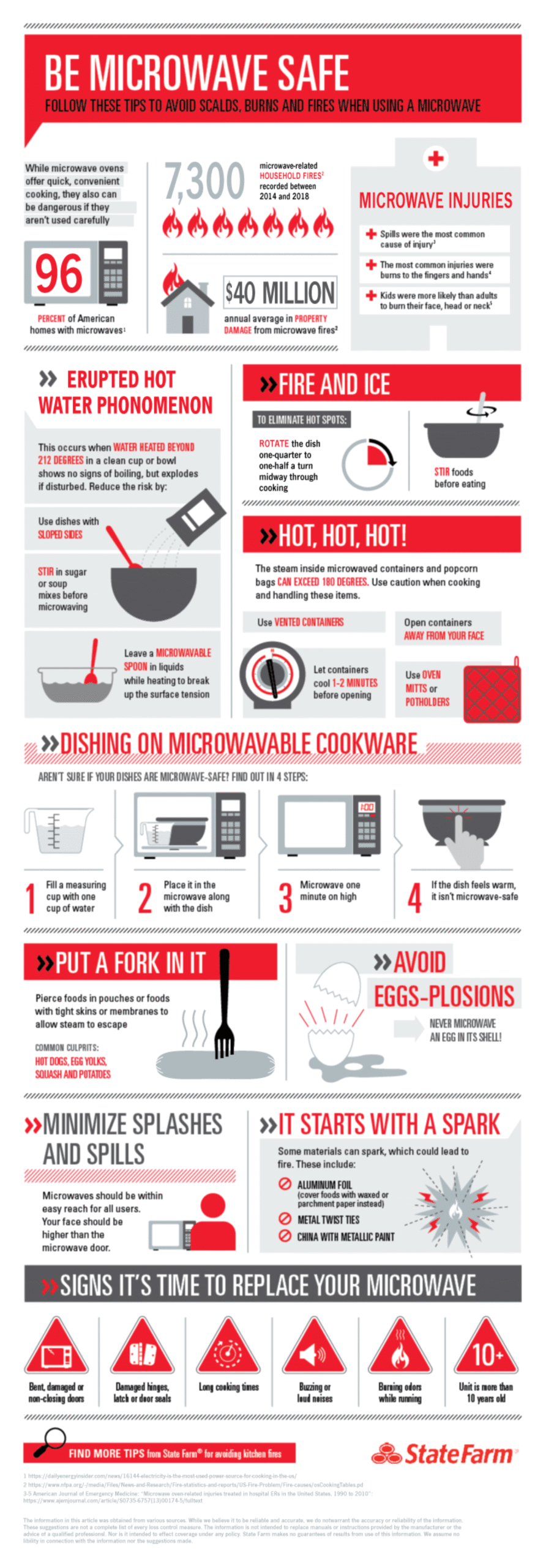
Microwaves are among the most useful appliances in a U.S. kitchen. They heat leftovers, cook frozen meals, soften butter, and warm drinks in minutes. When a microwave stops working, the cause is often simple, but some faults can create real safety risks.
Good **Microwave Troubleshooting & Safety** starts with knowing what you can safely check yourself and what needs a trained repair professional. The FDA says modern microwave ovens that meet its safety standard and are used as directed are generally safe. It also warns users not to operate an oven with a damaged or poorly closing door. :contentReference[oaicite:0]{index=0}
A key lesson in **Microwave Troubleshooting & Safety** is to separate a minor operating problem from an electrical or radiation safety problem. You can check a plug, breaker, control setting, turntable, vents, and food container. You should not remove the outer cabinet or work on high-voltage parts yourself. The U.S. Consumer Product Safety Commission warns that microwave repair can cause severe electric shock, even after the oven has been unplugged. :contentReference[oaicite:1]{index=1}
How to Start Microwave Troubleshooting Safely
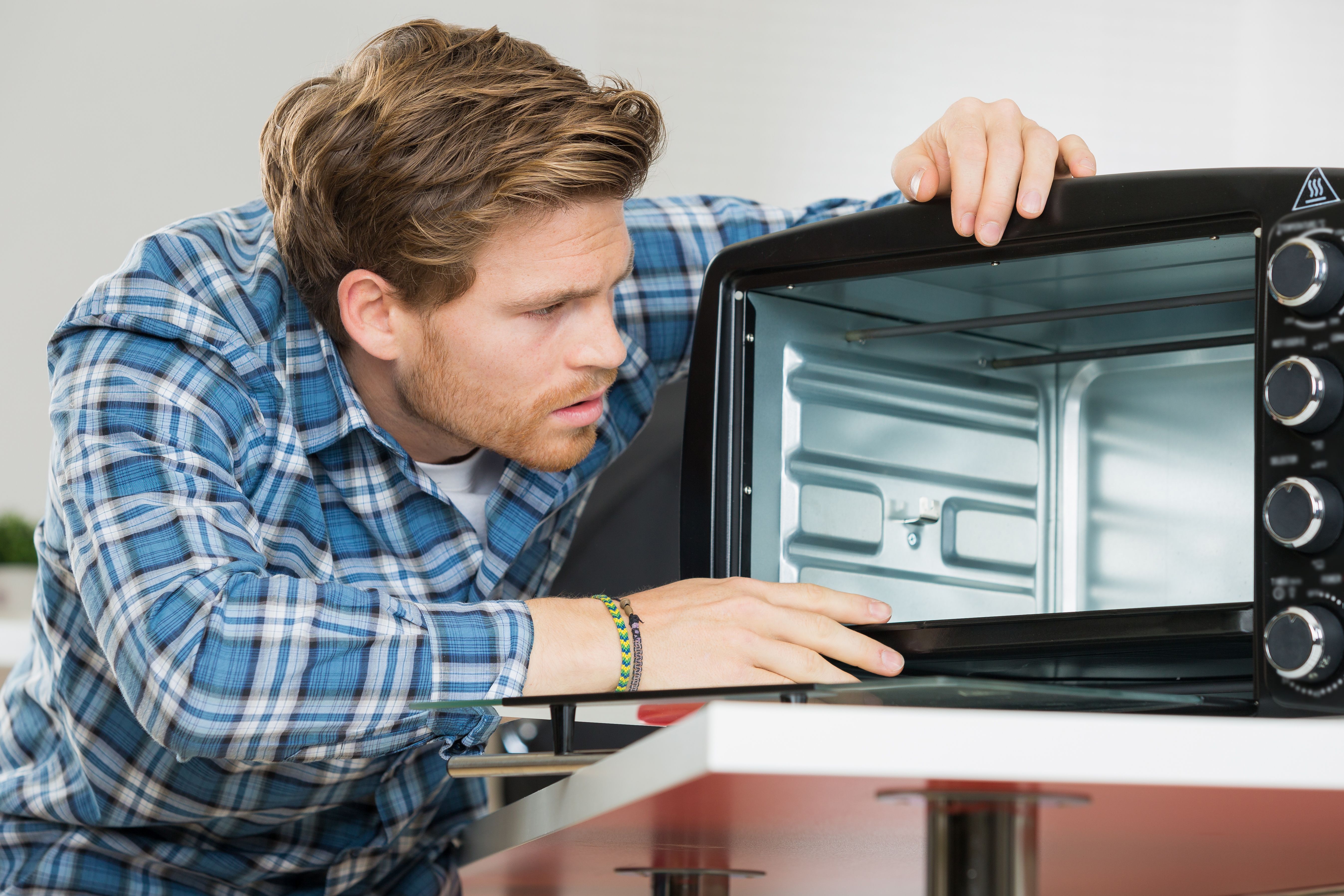
Before testing anything, stop and look at the oven. Check the door, frame, plug, cord, control panel, cavity, and vents. If you see a cracked door, loose latch, burnt wire, melted plastic, or major rust near the door area, do not keep using the oven.
Next, think about what changed. Did the microwave stop after a power cut? Does it turn on but fail to heat? Does it make a new buzzing sound? Does it trip the breaker? These clues can narrow down the problem without opening the appliance.
For safe **Microwave Troubleshooting & Safety**, always start with checks that do not expose you to internal electrical parts. The owner’s manual should be your main guide because models use different controls, power levels, sensors, and safety systems.
- ✦ Check the power source
Make sure the plug is fully inserted and the outlet has power. If the outlet is controlled by a switch or protected by a resettable device, check that as well.
- ✦ Check the breaker
A tripped circuit breaker can make a working microwave look dead. Reset it only if the circuit is otherwise safe and there are no signs of electrical damage.
- ✦ Check the door
Make sure the door closes fully and the latch engages normally. Do not bypass or tape down a door safety switch.
- ✦ Read the manual
Look for model-specific instructions for child lock, demo mode, sensor cooking, power levels, and reset procedures.
A Simple Safety-First Test
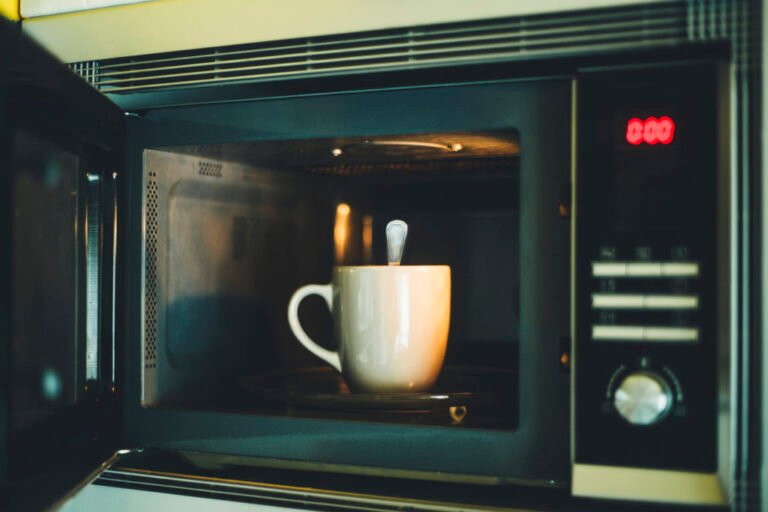
Put a microwave-safe cup with water inside the oven. Run it for a short period using the normal heating setting. Never test an empty microwave unless the manufacturer specifically says that the model supports it. The FDA notes that some ovens should not be operated empty. :contentReference[oaicite:2]{index=2}
Stay nearby during the test. Watch for sparks, smoke, unusual sounds, burning smells, or failure to heat. If any serious warning sign appears, stop the test.
- ✦ Use water for a heating test
A cup of water provides a simple load for checking whether the oven is producing heat.
- ✦ Stop at the first danger sign
Smoke, flames, repeated arcing, a damaged door, or operation with the door open means you should stop using the oven.
Microwave Turns On but Does Not Heat
A microwave that lights up, counts down, and runs but leaves food cold has a different problem from a microwave that has no power. Start with the easy checks. Make sure the oven is not in a special mode, the power level is correct, and the food is actually receiving enough cooking time.
If the turntable works but the food stays cold, the problem may involve an internal heating system. Parts such as the magnetron, high-voltage diode, capacitor, transformer, or inverter can be involved, depending on the model. These parts are not safe DIY repair targets.
This is an important part of **Microwave Troubleshooting & Safety**: a microwave can appear normal from the outside while still having a dangerous internal electrical fault. If basic checks do not solve the problem, arrange service rather than removing the cabinet.

- ✦ Check the power level
A low power setting can make heating seem weak or slow. Return the oven to the normal high-power setting for a basic test.
- ✦ Check the cooking mode
Some models have grill, convection, sensor, warm, or demo modes. The selected mode can change how the oven heats.
- ✦ Check the food position
Place food near the center of the turntable when the model uses a rotating tray. Follow the manual for special rack or sensor instructions.
- ✦ Know when to stop
If the oven runs but never heats after basic checks, use a qualified technician rather than opening the cabinet.
Why a Microwave Can Run Without Heating
Microwave heating depends on a high-voltage electrical system and a component called a magnetron. If part of that system fails, the display, fan, and turntable may still work while the food remains cold.
Do not assume that replacing one internal part is a simple repair. The CPSC warns that microwave ovens contain high-voltage components that can cause severe shock, including after the unit is unplugged. :contentReference[oaicite:3]{index=3}
- ✦ Possible internal fault
A failed high-voltage component may stop microwave generation while other functions continue.
- ✦ Professional repair
Internal diagnosis and repair should be handled by a qualified technician who can test the appliance safely.
Microwave Has No Power or Suddenly Stops
If the display is completely dark, begin with the wall outlet. Plug another suitable appliance into the same outlet to see whether it has power. If the outlet is dead, the microwave may not be the cause.
If the breaker trips when the microwave starts, do not keep resetting it again and again. A repeated trip can point to an overloaded circuit, a wiring issue, or a fault inside the microwave.
If the microwave has power but shuts down during use, overheating may also be involved. Make sure the vents are not blocked and that the oven has the clearance required by the manufacturer.

- ✦ Dead display
Check the outlet, plug, breaker, and any applicable kitchen circuit protection before assuming the microwave itself has failed.
- ✦ Breaker trips
Stop repeated resets if the breaker trips again. Have the electrical circuit or appliance checked if the problem continues.
- ✦ Sudden shutdown
Check for blocked vents, excessive heat, or a model-specific protection feature. Let the oven cool if the manual allows this.
- ✦ Burning smell
Stop using the microwave if you smell burning insulation, see smoke, or notice melted parts.
When a Power Problem Is an Electrical Problem
A loose plug or overloaded circuit is different from an internal microwave failure. Never use a damaged power cord, damaged plug, extension setup that violates the manufacturer’s instructions, or outlet that shows signs of heat or burning.
Electrical problems deserve extra care because a microwave draws substantial power during operation. If you see scorch marks, melted plastic, sparks at the outlet, or repeated breaker trips, stop using the appliance and have the electrical issue checked.
- ✦ Hot outlet
An outlet that becomes unusually hot can indicate a wiring or connection problem. Stop using it until it is checked.
- ✦ Damaged cord
Do not use a microwave with a cut, crushed, frayed, or heat-damaged power cord.
Microwave Sparks, Pops, or Makes Arcing Sounds
A brief spark can happen when a food residue, metal object, or damaged part interacts with microwave energy. Do not ignore repeated sparking. Stop the oven and find the cause before using it again.
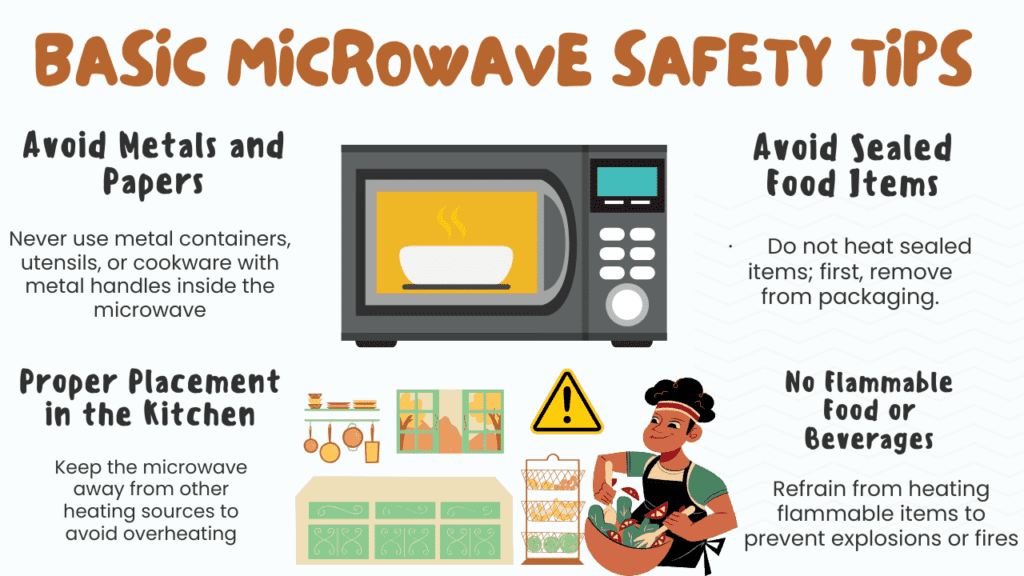
Metal is a common cause, but it is not the only one. Grease, food splatter, damaged interior coating, a worn waveguide cover, or unsuitable cookware can also create arcing. Always follow the cookware rules in your model’s manual.
For **Microwave Troubleshooting & Safety**, treat smoke or flames as an emergency rather than a normal troubleshooting event. Stop the oven. If safe to do so, disconnect power, keep the door closed during a fire inside the cavity, and follow your local fire safety guidance.

- ✦ Remove obvious metal
Do not use metal pans, utensils, twist ties, or foil unless the manufacturer specifically permits that item and explains how to use it safely.
- ✦ Clean food residue
Burnt food and grease can create hot spots and arcing. Clean the cavity after the oven cools.
- ✦ Inspect the cavity
Look for peeling coating, burn marks, holes, or damage near the waveguide cover. Do not continue using a seriously damaged cavity.
- ✦ Stop repeated arcing
If sparking continues after removing obvious causes, stop using the microwave and seek qualified service.
Can You Use Aluminum Foil in a Microwave?
Do not assume that all foil use is safe. Some manufacturers allow limited foil use under specific conditions, while others prohibit it. The FDA advises consumers to follow the instructions supplied with their particular oven and notes that metal can reflect microwaves and may cause uneven cooking or oven damage. :contentReference[oaicite:4]{index=4}
When the manual does not clearly permit foil for a specific use, choose a microwave-safe container instead. This simple rule removes much of the guesswork.
- ✦ Follow the manual
Use the cookware and foil rules supplied for your exact microwave model.
- ✦ Avoid random metal objects
Metal utensils, metallic trim, wire ties, and unknown containers can create sparks or damage.
Microwave Door, Latch, and Seal Safety
The microwave door is a major safety component. It does more than keep food inside. The door and its interlock system help ensure that microwave generation stops when the door opens.
The FDA says not to operate a microwave when the door does not close firmly or is bent, warped, or otherwise damaged. It also recommends stopping use if a microwave continues operating with the door open. :contentReference[oaicite:5]{index=5}
Do not tape, bend, disable, or bypass a latch or safety switch. A door problem is not a cosmetic issue when it affects closing, latching, or the oven’s normal operation.

- ✦ Bent door
Do not use the oven if the door is bent or cannot close correctly.
- ✦ Damaged seal
A damaged or badly worn door seal should be assessed before continued use, especially if the door no longer closes firmly.
- ✦ Broken latch
Do not bypass the latch to keep using the oven. Have the door system repaired properly.
- ✦ Runs with door open
Stop using the oven immediately. The FDA recommends discontinuing use if a microwave continues to operate with the door open. :contentReference[oaicite:6]{index=6}
Microwave Radiation and Everyday Safety
Microwave ovens use non-ionizing electromagnetic energy to heat food. The FDA regulates microwave ovens sold in the United States and requires safety features designed to limit exposure during normal operation. :contentReference[oaicite:7]{index=7}
The main practical concern for consumers is a damaged appliance, not normal operation of a properly maintained oven. If the door, hinges, latch, or seals are damaged, stop using the oven and contact the manufacturer or a qualified service provider.
- ✦ Keep the door intact
A properly closing door is a basic part of microwave safety.
- ✦ Do not modify safety systems
Never defeat an interlock or other factory safety feature.
Safe Microwave Containers and Food Heating
The container matters as much as the microwave setting. Use cookware labeled or designed for microwave use. Glass, ceramic, and some plastics can work well, but not every container made from these materials is suitable for microwave heating.
Food can heat unevenly, so cold spots may remain. For foods that need even heating, stir or rotate them when appropriate, allow standing time when the instructions call for it, and check that the food has reached a safe temperature.
Be careful with liquids. Water and other liquids can become superheated and may erupt when moved or disturbed. The FDA specifically warns consumers to avoid heating water or liquids longer than recommended by the manufacturer. :contentReference[oaicite:8]{index=8}

- ✦ Use microwave-safe cookware
Choose containers designed for microwave use and follow the container maker’s instructions.
- ✦ Avoid sealed containers
Steam pressure can build inside a tightly sealed container. Vent containers according to the food and container instructions.
- ✦ Protect against burns
Containers can become hot because heat transfers from the food into the container.
- ✦ Handle liquids carefully
Move heated liquids slowly and carefully to reduce the risk of sudden boiling and splashing.
Foods That Need Extra Care
Some foods behave differently in a microwave. Eggs in shells, tightly sealed foods, and foods with a skin or shell can build pressure. Piercing or venting may be needed when the cooking instructions call for it.
When reheating leftovers, spread food evenly and cover it loosely when suitable. Stirring can reduce cold spots and help food heat more evenly.
- ✦ Eggs and enclosed foods
Pressure can build inside enclosed foods. Use a method designed for microwave cooking rather than heating them sealed.
- ✦ Leftovers
Spread food out, cover it as appropriate, and stir during heating when the instructions allow.
Cleaning and Maintenance for Microwave Safety
A clean microwave is easier to use and easier to inspect. Food splashes, grease, and burnt residue can create smoke, odors, and arcing during later cooking.
Clean the cavity, turntable, door area, and outer surfaces with a mild cleaning method recommended by the manufacturer. The FDA advises regular cleaning with water and mild detergent and says abrasive pads and steel wool should not be used. :contentReference[oaicite:9]{index=9}
Routine care also gives you a chance to spot damage early. Look at the door, hinges, latch, seal, cavity coating, vents, cord, and plug during normal cleaning.

- ✦ Clean food splashes
Remove food residue before it becomes hard or scorched.
- ✦ Clean the door area
Keep the door and the surfaces around it clean so the door can close correctly.
- ✦ Avoid harsh abrasives
Use a soft cloth or sponge and the cleaning method recommended by the manufacturer.
- ✦ Keep vents clear
Blocked ventilation can contribute to overheating and poor performance.
A Simple Microwave Maintenance Routine
Once the microwave is cool, wipe away food and grease. Wash the removable turntable and support according to the manufacturer’s instructions. Check the door for smooth movement and proper closing.
Do not pour water into the control panel or vents. Do not spray cleaner directly into openings. Small, regular cleaning jobs are safer and easier than trying to remove heavy buildup later.
- ✦ After messy cooking
Clean splashes and grease once the oven cools.
- ✦ During monthly checks
Look for cracks, loose parts, damaged seals, unusual marks, and blocked vents.
Common Microwave Problems and Safe First Steps
Many microwave problems look similar at first. The safest approach is to identify the symptom before deciding what to do. Simple external checks can solve some issues, while others need professional service.
Use the table below as a quick **Microwave Troubleshooting & Safety** guide. It focuses on low-risk checks and clear stop points rather than risky internal repairs.
- ✦ Microwave is completely dead
Check the outlet, plug, breaker, and manual. Stop if the cord or outlet shows damage.
- ✦ Display works but food stays cold
Check the cooking mode and power level. If it still does not heat, seek professional service.
- ✦ Microwave sparks
Stop the oven, remove obvious unsuitable metal if safe, and inspect for food residue or cavity damage.
- ✦ Turntable does not rotate
Check that the tray and support are correctly placed and free of food debris. Follow the manual for model-specific checks.
- ✦ Microwave is unusually loud
A new loud hum, grinding sound, buzzing sound, or repeated popping can signal a fault. Stop using it if the sound is severe or comes with smoke or sparks.
- ✦ Microwave smells like burning
Stop cooking and inspect for burnt food, melted plastic, or electrical damage after the oven cools.
- ✦ Breaker keeps tripping
Do not repeatedly reset the breaker. Have the appliance and circuit checked.
- ✦ Door will not close correctly
Do not use the microwave. Door and latch problems can affect the safety interlock system.
When a Problem Is Safe to Check Yourself
Safe user checks usually involve the plug, outlet, breaker, controls, cookware, turntable, vents, and visible cleanliness. These checks do not require removing the cabinet.
A good rule is simple: if the repair requires exposing internal electrical parts, stop. The CPSC specifically warns against DIY microwave repairs because dangerous high-voltage energy can remain present even after unplugging. :contentReference[oaicite:10]{index=10}
- ✦ User-level checks
Power, settings, cookware, cleaning, turntable placement, and visible damage can usually be checked without opening the appliance.
- ✦ Professional checks
Internal electrical parts, high-voltage circuits, door interlocks, and radiation safety testing should be handled by qualified professionals.
When to Stop Using a Microwave Immediately
Some symptoms should end troubleshooting at once. Do not keep testing an appliance that shows a serious safety fault just because it still appears to work.
The FDA advises discontinuing use if a microwave operates with the door open. It also advises against using an oven with a damaged, bent, warped, or poorly closing door. :contentReference[oaicite:11]{index=11}
The same cautious approach applies to fire, smoke, severe electrical damage, or repeated unexplained arcing. When in doubt, unplug the appliance only if doing so is safe and arrange professional help.

- ✦ Door opens while the oven runs
Stop using the microwave immediately and seek professional assistance.
- ✦ Fire or heavy smoke
Stop the appliance and follow appropriate fire safety procedures. Do not continue troubleshooting while a fire hazard remains.
- ✦ Repeated sparks
Stop using the oven until the cause is identified and corrected.
- ✦ Severe electrical smell
Stop using the appliance if you smell burning insulation or see melted electrical parts.
- ✦ Damaged door or latch
Do not operate the oven until the door system has been properly assessed.
Why DIY Internal Repair Is Risky
A microwave is not like a simple countertop appliance that can always be opened and inspected safely. High-voltage components can store dangerous electrical energy even when the power cord is removed.
The CPSC has specifically warned consumers about electrocution hazards from DIY microwave repair. Its guidance recommends using qualified professionals for this type of repair. :contentReference[oaicite:12]{index=12}
- ✦ Do not remove the cabinet
The internal high-voltage system can present a serious shock hazard.
- ✦ Do not bypass interlocks
Safety switches are designed to stop microwave generation when the door opens. They should never be defeated.
- ✦ Use qualified service
Choose a trained appliance repair professional for internal microwave faults.
Microwave Safety Checklist for Everyday Use
The easiest way to maintain good **Microwave Troubleshooting & Safety** habits is to use a short routine. Check the appliance before use, use suitable containers, keep the cavity clean, and never ignore a damaged door.
For busy U.S. households, this takes very little time. A few seconds of checking can prevent a minor issue from becoming a larger appliance or fire problem.
- ✦ Before cooking
Check the door, cavity, cookware, and food instructions.
- ✦ During cooking
Stay alert to smoke, sparks, unusual sounds, or burning smells.
- ✦ After cooking
Handle hot containers carefully and clean food splashes when the oven is cool.
- ✦ Every few weeks
Inspect the door, latch, hinges, seal, cord, plug, vents, and cavity.
- ✦ Before repair
Check the owner’s manual and decide whether the problem is a safe user-level issue or an internal repair.
A Practical Five-Step Safety Check
First, look at the oven. Second, check the door. Third, confirm the container is microwave-safe. Fourth, watch the oven during use. Fifth, stop immediately if a serious warning sign appears.
This simple process covers the most important parts of **Microwave Troubleshooting & Safety** without asking a homeowner to perform dangerous electrical work.
- ✦ Look
Check for visible damage, food buildup, melted parts, or blocked vents.
- ✦ Latch
Make sure the door closes and latches normally.
- ✦ Load
Use suitable cookware and avoid tightly sealed containers.
- ✦ Watch
Stay aware of smoke, sparks, unusual sounds, and burning smells.
- ✦ Stop
Do not continue using the microwave when a serious safety fault appears.