Electric Kettle Cleaning & Descaling: A Complete Guide to Removing Limescale
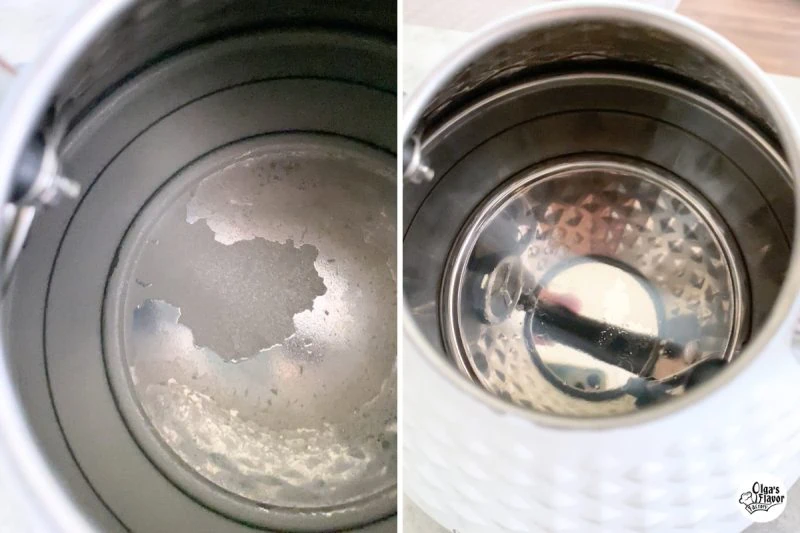
electric kettles make tea, coffee, oatmeal, and hot water fast. But repeated boiling can leave white flakes and a rough film inside the pot. This is most common in areas with hard water, where minerals can build up over time.
Good electric kettle cleaning and descaling is simple. You do not need harsh cleaners or special tools in most cases. A mild acid, clean water, and a few minutes of care can keep the kettle fresh and working well.
One useful lesson from routine appliance care is to clean before buildup becomes thick. A light layer is much easier to remove than a hard crust that has formed after months of use. Regular care also makes each cleaning job shorter.
Why Electric Kettle Cleaning and Descaling Matters
An electric kettle heats water, but it does not remove the minerals in that water. When water boils, some minerals can stay behind as deposits. These deposits may appear as white, gray, or chalky spots on the inside of the kettle.
The main issue is limescale, which is made mostly from calcium carbonate and related mineral deposits. It can build up on the bottom, walls, heating area, lid, and spout. A thick layer may also make the kettle harder to clean.
Electric kettle cleaning and descaling helps remove this buildup before it becomes stubborn. It also helps control stale smells and loose flakes that may end up in your cup.

- ✦ Mineral buildup
Hard water can leave calcium and other minerals inside the kettle after repeated boiling.
- ✦ Better appearance
Regular cleaning helps prevent cloudy stains, white marks, and crusty deposits.
- ✦ Fresher water
Cleaning can remove old water residue and smells that may affect the taste of hot drinks.
- ✦ Easier maintenance
Small deposits are easier to remove than thick limescale that has built up for a long time.
What Is Limescale?
Limescale is a hard mineral deposit that can form when hard water is heated. It often looks like a white, chalky crust. You may notice it first on the bottom or around the heating element.
Limescale is not the same as dirt. Normal wiping may not remove it because the deposit can stick firmly to the surface. An acid such as vinegar or citric acid can help dissolve the mineral layer.
Does Limescale Mean the Kettle Is Dirty?
Not always. A kettle can be clean in the usual sense but still have mineral deposits from hard water. That is why washing and descaling are two related but different parts of electric kettle cleaning and descaling.
Washing removes surface residue and odors. Descaling focuses on mineral deposits that need an acidic solution to loosen them.
How Often Should You Clean and Descale an Electric Kettle?
There is no single schedule that works for every home. Water hardness and kettle use make a big difference. Someone who boils water several times a day in a hard-water area may need to descale much more often than someone who uses a kettle once a week.
For everyday care, empty leftover water after use when practical and wipe the outside with a soft, damp cloth. For deeper electric kettle cleaning and descaling, check the inside every few weeks for cloudy marks or mineral buildup.
If you see a thick white layer, hear unusual bubbling, or notice flakes in the water, it is time to descale. Your kettle maker may also give a specific schedule in the care guide, so follow that advice when it differs from general guidance.
- ✦ Light use
Inspect the kettle every few weeks and descale when mineral buildup becomes visible.
- ✦ Heavy use
Frequent boiling may call for more regular checks, especially with hard tap water.
- ✦ Hard water
Mineral deposits can form faster, so inspect the kettle often.
- ✦ Filtered water
Filtered water may reduce some mineral buildup, but it does not always prevent limescale.
Signs Your Kettle Needs Descaling
The clearest sign is a white or chalky layer inside the kettle. You may also see small flakes floating in the water. A rough bottom or a ring around the water line can point to the same problem.
Taste and smell can also change when residue builds up. If your water tastes stale even after using fresh water, cleaning the kettle is a useful first step.
- ✦ White flakes
Small flakes in hot water often come from loose mineral deposits.
- ✦ Rough surface
A rough or crusty bottom can signal a growing limescale layer.
- ✦ Cloudy interior
White or cloudy marks may appear after repeated boiling.
- ✦ Strange taste
Old residue can affect the taste of water and hot drinks.
How to Clean an Electric Kettle Step by Step
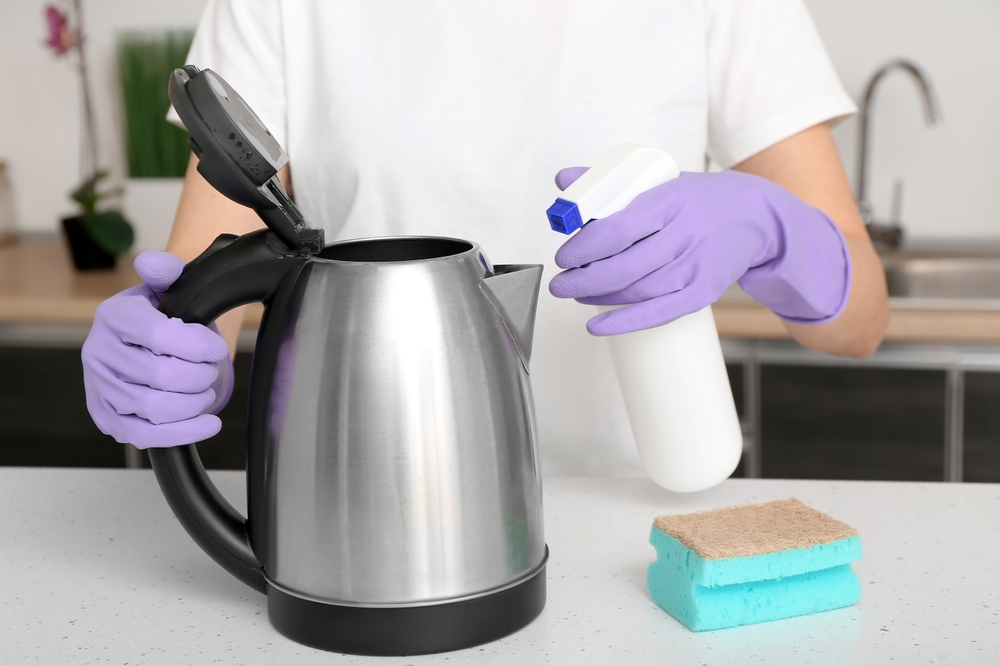
Basic electric kettle cleaning starts with a cool, unplugged kettle. Never clean an electric kettle while it is connected to power. Let it cool fully before you begin.
First, empty the kettle and rinse out loose particles. Use a soft cloth or sponge to wipe the inside if the manufacturer allows it. Avoid abrasive pads because they can scratch some finishes.
Clean the lid and spout with care. These areas can collect drops, dust, and mineral residue. Do not pour water over the electrical base or allow water to enter the controls.
- ✦ Unplug first
Disconnect the kettle from power and let it cool before cleaning.
- ✦ Empty the kettle
Pour out old water and rinse away loose particles.
- ✦ Wipe gently
Use a soft cloth or sponge that will not scratch the kettle surface.
- ✦ Clean the lid and spout
Remove visible residue from these areas without forcing water into electrical parts.
- ✦ Dry the outside
Wipe the body and base with a clean cloth before reconnecting the kettle.
Cleaning the Outside of the Kettle
For most kettles, a soft damp cloth is enough for the outside. If there is greasy residue, use a small amount of mild dish soap on the cloth, then wipe again with clean water.
Keep water away from the power connector, control panel, and electrical base. Never submerge the kettle unless the manufacturer clearly states that the part is designed for immersion.
Cleaning the Kettle Lid and Spout
The lid and spout deserve extra attention because they can hold droplets and mineral residue. Wipe them with a soft cloth and use a small soft brush for areas that are hard to reach.
If the spout has a removable filter, follow the manufacturer’s instructions before taking it out. Do not force a filter or screen that is not designed to be removed.
How to Descale an Electric Kettle With White Vinegar
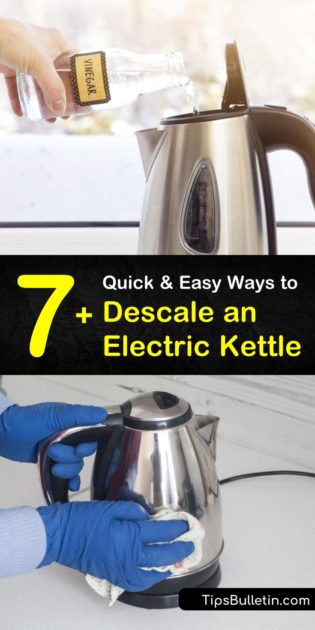
White vinegar is a common home method for electric kettle cleaning and descaling. Its acetic acid can help break down mineral deposits. Use plain white vinegar rather than flavored or colored vinegar.
Start by checking the kettle manual. Some makers recommend vinegar, while others suggest a branded descaler or citric acid. If vinegar is allowed, mix it with water and use enough liquid to cover the affected area.
Heat the solution according to the kettle maker’s instructions. Some kettles can be heated with a diluted vinegar solution, while others may advise soaking without boiling. Never assume a cleaning method is safe if the manual gives different instructions.
- ✦ Step 1: Unplug and cool
Make sure the kettle is safe to handle before preparing the cleaning solution.
- ✦ Step 2: Add diluted vinegar
Use plain white vinegar mixed with water, following the kettle maker’s care instructions.
- ✦ Step 3: Let the solution work
Allow the acidic solution to loosen mineral deposits for the time recommended by the manufacturer.
- ✦ Step 4: Empty the kettle
Pour out the used solution once the descaling process is complete.
- ✦ Step 5: Rinse well
Rinse with fresh water several times to remove vinegar and loosened residue.
Why Vinegar Works on Limescale
Limescale contains alkaline mineral compounds. The acid in vinegar reacts with these deposits and helps break them down. This makes the mineral layer easier to rinse away.
Vinegar is not a magic cleaner for every type of stain. It works best on mineral deposits and may not remove grease or burned residue. That is why a normal wash and a separate descaling step can both be useful.
How to Remove the Vinegar Smell
A strong vinegar smell usually means the kettle needs more rinsing. Fill it with clean water, heat the water if the manual permits, and discard it. Repeat with fresh water until the smell is gone.
Do not add perfume, bleach, or other chemicals to hide the smell. A thorough water rinse is the safer way to finish electric kettle cleaning and descaling.
How to Descale an Electric Kettle With Citric Acid or Lemon
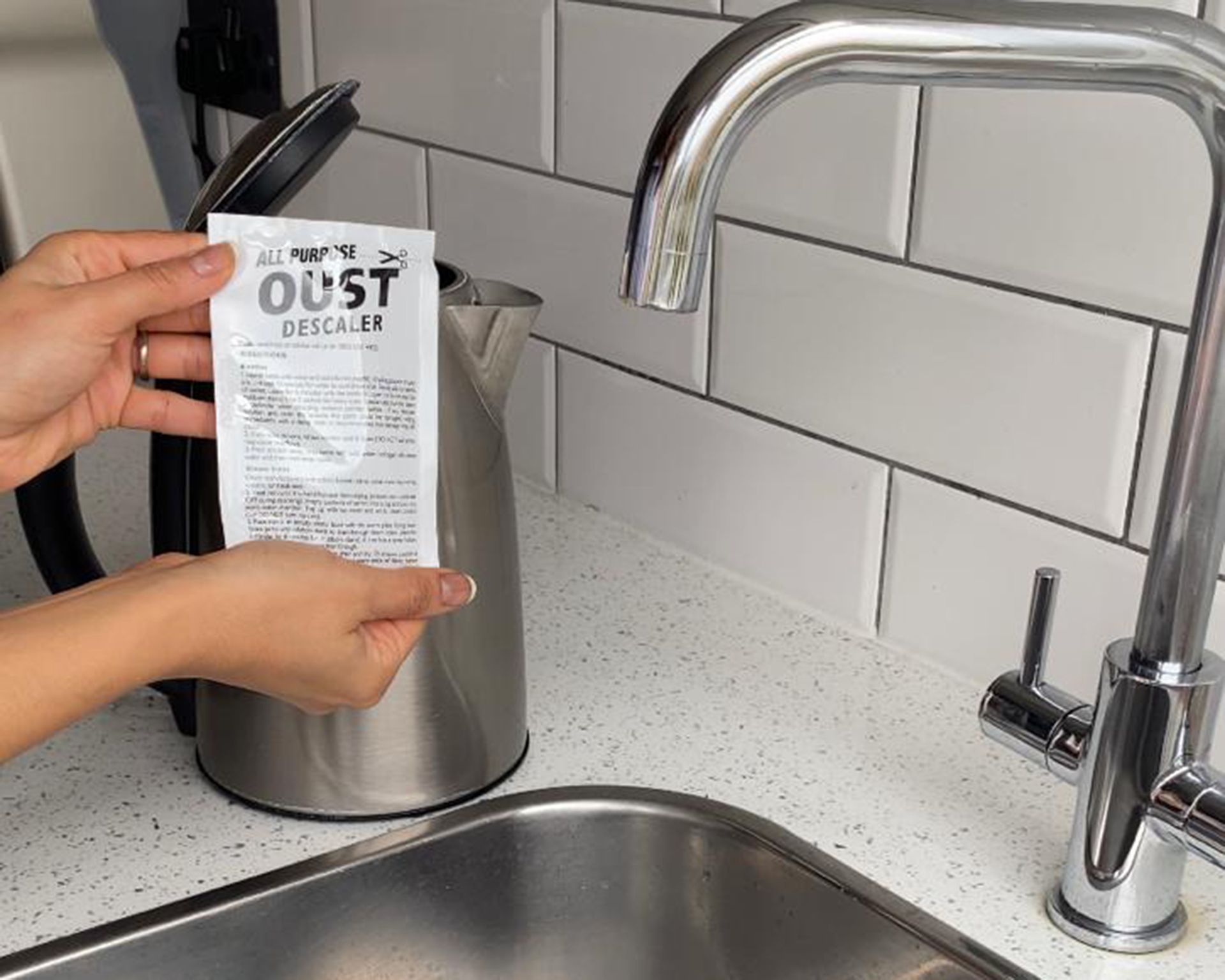
Citric acid is another useful option for electric kettle cleaning and descaling. It can dissolve mineral deposits and usually leaves less of a strong smell than vinegar. Many commercial kettle descalers also use acids that target limescale.
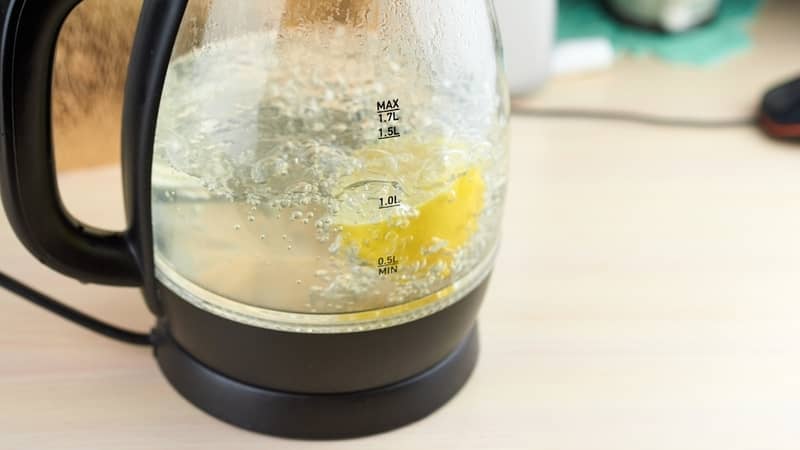
Lemon juice can also help with light mineral buildup because it contains citric acid. However, lemon juice has pulp, sugars, and other compounds that can leave residue, so a pure citric acid product may be easier to control.
Always follow the product label or kettle manual for the amount, contact time, and rinsing steps. More acid does not always mean better cleaning.
- ✦ Citric acid
A measured citric acid solution can be useful for mineral deposits and has less odor than vinegar.
- ✦ Lemon juice
Lemon juice can help with light buildup, but it may leave extra residue that needs rinsing.
- ✦ Commercial descaler
A kettle descaling product can be a practical choice when the manufacturer recommends it.
- ✦ Fresh water rinse
Rinse the kettle well after any acidic treatment before using it for drinking water.
Citric Acid vs. Vinegar
Both can work on mineral deposits, but they have different practical benefits. Vinegar is common and easy to find, while citric acid is often easier to measure and leaves less odor.
The best choice depends on the kettle maker’s instructions and the type of buildup. For a heavily scaled kettle, a product made for descaling may be a better fit than a kitchen ingredient.
How to Remove Stubborn Limescale From an Electric Kettle
Thick limescale may need more than one treatment. Do not scrape hard deposits with a knife, metal tool, or rough pad. These tools can damage the kettle surface or heating area.
Instead, repeat a suitable descaling treatment if the manufacturer permits it. Give the solution enough time to soften the deposits, then rinse and wipe away what has loosened.
If a thick layer remains after repeated cleaning, check the manufacturer’s instructions. Some kettles have hidden heating elements and special coatings that need specific care.

- ✦ Do not scrape with metal
Sharp tools can scratch or damage the kettle and may create a new problem.
- ✦ Repeat gently
A second approved descaling cycle can be safer than using a very strong cleaner.
- ✦ Rinse after each cycle
Remove loosened deposits and cleaning solution before starting another cycle.
- ✦ Check the manual
Use the care method approved for your kettle’s material and heating system.
What If the Heating Element Has Heavy Buildup?
A visible heating element can collect limescale faster because it reaches high temperatures during use. Heavy deposits may reduce direct contact between the water and the heated surface.
Do not try to pry deposits from the element. Use an approved descaling method and let the solution do the work. If the element still looks damaged after cleaning, stop using the kettle and seek manufacturer guidance.
Electric Kettle Cleaning and Descaling Safety Tips
Cleaning an electric kettle is easy, but it still involves an electrical appliance and hot liquid. Safety should come first. Always let the kettle cool before cleaning and keep electrical parts dry.
Do not mix cleaning chemicals. In particular, never mix vinegar or another acid with bleach. The combination can produce dangerous fumes.
Use only cleaners that the manufacturer allows. Some kettles have special coatings, filters, plastic parts, or temperature controls that may react poorly to unsuitable cleaners.

- ✦ Disconnect power
Unplug the kettle before cleaning the body, lid, or other parts.
- ✦ Avoid immersion
Never place the electrical base, cord, or plug in water.
- ✦ Avoid chemical mixing
Never mix vinegar, citric acid, bleach, or other cleaners together.
- ✦ Handle hot liquid carefully
Let the kettle cool before pouring out a hot cleaning solution.
- ✦ Follow the manual
The manufacturer’s instructions take priority over general cleaning advice.
Can You Put an Electric Kettle in the Dishwasher?
Most electric kettles are not designed to go in a dishwasher as a complete unit. Water and heat can damage electrical parts, seals, controls, and finishes.
Some removable parts may be dishwasher safe, but only if the manufacturer says so. Check the manual before placing a lid, filter, or other component in the dishwasher.
Common Electric Kettle Cleaning Mistakes to Avoid
A few cleaning habits can cause more harm than good. The most common mistake is using too much force to remove mineral deposits. Limescale may look hard, but aggressive scraping can damage the kettle.
Another mistake is failing to rinse after descaling. Acidic cleaners can leave a smell or taste if they are not washed away. Several fresh-water rinses are a simple way to finish the job.
It is also easy to focus only on the inside. The lid, spout, filter, and outside surface need regular care too. A complete routine makes electric kettle cleaning and descaling more effective.
- ✦ Using abrasive tools
Steel wool and hard scrapers can scratch some kettle surfaces.
- ✦ Using too much cleaner
A stronger solution is not automatically safer or more effective.
- ✦ Skipping the rinse
Always remove the cleaning solution before boiling drinking water.
- ✦ Cleaning while plugged in
Electrical appliances should be disconnected before cleaning.
- ✦ Leaving water inside for too long
Fresh water and regular emptying can help reduce stale smells and residue.
Why Scraping Limescale Is a Bad Idea
Scraping can create scratches that make future deposits harder to remove. It can also damage a heating element or protective surface if you apply too much force.
A chemical descaling method is usually gentler because it softens the mineral layer instead of forcing it off.
How to Keep an Electric Kettle Cleaner for Longer
The easiest cleaning routine is the one you can repeat. Empty leftover water when practical, rinse the kettle when needed, and check for mineral buildup. Small habits can prevent a large cleaning job later.
Water choice also matters. If your tap water is hard, a suitable water filter may reduce the amount of mineral residue entering the kettle. It will not remove every mineral, so the kettle still needs inspection and descaling.
For U.S. households, usage can vary from a single morning cup of tea to many boils each day. Build your electric kettle cleaning and descaling routine around actual use instead of following a rigid calendar.

- ✦ Use fresh water
Fill the kettle with the amount of water you need rather than keeping old water inside for long periods.
- ✦ Empty after use
Removing leftover water can reduce stagnant smells and repeated mineral concentration.
- ✦ Inspect often
A quick look inside can show limescale before it becomes thick.
- ✦ Consider filtered water
A suitable filter may reduce mineral content in areas with hard water.
- ✦ Descale when needed
Use an approved descaling method when visible deposits begin to form.
Does Filtered Water Prevent Limescale?
Filtered water can reduce some minerals, depending on the type of filter. It does not always remove enough calcium and magnesium to stop limescale completely.
If deposits still appear, continue regular electric kettle cleaning and descaling. The goal is to slow buildup, not assume that filtered water makes cleaning unnecessary.
Electric Kettle Cleaning and Descaling by Kettle Material
The kettle material can affect how you clean it. Stainless steel is often durable but can show water marks. Glass makes mineral buildup easy to see, while plastic may need gentler cleaning to avoid scratches or surface damage.
The basic electric kettle cleaning and descaling process is similar across materials, but the manufacturer’s care instructions still matter. Never assume that a method safe for one kettle is safe for every model.
- ✦ Stainless steel
Use gentle cleaning tools and rinse well to avoid streaks and leftover cleaner.
- ✦ Glass
Mineral buildup is easy to spot, so regular descaling can keep the interior clear.
- ✦ Plastic
Avoid rough pads and strong chemicals that may scratch or damage the surface.
- ✦ Ceramic-coated models
Follow the manufacturer’s cleaning rules because the coating may need special care.
Cleaning a Glass Electric Kettle
Glass kettles make limescale easy to see. Look around the bottom, water line, and heating area for white deposits.
Use an approved descaling solution and rinse well. Avoid sudden temperature changes that could stress hot glass.
Cleaning a Stainless Steel Electric Kettle
Stainless steel can handle regular use, but abrasive tools can leave scratches. Use a soft cloth or sponge for routine cleaning and an approved descaler for mineral buildup.
After descaling, rinse the kettle several times. Drying the outside can also reduce water spots.