Deep Fryer Oil Management: A Complete Guide to Filtering, Reusing, Testing, and Replacing Frying Oil
Deep Fryer Oil management is about more than deciding when to pour in fresh oil. It is a daily process that keeps frying oil clean, stable, and fit for use. For a home cook, this can mean better fries and less waste. For a restaurant, it also means steady food quality, safer work, and better control of operating costs.
In practice, fryer oil changes as soon as food enters the fryer. Water, crumbs, batter, salt, and food particles enter the oil. High heat then speeds up chemical changes. Good Deep Fryer Oil Management slows these changes by keeping the oil at the right temperature, filtering it, and removing debris before it burns.
A common mistake is to keep using oil simply because it still looks usable. Another is to replace oil too soon without fixing the habits that damage it. The best approach is to watch the oil, follow the fryer maker’s instructions, and use a simple routine that fits the amount and type of food you fry.
What Is Deep Fryer Oil Management?
Deep Fryer Oil Management is the planned care of cooking oil used for deep frying. It includes choosing suitable oil, filling the fryer correctly, controlling temperature, filtering the oil, storing it well, checking its condition, and replacing it when needed.
The goal is not to keep oil forever. The goal is to get useful life from the oil without letting its quality fall too far. Fresh, well-managed oil can give food a clean flavor and even browning. Poorly managed oil can make food dark, greasy, bitter, or stale.
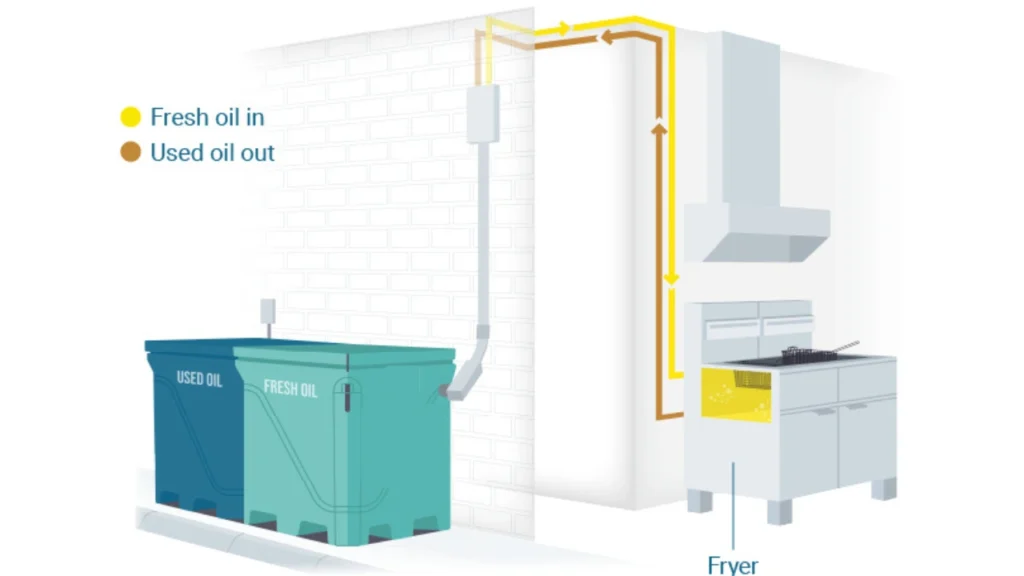
This process matters at home and in food service. A small countertop fryer may need a simple filter and storage routine. A busy commercial kitchen may use built-in filtration, oil quality tests, and scheduled oil changes.
- ✦ Temperature control
Keep the fryer within the cooking range recommended for the food and fryer. Excess heat speeds oil breakdown.
- ✦ Filtration
Remove crumbs and food particles before they continue to cook and burn in the oil.
- ✦ Oil testing
Use visual checks and, when needed, an oil quality test to track changes in used oil.
- ✦ Timely replacement
Replace oil when its quality falls, rather than relying only on a fixed number of frying cycles.
Why Oil Quality Changes During Frying
Heat, oxygen, water, and food residues all affect frying oil. Repeated heating can cause oxidation and other changes that affect taste, color, smell, and frying performance. Wet foods also introduce water, which can make the oil react and foam more as it ages.
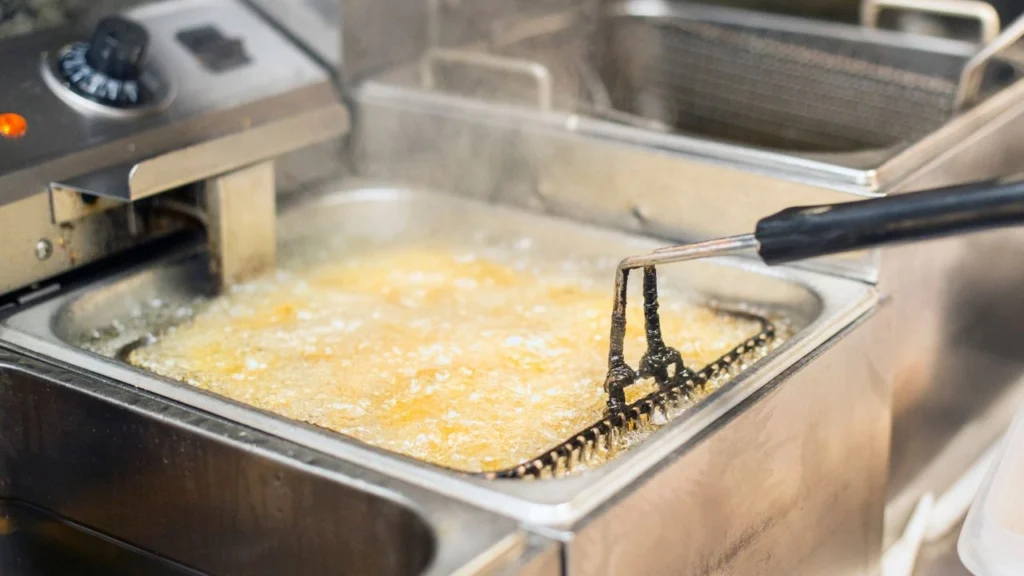
Small crumbs are a major issue because they can stay in hot oil and burn. Burned particles can darken the oil and add unwanted flavors. Removing them often is one of the simplest parts of good Deep Fryer Oil Management.
How to Choose the Right Oil for Deep Frying
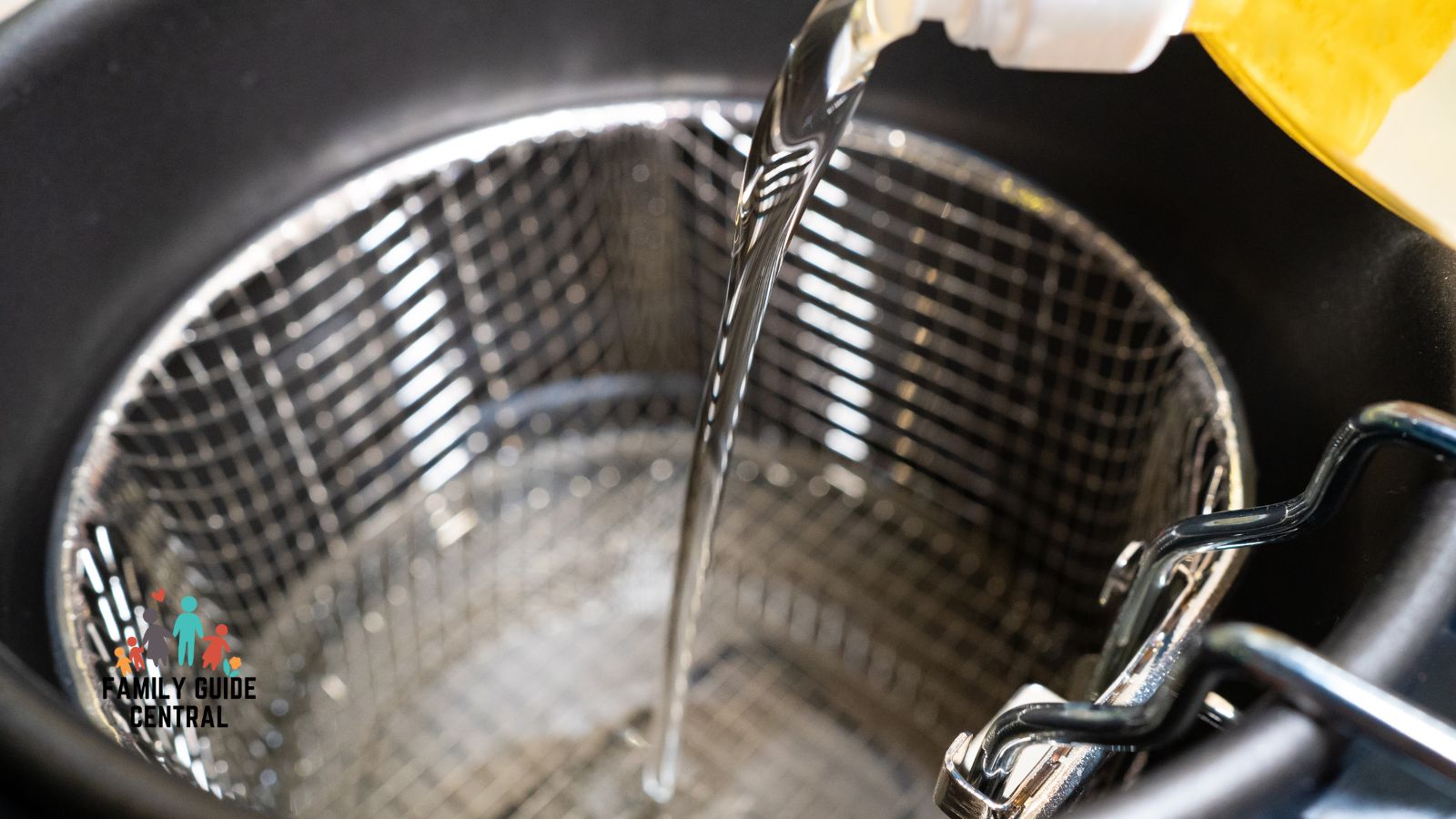
The oil you choose affects both cooking results and oil life. Common frying oils include canola, peanut, soybean, sunflower, and vegetable oil blends. Each has its own flavor, cost, heat behavior, and performance.
For most home cooks, a neutral oil with a suitable smoke point works well. Restaurants often choose oil based on menu needs, fryer use, price, supplier options, and how well the oil performs during long service periods.
There is no single oil that is best for every fryer. Check the fryer manual and the oil maker’s guidance. Also consider food allergies when using oils such as peanut oil.
- ✦ Neutral flavor
A mild oil lets the flavor of fried food stand out instead of adding a strong taste.
- ✦ Heat performance
Choose an oil intended for the temperatures used by your fryer and foods.
- ✦ Menu fit
Think about the foods you fry and whether the same oil will be used for several food types.
- ✦ Allergen needs
In shared kitchens, track ingredients and oil choices carefully to reduce cross-contact risks.
Smoke Point Is Not the Whole Story
Smoke point is useful, but it does not tell the whole story about frying performance. An oil can still lose quality during repeated heating even when the fryer temperature stays below its listed smoke point.
For Deep Fryer Oil Management, focus on the full cooking system. Temperature control, filtration, food load, moisture, exposure to air, and storage all matter.
How to Keep Fryer Oil Clean During Cooking
Clean oil starts with clean frying habits. Shake excess crumbs from breaded food before it enters the fryer. Do not overload the basket, because a large food load can drop the oil temperature and release more water and particles.
Keep salt, flour, loose batter, and food scraps out of the oil when possible. These materials can burn quickly and shorten the useful life of the oil.
Temperature control also plays a key role. If the oil runs too hot, it can break down faster. If it runs too cool, food may absorb more oil and become greasy. Use the fryer thermostat as directed and verify temperature with a suitable thermometer when needed.
- ✦ Remove loose crumbs
Shake or brush loose breading from food before frying.
- ✦ Avoid overloading
Fry reasonable batches so the oil can recover heat and cook food evenly.
- ✦ Keep water away
Dry wet food surfaces as appropriate and never add water to hot oil.
- ✦ Control the heat
Use the temperature range recommended for the food and fryer.
- ✦ Remove debris
Skim or filter food particles so they do not keep burning in the oil.
Why Food Moisture Matters
Water is one of the main things that enters frying oil from food. Frozen foods, fresh potatoes, wet batter, and other foods can release water as they cook. This can cause bubbling and may speed changes in the oil.
Never pour water into hot oil. Water can rapidly turn to steam and cause hot oil to splatter. Keep hands, utensils, and work areas dry around an active fryer.
How to Filter Deep Fryer Oil
Filtering is one of the most useful steps in Deep Fryer Oil Management. It removes crumbs and other solid particles that would otherwise keep cooking in the hot oil. Frequent filtration can help maintain cleaner oil and more consistent fried food.
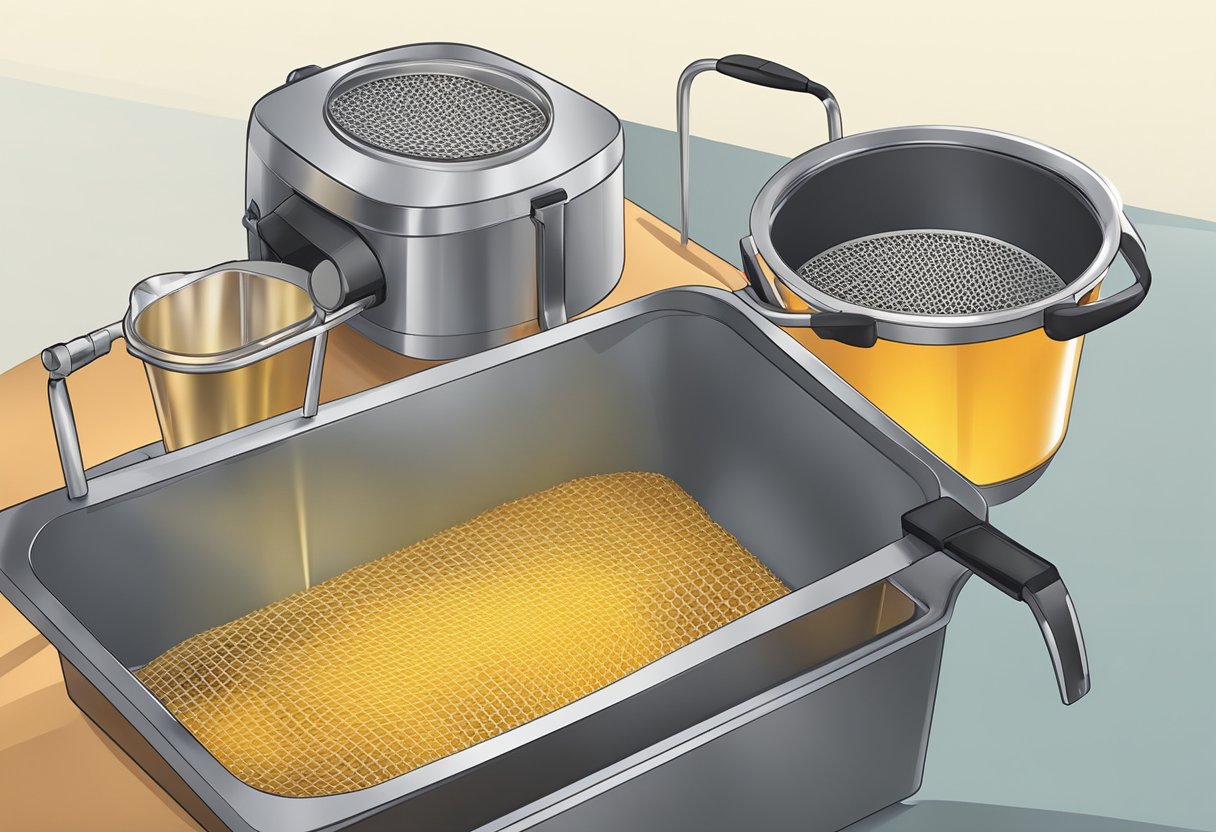
For a home fryer, let the oil cool to a safe temperature before handling it, then use a suitable fine filter or fryer oil filter system. Never pour hot oil through a filter that is not designed for hot oil.
Commercial fryers often have built-in filtration systems. Follow the equipment maker’s instructions for draining, filtering, cleaning, and returning oil to the fryer. Staff should know how to lock or secure the fryer before starting the process.
- ✦ Cool the oil safely
Follow the fryer instructions and wait until the oil reaches a safe handling temperature before manual filtering.
- ✦ Use the right filter
Choose a filter designed for fryer oil and the temperature involved.
- ✦ Filter out fine particles
A suitable fine filter can remove small food particles that a coarse strainer may miss.
- ✦ Clean the fryer
Filtering works best when the fryer itself is cleaned on the schedule recommended by the manufacturer.
How Often Should You Filter Fryer Oil?
There is no single schedule for every fryer. A busy restaurant that fries breaded foods may need much more frequent filtration than a home cook who fries a small batch once a week.
A useful rule is to remove visible food particles after cooking and follow the equipment maker’s filtration schedule. If the oil contains many crumbs, frequent filtration becomes even more important.
How to Tell When Fryer Oil Needs to Be Changed
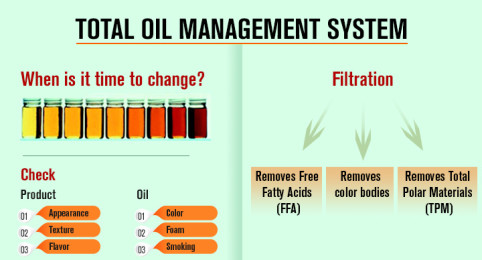
Knowing when to replace oil is a central part of Deep Fryer Oil Management. Do not rely on color alone. Oil can darken for many reasons, while some old oil may not look dramatically different at first.
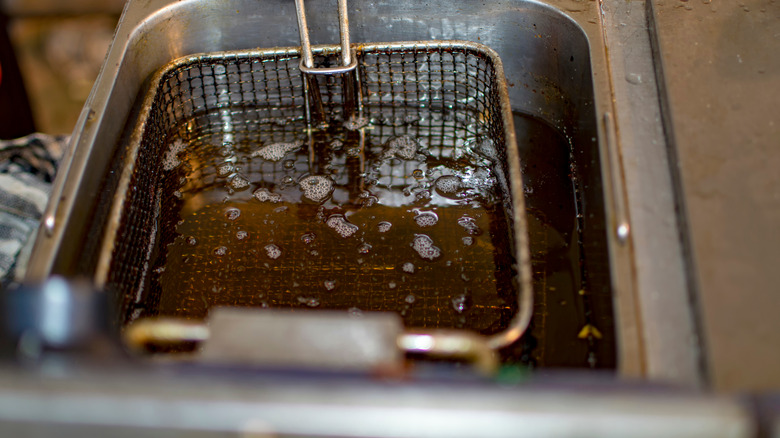
Watch for a group of signs. A strong stale or unpleasant smell, unusual foam, excessive smoking at normal cooking temperatures, poor frying results, and food that develops an odd taste can all signal that the oil is no longer performing well.
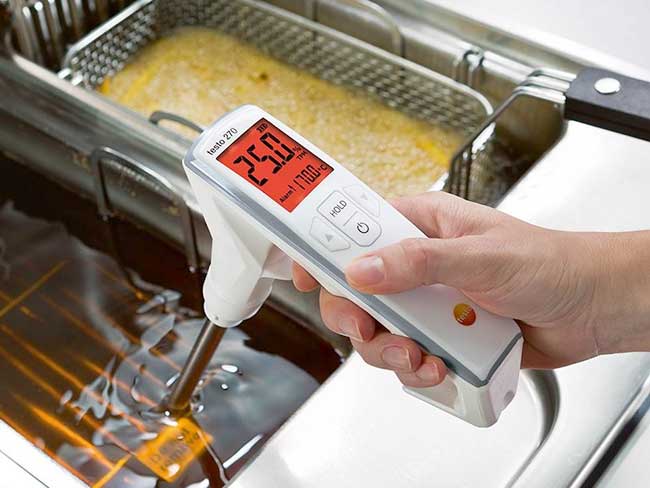
A commercial kitchen may also use an oil quality meter or test strips, depending on its operating system. These tools can provide a more consistent way to track oil condition than visual inspection alone.
- ✦ Unusual smell
A stale, burnt, rancid, or otherwise unpleasant smell can indicate that the oil has degraded.
- ✦ Excessive foam
Persistent or unusual foaming can be a sign of oil breakdown, food residues, or contamination.
- ✦ Smoke at normal heat
Oil that smokes at a normal frying temperature should be investigated and may need replacement.
- ✦ Poor food quality
Food that tastes stale, absorbs too much oil, browns unevenly, or develops an off flavor may point to oil problems.
- ✦ Very dark or thick oil
A marked change in color or texture can support a decision to replace the oil, especially when other warning signs appear.
Why You Should Not Use a Fixed Number of Frying Cycles
One batch of fries does not affect oil in the same way as repeated batches of heavily breaded chicken. Food type, moisture, temperature, filtration, fryer design, and cooking time all change the rate of oil degradation.
For that reason, Deep Fryer Oil Management works better when you track oil condition instead of using a universal cycle count. A written kitchen log can help staff spot patterns and make oil changes more consistent.
How to Test Fryer Oil Quality
Visual inspection is useful, but it has limits. If you manage a high-use fryer, an oil quality test can make replacement decisions more consistent. Commercial kitchens may measure total polar compounds or use another approved oil quality method according to their food safety program and local rules.
Test products vary. Some are designed to give a simple color reading, while electronic meters can provide a numerical result. Staff should learn the correct method for the exact test device because poor sampling can give misleading results.
Testing should support good kitchen practice, not replace it. If oil smells wrong, smokes unexpectedly, or produces poor food, investigate the cause even if a test reading seems acceptable.
- ✦ Use a consistent method
Test oil in the same way each time so readings can be compared.
- ✦ Sample the right oil
Follow the test maker’s instructions for sampling and temperature.
- ✦ Record results
A simple log can show how quickly oil changes during different menu periods.
- ✦ Follow local rules
Commercial food operations should follow applicable federal, state, and local food safety requirements.
What Total Polar Compounds Mean
Total polar compounds, often called TPC, are a group of substances that increase as frying oil undergoes chemical changes during use. They are used in many professional frying programs as an indicator of oil deterioration.
TPC is a technical measure, so consumers do not need to memorize the chemistry to manage a home fryer. For commercial operations, staff should use the testing method and replacement limits set by the operation, equipment guidance, and applicable regulations.
Can You Reuse Deep Fryer Oil?
Yes, frying oil can often be reused when it remains in good condition and has been handled safely. Reuse can reduce waste and lower the amount of oil needed for repeated frying. However, reuse does not mean oil should stay in service indefinitely.
Before reusing oil, filter out food particles and check its smell, appearance, foaming, and frying performance. Store it in a clean, covered container if it will not stay in the fryer, and protect it from heat, light, water, and food debris.
Some foods also affect oil more than others. Strongly flavored foods can transfer taste to later batches. Breaded foods can leave more particles behind. Fish can also change the flavor of oil, so many cooks prefer to keep fish frying oil separate from other foods.
- ✦ Filter before storage
Remove food particles while the oil is at a safe handling temperature and with equipment made for the task.
- ✦ Use a clean container
Store reusable oil in a clean, dry, food-safe container with a secure lid.
- ✦ Label the oil
In a busy kitchen, note the oil type and date to reduce confusion.
- ✦ Protect from light and heat
Store filtered oil in a cool, dark place when the fryer will not be used.
How Many Times Can You Reuse Frying Oil?
There is no reliable universal number of uses. The answer depends on the oil, food, temperature, filtration, cooking time, and storage conditions. A well-filtered oil used for a few light batches may last longer than oil exposed to heavy breading and repeated high heat.
Instead of counting uses alone, judge the oil’s condition. When the oil shows clear signs of degradation or fails your kitchen’s quality standard, replace it.
How to Store Used Fryer Oil
Storage matters when you plan to reuse oil. Heat, air, light, water, and food particles can continue to affect oil after cooking stops. Good storage slows further quality loss.
Let the oil cool according to the fryer and container instructions. Filter it into a clean, dry, heat-safe food container, cover it, and store it away from heat and direct light.
Never store oil in a container that held chemicals or other non-food materials. Keep used oil away from moisture and clearly label it if more than one type of oil is used in the kitchen.

- ✦ Cool safely
Do not rush the cooling process or handle hot oil in a way that could cause burns.
- ✦ Use a dry container
Water left in a storage container can create a serious hazard when the oil is later heated.
- ✦ Seal the container
A secure lid helps reduce exposure to air, moisture, dust, and odors.
- ✦ Store away from heat
Keep stored oil in a cool, dark location suitable for food storage.
Deep Fryer Oil Management for Home Kitchens
Home cooks do not need a restaurant-sized oil management system. A simple routine can work well. Start with a clean fryer, use the right amount of oil, keep the temperature under control, remove crumbs, and filter reusable oil after it cools safely.
Do not leave old oil in the fryer for long periods without a reason. If the fryer will sit unused, storing filtered oil in a clean, covered container can make more sense, depending on the fryer maker’s instructions.
Keep a basic record if you fry often. Write down when the oil was added, what foods were cooked, and when the oil was filtered or replaced. This makes Deep Fryer Oil Management easier and helps you notice patterns.
- ✦ Use clean equipment
Clean the fryer and basket as directed so old crumbs do not contaminate fresh oil.
- ✦ Do not mix questionable oil with fresh oil
Adding fresh oil does not restore badly degraded oil to new condition.
- ✦ Check before reuse
Smell and inspect stored oil before using it again.
- ✦ Dispose of poor-quality oil
When oil is no longer suitable for cooking, dispose of it through a safe method rather than trying to extend its life.
Deep Fryer Oil Management for Restaurants
Commercial kitchens face a different challenge because fryers may operate for many hours each day. Oil can degrade quickly when staff fry large amounts of breaded food, frozen products, or foods with high moisture.
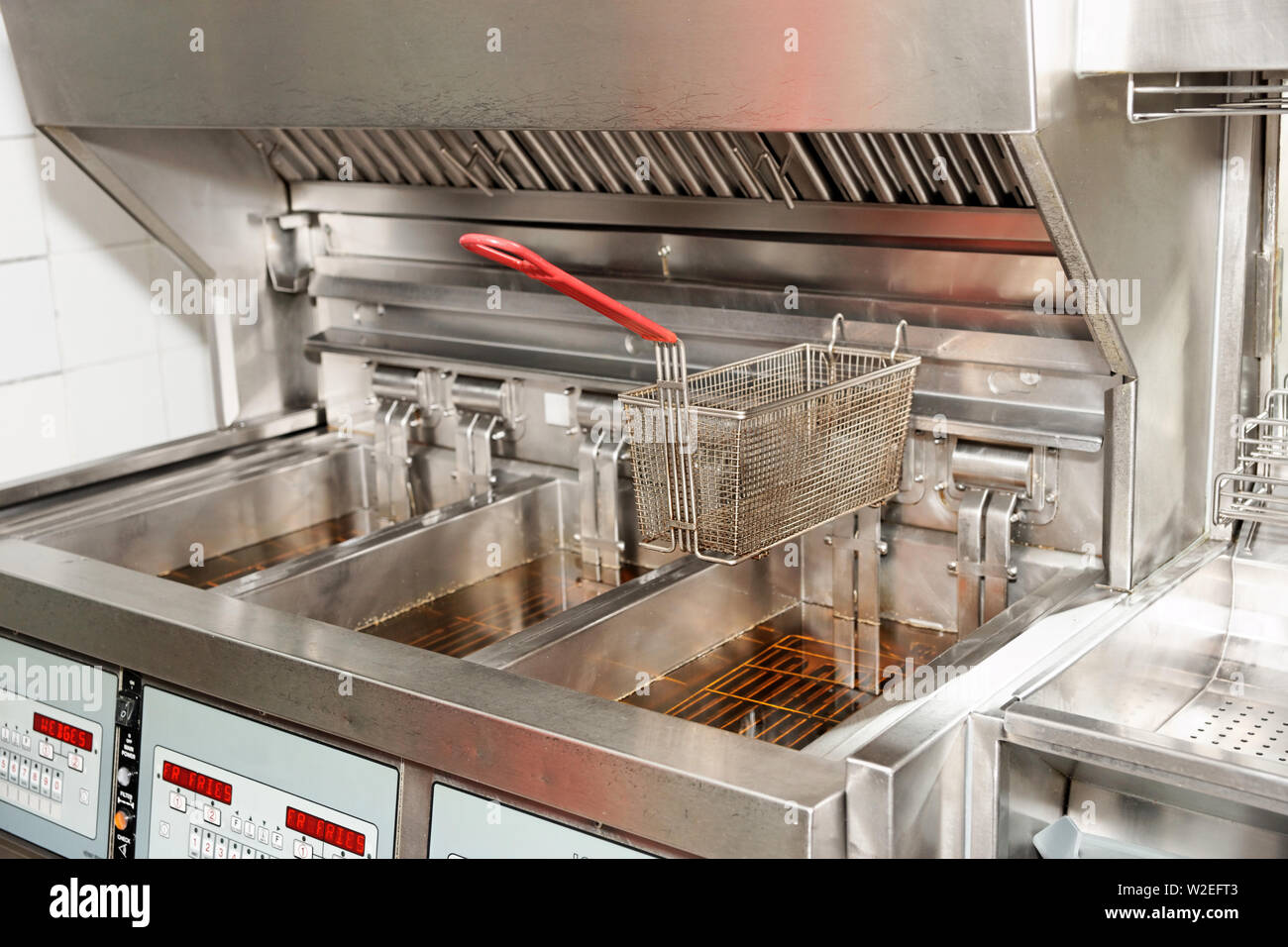
A strong restaurant program combines staff training, temperature checks, filtration, fryer cleaning, oil quality checks, and clear replacement rules. The system should be simple enough for every shift to follow.
Restaurants should also keep food safety requirements in mind. Local health rules may set specific expectations for equipment, cleaning, food handling, and oil practices. The operation should follow the rules that apply to its location.
- ✦ Set clear responsibilities
Assign staff to check temperature, filter oil, inspect the fryer, and record oil changes.
- ✦ Track oil use
Record oil additions and replacements to understand usage and spot unusual changes.
- ✦ Train every shift
The same oil care rules should apply during opening, peak service, and closing.
- ✦ Use equipment correctly
Follow the fryer maker’s procedures for filtration, cleaning, draining, and maintenance.
- ✦ Review food quality
Taste, color, texture, and frying performance can help staff identify changes in oil condition.
Why Oil Management Can Reduce Waste
Replacing oil too early can create avoidable waste and cost. Replacing it too late can hurt food quality and may create other safety or operational concerns. A measured program aims for the useful middle ground.
Good Deep Fryer Oil Management can also reveal process problems. If one fryer uses oil much faster than another, staff can check temperature settings, food loads, filtration, fryer cleanliness, and menu use.
Deep Fryer Oil Safety: What to Avoid
Hot oil can cause severe burns and fires. Oil management must therefore include safe handling, not just food quality. Always follow the fryer manufacturer’s safety instructions and your workplace procedures.
Never add water to hot oil. Do not move a fryer filled with hot oil. Keep the fryer on a stable surface, keep handles and cords clear, and keep suitable fire safety equipment available where required.
If cooking oil catches fire, do not use water. Turn off the heat if it is safe to do so and follow the fryer and fire safety procedures for the equipment. If a fire cannot be controlled safely, leave the area and call emergency services.
- ✦ Never use water on an oil fire
Water can cause burning oil to spread rapidly and can turn a small fire into a major hazard.
- ✦ Do not overfill the fryer
Use the fill marks or instructions supplied with the fryer.
- ✦ Avoid wet utensils
Water and hot oil can react violently, so keep utensils and nearby surfaces dry.
- ✦ Protect against splashes
Use suitable tools and protective equipment when handling hot oil.
- ✦ Keep children away
Home fryers should be placed where children and pets cannot reach or pull them down.
What to Do if Fryer Oil Starts Smoking
If oil begins smoking, stop and check the heat setting. Turn down or turn off the heat if it is safe to do so. Do not keep adding food to smoking oil.
Once the situation is safe, inspect the oil and fryer. Oil that repeatedly smokes at the correct cooking temperature may need to be replaced, and a faulty thermostat or other equipment problem may need attention.
How to Dispose of Used Fryer Oil
Used cooking oil should not normally go down a household sink or drain. It can cool inside pipes and create blockages. In commercial kitchens, large amounts of used oil are often collected for recycling or disposal by a suitable service.
For home use, let oil cool safely, place it in a suitable sealed container, and check local waste rules for cooking oil. Some communities offer household cooking oil recycling or collection programs.
Never pour hot oil into a plastic container that can melt or into an unsuitable trash bag. The container must be safe for the cooled oil and secure enough to prevent leaks.
- ✦ Do not pour oil down drains
Oil can cause plumbing problems and can enter wastewater systems.
- ✦ Cool before handling
Always allow used oil to cool to a safe handling temperature.
- ✦ Use a secure container
Choose a suitable container that will not leak during storage or transport.
- ✦ Check local options
Local recycling centers, waste programs, and used-oil collectors may accept cooking oil.
A Simple Deep Fryer Oil Management Routine
The best oil program is one that people can follow every day. You do not need a complex process for a home fryer. For a commercial kitchen, the routine can be expanded with written logs and oil quality testing.
Before frying, check the fryer, oil level, and temperature. During cooking, remove food particles and avoid excessive heat. After cooking, filter reusable oil when it is safe to do so, clean the fryer as directed, and inspect the oil before its next use.
Use the same routine every time. Consistency makes it easier to protect food quality and spot problems early.
- ✦ Before frying
Check the oil level, fryer condition, temperature setting, and cleanliness.
- ✦ During frying
Control temperature, avoid overloading, and remove visible food debris.
- ✦ After frying
Filter reusable oil safely and follow the fryer cleaning procedure.
- ✦ Before reuse
Check the oil’s smell, appearance, foam, and cooking performance.
- ✦ When quality drops
Replace the oil instead of trying to restore badly degraded oil by adding fresh oil.
A Practical Oil Log
A simple oil log can include the date, fryer, oil type, foods cooked, filtration time, test result if used, and replacement date. This is especially useful in restaurants with several shifts.
Over time, the log can show which foods or service periods place the most stress on the oil. That information can help managers adjust filtration, temperature control, or replacement practices.
- ✦ Date and time
Record when the oil was added, filtered, tested, or changed.
- ✦ Fryer and oil type
Identify the fryer and oil so records remain clear.
- ✦ Oil quality result
Record test readings when the operation uses an oil quality test.
- ✦ Staff initials
A simple sign-off shows who completed the check.