Rice Cooker Cleaning & Cooking Problems: Complete Troubleshooting and Care Guide
Rice cookers look simple, but small care mistakes can cause many Rice Cooker Cleaning & Cooking Problems. A dirty lid can trap smells. A blocked steam vent can affect cooking. Even a thin layer of dry rice under the inner pot can change how the cooker senses heat.
For many U.S. homes, a rice cooker is a regular weeknight tool. It can cook white rice, brown rice, mixed grains, and more with little work. The best way to keep it reliable is to treat cleaning and cooking as two parts of the same routine.
In practice, the first step is often simple: let the cooker cool, wash the parts that touch food, wipe the base, and check the steam path. Then look at the rice and water. This approach can solve many Rice Cooker Cleaning & Cooking Problems before they become bigger issues.
How to Clean a Rice Cooker the Right Way
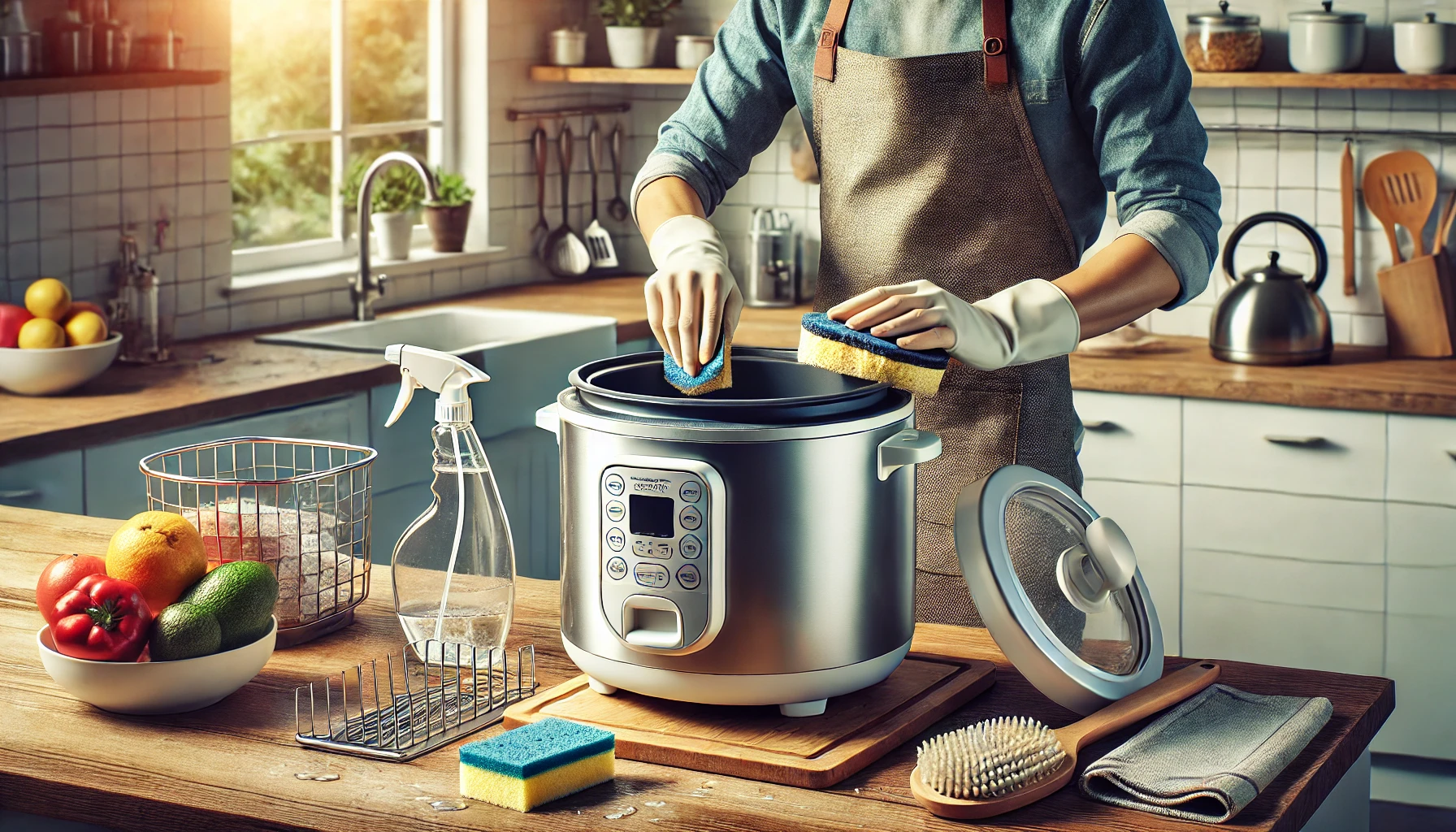
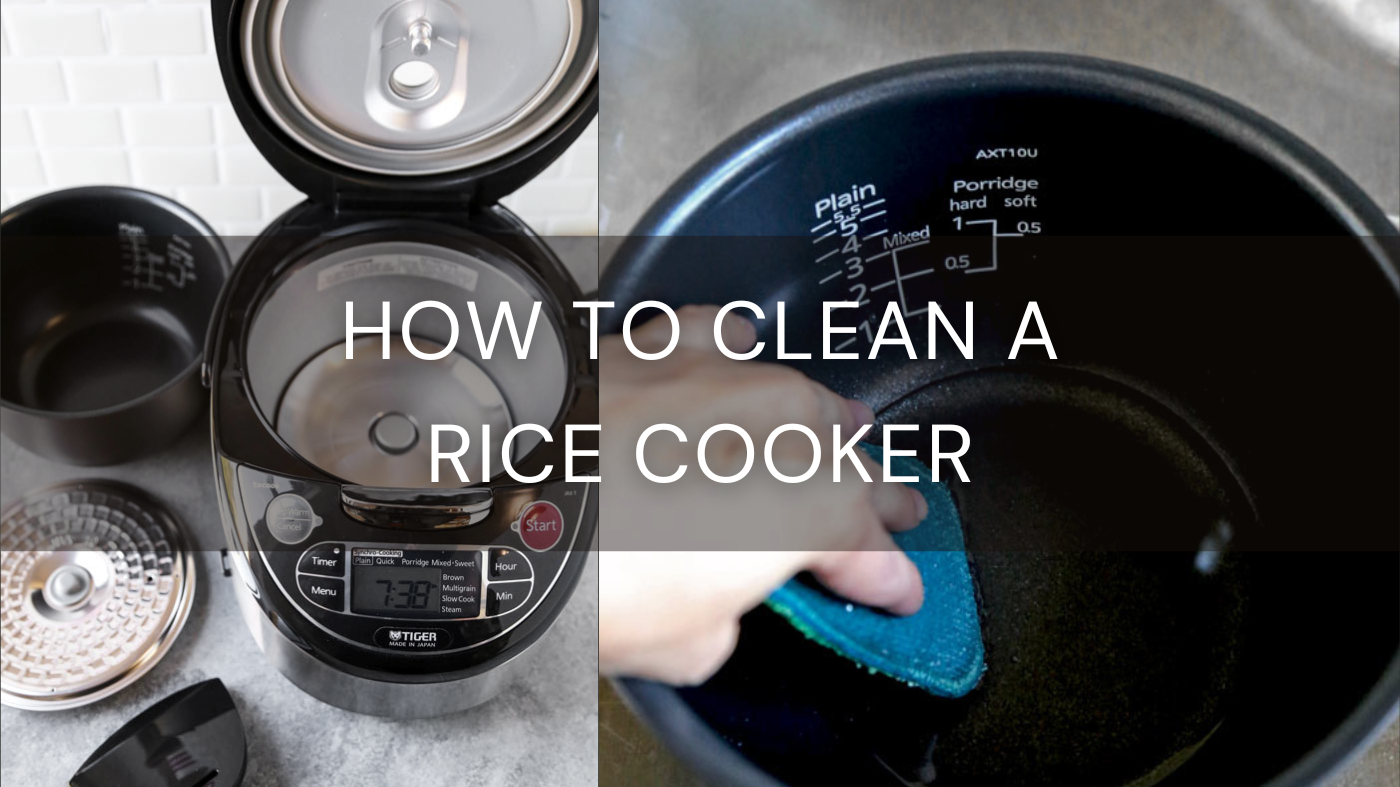
Good cleaning is the first defense against Rice Cooker Cleaning & Cooking Problems. Rice starch can dry on the inner pot, lid, steam vent, and rim. If you leave it there, it can become hard to remove and may create odors.
Always unplug the cooker before cleaning. Let it cool first. Remove the inner pot, lid parts, steam cap, and condensation collector if your model has removable parts. Follow the maker’s manual because parts and cleaning rules vary by model.
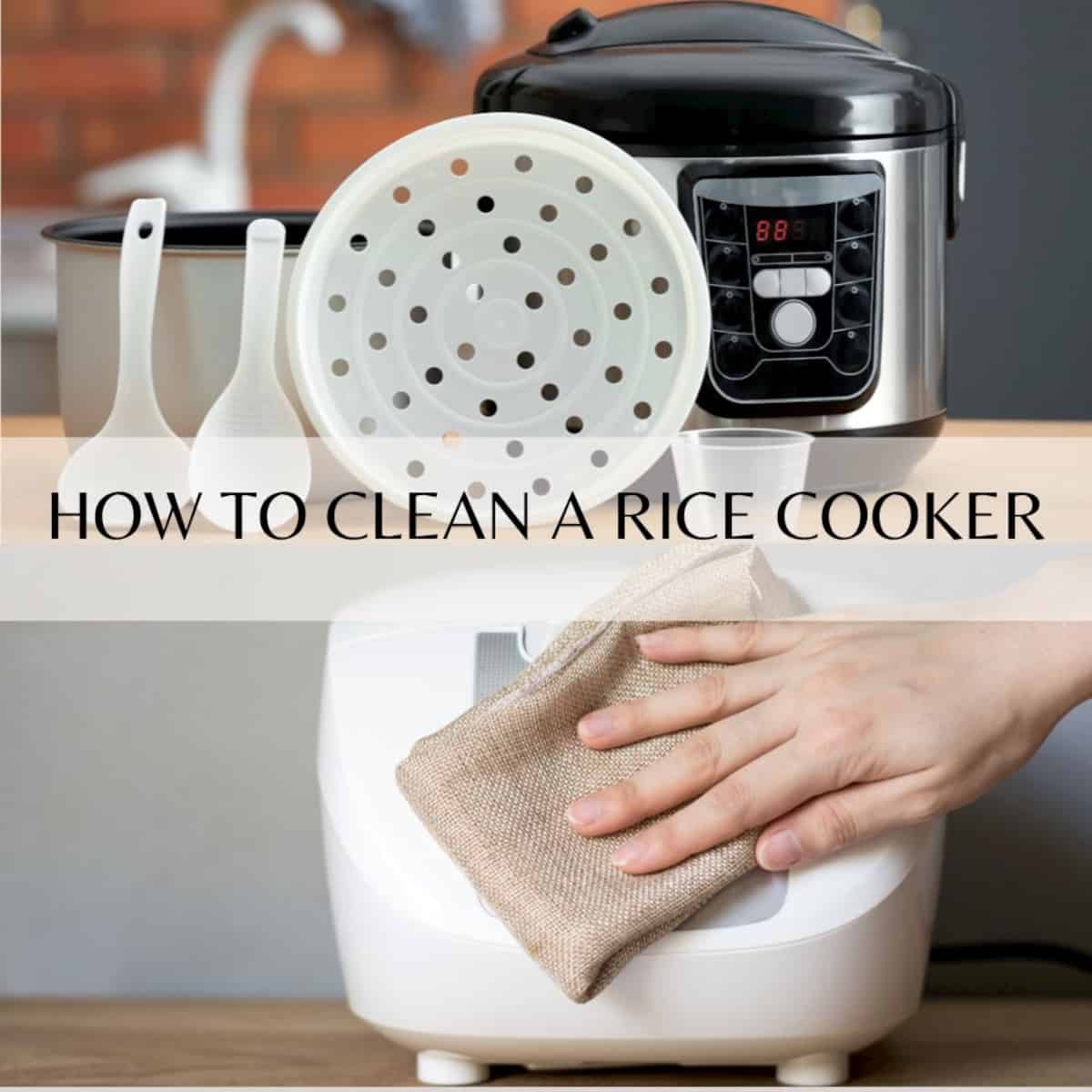
Use warm water and mild dish soap for washable parts. A soft sponge works well for most rice residue. Avoid rough scrubbers on nonstick pots because scratches can damage the coating and make rice stick more often.
- ✦ Clean after each use
Wash the inner pot and food-contact parts after each cooking cycle. This keeps starch and food residue from drying hard.
- ✦ Wipe the cooking base
Use a damp cloth to wipe the outside and inside rim of the base. Never pour water into the electrical housing.
- ✦ Dry every part
Dry washable parts before putting them back. Moisture left in closed spaces can cause odors and may encourage mold growth.
- ✦ Check the steam path
Remove buildup from the steam vent and cap. A clear steam path helps the cooker release steam as designed.
How to Clean the Inner Pot
Let the pot cool before washing it. If rice has stuck to the bottom, soak the pot in warm water for a short time. The softened starch should lift more easily without hard scrubbing.
Do not use metal tools to scrape the pot. A wooden or silicone utensil is safer for loosening stubborn rice. If the nonstick surface is badly scratched or peeling, replace the pot rather than trying to restore the coating.
- ✦ For stuck rice
Soak the pot with warm water, then use a soft sponge to remove the softened rice.
- ✦ For oily residue
Use a small amount of mild dish soap and rinse well so no soap film remains.
How to Clean the Lid and Steam Vent
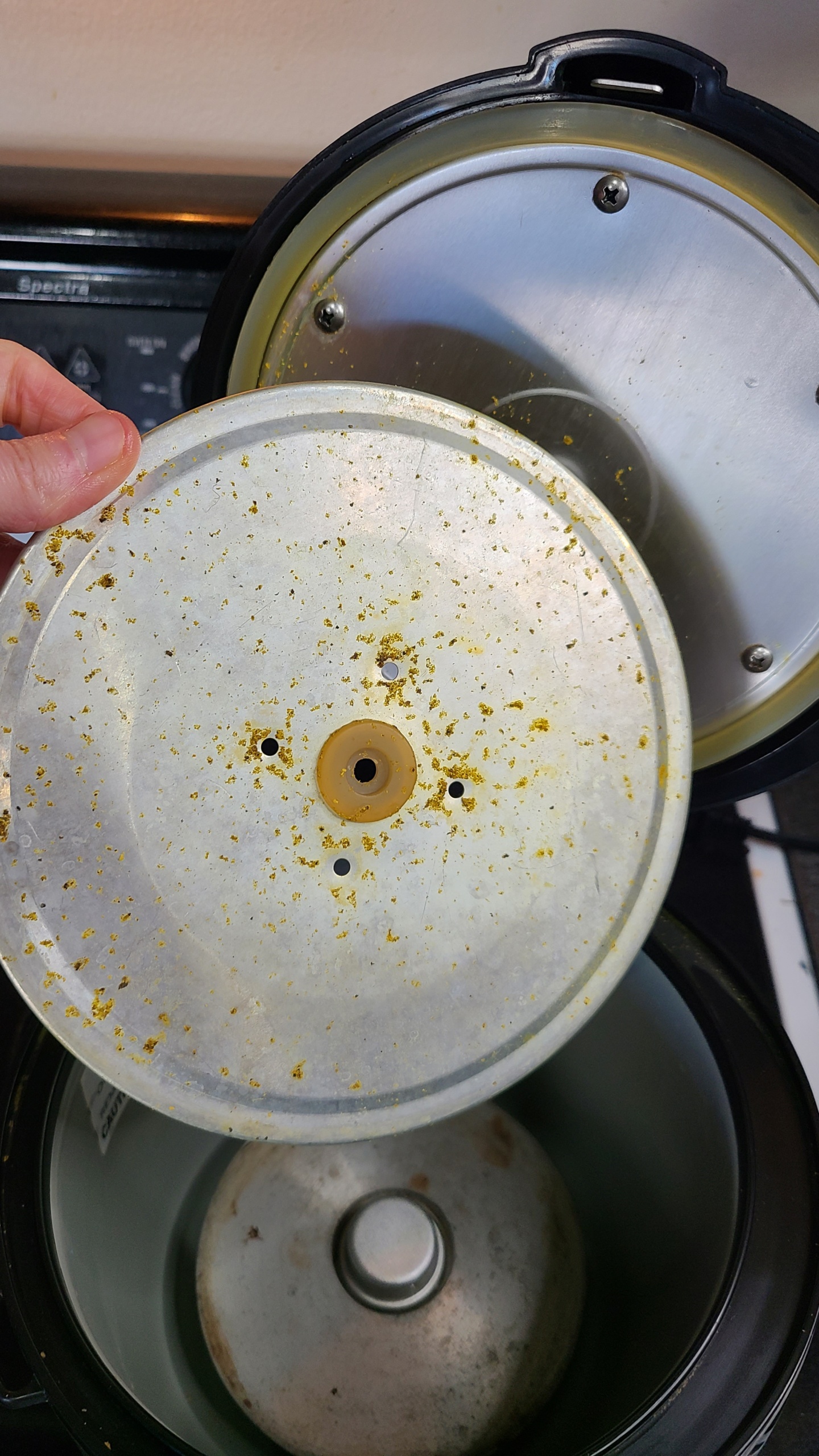
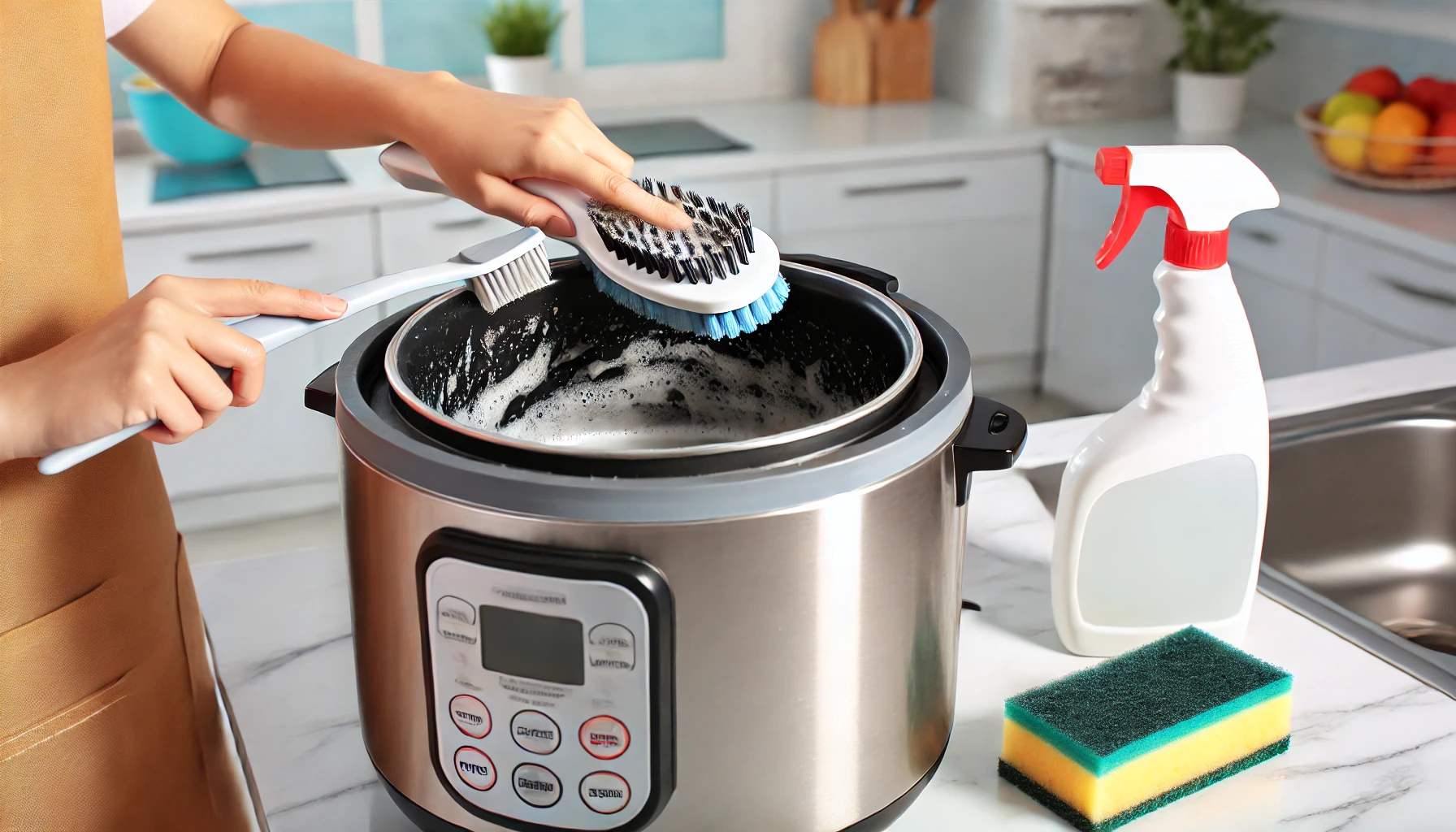
The lid often collects starch, steam, and tiny food particles. If the lid or steam vent comes apart, clean each removable piece as directed by the manufacturer. A clean vent is important because trapped residue can affect steam release.
Pay close attention to seals and small openings. Do not poke a vent with a sharp object if the manual does not allow it. A damaged seal or valve can affect the cooker and may require a replacement part.
- ✦ Inspect the gasket
Look for cracks, hard spots, or loose areas. Replace a damaged gasket when the manufacturer provides a replacement.
- ✦ Clean small parts
Wash removable steam caps and collectors with warm soapy water, then rinse and dry them fully.
Common Rice Cooker Cleaning Problems and Their Causes
Some Rice Cooker Cleaning & Cooking Problems start with residue rather than a cooking error. A dirty lid may hold old food smells. Starch around the steam vent may make cleaning harder. Food left in the pot for too long can also create a strong smell.
Cleaning problems can also hide mechanical issues. If the inner pot no longer sits flat, the cooker may not sense heat in the same way. If the heating plate has dried rice under it, the pot may not make proper contact with the plate.
A simple cleaning check can tell you a lot. Look at the pot, heating plate, lid, gasket, steam vent, condensation collector, and power cord. Clean what the manual allows you to clean, then test the cooker with a small batch of plain rice.
- ✦ Rice stuck under the pot
Remove the inner pot and check the heating plate. Let the cooker cool, then wipe loose rice away with a dry or slightly damp cloth.
- ✦ Bad smell
Wash the lid, gasket, steam vent, and condensation collector. Old starch and food oils can hold odors.
- ✦ Mold or mildew
Stop using the cooker until removable parts are cleaned and dried well. Replace parts that stay damp, smell musty, or cannot be cleaned properly.
- ✦ Sticky film
Starch can leave a thin film on the pot and lid. Warm water and mild soap usually remove it without harsh scrubbing.
Why a Rice Cooker Can Smell Bad
A rice cooker can smell bad when rice residue stays in hidden areas. The lid, gasket, steam vent, and condensation collector are common places to check. Cooked rice should also not sit in the cooker longer than the manufacturer’s guidance.
If the smell remains after cleaning, inspect the gasket and other removable parts. A part that has absorbed strong food odors may need replacement.
- ✦ Clean hidden areas
Check under removable lids, around seals, and inside steam parts where starch can collect.
- ✦ Do not mask the smell
Avoid using strong cleaners or fragrances to cover an odor. Find and remove the residue instead.
Why Mold Can Appear
Mold can grow when food residue and moisture stay trapped in a warm, closed space. Leaving a wet lid closed after cleaning can make the problem worse.
Wash and dry removable parts fully. If mold has reached a part that cannot be cleaned safely or has damaged the material, replace that part according to the manufacturer’s guidance.
- ✦ Air out parts
Let washed parts dry fully before closing the cooker or storing it.
- ✦ Clean spills quickly
Do not let cooked food or liquid sit around the rim, lid, or steam area.
Why Rice Comes Out Hard, Mushy, Sticky, or Burned
Cooking results are one of the most common parts of Rice Cooker Cleaning & Cooking Problems. Hard rice often points to too little water, while mushy rice can result from too much water. But the rice type, measuring method, batch size, and cooker design also matter.
Start with the rice package and your cooker’s manual. Different rice types need different amounts of water. A rice-cooker cup may also hold a different amount than a standard U.S. measuring cup, so use the cup supplied with the cooker when the manual tells you to.
Burned rice needs a closer look. A thin browned layer can happen with some settings or recipes, but repeated burning may point to too little water, too much cooking time, a dirty heating plate, or a sensor problem.
:max_bytes(150000):strip_icc()/how-to-clean-a-rice-cooker-6831640-06-389c82e3ac0e4dbc868ff32ea40ff6bb.jpg "How to Clean a Rice Cooker Properly")
- ✦ Rice is too hard
Check the water amount, rice type, measuring method, and whether the cooker completed its full cycle.
- ✦ Rice is too soft
Measure water carefully and avoid adding extra water without checking the rice type and cooker instructions.
- ✦ Rice is very sticky
Rinse rice when the rice package or recipe supports rinsing. Excess surface starch can make some rice types more sticky.
- ✦ Rice is burned
Check the water level and heating plate. Make sure the inner pot sits flat and the cooker uses the correct program.
Why Rice Is Still Hard After Cooking
Hard rice usually means the grains did not absorb enough water or did not cook for long enough. Check that you used the correct ratio for the specific rice. Brown rice, wild rice blends, and other grains often need different treatment from white rice.
Also check whether the lid closed properly. If steam escapes more than expected because of a loose lid, damaged gasket, or blocked component, cooking may change.
- ✦ Check the water ratio
Use the ratio given for your rice type and cooker instead of relying on one ratio for every grain.
- ✦ Check the lid
Make sure the lid closes and seals as the manufacturer intended.
Why Rice Gets Mushy
Mushy rice often comes from excess water, but rinsing and soaking can also change the amount of water the grains bring into the cooker. Follow the method recommended for the rice you use.
Do not keep adding water because the rice looks dry halfway through a normal cycle. Most rice cookers manage heat and time as part of their cooking program, so mid-cycle changes can affect the final texture.
- ✦ Measure with care
Use the same measuring tool each time and keep your method consistent.
- ✦ Match the rice setting
Use a brown-rice, white-rice, quick-cook, or other setting when your cooker provides one for that rice.
Rice Cooker Problems During or After Cooking
Not every Rice Cooker Cleaning & Cooking Problem is caused by dirty parts. Some problems appear during the cooking cycle. The cooker may stop early, stay on warm, fail to start, boil over, or produce uneven rice.
First, check the simple things. Make sure the inner pot is seated correctly, the outside of the pot is dry, the lid is closed, and the power cord is secure. Then check the selected program and the amount of rice in the pot.
If the cooker repeatedly acts the same way after basic checks, do not keep forcing it to run. A faulty temperature sensor, switch, heating system, or control board may need professional service or replacement.
- ✦ Cooker will not start
Check the outlet, plug, power cord, lid position, and inner pot position. Stop using the cooker if the cord or plug shows damage.
- ✦ Cooker stops too soon
Check the pot position, water amount, and selected program. Repeated early shutoff can point to a sensor or heating issue.
- ✦ Rice boils over
Too much water, excess starch, an overfilled pot, or a blocked steam path can cause overflow.
- ✦ Rice cooks unevenly
Check the amount of rice, water distribution, pot position, and heating plate. An uneven or damaged pot can also cause poor results.
- ✦ Warm mode dries the rice
Rice can lose moisture during extended warming. Follow the manufacturer’s guidance for how long cooked rice can stay on the warm setting.
Why a Rice Cooker Switches to Warm Too Early
Rice cookers often switch from cooking to warm when their sensor detects a change in temperature at the bottom of the pot. If the water has been absorbed or boiled away, the temperature changes and the cooker can end the cooking stage.
If this happens much earlier than normal, check the water amount and pot position first. If the issue continues with a normal batch and correct settings, the cooker may have a sensor or heating problem.
- ✦ Use a normal test batch
Test the cooker with a small, simple batch of the rice you normally cook.
- ✦ Watch for repeat failures
One unusual result may be a measuring error. Repeated early switching needs closer inspection.
Why a Rice Cooker Boils Over
Foam and starchy water can rise during cooking. This is more likely with certain rice types, large batches, or too much water. A blocked steam vent can make steam and foam management worse.
Use the maximum fill line in the manual and keep the steam path clean. If your cooker repeatedly boils over with the correct amount and setting, inspect the lid and steam system.
- ✦ Do not overfill
Stay below the cooker manufacturer’s maximum fill line for the food being prepared.
- ✦ Keep the vent clear
Clean removable steam parts as directed and make sure they are correctly installed.
How to Prevent Rice Cooker Cleaning & Cooking Problems
Prevention is easier than fixing repeated Rice Cooker Cleaning & Cooking Problems. A short cleaning routine after each use can keep the lid, pot, vent, and base in good shape. Good measuring habits also make cooking results more consistent.
Try to keep one simple routine. Rinse the rice if appropriate, measure the water with the same method, wipe the outside of the inner pot, and check the lid after cooking. Once the cooker cools, wash the removable parts and leave them open to dry.
It also helps to learn the limits of your model. Some cookers are made for simple rice. Others support grains, porridge, steaming, slow cooking, or mixed meals. Using the right setting reduces mistakes and can make the cooker last longer.
:max_bytes(150000):strip_icc()/how-to-clean-a-rice-cooker-6831640-05-8cd48e886bd14822bb013253533246d0.jpg "How to Maintain And Clean Your Rice Cooker Properly – The Kitchen")
- ✦ Clean the inner pot after each use
Do not let cooked rice dry in the pot for long periods. Wash it soon after the cooker cools.
- ✦ Keep the base dry
Never immerse the electrical base in water. Wipe it with a suitable damp cloth and dry it before use.
- ✦ Use the right rice-to-water method
Follow your cooker’s manual and the rice package. Do not assume all rice types use the same amount of water.
- ✦ Do not use damaged parts
Replace cracked pots, damaged cords, worn seals, or broken steam components when recommended by the manufacturer.
- ✦ Store it with airflow
Keep the lid or removable parts positioned so moisture can escape after cleaning, when the model allows this.
A Simple After-Cooking Routine
After the meal, unplug the cooker and let it cool. Remove the inner pot and wash it with warm water and mild dish soap. Then clean any removable lid or steam parts that the manual says are washable.
Wipe the heating plate and surrounding rim if you see crumbs, rice, or moisture. Make sure the base is dry before you use the cooker again. This small routine can prevent many Rice Cooker Cleaning & Cooking Problems.
- ✦ Step 1
Unplug the cooker and allow it to cool.
- ✦ Step 2
Remove and wash the inner pot and approved removable parts.
- ✦ Step 3
Wipe the cooking base and heating area without soaking the electrical housing.
- ✦ Step 4
Dry the parts fully before storage or the next use.
When You Should Replace a Part or the Cooker
Cleaning cannot fix every Rice Cooker Cleaning & Cooking Problem. A scratched nonstick pot, cracked lid, damaged power cord, failed switch, or faulty temperature sensor can make a cooker unsafe or unreliable.
Replace small parts when the manufacturer offers approved replacements. If the electrical base has a burning smell, visible damage, repeated power failure, or another electrical fault, stop using the cooker and follow the manufacturer’s service or replacement guidance.
- ✦ Replace the inner pot
Consider replacement when the pot is badly scratched, cracked, warped, or no longer sits correctly.
- ✦ Replace seals
Replace a damaged or worn gasket when it no longer fits or seals as designed.
- ✦ Stop using damaged electrical parts
Do not use a cooker with a damaged cord, plug, housing, or signs of electrical burning.
Rice Cooker Safety: Problems You Should Not Ignore
Most Rice Cooker Cleaning & Cooking Problems are easy to manage, but some need more care. A rice cooker contains electrical parts near heat and moisture. Basic cleaning should never put water inside the electrical base.
Unplug the cooker before cleaning. Do not operate it with a damaged power cord or plug. If you notice smoke, a burning electrical smell, sparks, melted plastic, or repeated electrical failure, stop using the appliance.
Food safety matters too. Cooked rice can support bacterial growth when it stays at unsafe temperatures for too long. Follow food-safety guidance and the rice cooker’s instructions for holding, cooling, storing, and reheating cooked rice.
:max_bytes(150000):strip_icc()/how-to-clean-a-rice-cooker-6831640-04-b7a813d6f06b4abe969fe2f96949e1f5.jpg "How to Clean a Rice Cooker Properly")
- ✦ Unplug before cleaning
Disconnect the cooker from power before removing parts or wiping the appliance.
- ✦ Keep water away from electronics
Never immerse the electrical base unless the manufacturer specifically designed it for that use.
- ✦ Watch for electrical damage
Stop using the appliance if you see sparks, smoke, melted parts, or a damaged cord or plug.
- ✦ Handle hot steam with care
Steam can cause burns. Keep your hands and face away from the steam outlet during cooking.
- ✦ Store cooked rice safely
Use the manufacturer’s holding instructions and accepted food-safety practices for cooked rice.
Can You Put a Rice Cooker Base Under Running Water?
In general, no. The electrical base contains components that should stay dry unless the manufacturer clearly states otherwise. Use a damp cloth to clean the base instead.
The inner pot and removable food-contact parts are different. Wash them only as allowed by the product instructions.
- ✦ Base
Keep the electrical base dry and wipe it with a suitable cloth.
- ✦ Inner pot
Wash the inner pot according to the manufacturer’s cleaning instructions.
When a Cooking Problem May Be an Electrical Problem
A cooker that fails once may have a simple setup issue. A cooker that repeatedly loses power, overheats, smells like burning plastic, or behaves in an unusual way should not be treated as a normal cleaning problem.
Do not open the electrical housing unless you are qualified to repair the appliance and the manufacturer permits it. For most home users, replacement or authorized service is the safer path.
- ✦ Repeated power loss
Stop repeated testing if the appliance keeps losing power or trips a circuit.
- ✦ Burning smell
Unplug the cooker and stop using it if the smell appears electrical rather than food-related.
A Practical Troubleshooting Checklist for Rice Cooker Problems
When Rice Cooker Cleaning & Cooking Problems appear, avoid changing several things at once. Start with the easiest checks. This makes it easier to find the real cause.
Use a plain batch of rice as a test. Measure the rice and water with care, clean the pot and heating plate, make sure the pot sits flat, and select the correct program. Then compare the result with the normal result for that rice.
If the same problem happens again, inspect the cooker parts. A repeated problem with correct measurements and a clean cooker may point to a worn component rather than a cooking mistake.
- ✦ Rice is hard
Check the rice type, water amount, cooking program, lid position, and cooking time.
- ✦ Rice is mushy
Check for too much water, a changed rinsing method, soaking, or an incorrect cooking program.
- ✦ Rice is burned
Check water, pot contact, heating plate cleanliness, and the selected setting.
- ✦ Rice cooker smells
Clean the lid, gasket, steam vent, condensation collector, and inner pot.
- ✦ Steam escapes from the wrong place
Check the lid, gasket, steam cap, and vent for correct installation or damage.
- ✦ Cooker does not switch correctly
Check the pot position and water amount. If the issue repeats, consider service or replacement.
The Best Order for Troubleshooting
Start with cleaning. Remove food residue and make sure the pot and steam path are clear. Next, check measurements and settings.
Then inspect the physical parts. Make sure the inner pot is not warped, the lid closes correctly, and removable steam parts are installed. If all of these checks pass and the cooker still fails, the appliance may need service.
- ✦ First
Clean the cooker and remove visible food residue.
- ✦ Second
Check rice, water, batch size, and cooking setting.
- ✦ Third
Inspect the pot, lid, vent, gasket, cord, and heating area.
- ✦ Fourth
Stop using the cooker if a serious electrical or structural fault remains.
Why the User Manual Still Matters
Rice cookers differ more than they seem. One model may have a removable inner lid, while another may use a fixed lid. One may allow a part in the dishwasher, while another may not.
For that reason, general Rice Cooker Cleaning & Cooking Problems advice should always be checked against the manual for your exact model. The manual is the best source for water lines, programs, removable parts, replacement parts, and safety limits.
- ✦ Check the model
Use the exact model number when looking for cleaning and replacement instructions.
- ✦ Follow marked fill lines
Use the fill lines and maximum capacity listed for your cooker.