Deep Fryer Oil Care & Storage: Complete Guide to Keeping Frying Oil Fresh
Deep Fryer Oil Care & Storage is one of the easiest ways to improve fried food quality and reduce waste. Many home cooks in the United States throw away oil too soon because they do not know how to clean and store it correctly.
After working with kitchen equipment and cooking practices, I have learned that small habits make a major difference. Removing crumbs, controlling heat, and keeping oil away from air can help maintain better taste, texture, and safety.
Why Deep Fryer Oil Care & Storage Matters
Good Deep Fryer Oil Care & Storage protects both your food and your cooking equipment. Old oil can create unpleasant flavors, dark colors, and poor frying results.
Fresh oil management also saves money. Instead of replacing oil after every use, many cooks can safely reuse it when they filter and store it properly.
- ✦ Better food quality
Clean oil helps food develop a crisp texture and a cleaner flavor.
- ✦ Lower kitchen costs
Proper care allows usable oil to last longer before disposal.
- ✦ Cleaner fryer operation
Removing debris reduces buildup inside the fryer.
How to Filter Deep Fryer Oil After Cooking
Filtering is a key step in Deep Fryer Oil Care & Storage. Small food particles continue cooking in hot oil and can create burnt flavors over time.
Always allow the oil to cool enough for safe handling before filtering. Use a fine mesh strainer, cheesecloth, or a dedicated oil filter system.
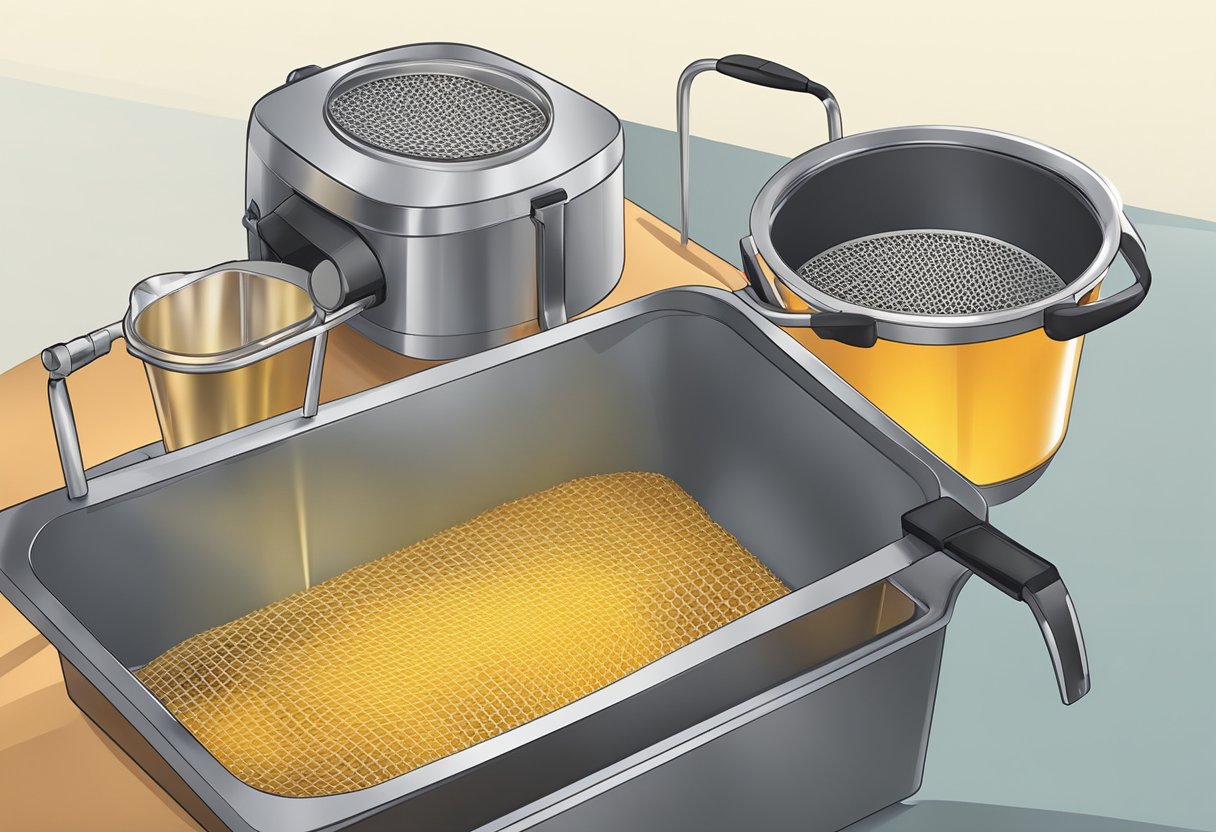
- ✦ Remove large debris first
Take out crumbs and leftover food pieces before fine filtering.
- ✦ Filter slowly
A slow process catches more particles and keeps the oil cleaner.
Best Time to Filter Frying Oil
The ideal time to filter oil is after each frying session. Regular filtering prevents old food particles from damaging oil quality.
- ✦ After every use
Recommended for home cooks who fry foods often.
Proper Storage Methods for Used Deep Fryer Oil
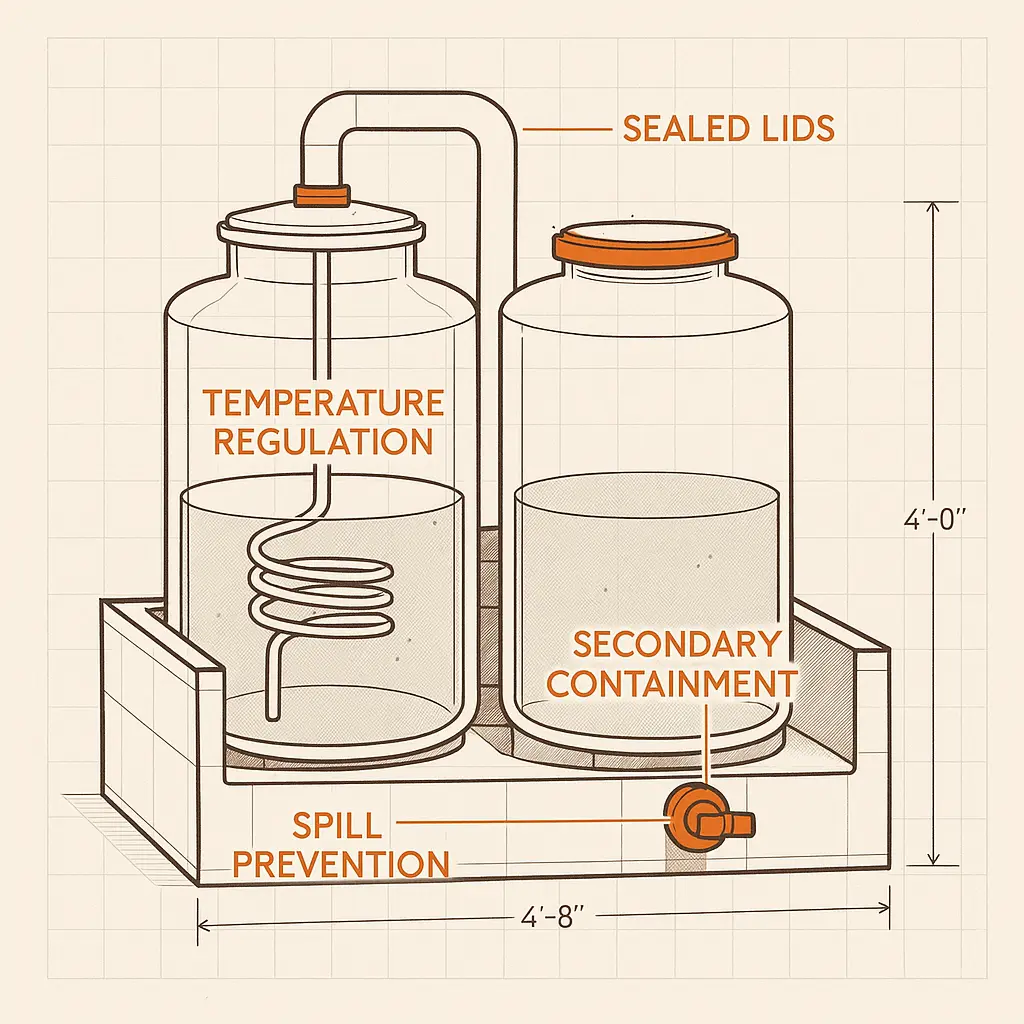
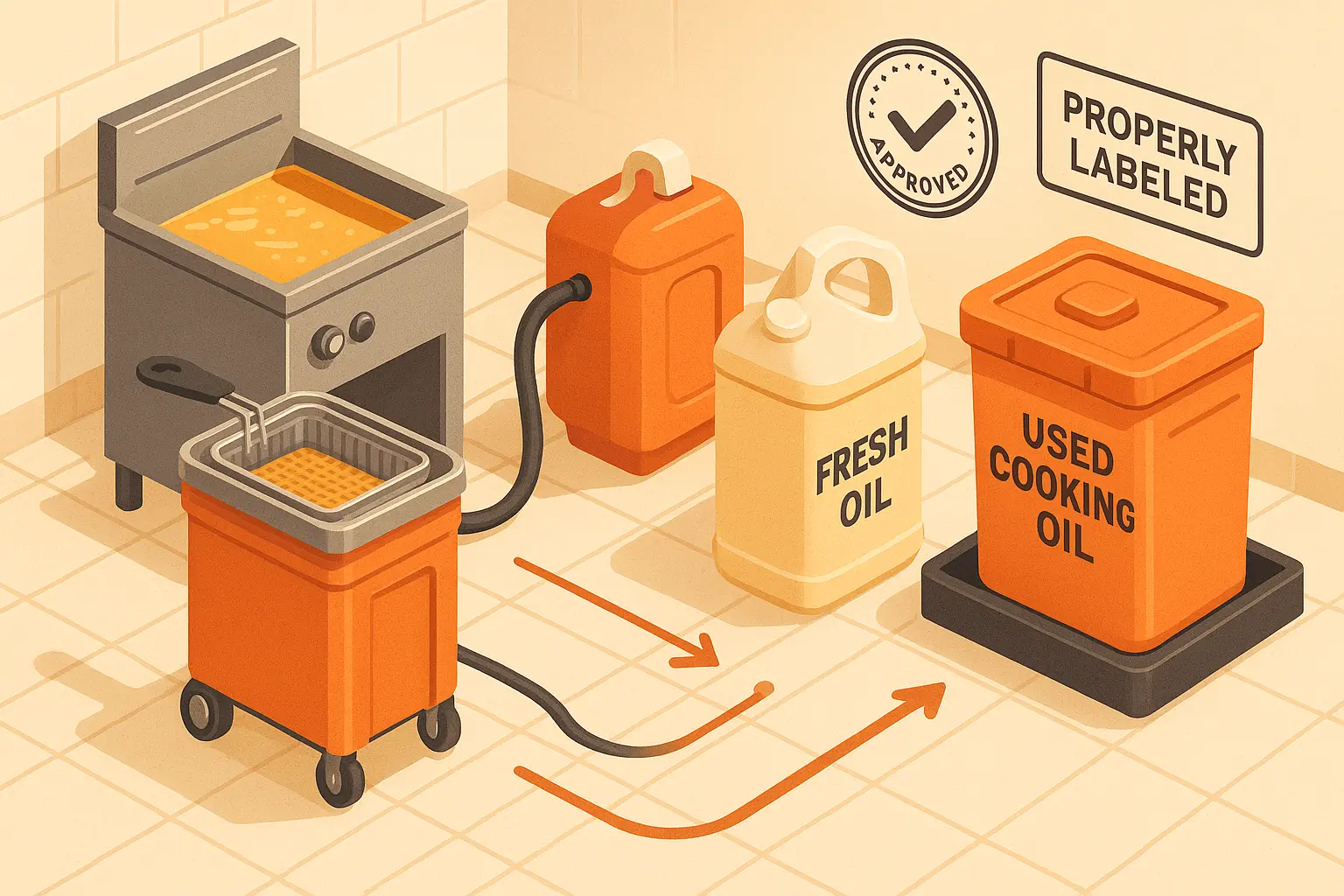
Correct storage is the foundation of Deep Fryer Oil Care & Storage. Once filtered, oil should be kept in a clean container with a tight lid.
Store used frying oil in a cool, dark place. Light, heat, and air can speed up oxidation and reduce oil quality.

- ✦ Use airtight containers
A sealed container limits exposure to oxygen and moisture.
- ✦ Label stored oil
Mark the date and type of oil to track usage.
- ✦ Avoid mixing oils
Different oils may have different flavors and heating properties.
Where Should You Store Frying Oil?
A pantry or cabinet away from the stove is usually a better choice than leaving oil near heat sources.
- ✦ Keep it cool
Lower temperatures help slow oil breakdown.
How Long Can You Reuse Deep Fryer Oil?
The lifespan of frying oil depends on the food cooked, cooking temperature, and storage method. Oil used for clean foods like fries may last longer than oil used for heavily coated foods.
There is no single reuse number that fits every situation. The best approach is to check the oil’s smell, color, and performance before each use.
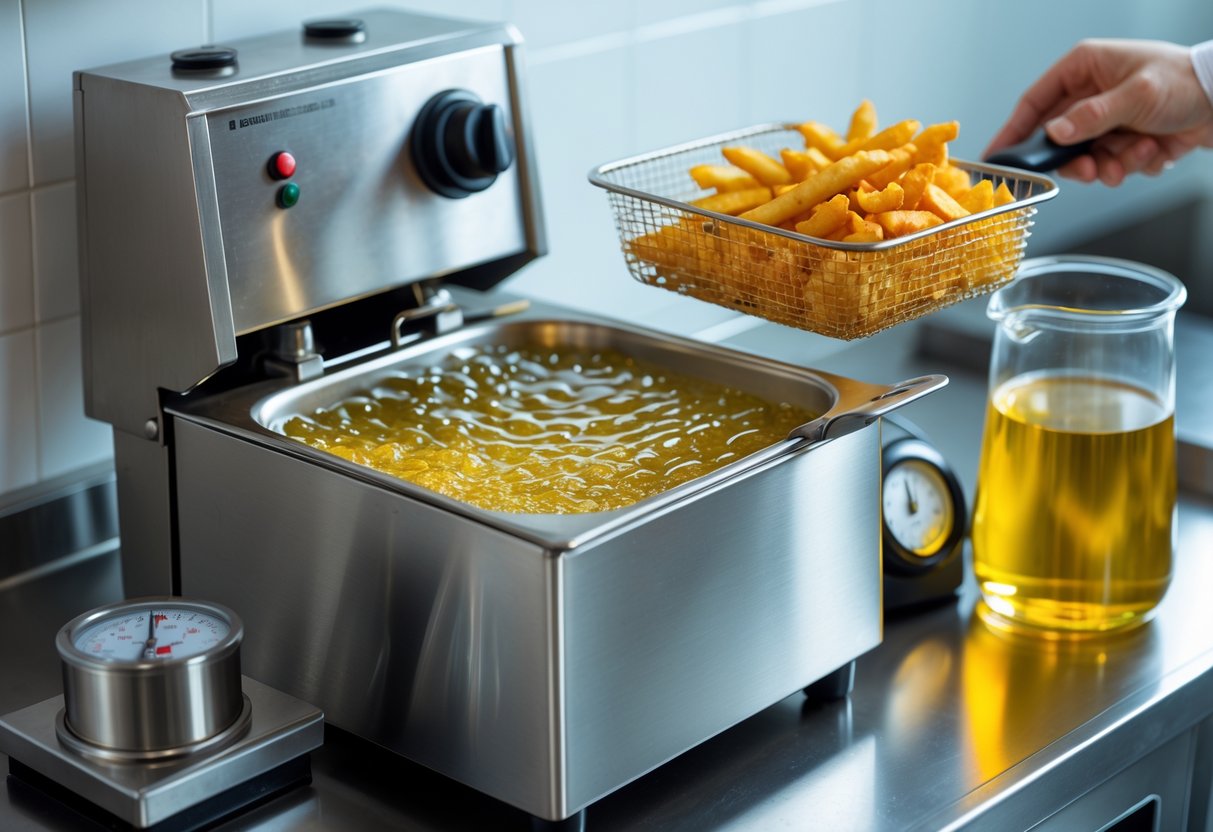
- ✦ Signs oil may be ready for replacement
Dark color, bad odor, thick texture, smoke at normal temperatures, or unusual foam are warning signs.
- ✦ Cooking temperature matters
Overheating oil causes faster breakdown and reduces usable life.
Common Deep Fryer Oil Care Mistakes to Avoid
Many oil problems come from simple mistakes. Avoiding these habits improves Deep Fryer Oil Care & Storage and keeps your fryer working better.
Professional kitchens often focus on oil management because poor oil quality affects taste, appearance, and operating costs.
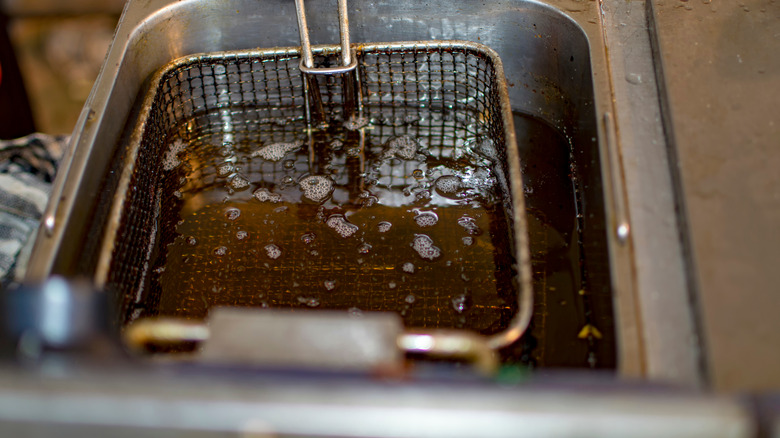
- ✦ Leaving oil uncovered
Open containers allow air and dust to reduce oil quality.
- ✦ Storing oil while hot
Hot oil can damage containers and create safety risks.
- ✦ Ignoring crumbs
Food particles burn and make oil degrade faster.
Choosing the Right Container for Frying Oil Storage
A good storage container makes Deep Fryer Oil Care & Storage easier and safer. Choose a container designed for food use that can handle oil without leaking.
Glass jars, stainless steel containers, and dedicated oil storage containers are common choices for home kitchens.

- ✦ Food-safe material
The container should not react with cooking oil.
- ✦ Secure lid
A tight seal prevents contamination.