Food Processing Nutrition & Health Effects: How Processing Changes What We Eat
Food processing is part of almost every American diet. Milk is pasteurized. Wheat is milled into flour. Vegetables are frozen or canned. Meat may be cooked, cured, or packaged. Even foods sold as fresh may have gone through some form of processing before they reach a U.S. grocery store.
The key point in understanding Food Processing Nutrition & Health Effects is that processing is not one single thing. Washing, freezing, grinding, cooking, fermenting, drying, canning, and making a ready-to-eat snack all involve different steps. Each step can change a food in a different way.
A useful professional approach is to look past the label “processed” and ask what happened to the food. Did the process remove a nutrient? Did it make a nutrient easier to absorb? Did it add sodium or sugar? Did it improve food safety or shelf life? These questions give a much clearer view of Food Processing Nutrition & Health Effects than a simple processed-versus-unprocessed rule.
For U.S. shoppers, this matters because convenience foods are common in busy workdays, school lunches, travel, and family meals. The goal is not to avoid all processing. The goal is to understand how processing changes food and use that knowledge to make practical choices.
What Is Food Processing?
Food processing means changing food after it is harvested, caught, or produced. The change may be very small, such as washing and cutting an apple, or very large, such as turning grains, oils, and additives into a packaged snack.
Processing can help control germs, slow spoilage, improve taste, change texture, or make food easier to store and use. It can also change the amount and form of certain nutrients. That is why Food Processing Nutrition & Health Effects must be judged by the process and the final food, not by the word processed alone.
A simple example is frozen vegetables. Freezing can protect many nutrients because it slows chemical changes and spoilage. In contrast, a highly refined snack may contain less fiber and more added sugar, sodium, or saturated fat than the foods used to make it.

- ✦ Minimal processing
Washing, cutting, peeling, freezing, drying, or milling may change a food while keeping much of its basic structure.
- ✦ Cooking and preservation
Heating, pasteurization, fermentation, canning, and other methods can improve safety and extend shelf life.
- ✦ Formulation
Manufacturers may combine food ingredients with oils, sugars, starches, salt, flavors, or other ingredients to create a new product.
- ✦ Ultra-processing
These foods are usually made through several industrial steps and often contain refined ingredients and additives that are less common in home kitchens.
Processed Does Not Mean Unhealthy
The word processed can sound negative, but that view is too simple. Pasteurized milk is processed to improve safety. Canned tomatoes can provide useful nutrients and may be easy to store. Frozen fruits and vegetables can help people eat more produce when fresh options are costly or less convenient.
- ✦ Look at the whole food
Ask what nutrients the food provides, what was added, and how it fits into the overall diet.
- ✦ Consider the purpose
Processing may improve safety, reduce waste, preserve nutrients, or make a food easier to use.
How Processing Changes Nutrients
One of the most important Food Processing Nutrition & Health Effects is a change in nutrient content. Heat, water, oxygen, light, milling, and storage can affect vitamins and other food compounds. The size of the change depends on the food and the method used.
Water-soluble vitamins, such as vitamin C and some B vitamins, can be sensitive to heat and water. Long cooking in a large amount of water may cause some of these nutrients to move into the cooking liquid. Shorter cooking methods may reduce this loss.
Processing can also increase the availability of some nutrients. Cooking tomatoes, for example, can change the structure of plant tissue and affect the availability of certain compounds. Crushing, grinding, and cooking can also make some nutrients easier for the body to access.
Minerals are generally more stable than many vitamins during cooking, but they can still be lost when food is trimmed, soaked, or cooked in water that is later discarded. Milling can also change the nutrient profile of grains by removing parts of the grain.

- ✦ Heat
High or prolonged heat can reduce some heat-sensitive vitamins, although it can also improve food safety and nutrient availability.
- ✦ Water
Boiling can move some water-soluble vitamins into the cooking water.
- ✦ Milling
Refining grains can remove parts of the grain that contain fiber, vitamins, minerals, and other plant compounds.
- ✦ Freezing
Freezing can preserve food for long periods and may retain many nutrients when handled and stored well.
- ✦ Fortification
Some processed foods have nutrients added to them to improve their nutritional value or replace nutrients lost during processing.
Nutrient Loss Is Not the Whole Story
It is easy to focus only on nutrient loss, but food processing can also create benefits. Cooking can make some foods safer and easier to digest. Processing can also reduce natural compounds that interfere with nutrient absorption in certain foods. The final effect depends on the food, the process, and the rest of the meal.
- ✦ Bioavailability
This means how much of a nutrient the body can absorb and use. A food may contain a nutrient but not make all of it available to the body.
- ✦ Fortification
Added vitamins or minerals can raise the nutritional value of foods such as some grain products and dairy alternatives.
Food Processing and Ultra-Processed Foods
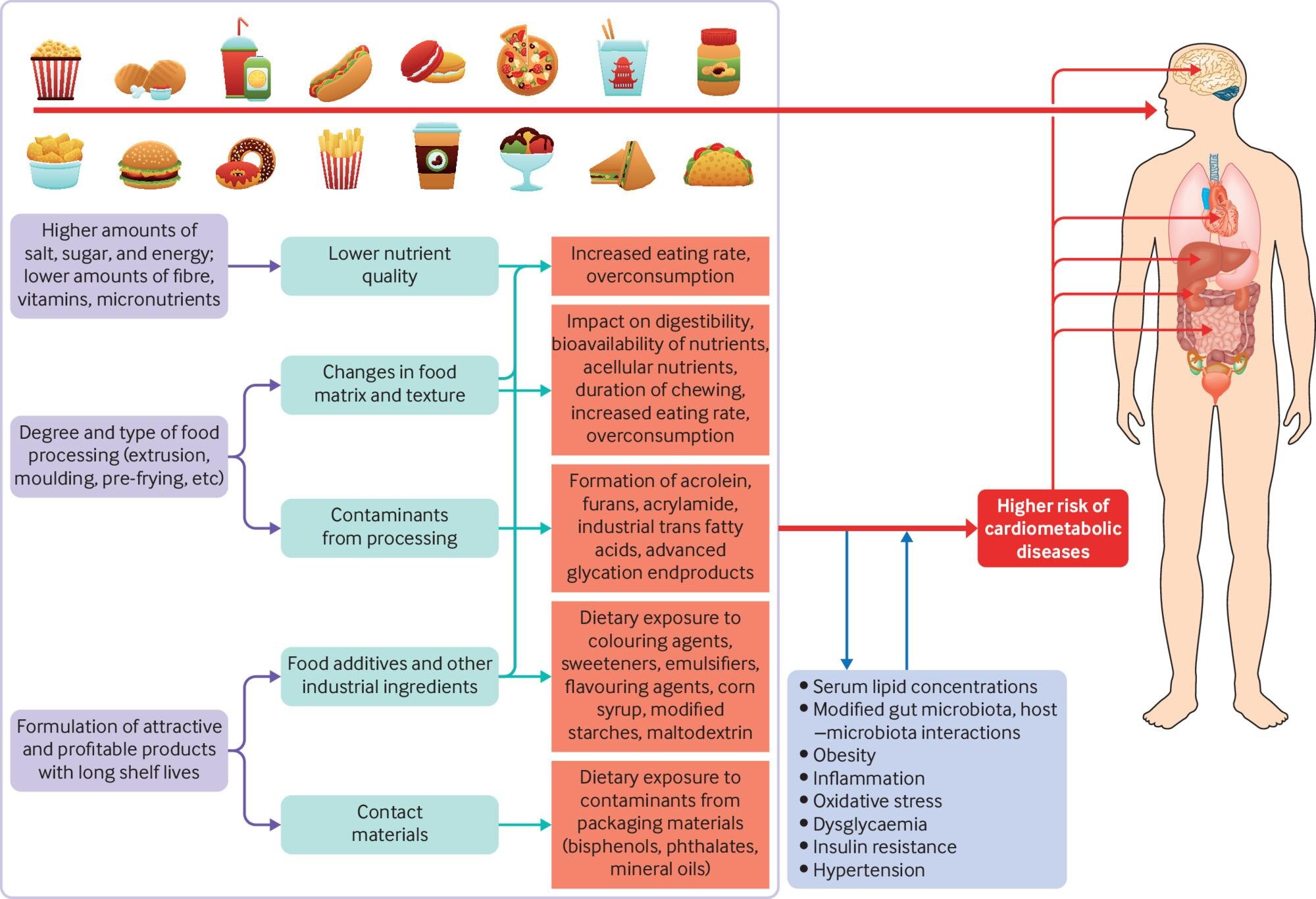
Ultra-processed foods are a major part of the modern discussion about Food Processing Nutrition & Health Effects. These products often contain several industrial ingredients and are designed to be convenient, shelf-stable, highly palatable, or ready to eat.
Examples can include some packaged snack foods, sugary drinks, many candy products, some ready-to-eat meals, and certain highly formulated breakfast products. But classification can be complex, so a food should not be judged only by whether it comes in a package.
Many ultra-processed foods are high in calories and low in fiber. Some also contain substantial amounts of added sugar, sodium, or saturated fat. When these foods take the place of vegetables, fruits, whole grains, beans, nuts, and other nutrient-rich foods, overall diet quality can suffer.
Research has linked higher intake of ultra-processed foods with several poor health outcomes. These studies are important, but many are observational, which means they can show an association without proving that processing alone caused the outcome. Diet pattern, activity, income, sleep, smoking, and other factors can also matter.

- ✦ Added sugar
Frequent intake of foods and drinks high in added sugar can make it harder to manage total calorie intake and support good dental health.
- ✦ Sodium
Many packaged foods contain added sodium. High sodium intake can be a concern for people who need to manage blood pressure.
- ✦ Low fiber
Refined foods may contain less fiber than intact whole foods, which can affect fullness and digestive health.
- ✦ High energy density
Some highly processed foods provide many calories in a small amount, which can make portions easy to overshoot.
Why Ultra-Processed Foods Can Be Easy to Overeat
Texture, taste, convenience, and speed can all affect eating behavior. Foods that are soft, highly palatable, and ready to eat may be consumed quickly. A practical lesson from Food Processing Nutrition & Health Effects is to consider not just nutrients per serving, but also how a food affects hunger, fullness, and eating habits.
- ✦ Convenience
Ready-to-eat foods save time and may be useful, but convenience can also make frequent snacking easier.
- ✦ Palatability
Strong combinations of sweet, salty, fatty, and savory flavors can make some products especially appealing.
Potential Health Benefits of Food Processing
Food processing has clear benefits when the process improves safety, storage, access, or nutrition. Pasteurization is a major example. Heat treatment can reduce harmful microorganisms in foods such as milk and some juices, helping lower the risk of foodborne illness.
Preservation also matters in the real world. Canning, freezing, drying, and other methods can reduce spoilage and food waste. For a U.S. household, a bag of frozen vegetables or a can of beans can be a practical way to keep nutritious food available for weeks or months.
Some processed foods are also fortified. Enrichment and fortification can add back or increase certain nutrients in foods such as grain products. This shows why Food Processing Nutrition & Health Effects cannot be reduced to the idea that fresh is always better.
Processing may also make certain foods easier to digest or use. Cooking softens plant tissues and changes proteins and starches. Fermentation can change flavor and texture while producing foods such as yogurt and other cultured products.
- ✦ Food safety
Pasteurization and proper cooking can reduce harmful microorganisms.
- ✦ Longer shelf life
Freezing, drying, canning, and other preservation methods help food last longer.
- ✦ Less food waste
Preserved foods can remain usable after fresh foods would have spoiled.
- ✦ Convenience
Frozen, canned, and ready-to-cook foods can make healthy meals easier during busy weeks.
- ✦ Fortification
Added nutrients can help improve the nutrient content of some foods.
Healthy Processed Foods Can Fit a Balanced Diet
A healthy diet can include processed foods. Plain frozen vegetables, canned beans with little added sodium, plain yogurt, canned fish, nut butters, whole-grain breads, and pasteurized dairy products can all provide useful nutrients. The best choice depends on the product and the person’s needs.
- ✦ Check the ingredient list
Look for foods where useful ingredients are easy to identify and added sugar or sodium is not excessive.
- ✦ Check the Nutrition Facts label
Compare serving size, calories, fiber, sodium, added sugars, saturated fat, and key nutrients.
Potential Health Concerns and Long-Term Effects
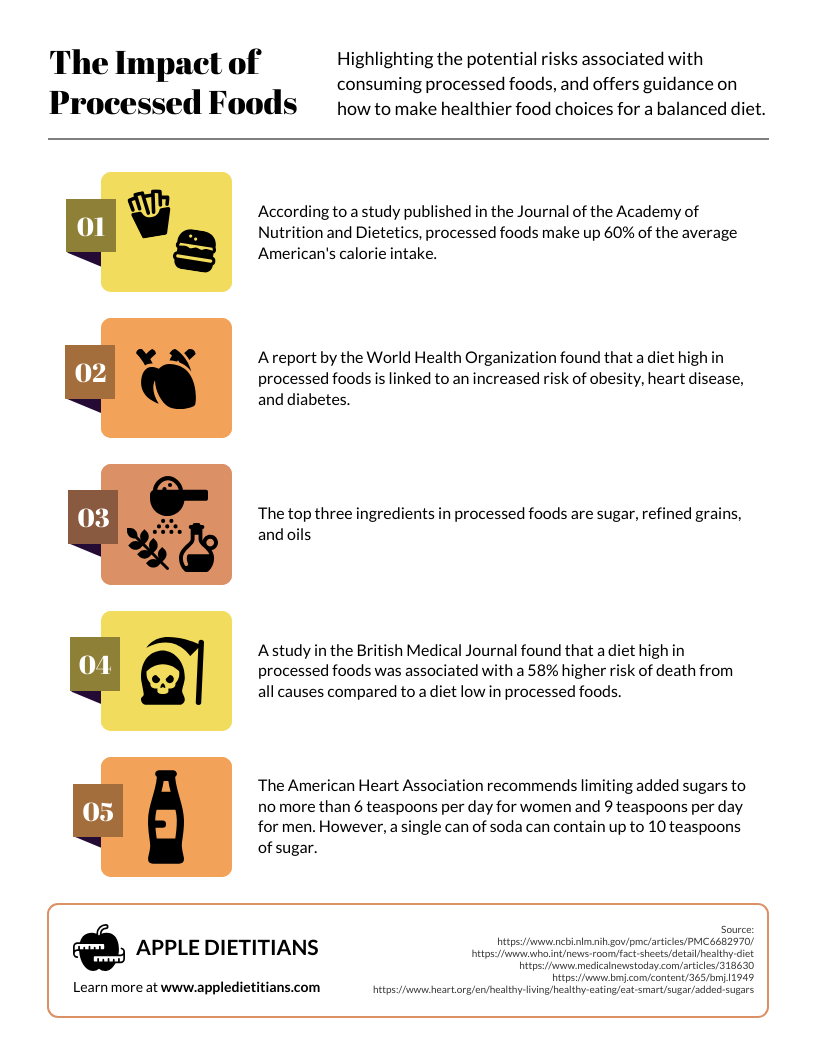
The health risks linked with processed foods depend heavily on the type and amount consumed. A diet built mostly around highly refined, calorie-dense foods may provide too much sodium, added sugar, or saturated fat while providing too little fiber and some vitamins and minerals.
Long-term diet patterns matter more than one meal. Eating a packaged snack once does not define health. The concern grows when highly processed foods regularly replace foods that provide fiber, protein, vitamins, minerals, and beneficial plant compounds.
Food Processing Nutrition & Health Effects also involve the broader eating environment. Large portions, frequent snacking, sweet drinks, and easy access to ready-to-eat foods can affect total intake. People may also eat quickly when meals require little preparation.
Researchers continue to study how processing itself may affect health beyond standard nutrients. Possible factors include food structure, eating speed, energy density, additives, and changes in the gut environment. Some findings are promising but remain an active area of research, so strong claims should be treated with care.
- ✦ Weight management
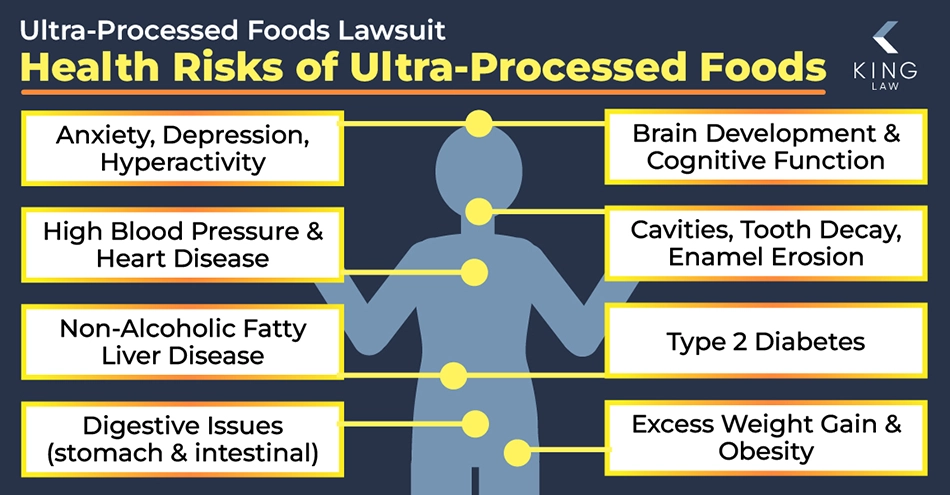
Frequent intake of energy-dense foods may make it harder for some people to manage calorie intake.
- ✦ Heart health
A diet high in sodium, saturated fat, and added sugar can be a concern for cardiovascular health.
- ✦ Blood sugar control
Foods rich in refined carbohydrates and added sugars can have a larger effect on blood glucose than many high-fiber whole foods.
- ✦ Digestive health
Low-fiber diets can reduce fiber intake that supports normal bowel function and a healthy gut environment.
- ✦ Dental health
Frequent exposure to added sugars can raise the risk of tooth decay.
Food Processing Is Only One Part of the Picture
Health outcomes rarely come from one food or one processing step. Genetics, physical activity, sleep, stress, smoking, alcohol use, medical conditions, income, and the overall diet all play roles. This is why Food Processing Nutrition & Health Effects should be viewed as part of a larger health picture.
- ✦ Diet pattern
The balance of fruits, vegetables, whole grains, protein foods, dairy or alternatives, fats, and packaged foods matters.
- ✦ Frequency
Occasional intake has a different role from eating a food several times every day.
- ✦ Portion size
The amount eaten can matter as much as the food category.
How to Make Healthier Choices With Processed Foods
You do not need to remove every packaged food from your kitchen. A more useful strategy is to compare products and build meals around foods that provide fiber, protein, vitamins, minerals, and other useful nutrients.
Start with the Nutrition Facts label. Serving size can be easy to overlook, especially when one package contains several servings. Then check added sugars, sodium, saturated fat, fiber, protein, and calories.
Ingredients also matter. Ingredients are listed by weight, so items near the start of the list make up more of the product. A short ingredient list can be helpful, but a long list does not automatically mean a food is unhealthy. Food Processing Nutrition & Health Effects depend on the full product and the role it plays in your diet.
For busy U.S. households, small changes often work better than strict rules. Keep frozen vegetables, canned beans, plain yogurt, whole-grain foods, nuts, eggs, and other useful staples available. These foods can make quick meals easier without relying on highly refined convenience foods for every meal.

- ✦ Choose more fiber
Favor whole grains, beans, vegetables, fruits, nuts, and seeds when possible.
- ✦ Limit added sugar
Compare products and choose options with less added sugar when similar foods are available.
- ✦ Watch sodium
Compare labels and choose lower-sodium versions of soups, sauces, canned foods, and other packaged products when practical.
- ✦ Keep useful convenience foods
Frozen vegetables, canned beans, canned fish, and other minimally processed foods can save time while supporting good nutrition.
- ✦ Build balanced meals
Pair processed foods with vegetables, fruits, whole grains, and protein sources to improve the overall meal.
- ✦ Focus on the pattern
Judge your usual diet rather than worrying about one packaged food or one meal.
A Simple Grocery Store Check
When comparing two similar products, start with the serving size. Next, compare protein, fiber, added sugar, sodium, saturated fat, and calories. If one product offers more fiber and protein with less added sugar or sodium, it may fit your needs better, depending on the rest of your diet.
- ✦ Step 1
Compare the serving sizes.
- ✦ Step 2
Check fiber and protein.
- ✦ Step 3
Check added sugar, sodium, and saturated fat.
- ✦ Step 4
Read the ingredient list and consider how the food fits the meal.
Cooking Methods That Preserve Nutrition
At home, cooking method can affect Food Processing Nutrition & Health Effects too. Steaming, microwaving, roasting, and quick cooking can help limit some nutrient losses compared with long boiling. Using the cooking liquid in soups or sauces can also help retain nutrients that move into the water.
- ✦ Steam
Steaming can cook vegetables with little added water.
- ✦ Microwave
Microwaving can use short cooking times and small amounts of water.
- ✦ Roast
Roasting can add flavor without requiring large amounts of water.
Food Processing, Nutrition, and Health: Putting It All Together
The clearest lesson from Food Processing Nutrition & Health Effects is that processing has both benefits and costs. It can make food safer, reduce waste, improve storage, increase convenience, and sometimes improve nutrient availability. It can also remove nutrients or add ingredients that are best limited when consumed in excess.
The word processed does not tell you enough. A can of beans, a frozen bag of vegetables, a loaf of whole-grain bread, and a sugary snack are all processed foods, but they can have very different nutrient profiles and roles in a healthy diet.
A strong everyday approach is to make minimally processed and nutrient-rich foods the base of most meals. Use convenient processed foods where they help. Limit highly refined products that are high in added sugar, sodium, or saturated fat and low in fiber.
This balanced view also avoids unnecessary food fear. People have different budgets, schedules, cooking skills, cultural food traditions, and nutrition needs. Good nutrition should be practical enough to follow in real life.
- ✦ Base meals on nutrient-rich foods
Use vegetables, fruits, whole grains, beans, nuts, seeds, and suitable protein foods often.
- ✦ Use processing to your advantage
Frozen, canned, dried, and pasteurized foods can improve convenience, safety, and shelf life.
- ✦ Read labels
Use the Nutrition Facts label and ingredient list to compare similar products.
- ✦ Limit highly refined choices
Keep foods high in added sugar, sodium, saturated fat, and calories from becoming the main part of the diet.
- ✦ Think about the whole pattern
Health is shaped by what you eat most often, how much you eat, and your wider lifestyle.
A Practical Rule for Everyday Eating
A simple rule is to ask whether a processed food adds useful nutrition or mainly adds calories, salt, sugar, or refined ingredients. This is not a perfect test, but it is easy to use when shopping or planning a quick meal.
- ✦ Keep
Processed foods that provide useful nutrients and make healthy eating easier.
- ✦ Compare
Similar products with different amounts of sodium, added sugar, fiber, protein, or saturated fat.
- ✦ Limit
Highly refined products that provide few useful nutrients and are easy to overconsume.