Dips & Spreads: A Complete Guide to Types, Recipes, Nutrition, and Serving Ideas
Dips & Spreads have become a staple in American kitchens because they make simple foods more exciting. A bowl of dip can turn vegetables, crackers, bread, or chips into a satisfying snack. They also make entertaining guests easier because many recipes can be prepared ahead.
From my experience studying food preparation trends, the best Dips & Spreads balance taste, texture, and fresh ingredients. A good spread should feel easy to use, while a good dip should bring people together around the table.
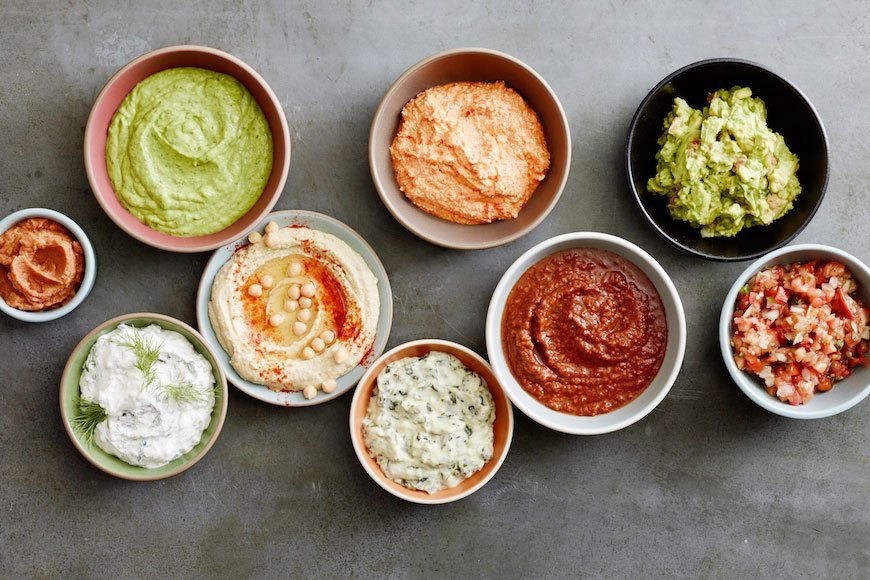
:max_bytes(150000):strip_icc()/various-dip-sauces-489933314-5ab92b79ae9ab800378f4225.jpg "40 Tasty Party Dips and Spreads for Any Occasion")
What Are Dips & Spreads?
Dips & Spreads are prepared foods designed to add flavor and moisture to other foods. Dips are often served with foods like chips, crackers, and vegetables, while spreads are usually placed directly on bread, wraps, or sandwiches.
The main difference is texture and use. Dips are often softer and made for dipping, while spreads are thicker and easier to spread. Many foods can work as both depending on preparation.
- ✦ Dips
Usually have a softer texture and are served with foods for scooping or dipping.
- ✦ Spreads
Usually have a thicker texture and are applied directly to another food.
Why Dips & Spreads Are Popular
Dips & Spreads fit modern eating habits because they are flexible. They can work for quick snacks, family meals, office lunches, and holiday events.
They also allow cooks to use many ingredients, from fresh herbs and vegetables to beans, nuts, dairy products, and spices.
- ✦ Easy preparation
Many recipes require only blending, mixing, or chilling before serving.
Popular Types of Dips & Spreads
There are many styles of Dips & Spreads found in American homes and restaurants. Each type offers a different flavor profile and texture.
Classic choices remain popular because they are simple, familiar, and easy to customize with new ingredients.

- ✦ Hummus
A creamy chickpea-based dip often made with tahini, lemon, garlic, and olive oil.
- ✦ Guacamole
A fresh avocado spread commonly mixed with lime, herbs, tomatoes, and seasonings.
- ✦ Salsa
A bright mixture of tomatoes, peppers, onions, and herbs used as a dip or topping.
- ✦ Cheese Spreads
Rich spreads made with cheeses, herbs, or vegetables for crackers and bread.
Global Influences on Dips & Spreads
Many Dips & Spreads come from global food traditions. Mediterranean hummus, Mexican guacamole, and Middle Eastern vegetable spreads show how different cultures use simple ingredients creatively.
Common Ingredients Used in Dips & Spreads
The ingredients in Dips & Spreads often decide the final taste, texture, and nutrition. Fresh ingredients usually create brighter flavors.
Home cooks can adjust recipes easily by changing spices, adding herbs, or choosing different base ingredients.

- ✦ Creamy bases
Yogurt, beans, avocado, cheese, and nuts create smooth textures.
- ✦ Flavor builders
Garlic, herbs, citrus juice, peppers, and spices add depth.
- ✦ Texture ingredients
Seeds, chopped vegetables, and nuts add crunch and variety.
How to Make Homemade Dips & Spreads
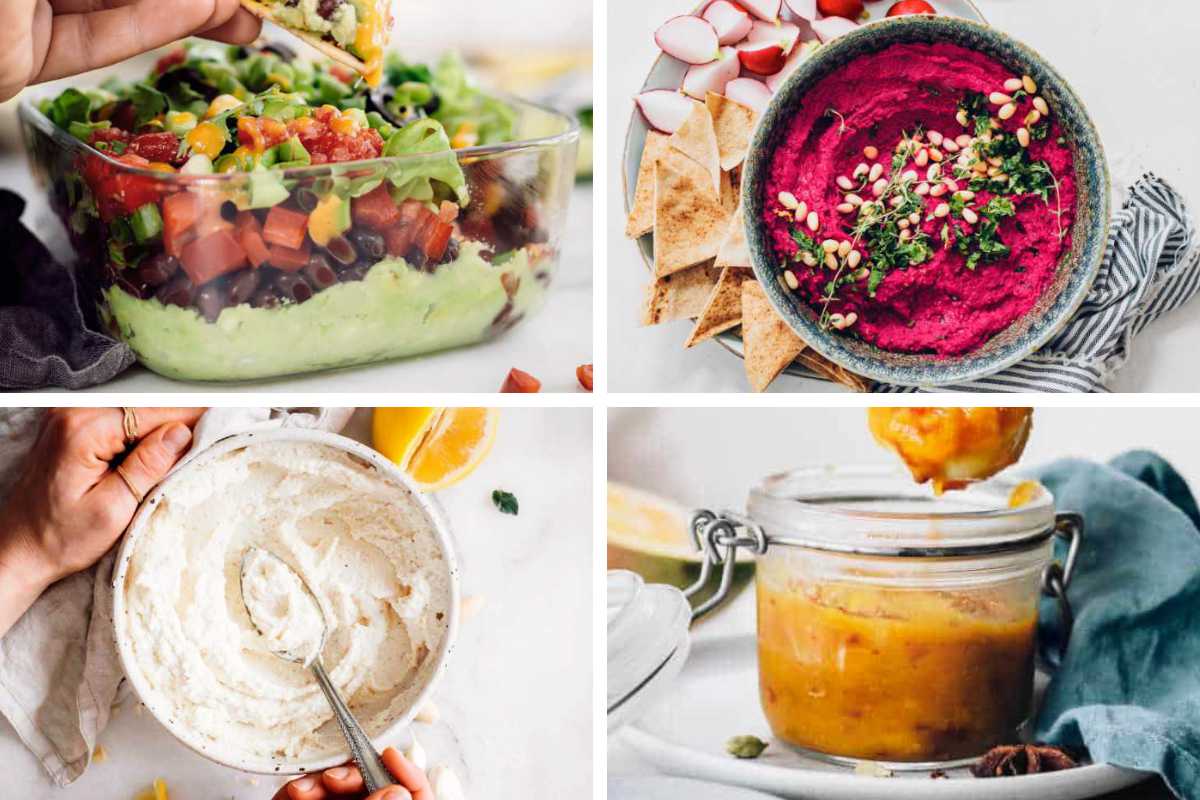
Making Dips & Spreads at home gives you control over flavor and ingredients. Many recipes only need a blender, food processor, or mixing bowl.
A useful method is to start with a base ingredient, add seasonings slowly, and adjust the texture until it feels right.
- ✦ Choose a base
Select ingredients such as beans, vegetables, dairy, or nuts.
- ✦ Balance flavors
Combine salty, sour, sweet, and spicy notes for better taste.
- ✦ Store safely
Keep homemade spreads chilled and use clean containers.
Nutrition and Health Considerations
Dips & Spreads can support a balanced diet when made with nutritious ingredients. Options made with beans, vegetables, nuts, or yogurt can provide useful nutrients.
However, some prepared dips may contain high amounts of sodium, added fats, or calories. Reading labels and choosing simple ingredients can help consumers make informed choices.
- ✦ Protein options
Bean-based and dairy-based spreads can contribute protein to snacks.
- ✦ Plant-based choices
Vegetable and nut spreads can support varied eating patterns.
Choosing Better Store-Bought Options
When buying Dips & Spreads, check ingredient lists and serving sizes. Products with recognizable ingredients are often easier to fit into daily meals.
Serving Ideas for Dips & Spreads
Dips & Spreads work well beyond traditional snack plates. They can add flavor to sandwiches, grain bowls, wraps, and vegetable dishes.
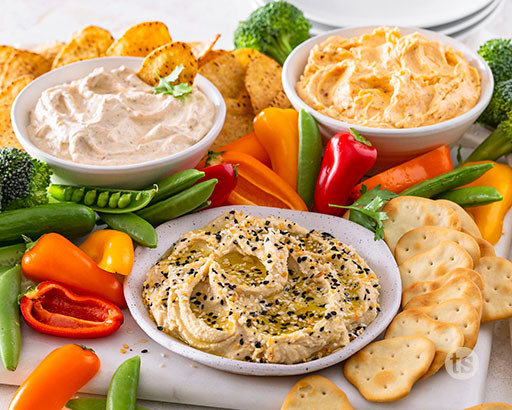
For American gatherings, a simple dip board with different textures and colors can create an inviting table without complex cooking.
- ✦ Party boards
Combine several dips with crackers, vegetables, bread, and fruit.
- ✦ Daily meals
Use spreads as sandwich fillings or toppings for extra flavor.
Tips for Storing and Serving Dips & Spreads
Proper storage helps maintain the quality of Dips & Spreads. Most homemade options should stay refrigerated in sealed containers.
Serving temperature matters too. Some creamy dips taste best slightly chilled, while others develop more flavor after resting briefly.
- ✦ Use airtight containers
This helps protect freshness and prevent unwanted odors.
- ✦ Watch freshness
Use fresh ingredients and follow safe food handling practices.