Blender Uses & Food Preparation: Complete Guide to Everyday Kitchen Applications
Blender Uses & Food Preparation has become an important part of modern kitchens in the United States. From busy families making breakfast smoothies to home cooks preparing fresh sauces, a blender can save time and simplify daily cooking tasks.
After years of working with kitchen equipment and testing different preparation methods, I have found that a blender is more than a smoothie machine. It is a flexible cooking tool that can help create healthy meals, improve textures, and reduce manual preparation work.
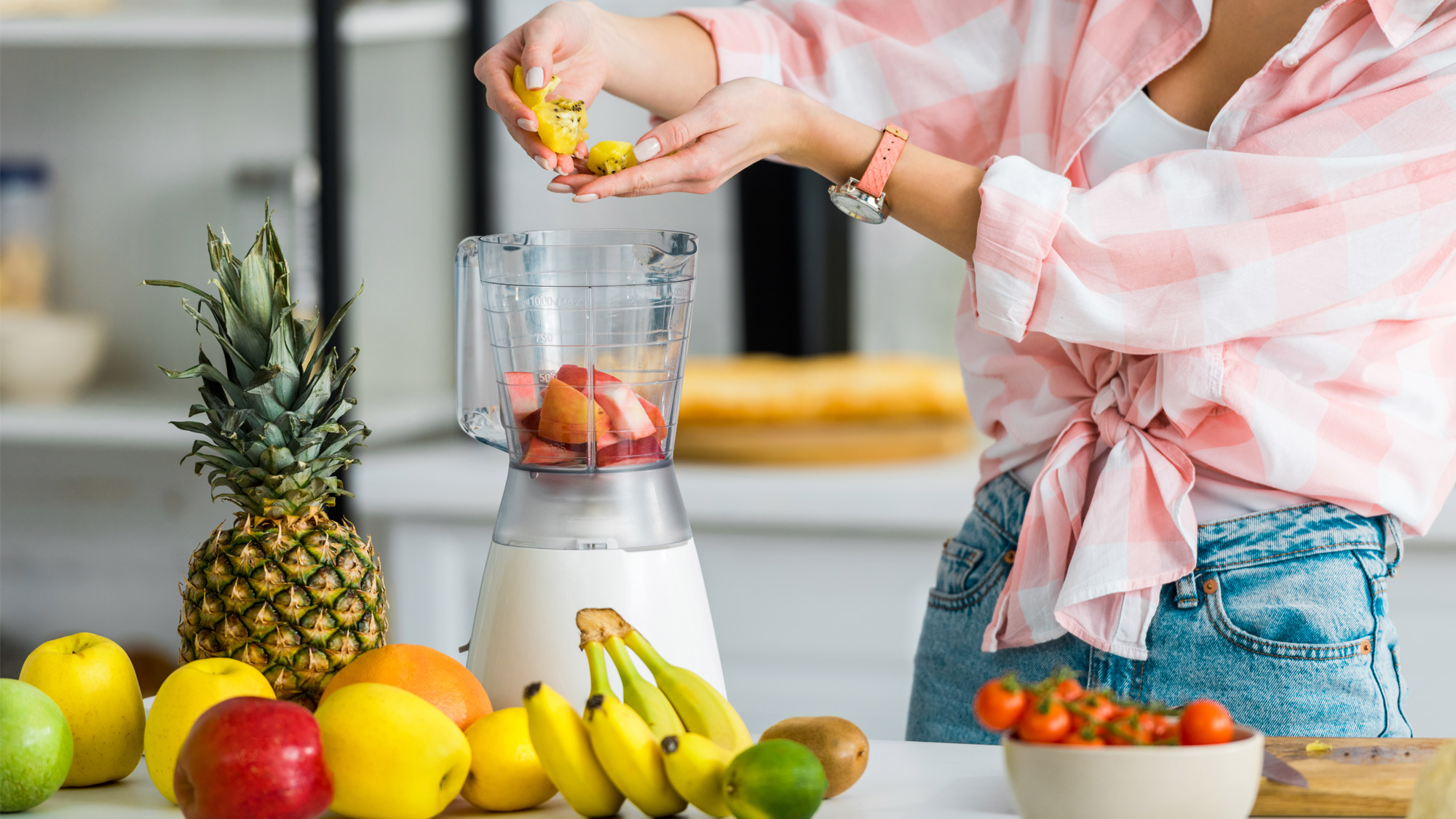
What Are the Main Blender Uses & Food Preparation Benefits?
Blender Uses & Food Preparation covers many kitchen tasks beyond making drinks. A blender uses fast spinning blades to break down ingredients into smaller pieces and create smooth mixtures.
Many American households use blenders because they support quick meal preparation. They are useful for breakfast, lunch, dinner, snacks, and even homemade baby food.
- ✦ Smooth texture creation
Blenders turn fruits, vegetables, nuts, and liquids into smooth mixtures that are easy to consume.
- ✦ Faster cooking preparation
A blender reduces the time needed for chopping, mixing, and manual food processing.
- ✦ Healthy homemade meals
Home cooks can control ingredients and avoid unnecessary additives found in some packaged foods.
Why Blenders Are Popular in Modern Kitchens
Modern lifestyles often require fast and simple cooking solutions. A blender helps people prepare nutritious meals without spending too much time in the kitchen.
- ✦ Convenience
One appliance can handle many preparation tasks.
- ✦ Versatility
Blenders work with both simple and complex recipes.
Using a Blender for Smoothies and Healthy Drinks
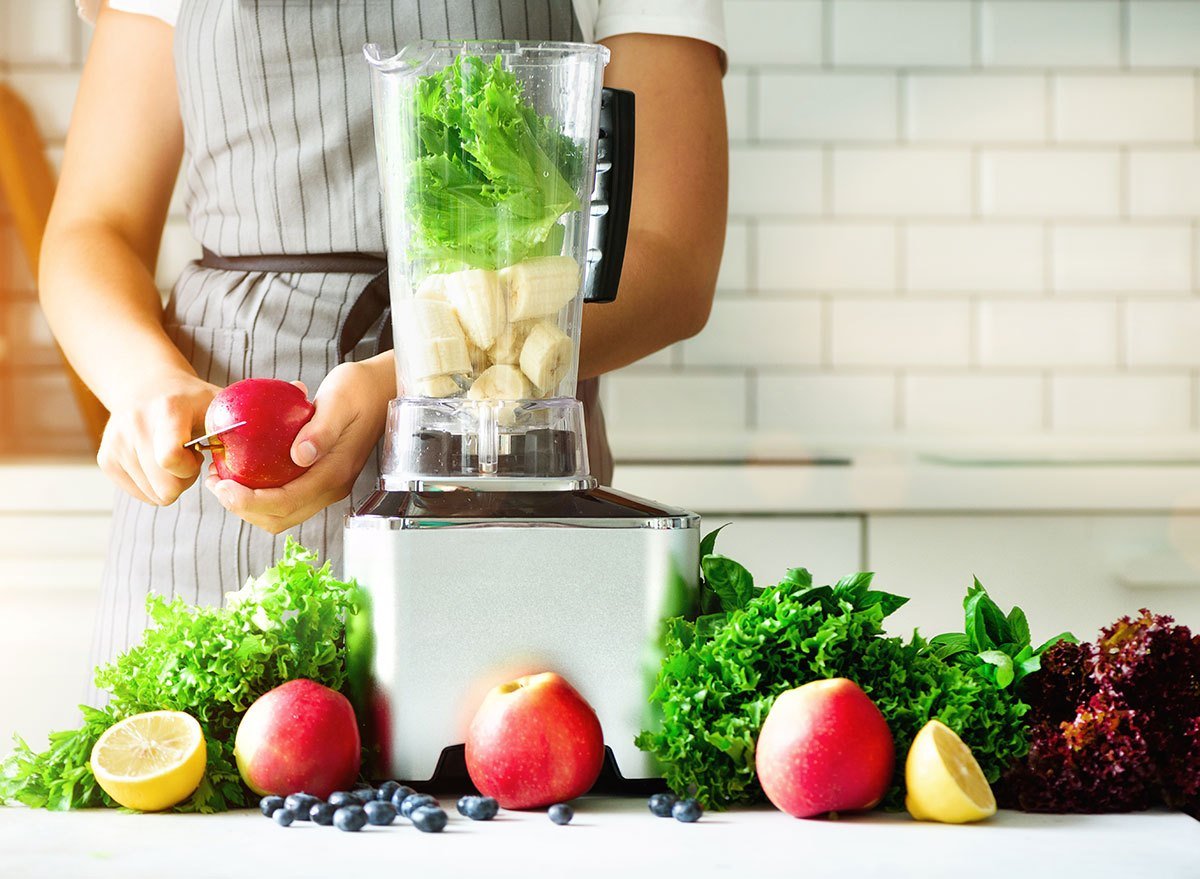
One of the most common Blender Uses & Food Preparation methods is making smoothies. A blender combines fruits, vegetables, protein powders, milk, yogurt, and other ingredients into a convenient drink.
Smoothies are popular in the U.S. because they fit busy morning routines. They can provide a quick option for breakfast or post-workout nutrition.

- ✦ Fruit smoothies
Blend berries, bananas, apples, and other fruits with liquids for fresh homemade drinks.
- ✦ Green smoothies
Leafy greens can be blended with fruits to create nutrient-rich beverages.
- ✦ Protein drinks
Blenders mix protein powder and other ingredients evenly for fitness-focused meals.
How Blenders Help With Soups, Sauces, and Purees
Blender Uses & Food Preparation also includes creating smooth soups, sauces, and purees. Many cooks use blenders to transform cooked ingredients into restaurant-style textures at home.
A blender can turn roasted vegetables into creamy soups or mix ingredients for homemade pasta sauces and dressings.

- ✦ Creamy soups
Cooked vegetables and broth can become smooth soups with the right blending technique.
- ✦ Fresh sauces
Blenders help combine herbs, spices, oils, and vegetables for flavorful sauces.
- ✦ Baby food preparation
Parents can prepare soft purees with controlled ingredients for young children.
Creating Smooth Vegetable Purees
Vegetable purees are a practical example of how Blender Uses & Food Preparation supports healthy eating. The blender creates a soft texture while keeping homemade control over ingredients.
- ✦ Better ingredient control
Home cooks decide what goes into each recipe.
Blender Uses for Meal Prep and Everyday Cooking
Meal preparation becomes easier when a blender is included in the kitchen routine. People can prepare ingredients in batches and store food for later use.
Blender Uses & Food Preparation is especially helpful for people who want efficient cooking systems. A few minutes of preparation can create several meals or ingredients for the week.
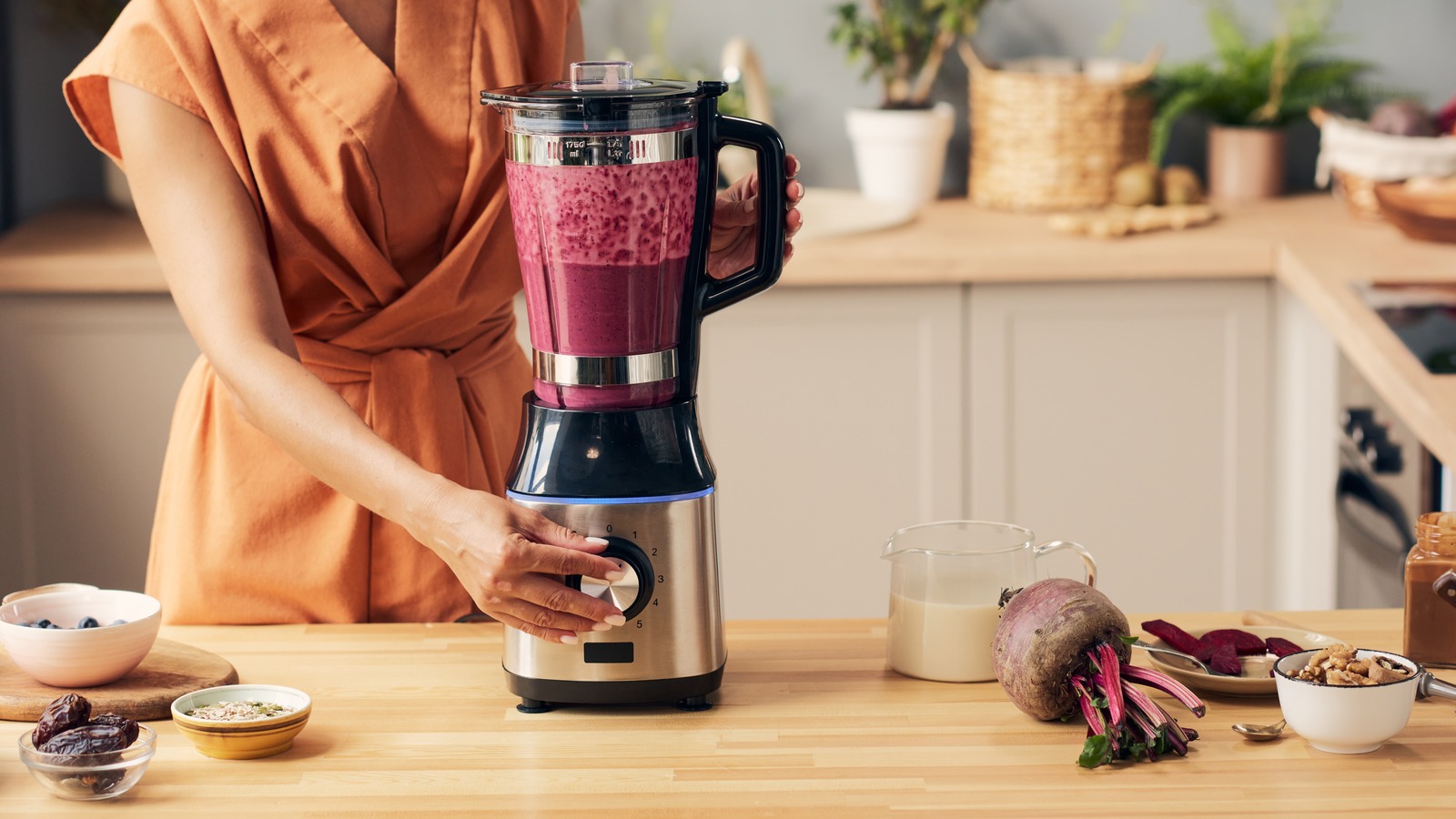
- ✦ Nut butters
High-powered blenders can process nuts into homemade spreads.
- ✦ Dips
Blenders can create hummus, salsa, and creamy dips.
- ✦ Batter mixing
Some recipes use blenders to combine pancake or baking ingredients.
Ingredient Order Matters
The order of ingredients can affect blending performance. Liquids usually go near the blades first, followed by softer foods and harder ingredients on top.
- ✦ Improved blending flow
Correct layering helps ingredients move smoothly around the blades.
Choosing the Right Blender for Food Preparation
Different Blender Uses & Food Preparation tasks require different blender features. A basic blender may work for smoothies, while stronger models handle nuts, ice, and thick mixtures.
When choosing a blender, consumers should consider motor power, container size, blade quality, cleaning needs, and intended recipes.

- ✦ Countertop blenders
These are useful for families and larger food preparation tasks.
- ✦ Personal blenders
Small blenders are convenient for single servings and quick drinks.
- ✦ High-performance blenders
Powerful models handle tougher ingredients and advanced recipes.
Common Mistakes When Using a Blender for Food Preparation
Even simple Blender Uses & Food Preparation tasks can fail when users overload the container or choose incorrect settings. Small technique changes can improve results.
Learning basic blender habits helps prevent uneven textures, overheating, and poor mixing.

- ✦ Overfilling the jar
Too many ingredients can stop proper circulation and reduce blending quality.
- ✦ Using incorrect speed
Different foods need different speed levels for the best texture.
- ✦ Poor cleaning habits
Cleaning after each use helps maintain performance and hygiene.