Food Processor Attachments & Accessory Care: A Complete Maintenance Guide
Food Processor Attachments & Accessory Care is a key part of getting reliable results from a kitchen appliance. Many home cooks in the United States use food processors for daily tasks like chopping vegetables, shredding cheese, slicing produce, and preparing dough. Good care keeps these tools ready for busy meals.
From my experience reviewing kitchen tools, the attachment system often decides how long a food processor stays useful. A strong motor can last for years, but neglected blades, bowls, and discs can reduce performance. Simple habits like careful washing and proper storage make a clear difference.
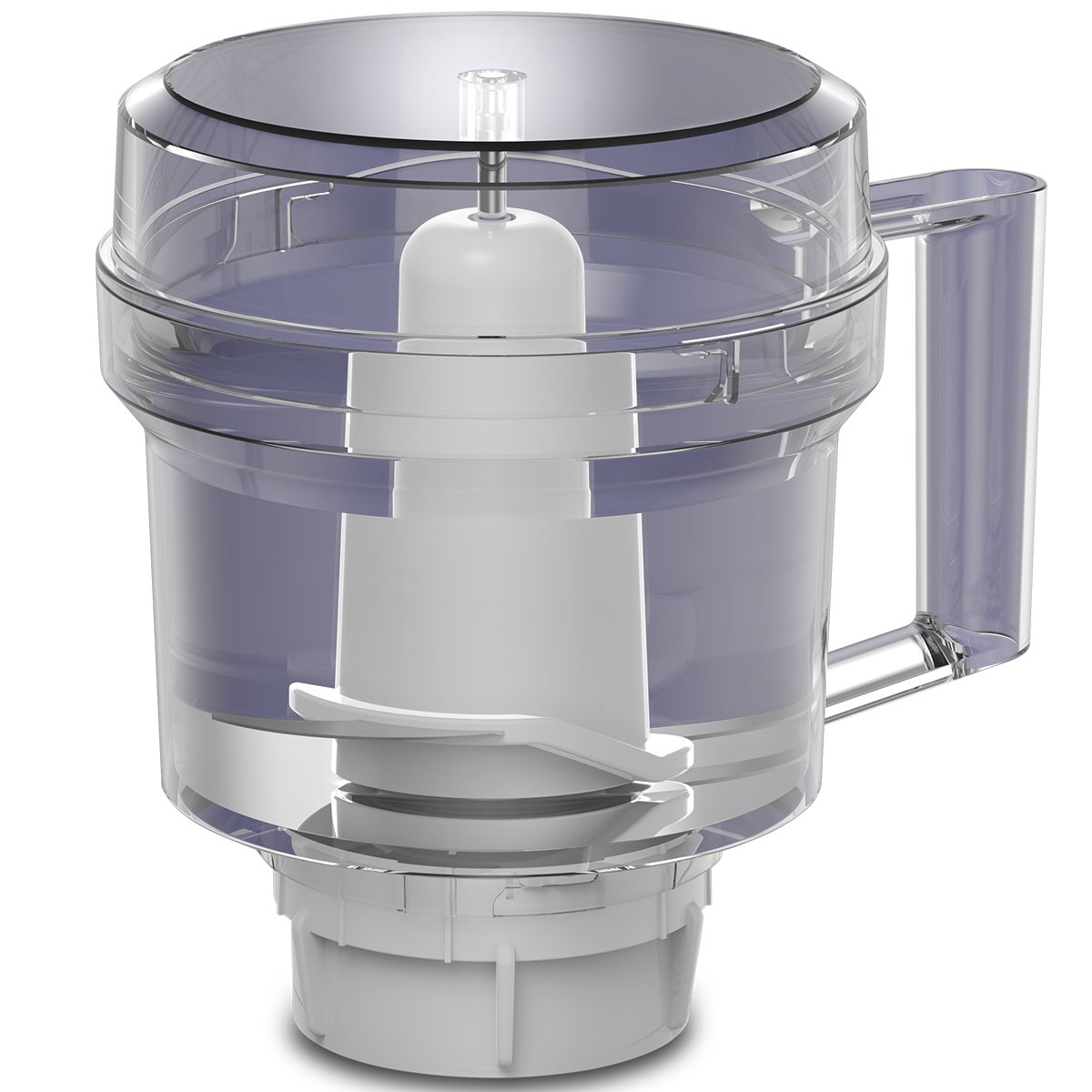
Why Food Processor Attachments & Accessory Care Matters
Food processor accessories handle direct contact with ingredients. They face moisture, food acids, oils, and repeated use. Without proper care, parts may become dull, stained, loose, or harder to clean.
Food Processor Attachments & Accessory Care also protects food quality. Clean blades and discs help prevent old food particles from affecting taste or smell. Careful maintenance also reduces safety risks caused by damaged parts.
- ✦ Better performance
Clean blades and discs move through ingredients more easily and create more consistent results.
- ✦ Longer accessory life
Gentle cleaning and correct storage reduce wear on plastic parts and cutting edges.
- ✦ Improved kitchen safety
Regular inspections help find cracks, damage, or loose pieces before use.
Common Problems Caused by Poor Accessory Care
Many attachment issues start with small mistakes. Leaving wet parts in storage, using harsh cleaners, or forcing accessories into place can create long-term damage.
A simple care routine prevents most problems before they become expensive repairs.
- ✦ Dull blades
Frequent misuse or contact with unsuitable foods can reduce cutting ability.
- ✦ Cracked plastic parts
Heat exposure and rough handling may weaken bowls, lids, and pushers.
How to Clean Food Processor Attachments Correctly
Cleaning is the foundation of Food Processor Attachments & Accessory Care. Most accessories should be cleaned soon after use because dried food becomes harder to remove.
Always check the manufacturer’s instructions before washing parts. Some pieces are dishwasher safe, while others need gentle hand washing.

- ✦ Rinse quickly
Remove leftover food before it dries and sticks to surfaces.
- ✦ Use mild soap
A soft sponge and warm water usually remove food residue without damaging parts.
- ✦ Dry completely
Allow every accessory to dry before storage to prevent odors and moisture damage.
Cleaning Blades and Cutting Discs Safely
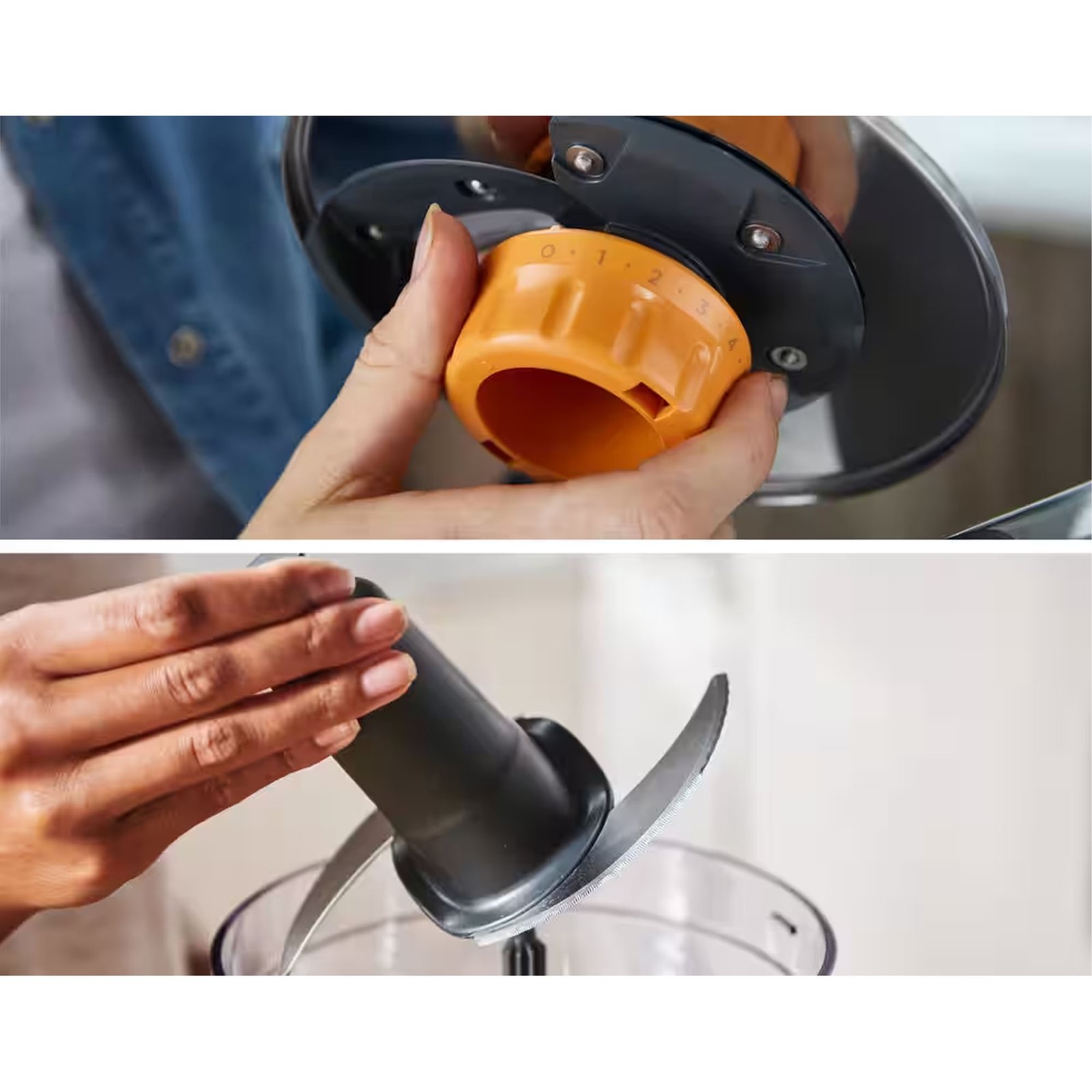
Blades and discs need extra attention because their edges are sharp. Use a brush or sponge carefully instead of placing fingers near cutting surfaces.
Avoid soaking metal blades for long periods unless the manufacturer allows it. Extended moisture exposure may affect some materials.
- ✦ Handle with care
Hold blades by the center hub or safe edges whenever possible.
Best Storage Practices for Food Processor Accessories
Proper storage is an important part of Food Processor Attachments & Accessory Care. Accessories should stay organized, dry, and protected from accidental damage.
Many kitchens have limited cabinet space, so smart storage solutions help prevent lost parts and scratches.

- ✦ Keep parts together
Store discs, blades, and attachments near the main processor to avoid losing small pieces.
- ✦ Protect sharp edges
Use storage cases or blade covers when available.
- ✦ Avoid crowded drawers
Too many items in one drawer can damage plastic parts and cutting surfaces.
Organizing Attachments for Faster Cooking
A simple storage system saves time during meal preparation. Group slicing tools, shredding discs, and dough accessories together.
Many experienced home cooks keep frequently used attachments in easy-to-reach areas and seasonal accessories stored separately.
- ✦ Label storage areas
Labels make it easier to find the correct accessory quickly.
Caring for Different Types of Food Processor Attachments
Different accessories require different care methods. A slicing disc does not need the same treatment as a dough blade or shredding attachment.
Understanding each part helps users avoid damage and maintain reliable performance.

- ✦ Slicing and shredding discs
Keep cutting surfaces clean and avoid using metal tools that may scratch them.
- ✦ Dough blades
Remove sticky dough soon after use to prevent buildup.
- ✦ Plastic accessories
Avoid extreme heat and harsh chemicals that may weaken materials.
Attachment Compatibility and Proper Use
Using the correct attachment for each task is part of safe Food Processor Attachments & Accessory Care. Forcing an unsuitable accessory can damage both the attachment and the machine.
Always confirm that an accessory fits the exact food processor model before buying replacement parts.
- ✦ Check model numbers
Matching parts correctly helps ensure safe operation.
When to Replace Food Processor Attachments and Accessories
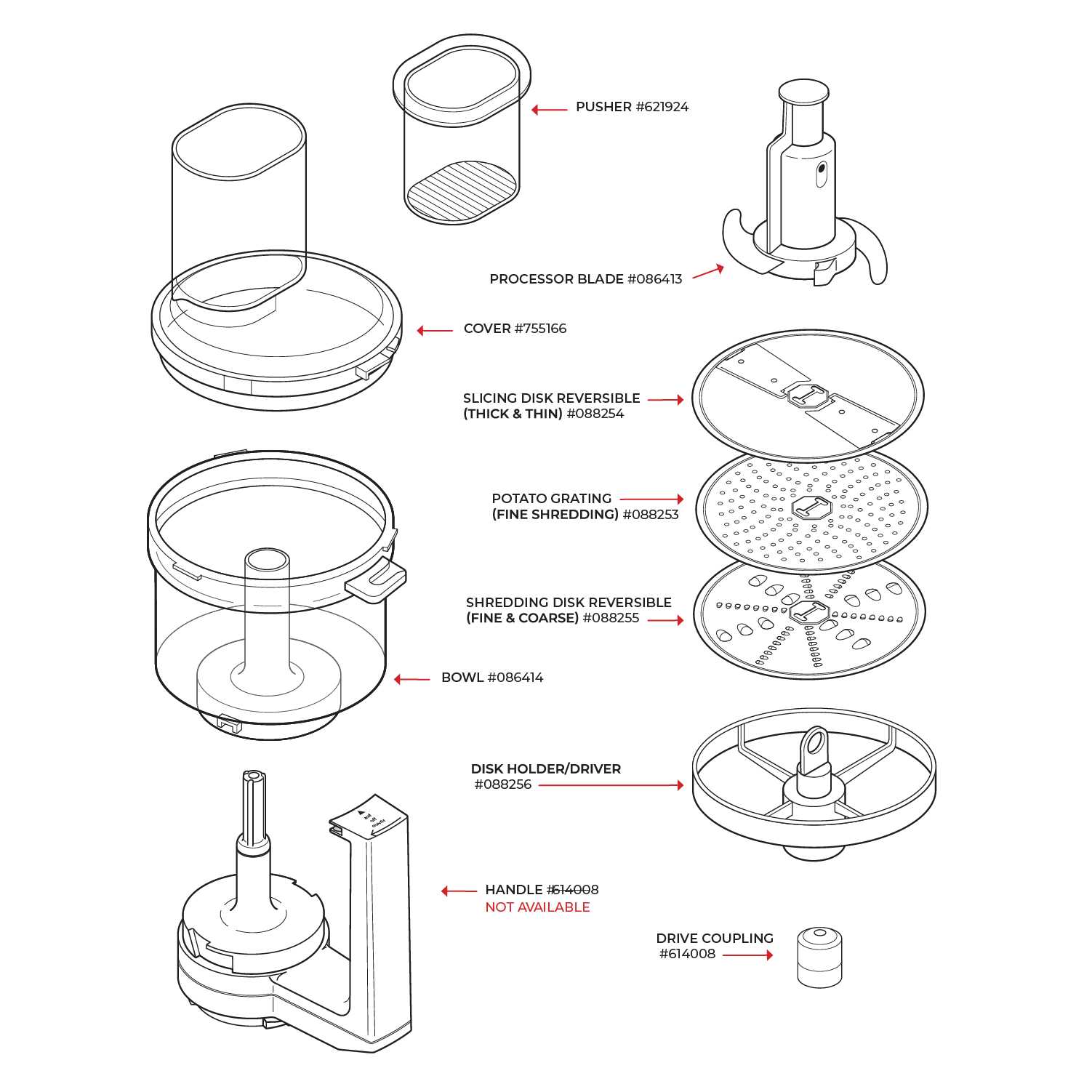
Even with excellent Food Processor Attachments & Accessory Care, some parts eventually need replacement. Cutting edges wear down, and plastic pieces may weaken after years of use.
Replacing a damaged accessory is often safer and more practical than trying to repair it.
- ✦ Visible cracks
Replace bowls, lids, or attachments with cracks that may affect safe use.
- ✦ Poor cutting results
A blade or disc that no longer performs well may need replacement.
- ✦ Loose connections
Accessories that no longer lock correctly should be checked before use.
Choosing Replacement Accessories
Choose genuine or manufacturer-approved parts whenever possible. Correct parts provide better fit, safety, and performance.
Generic replacements may vary in quality, so check materials and compatibility before purchase.
- ✦ Review specifications
Confirm the accessory matches your processor model and intended use.
Daily Habits That Improve Food Processor Accessory Lifespan
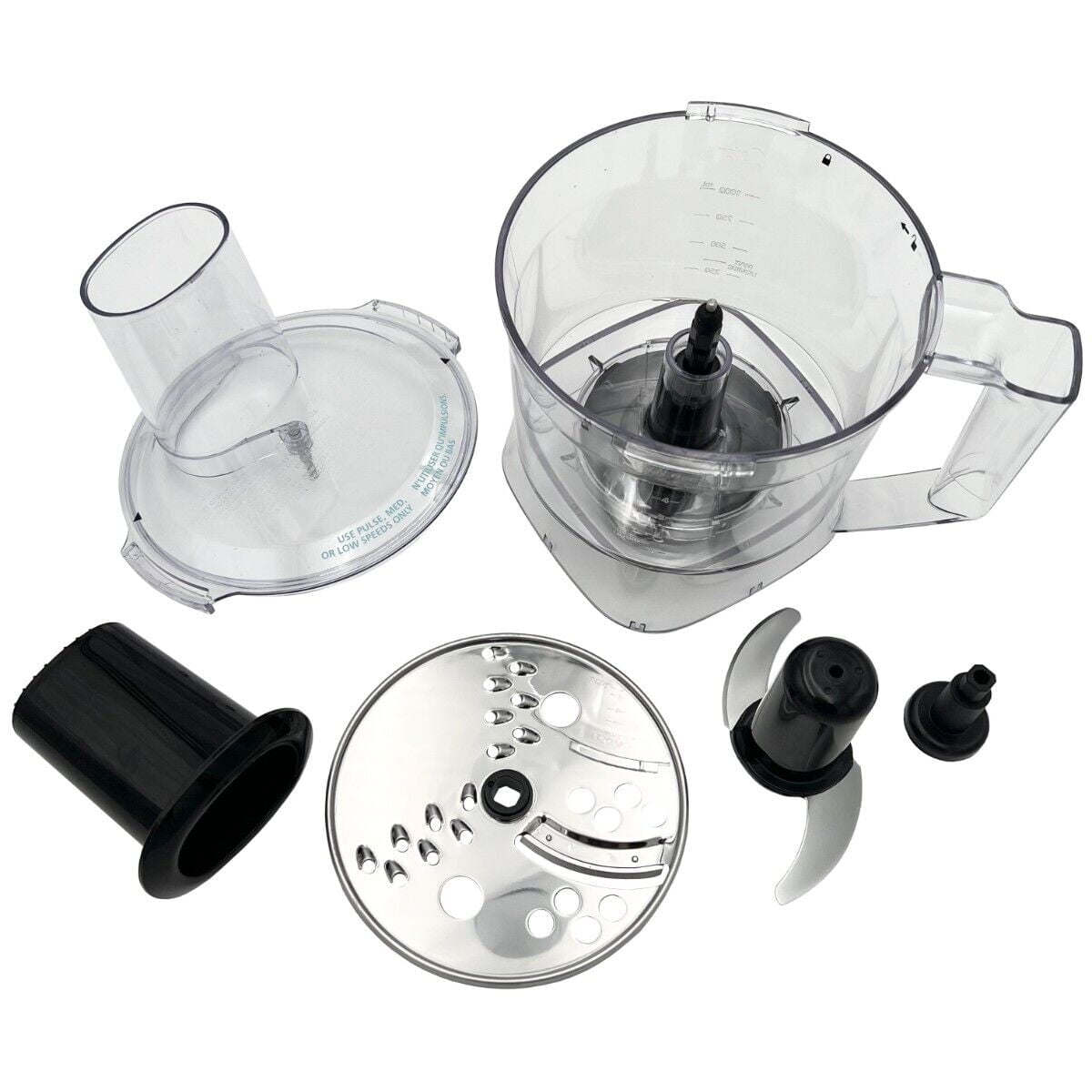
Small daily habits create the biggest improvements in Food Processor Attachments & Accessory Care. Cleaning immediately, checking parts, and storing them correctly take only a few minutes.
Professional kitchens often follow similar routines because equipment reliability matters during busy service. Home kitchens can use the same simple approach.
- ✦ Inspect before use
Look for damage before attaching parts to the processor.
- ✦ Avoid overloading
Using attachments within their limits prevents unnecessary stress.
- ✦ Follow manuals
Manufacturer instructions provide the safest care methods.