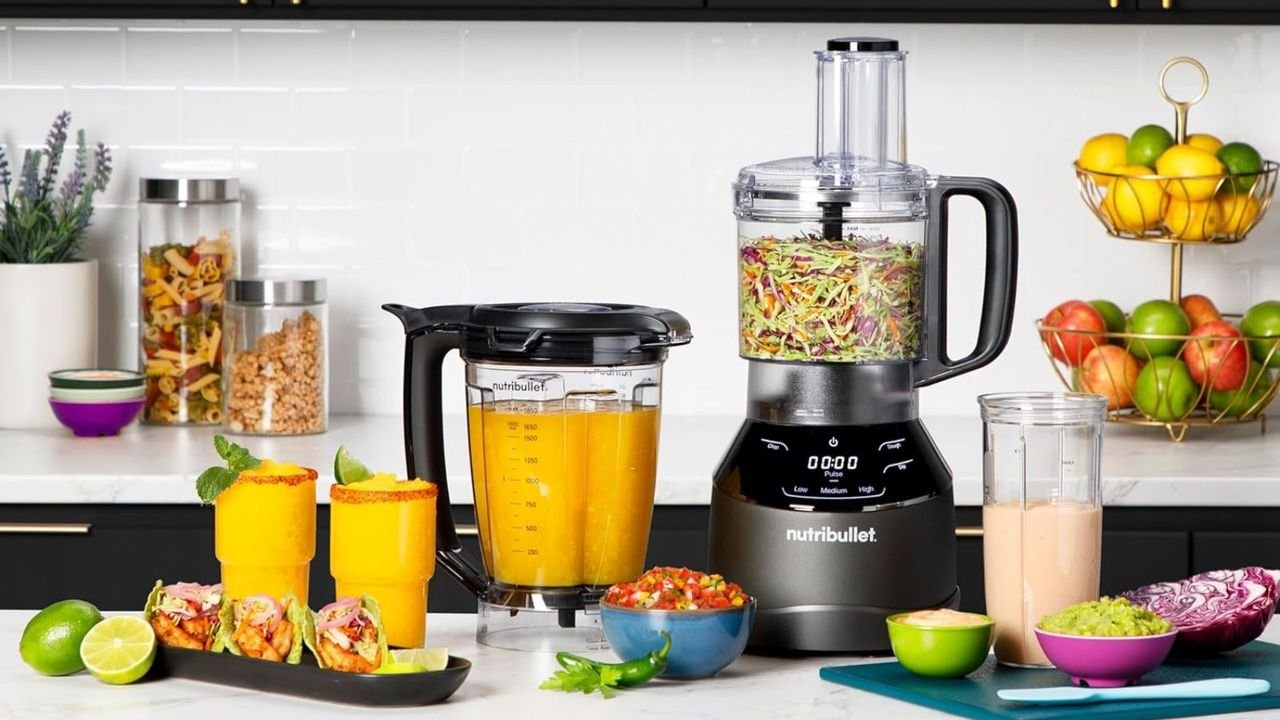
Blender Food Preparation & Processing: Complete Guide to Efficient Kitchen Use
Blender Food Preparation & Processing has become a daily kitchen solution for many U.S. households. From quick breakfast smoothies to homemade sauces and soups, a reliable blender can reduce preparation time and improve meal quality.
Through years of studying kitchen equipment and food preparation methods, I have found that the best results come from matching the blender task with the right technique. A blender is not just a machine that spins ingredients. It is a tool that controls texture, consistency, and flavor release.
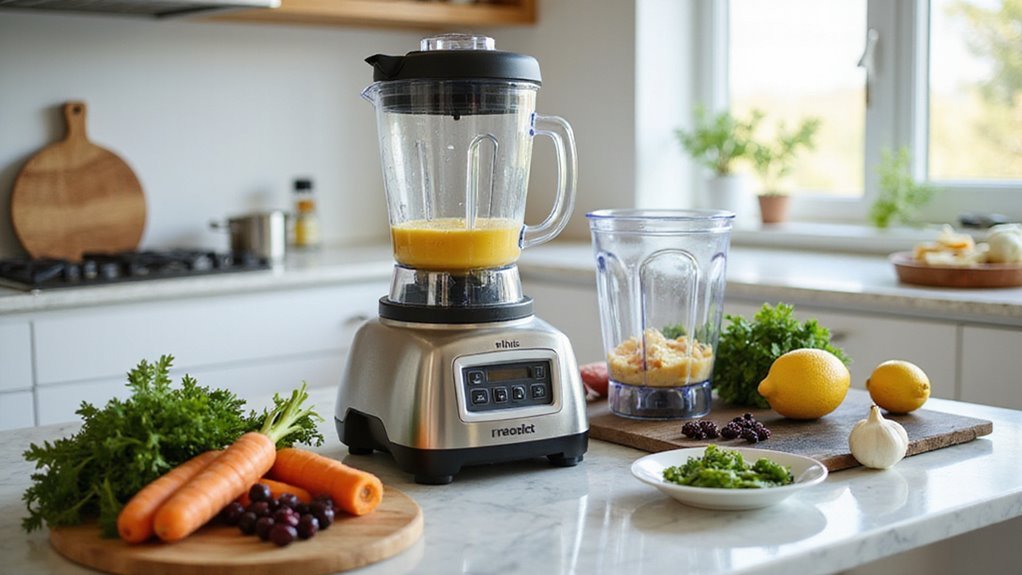
What Is Blender Food Preparation & Processing?
Blender Food Preparation & Processing refers to using a blender to change whole ingredients into useful food forms. The process may include blending, chopping, grinding, emulsifying, mixing, and pureeing.
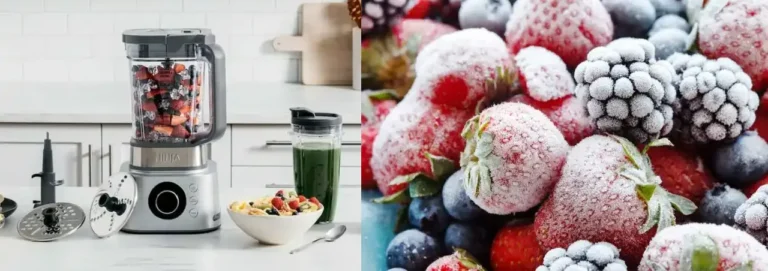
Modern blenders in American kitchens can support many cooking styles. People use them for drinks, baby food, salad dressings, nut blends, dips, and hot soup preparation when the model allows it.
- ✦ Blending
Blending combines ingredients into a smooth mixture, such as smoothies, shakes, and creamy drinks.
- ✦ Pureeing
Pureeing breaks down cooked foods into soft textures for soups, sauces, and baby meals.
- ✦ Processing
Processing uses controlled cutting and mixing actions to prepare ingredients for recipes.
How Blenders Support Everyday Food Preparation
A blender saves time by reducing manual cutting and mixing. Busy families often use it for meal prep because one appliance can complete several kitchen tasks.
Blender Food Preparation & Processing works best when users understand ingredient order, liquid balance, and blending time. Small adjustments can create smoother results and prevent uneven textures.
- ✦ Breakfast Preparation
Blenders quickly create smoothies, protein drinks, oatmeal blends, and fruit-based meals.
- ✦ Sauce Creation
Blenders help make fresh sauces, dressings, marinades, and creamy spreads.
- ✦ Ingredient Reduction
Hard ingredients can be reduced into smaller pieces for easier cooking.
Common Foods Prepared With a Blender
Many foods work well in a blender when prepared correctly. Soft fruits, cooked vegetables, liquids, herbs, and soaked nuts are common examples.
- ✦ Smooth Foods
Smoothies, soups, and purees benefit from high-speed blending.
- ✦ Mixed Foods
Dips and sauces gain a consistent texture through proper blending.
Blender Techniques for Better Processing Results
Good Blender Food Preparation & Processing depends on technique. Even a powerful blender may produce poor results if ingredients are loaded incorrectly.
Start with liquids or softer ingredients near the blades. Add harder foods later so the blades can move ingredients more easily.
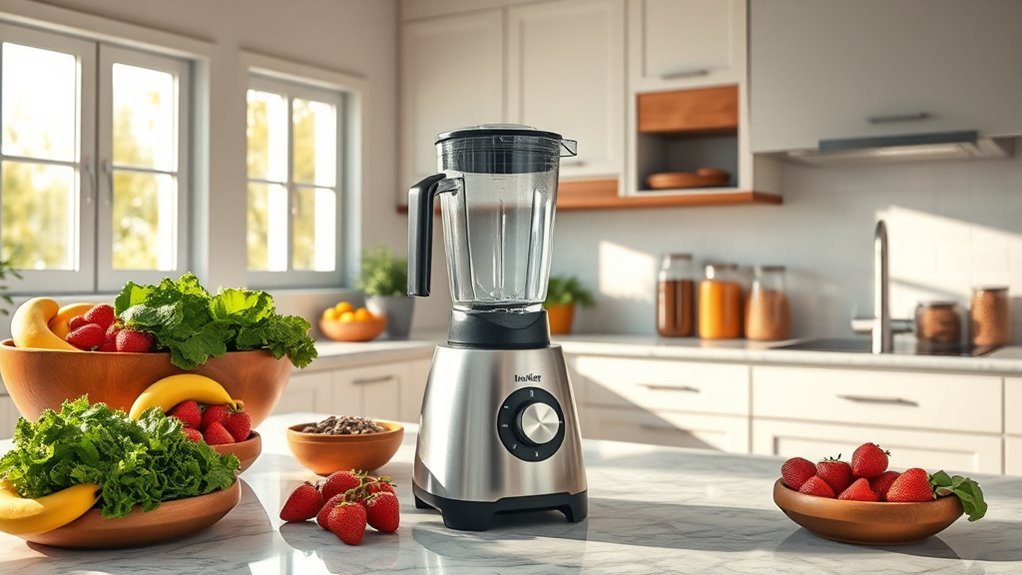
- ✦ Use Correct Ingredient Order
Place liquids first, then soft foods, and finally harder ingredients for smoother circulation.
- ✦ Control Blending Time
Short blending cycles help prevent overheating and unwanted texture changes.
- ✦ Avoid Overfilling
Leaving space inside the container allows ingredients to move properly.
Speed Settings and Texture Control
Different recipes need different speeds. Low speeds work well for mixing, while higher speeds help create fine textures.
- ✦ Low Speed
Useful for gentle mixing and combining ingredients.
- ✦ High Speed
Useful for smooth drinks and finely processed foods.
Blender vs Food Processor: Understanding the Difference
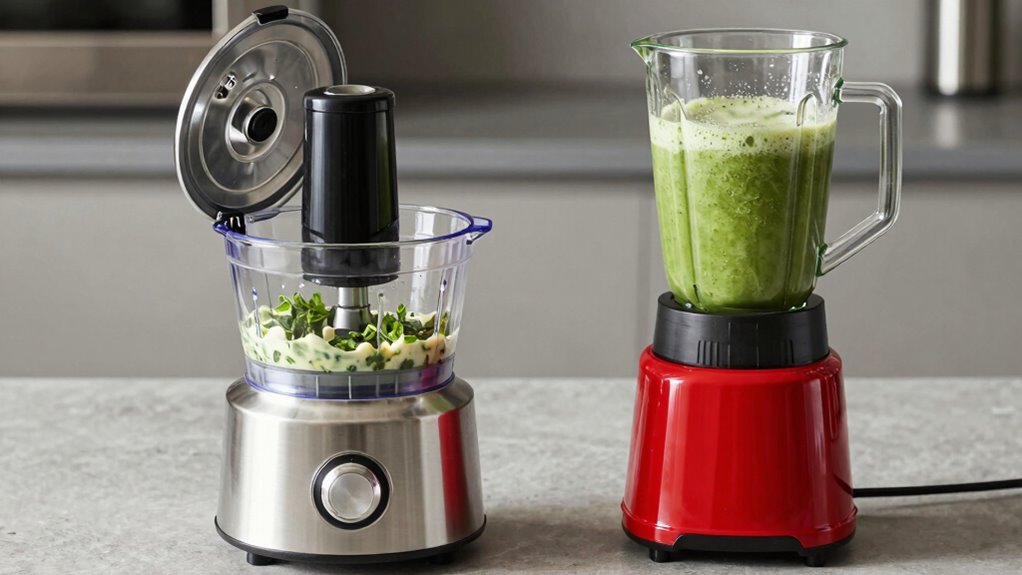
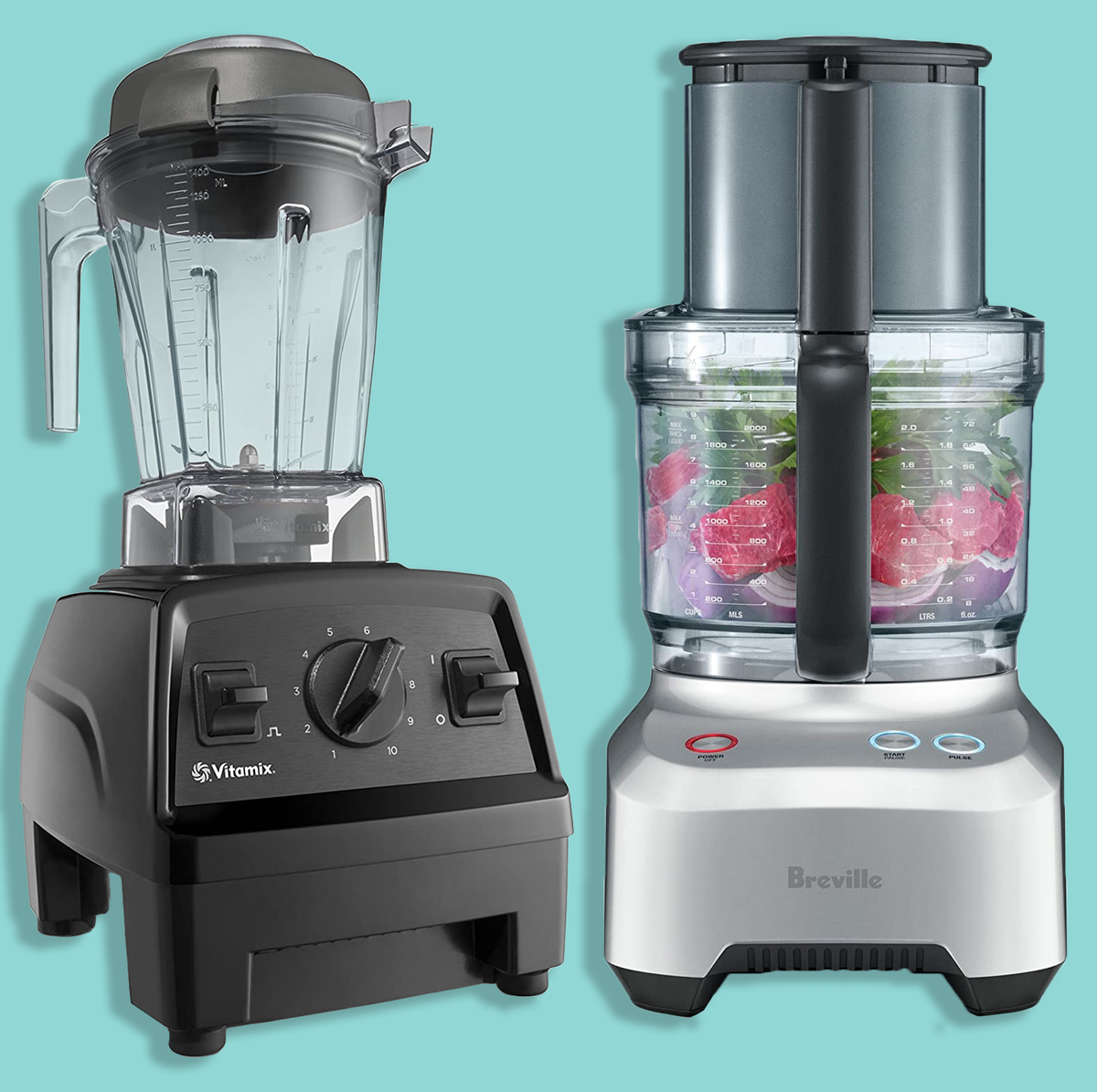
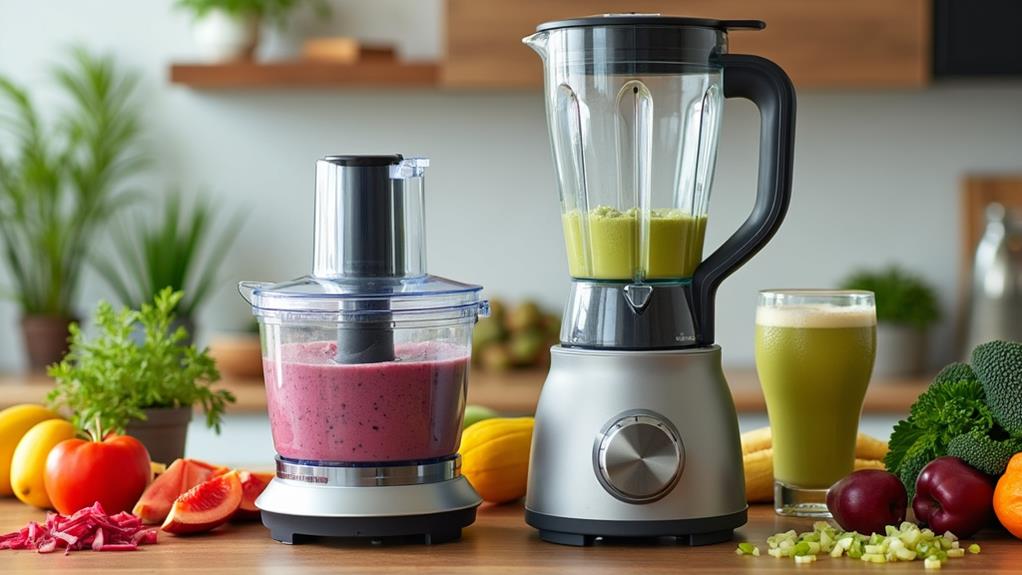
Blenders and food processors overlap in some tasks, but they are designed for different purposes. A blender usually focuses on liquids and smooth mixtures, while a food processor often handles dry chopping and slicing tasks.
Understanding these differences helps consumers choose the right appliance. Some blender models include attachments that expand their food preparation abilities.
- ✦ Blender Strength
Blenders excel at liquids, smoothies, soups, and smooth sauces.
- ✦ Food Processor Strength
Food processors excel at chopping, shredding, and slicing larger amounts of solid food.
Benefits of Blender Food Preparation & Processing
Blender Food Preparation & Processing offers convenience, speed, and creative cooking options. It allows home cooks to prepare fresh foods with fewer tools.
For many U.S. consumers, a blender supports healthier eating habits by making homemade meals easier to prepare.
- ✦ Saves Time
Blenders reduce preparation steps and speed up many recipes.
- ✦ Supports Fresh Ingredients
Home blending makes it easier to use fresh fruits, vegetables, and whole foods.
- ✦ Reduces Kitchen Equipment Needs
A versatile blender can replace several small preparation tools.
Cleaning and Maintaining a Food Preparation Blender
Regular maintenance keeps a blender working safely and efficiently. Food particles left around blades or seals can affect performance over time.
A simple cleaning routine after every use helps prevent odors, stains, and buildup.
- ✦ Clean Immediately
Rinse the container soon after use to prevent food from drying.
- ✦ Check Blades
Inspect blades and seals regularly for damage or wear.
- ✦ Store Properly
Keep blender parts dry and assembled correctly.