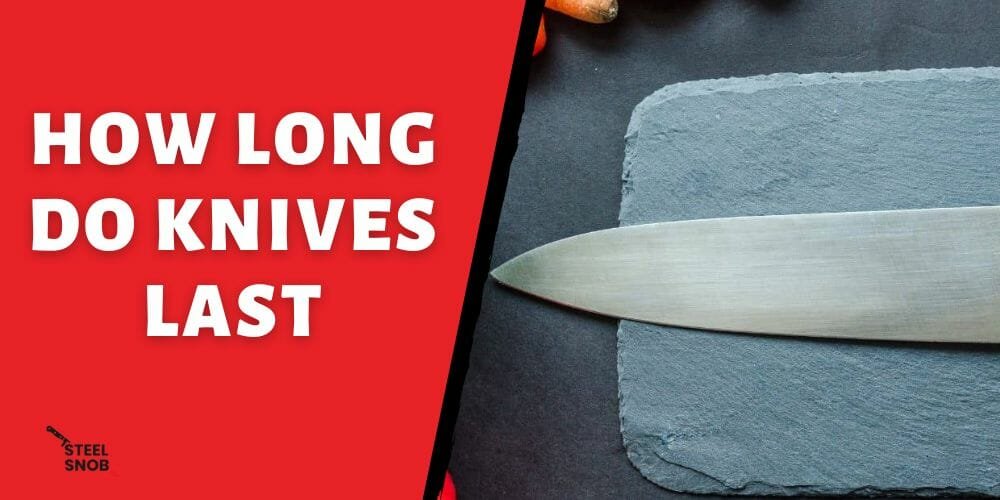
Kitchen Knife Lifespan & Replacement: How Long Your Knives Last and When to Replace Them
Kitchen Knife lifespan & Replacement is not only about age. A knife’s life depends on how often it is used, how it is cleaned, and how well the blade is protected. A daily home cook in the United States may use a chef knife several times each week, while a professional cook may use the same type of knife for hours every day.
From years of kitchen experience, I have found that many people replace knives too early because they confuse dullness with damage. A dull knife often needs sharpening, but a knife with a broken edge, deep rust, or unsafe handle may truly need replacement.
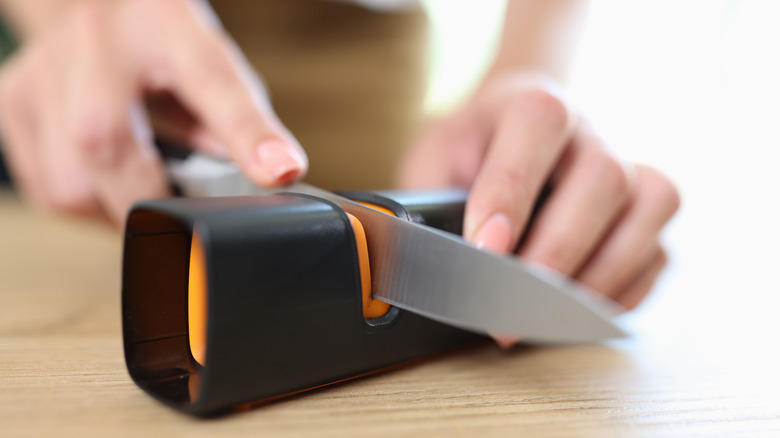
How Long Do Kitchen Knives Usually Last?
The average Kitchen Knife Lifespan & Replacement timeline varies by knife quality and care. A budget knife used daily may last a few years, while a high-quality chef knife can remain useful for decades.
Knife lifespan is shaped by blade material, cutting style, and maintenance. Stainless steel knives often resist corrosion, while high-carbon steel knives may hold an edge longer but need more care.
- ✦ Budget kitchen knives
Lower-cost knives often last 2 to 5 years because softer steel loses sharpness faster.
- ✦ Quality chef knives
Well-made knives can last 10 years or more when users sharpen and store them properly.
- ✦ Professional kitchen knives
Restaurant knives may need frequent sharpening but can last many years with regular care.
Why Knife Age Is Not the Only Factor
A knife that is ten years old may perform better than a new knife if it has been maintained well. Kitchen Knife Lifespan & Replacement should focus on blade condition and safety instead of a fixed replacement date.
Signs It Is Time to Replace a Kitchen Knife
Knowing when to replace a knife improves safety and cooking comfort. A damaged blade can slip more easily and requires extra force during cutting.
Kitchen Knife Lifespan & Replacement decisions become easier when you check the blade, handle, and overall balance.
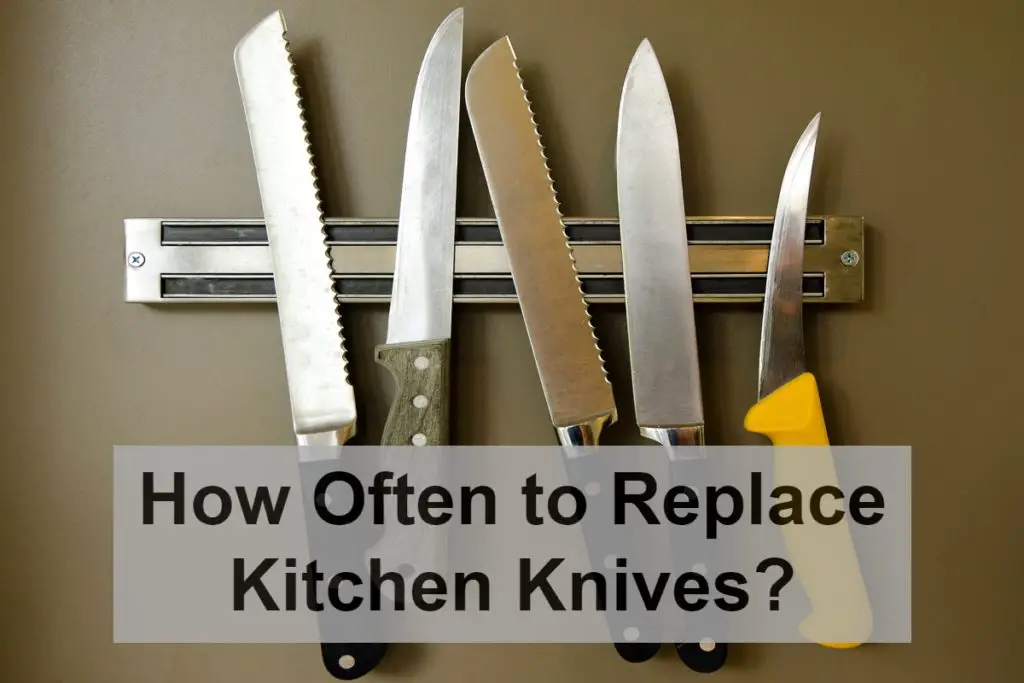
- ✦ Permanent blade damage
Large chips, cracks, bends, or missing sections usually mean the knife has reached the end of its useful life.
- ✦ Unsafe handle
Loose handles, broken rivets, or severe cracks can make a knife dangerous to use.
- ✦ Repeated poor performance
If sharpening no longer restores cutting ability, replacement may be the better choice.
Dull Blade Versus Damaged Blade
A dull knife is usually repairable through honing or sharpening. A damaged knife has structural problems that sharpening cannot fix.
- ✦ Dull blade
Needs sharpening or honing to restore the edge.
- ✦ Damaged blade
May require professional repair or complete replacement.
Factors That Affect Kitchen Knife Lifespan & Replacement
Several daily habits affect how long kitchen knives remain effective. Cutting on hard surfaces, washing incorrectly, and poor storage can shorten blade life.
Understanding these factors helps home cooks protect their investment and delay unnecessary replacement.
:max_bytes(150000):strip_icc()/why-you-never-put-knives-dishwasher-getty-0923-0d3704ee87d147c2b6b7aa6390f10d87.jpg "How Often Should You Replace Kitchen Knives: Ultimate Guide Kitchen")
- ✦ Cutting surface
Wood and soft plastic boards protect edges better than glass or stone surfaces.
- ✦ Cleaning habits
Hand washing and immediate drying help prevent rust and corrosion.
- ✦ Storage method
Knife blocks, magnetic strips, and blade guards reduce accidental damage.
The Effect of Dishwashers on Knives
Many kitchen experts recommend hand washing knives because dishwasher heat, movement, and harsh detergents can damage edges and handles over time.
How to Extend the Life of Your Kitchen Knives
Proper care is the foundation of Kitchen Knife Lifespan & Replacement. Simple habits can keep blades sharp, safe, and reliable for years.
A regular maintenance routine is more valuable than buying new knives often. Good care protects both performance and cost.
- ✦ Hone regularly
A honing rod helps realign the edge between sharpening sessions.
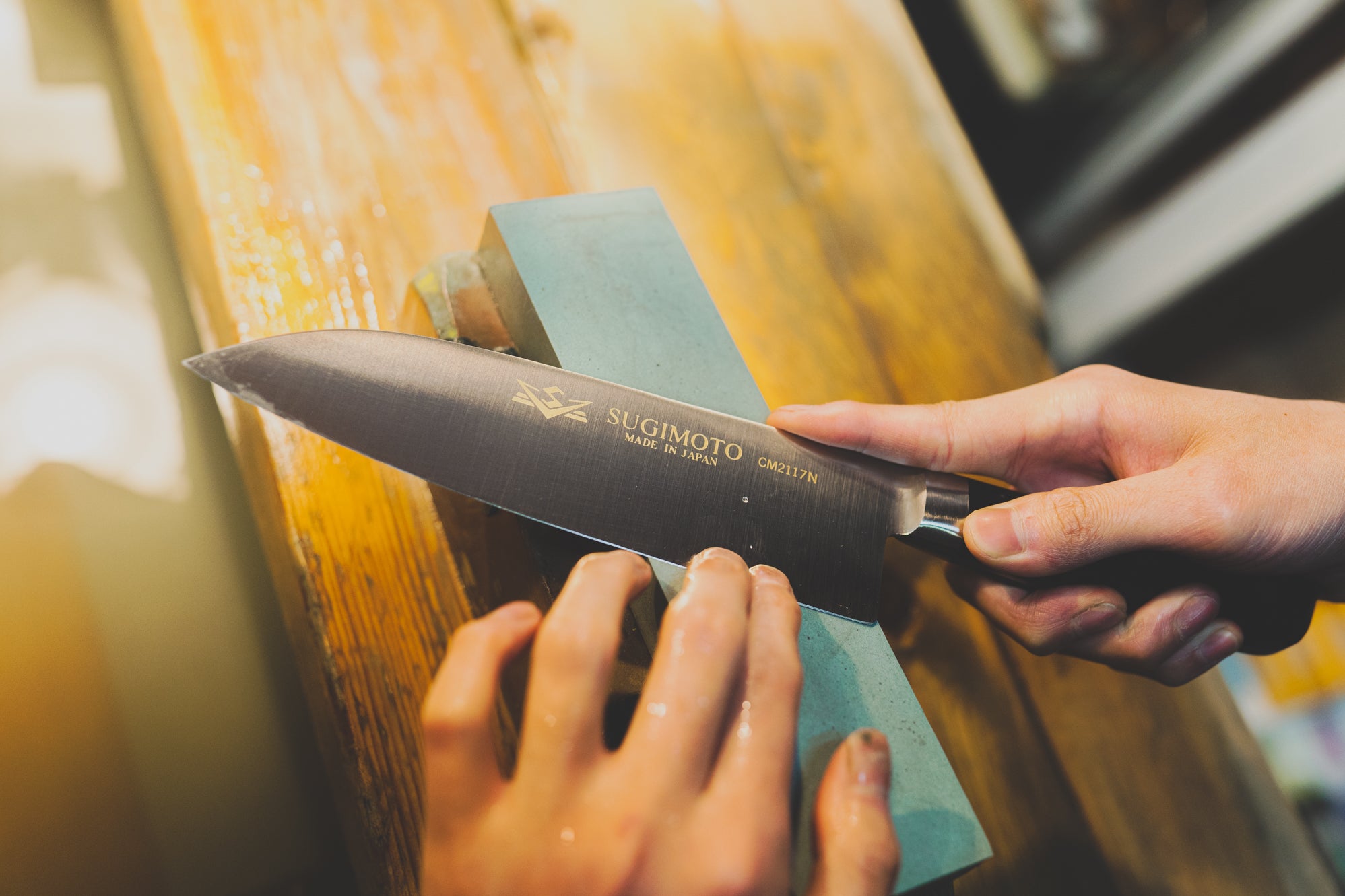
- ✦ Sharpen when needed
Sharpening removes small amounts of metal to create a fresh cutting edge.
- ✦ Store safely
Avoid loose drawer storage that can damage blades and create safety risks.
A Simple Maintenance Routine
Clean the knife after use, dry it fully, check the edge often, and sharpen before performance drops too far. This routine supports a longer Kitchen Knife Lifespan & Replacement cycle.
Repair, Sharpen, or Replace: Making the Right Choice
Not every knife problem requires buying a new knife. Many issues can be solved with sharpening or professional repair.
Kitchen Knife Lifespan & Replacement choices should consider the knife’s value, damage level, and safety.
- ✦ Choose sharpening
Use sharpening when the blade is simply dull but still has a healthy edge.
- ✦ Choose repair
Professional repair may help with minor handle or edge problems.
- ✦ Choose replacement
Replace knives with serious cracks, unsafe handles, or worn-out blades.
Cost Considerations for U.S. Consumers
Replacing a damaged knife may cost less than repeated repairs. However, a quality knife is often worth maintaining because it can serve for many years.