Microwave Control Panel: Fix, Clean, And Use Like A Pro
Microwave control panels let you set power, time, and presets to cook fast and safely.
I’ve worked with kitchen tech for years, and I know microwave control panels inside out. This guide breaks down how they work, what features matter, and how to pick, use, and fix them. You will find clear steps, real-life tips, and plain advice to get the most from your microwave control panel. Read on to understand design, safety, and smart ways to avoid common mistakes.

How a microwave control panel works
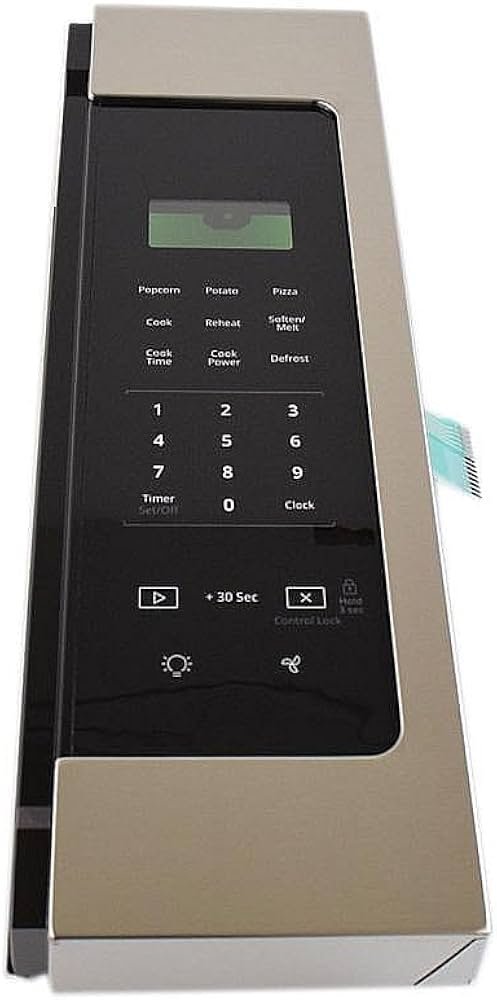
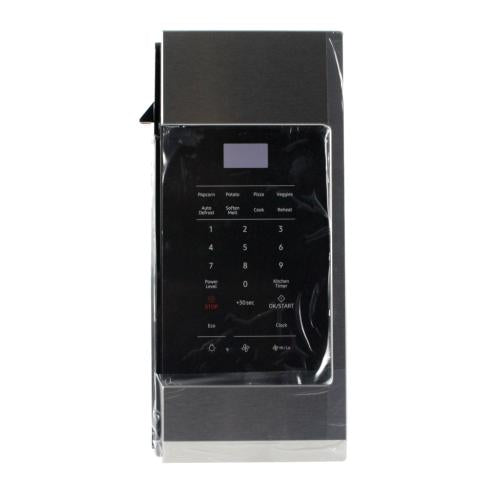
A microwave control panel is the user interface of the oven. It links your inputs to the oven’s electronics. When you press a button or touch a screen, the panel sends a signal to the control board. The board then tells the magnetron how long and how powerful to run.
Most panels use one of three input types:
- Mechanical buttons that click when pressed.
- Membrane touchpads that register pressure.
- Touchscreens with icons and menus.
Common signals sent include time, power level, preset choice, and child lock. Modern panels also send error codes back to the display for easy troubleshooting. Knowing this helps you use the microwave control panel with confidence.

Common features and functions
Microwave control panels range from basic to advanced. Basic panels offer time and power settings. Advanced panels include sensor cooking, presets, and connectivity. Below are core functions to watch for.
Key features:
- Time cook and time defrost for manual control.
- Power level adjustment from low to high.
- Preset buttons for popcorn, potato, and beverage.
- Sensor cooking that adjusts time based on steam and humidity.
- Child lock to prevent accidental use.
Smart features:
- Clock and kitchen timer.
- Programmable memory for favorite recipes.
- Wi-Fi or app pairing for remote control and updates.
- Voice assistant compatibility on some models.
I once tested two microwaves back to back. The one with sensor presets made reheating soups perfectly. The basic one required trial and error. That real difference shows why features matter.
Types and design trends
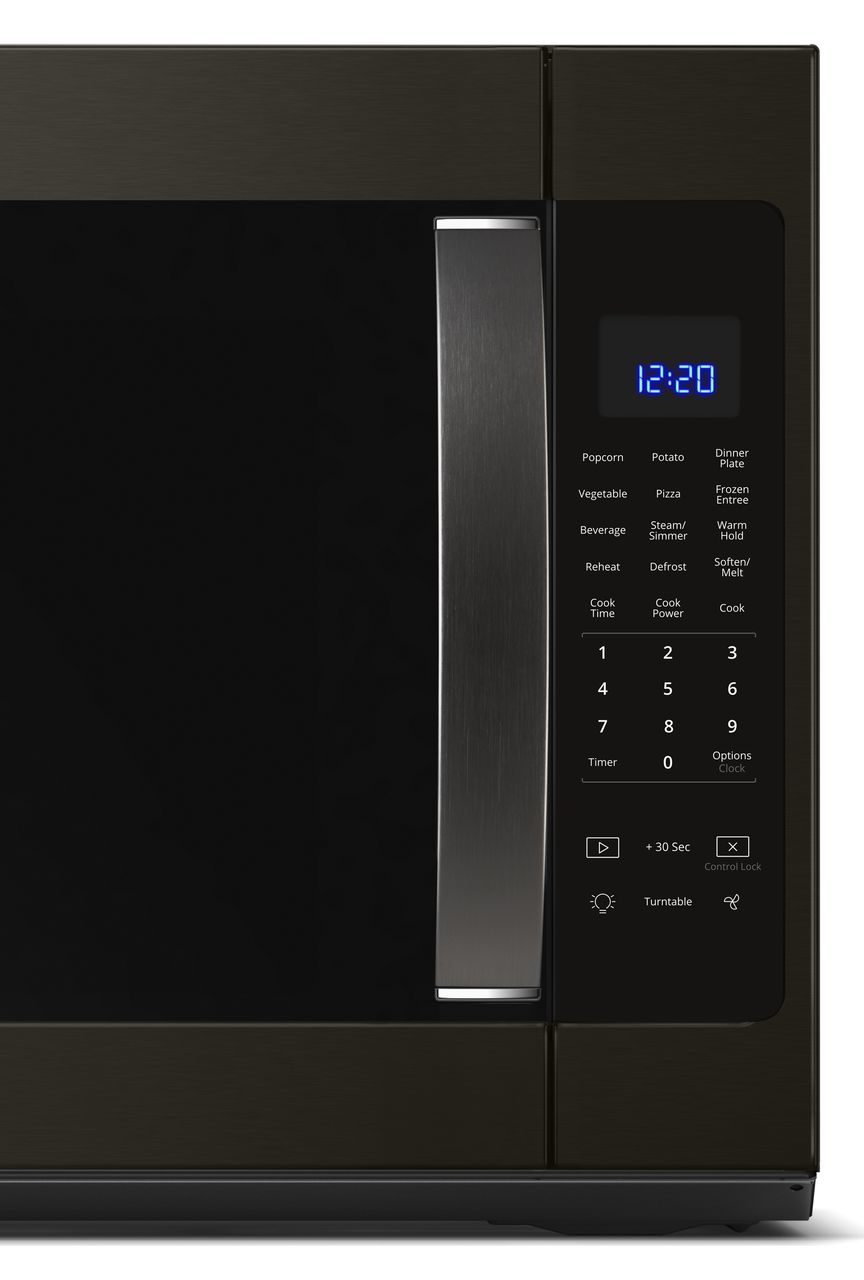
Design affects how you interact with the microwave control panel. You will see these main types.
Physical keypad models:
- Durable and simple to use.
- Good for users who prefer tactile feedback.
- Easier to repair when a single button fails.
Membrane and touchpad models:
- Smooth surface with printed labels.
- Resistant to spills and crumbs.
- If a pad fails, full replacement is often needed.
Full touchscreen models:
- Offer menus and images.
- Easier to update with firmware.
- Can be less responsive with wet hands.
Design trends to note:
- Minimalist layouts with few buttons.
- Backlit displays for low-light use.
- Icons replacing text for universal use.
Choose a style that matches how you cook. If you follow recipes, presets and a clear display help. If you just heat coffee, a basic keypad may be enough.

Troubleshooting and maintenance
Small issues with the microwave control panel are common. Most are easy to fix. Start with simple checks before calling a technician.
Basic troubleshooting steps:
- Unplug microwave for 60 seconds to reset the control board.
- Clean the panel with a soft, damp cloth and mild soap.
- Check the fuse or circuit breaker if the panel is dead.
- Look up error codes in the manual and follow the steps.
When to call a pro:
- If the display is blank after a reset.
- If the panel shows unusual characters or random inputs.
- If the microwave sparks or smells burned.
Safety tip: Always unplug the microwave before opening it. High-voltage parts inside can hold a dangerous charge. I learned this the hard way during a repair class. Never touch the inner parts without training.

Buying guide and practical tips
Pick the right microwave control panel by matching features to your habits. Here is a clear checklist to guide your choice.
What to consider:
- Ease of use: Are the buttons labeled clearly?
- Presets: Do they match foods you cook often?
- Sensor cooking: Useful for one-touch accuracy.
- Display readability: Bigger fonts help quick checks.
- Repairability: Can the panel be replaced affordably?
Shopping tips:
- Test the panel in-store if possible to feel the buttons.
- Read reviews to spot persistent panel faults.
- Prefer models with good customer support and clear manuals.
- Consider extended warranty if you choose a high-tech touchscreen.
My advice from years of testing: choose simplicity with a few smart features. A reliable microwave control panel lasts longer and causes less frustration.

Safety, accessibility, and best practices
A microwave control panel must be safe to use and accessible to all. Good design reduces risk and improves daily use.
Safety best practices:
- Use the child lock when children are near.
- Avoid metal near the interior that may cause sparks.
- Replace panels with damaged buttons to avoid mis-timing.
Accessibility features to look for:
- Large numeric buttons for limited vision.
- Tactile markers on key buttons like start and stop.
- Voice-capable units for hands-free use.
Remember that digital panels can be confusing in power loss. Keep simple manual steps written near the microwave as a backup. A quick paper cheat sheet saved me time during a power outage once.
Two common user questions (PAA-style)
What does the “sensor cook” button do?
Sensor cook detects steam and adjusts time for even heating. It stops when the right level is reached, so food won’t overcook.
Why does my microwave control panel show an error code?
Error codes indicate a fault in the system, such as a stuck key or a malfunctioning sensor. Check the manual for the code and try a simple reset first.

Frequently Asked Questions of microwave control panel
What do the numbers on a microwave control panel mean?
The numbers let you set time, temperature-like power levels, and program codes. They work like a simple keypad to control cooking duration.
How do I reset a frozen microwave control panel?
Unplug the microwave for 60 to 120 seconds. Plug it back in and test the panel; this often clears temporary faults.
Can I replace just the control panel if it stops working?
Often yes, but it depends on the model. Some units allow panel replacement, while others require replacing the whole front assembly.
Is a touchscreen control panel better than buttons?
Touchscreens offer more features and menus, but physical buttons are easier to use for quick tasks. The best choice depends on your comfort and needs.
How do I clean and protect the control panel?
Wipe with a soft damp cloth and mild soap. Avoid abrasive cleaners and excess water to protect electronics and film layers.
Conclusion
This guide covered how microwave control panels work, key features, types, and practical tips for buying and maintenance. Use the tips to choose a panel that fits your cooking style and to avoid common problems. Try presets and sensor cooking to save time and stress. If you have questions or a panel issue, start with a reset and the manual, then seek pro help if needed. Share your experience or ask a question below to keep the conversation going.