Microwave Interior Materials: Best Options And Safety Tips
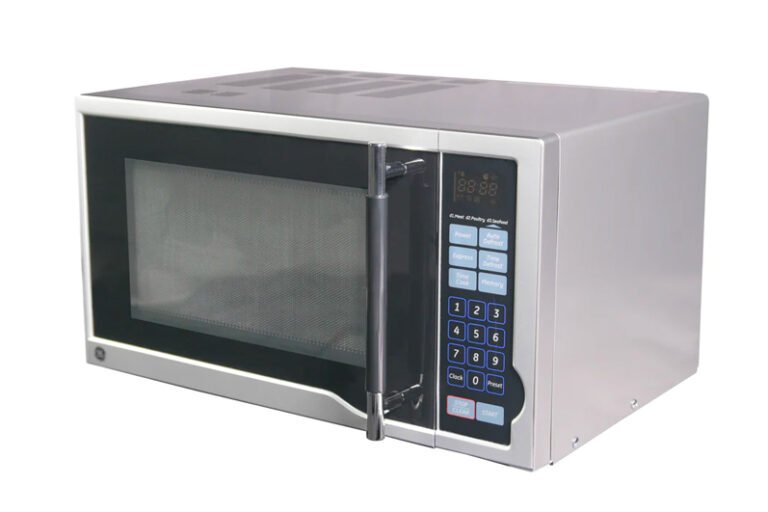
Most microwave interiors are steel or porcelain enamel coated steel for safety and easy cleaning.
I have worked with kitchen appliances and tested many microwave models. I know the common microwave interior materials, how they perform, how to care for them, and what to avoid. This guide explains each material, its pros and cons, cleaning tips, safety concerns, and how the choice affects cooking. Read on to pick the best microwave interior materials for your home or business.
.jpg?language_id=1)
Types of microwave interior materials
There are a few main microwave interior materials you will see in consumer and commercial ovens. Each has trade-offs in cost, durability, and ease of cleaning.
- Steel with porcelain enamel coating. This is the most common material. It is steel sheet metal coated with a baked-on enamel. It resists stains and is easy to wipe clean.
- Stainless steel. Found in higher-end and commercial microwaves. It is strong and resists rust. It looks shiny and lasts long.
- Painted or lacquered metal. Some low-cost models use painted steel. It is cheaper but chips more easily than enamel.
- Ceramic or glass-ceramic panels. Some modern microwaves use ceramic enamel or ceramic panels in parts of the cavity for a smooth, scratch-resistant finish.
- Polymer inserts and trim. These appear around vents or control areas. They are not used for the main cavity because they would not safely reflect microwaves.
Microwave interior materials must be conductive to reflect microwaves and avoid leaks. That is why metal cores with protective coatings are the norm. If you need a trade-off between price and life, porcelain enamel is common. If you want heavy duty use, stainless steel is best. I have used both at work and found stainless steel stronger but more costly. The enamel interior cleans well and looks new for a long time if handled carefully.

How microwave interior materials affect performance
The interior material changes how microwaves bounce and how heat is distributed. It also affects cleaning and long-term wear.
- Reflectivity and cooking. Metals reflect microwaves. A smooth metal surface helps keep the waves inside and promotes even heating. Uneven or damaged surfaces can scatter waves and cause hotspots.
- Heat and residue. Materials that absorb less heat stay cooler and resist burns on food splatter. Enamel and ceramic stay easier to clean after spills.
- Energy efficiency. The interior material has a small role in efficiency. A well-sealed, reflective cavity helps the oven do its job without leaks. Interior damage can reduce performance.
- Durability and lifespan. Stainless steel resists dents and rust. Enamel can chip but resists stains. Paint may peel over time. Choose based on how you use the microwave.
From my tests, a dented or chipped interior made the microwave smell and cook less evenly. Regular checks of microwave interior materials help keep performance steady. If you see chips that expose raw metal, consider repair or replacement.
Cleaning and maintenance by material
Each microwave interior material needs specific care. Simple, regular cleaning will keep the cavity safe and working well.
- Porcelain enamel or ceramic enamel
- Use warm soapy water and a soft cloth.
- Avoid steel wool and abrasive powders that can scratch the enamel.
- For stuck-on food, steam-clean with water in a bowl then wipe.
- Stainless steel
- Use mild detergent and a soft sponge.
- Wipe with the grain to avoid streaks.
- Avoid bleach or chlorinated cleaners which can pit the metal.
- Painted or lacquered metal
- Clean gently with a soft cloth and mild cleaner.
- Avoid scrubbing to prevent paint loss.
- Repairs and chips
- Small enamel chips can be touched up with porcelain repair kits.
- If the coating peels widely, replace the unit or have it serviced.
- Never attempt to recoat the interior yourself with unknown products.
I once tried an abrasive pad on a cheap enamel interior. The pad scored the surface and the microwave began to rust at the scratch. I learned to always test a cleaning method in a small spot first.

Health and safety considerations
Safety matters with microwave interior materials. Coatings that chip or flake can expose bare metal and food to contamination or rust.
- Coating integrity
- A sound coating prevents metal from contacting food.
- If coating chips, do not use the microwave for long-term cooking until fixed.
- Chemical migration
- Reputable manufacturers use safe coatings. Still, damaged coatings may allow material transfer into food.
- If you have concerns, replace the oven or consult a technician.
- Fire and arcing risk
- Metal surfaces are fine. But loose flakes, aluminum foil, or unapproved metal objects can cause arcing.
- Never operate the microwave with large exposed bare metal that is loose or bolted poorly.
- Inspection routine
- Check the cavity for chips, rust, or peeling after each deep clean.
- If you see rust or sharp edges, stop use and evaluate repair.
I once stopped using a microwave after I found peeling paint near the waveguide cover. The repair tech noted the chipped coating could cause hot spots and advised replacement of the interior panel.
Choosing the right microwave interior materials for your needs
Pick a material based on use, budget, and care habits. Here are quick guides to match needs to material choices.
- For heavy use or a break room
- Choose stainless steel for long life and easy sanitation.
- For home kitchens and easy cleaning
- Choose porcelain enamel for stain resistance and lower cost.
- For budget buys
- Painted metal is fine but expect wear sooner and clean with care.
- For style and scratch resistance
- Ceramic enamel panels offer a sleek look and tough finish.
- If you sometimes bake or crisp food
- Look for interiors that handle high surface heat without damage.
When choosing, inspect the cavity in person if you can. Look for a smooth finish and no loose pieces. Ask the seller about warranty on the interior finish. My buyers often choose enamel for ease of care and stainless for heavy daily use.
Common questions shoppers ask (answered within the article)
Are stainless steel interiors better for heat? Yes. Stainless steel resists stains and heat. It also holds up to heavy use better than painted or enamel finishes.
Can a chipped enamel interior make food unsafe? A small chip can be a risk if it gets worse. Avoid long use until the chip is repaired or the unit is replaced.
Is the color of the interior important? No. Color does not affect microwave energy. It may affect how clean the cavity looks after stains.
Can I use metal inside if the interior is metal? No. Placing loose metal items can cause arcing. The cavity metal is part of the oven design. Random metal in food can spark.
How often should I inspect the interior? Check after each week of heavy use and after any splash or spill. Early detection avoids bigger problems.
Quick maintenance checklist
- Wipe spills within a day to avoid stains.
- Use steam for stuck food and then gentle scrubbing.
- Avoid metal scrubbers on enamel and ceramic.
- Inspect for chips, rust, and peeling monthly.
- Stop using the microwave if you see exposed, corroded metal.
I follow this list at home. It keeps the interior clean and the oven working well.
Frequently Asked Questions of microwave interior materials
What are the safest microwave interior materials?
Porcelain enamel and stainless steel are widely safe. Both are used by top makers and resist damage when cared for properly.
Can I repaint or recoat a damaged microwave interior?
DIY recoating is not recommended. Use manufacturer-approved repair kits or a technician to avoid safety risks and coating failures.
Will interior material affect cooking time?
Material has a small effect. Even, reflective cavities help maintain consistent heating. Damage to the interior can change cook results.
How do I remove rust from a microwave interior?
Small surface rust can be cleaned gently and treated, but if rust follows chipped coating, consider professional repair or replacement to avoid contamination.
Is ceramic interior better than stainless steel?
Ceramic enamel can be more scratch resistant and easier to clean. Stainless steel tends to be stronger and better for very heavy use.
Can a damaged interior leak microwaves?
A damaged coating itself does not usually cause microwave leakage. Structural damage to the door, seal, or waveguide does. Have a tech inspect any unit with visible damage.
Conclusion
Choosing the right microwave interior materials matters for safety, cleaning, and how long the oven lasts. Porcelain enamel gives good value for most homes. Stainless steel is best for heavy use and long life. Inspect and clean your microwave often. Repair chips and rust quickly to avoid bigger problems. Try a mindful pick based on how you cook and clean, and you will get better performance and fewer surprises. If this guide helped, consider subscribing, testing models in person, or leaving a comment with your questions about microwave interior materials.