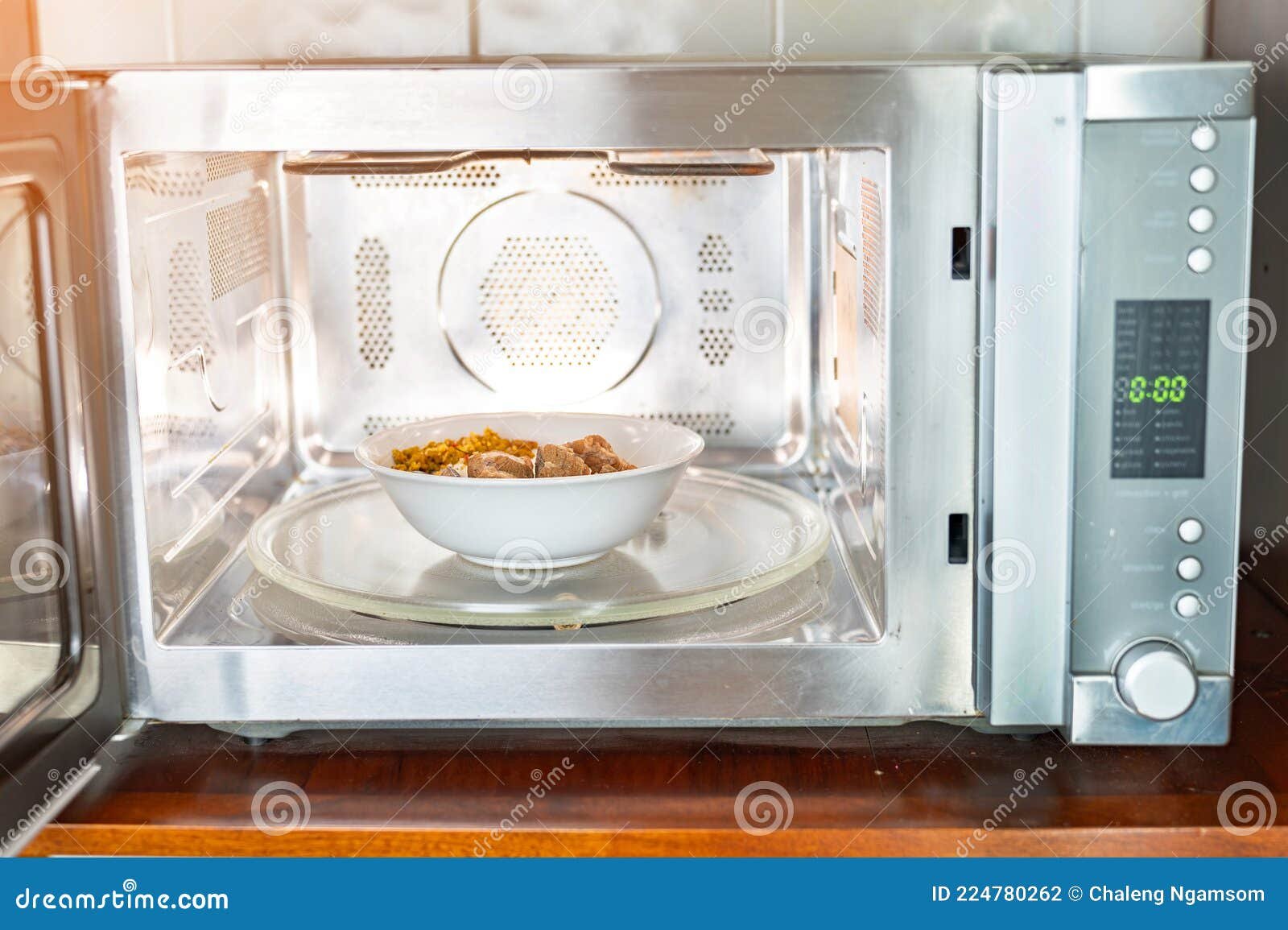
Microwave Cooking & Reheating: Complete Guide to Safe, Fast, and Better Results
Microwave Cooking & Reheating has become a daily habit for many U.S. households because it makes busy mornings, quick lunches, and leftover dinners much easier. A microwave can do more than warm food. It can cook vegetables, prepare simple meals, and help reduce food waste when used correctly.
After years of testing kitchen methods and reviewing cooking practices, one lesson stands out: the microwave works best when you understand heat, moisture, and timing. Small changes like covering food, stirring halfway, and lowering power can create better results.
How Microwave Cooking & Reheating Works
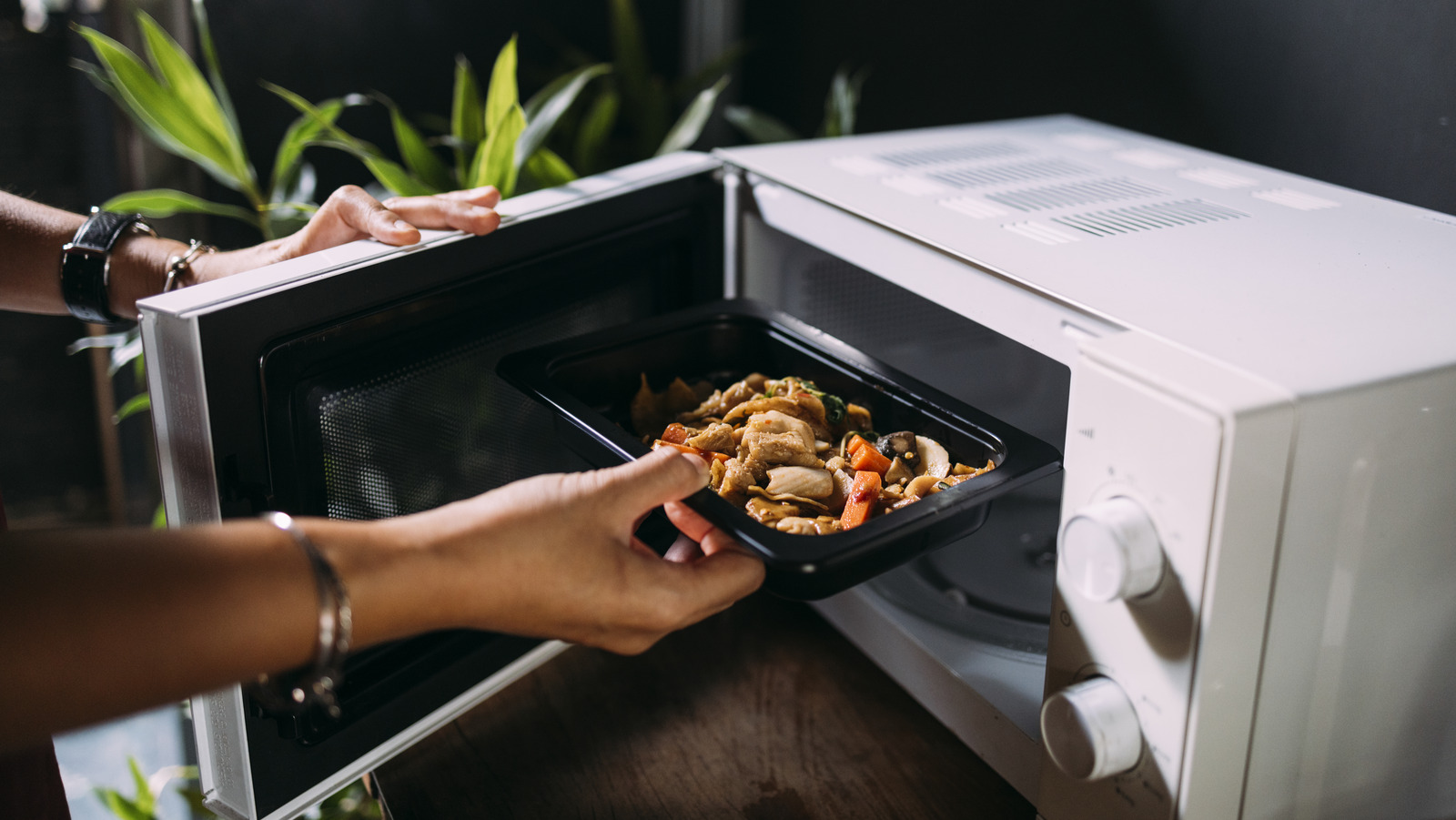
A microwave oven uses electromagnetic waves to create heat inside food. These waves make water molecules move, and that movement creates the heat that warms or cooks the meal.
Unlike a traditional oven, a microwave does not heat the air around the food first. This direct heating method allows faster cooking times, but it also means some foods may heat unevenly.
- ✦ Microwave energy
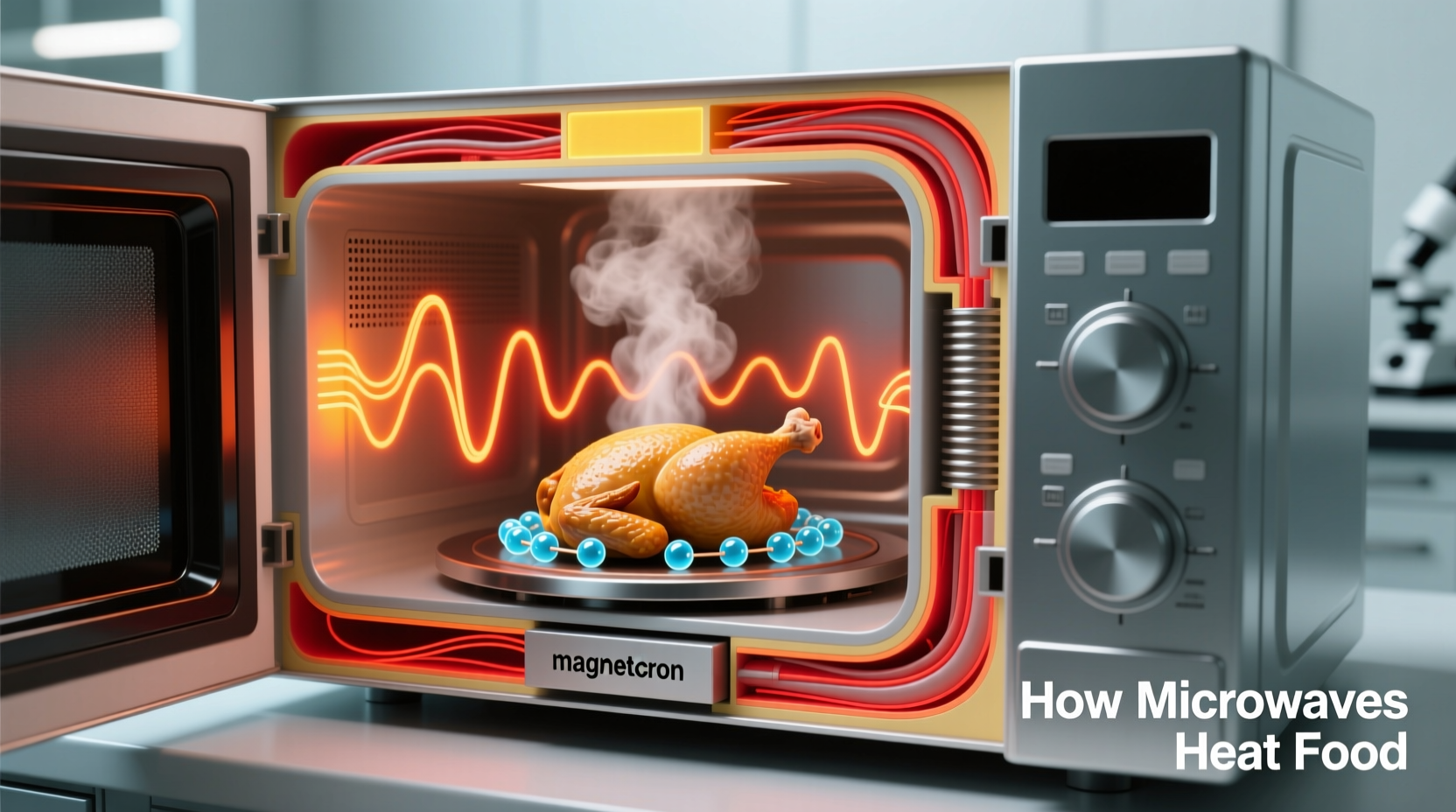
Microwave waves move through food and create heat by exciting water molecules.
- ✦ Heat distribution
Foods with more moisture usually heat faster than dry foods.
- ✦ Cooking control
Power levels and cooking time help control texture and prevent overcooking.
Why Food Heats Unevenly in a Microwave
Uneven heating happens because microwave energy does not always reach every part of food equally. Thick foods, frozen areas, and crowded plates can create cold spots.
For better Microwave Cooking & Reheating results, spread food evenly, rotate the dish when possible, and allow resting time after heating.
- ✦ Food shape matters
Thin and evenly spread portions usually heat more consistently.
Benefits of Microwave Cooking & Reheating
The biggest advantage of microwave cooking is speed. It helps people prepare meals quickly without using extra cookware or heating a full oven.
For many American families, microwaves are useful tools for meal preparation, especially when reheating leftovers from busy workdays.
- ✦ Saves time
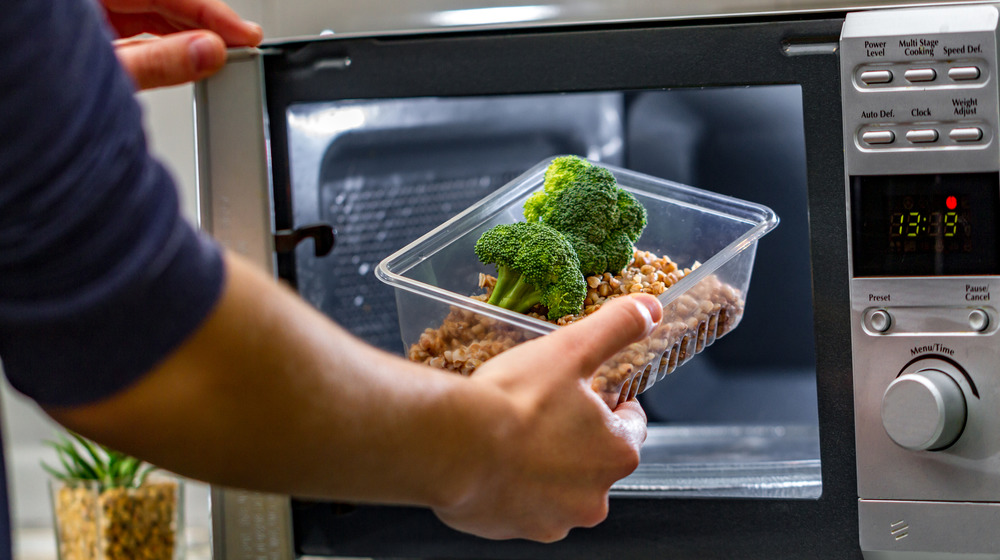
Microwaves can heat many foods in minutes instead of waiting for an oven to warm.
- ✦ Reduces dishes
Many meals can be heated directly in microwave-safe containers.
- ✦ Supports meal planning
Stored meals and leftovers become easier to use during the week.
Best Practices for Reheating Leftovers Safely
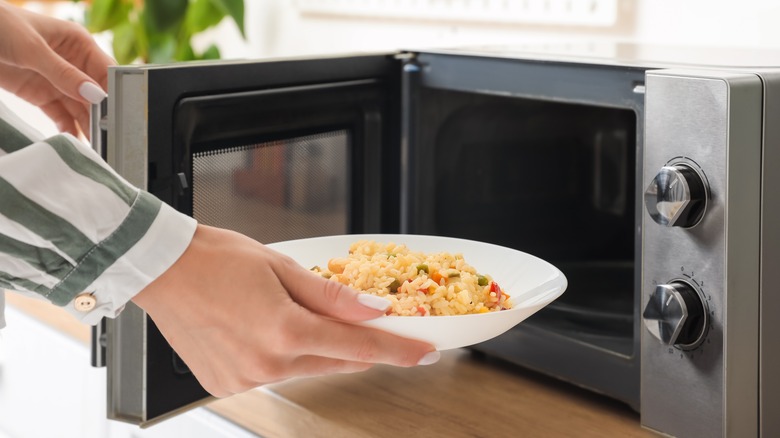
Safe Microwave Cooking & Reheating starts with proper food storage. Leftovers should be cooled and stored correctly before they go into the microwave.
Heating food until it is hot throughout helps improve safety. Stirring food and checking temperature in thicker portions can prevent cold areas.
- ✦ Use microwave-safe containers
Choose containers designed for microwave use and avoid unsafe materials.
- ✦ Cover food
A loose cover helps keep moisture inside and reduces splatter.
- ✦ Heat in intervals
Short heating periods allow better control and more even results.
Foods That Need Extra Care When Reheating
Some foods require careful handling because their texture changes quickly or because they need even heating. Rice, meat, eggs, and seafood should be stored properly before reheating.
Using correct storage and reheating methods helps maintain quality and lowers food safety concerns.
- ✦ Rice and grains
Store properly and reheat until evenly hot.
- ✦ Meat dishes
Check thicker areas because they may heat slower.
How to Improve Microwave Cooking Results
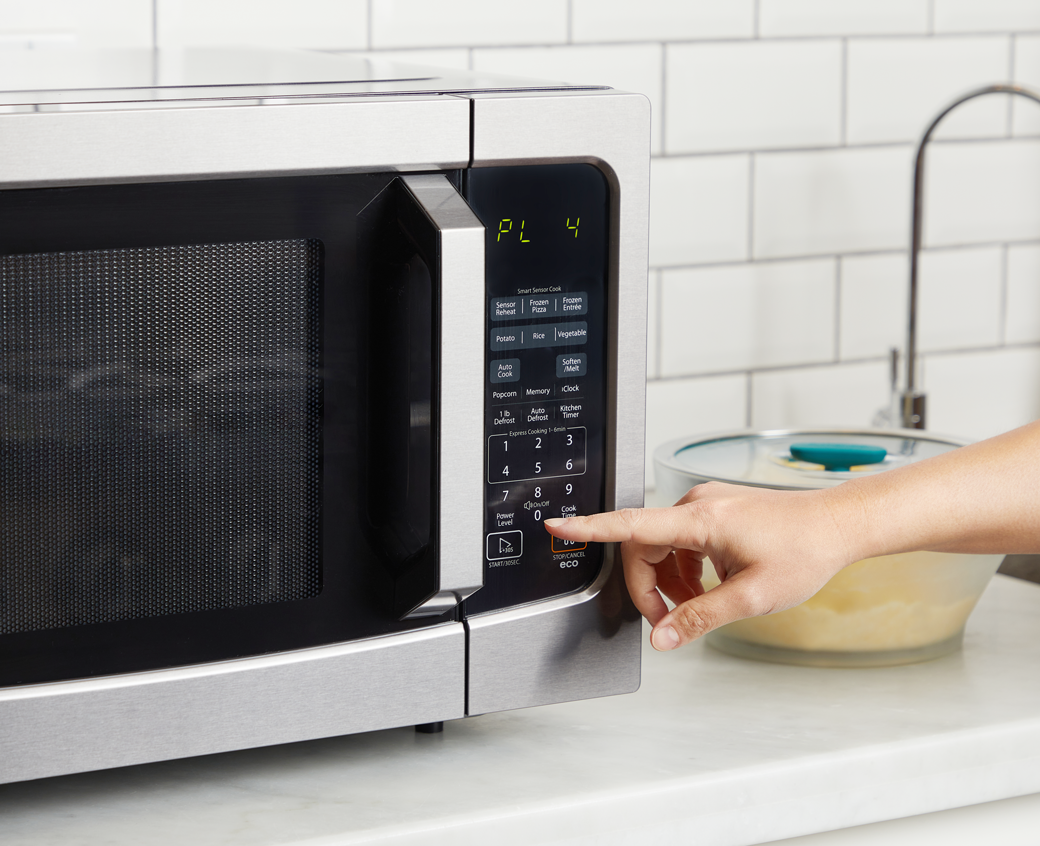
Many people use only the start button on their microwave, but adjusting settings can greatly improve food quality. Lower power levels often work better for delicate foods.
Good Microwave Cooking & Reheating techniques focus on controlling heat instead of simply using maximum power.
- ✦ Adjust power levels
Lower settings help heat sensitive foods more gently.
- ✦ Add moisture
A small amount of water can help prevent dryness in some foods.
- ✦ Allow resting time
Resting helps heat spread through the food after cooking.
Common Microwave Mistakes to Avoid
A few simple mistakes can lead to poor texture, dry meals, or uneven heating. Avoiding these problems makes daily microwave use much easier.
- ✦ Overheating food
Long heating times can remove moisture and damage texture.
- ✦ Using wrong containers
Some materials are not suitable for microwave use.
Microwave-Safe Containers and Kitchen Safety Tips
Choosing the right container is an important part of safe Microwave Cooking & Reheating. Glass, ceramic, and labeled microwave-safe containers are common choices.
Avoid using containers that are not designed for microwave heat because they may not handle high temperatures well.
- ✦ Glass containers
Glass is often a practical option for reheating many foods.
- ✦ Ceramic dishes
Many ceramic dishes work well if they are microwave-safe.
- ✦ Avoid metal
Metal can react with microwave energy and should not be used unless approved by the manufacturer.