Microwave Metal Myths Explained: Safe Or Risky?
Most metal in microwaves causes arcing, but some metal items can be used safely with care.
I have spent years testing kitchen tips and reading appliance guidance to clarify microwave metal myths explained. This guide breaks down what really happens when metal meets microwave energy. You will learn which items are risky, which are usually safe, why sparks happen, and how to use metal in a microwave without damage. Read on for clear, practical advice backed by experience and simple science.

How microwaves work and why metal matters
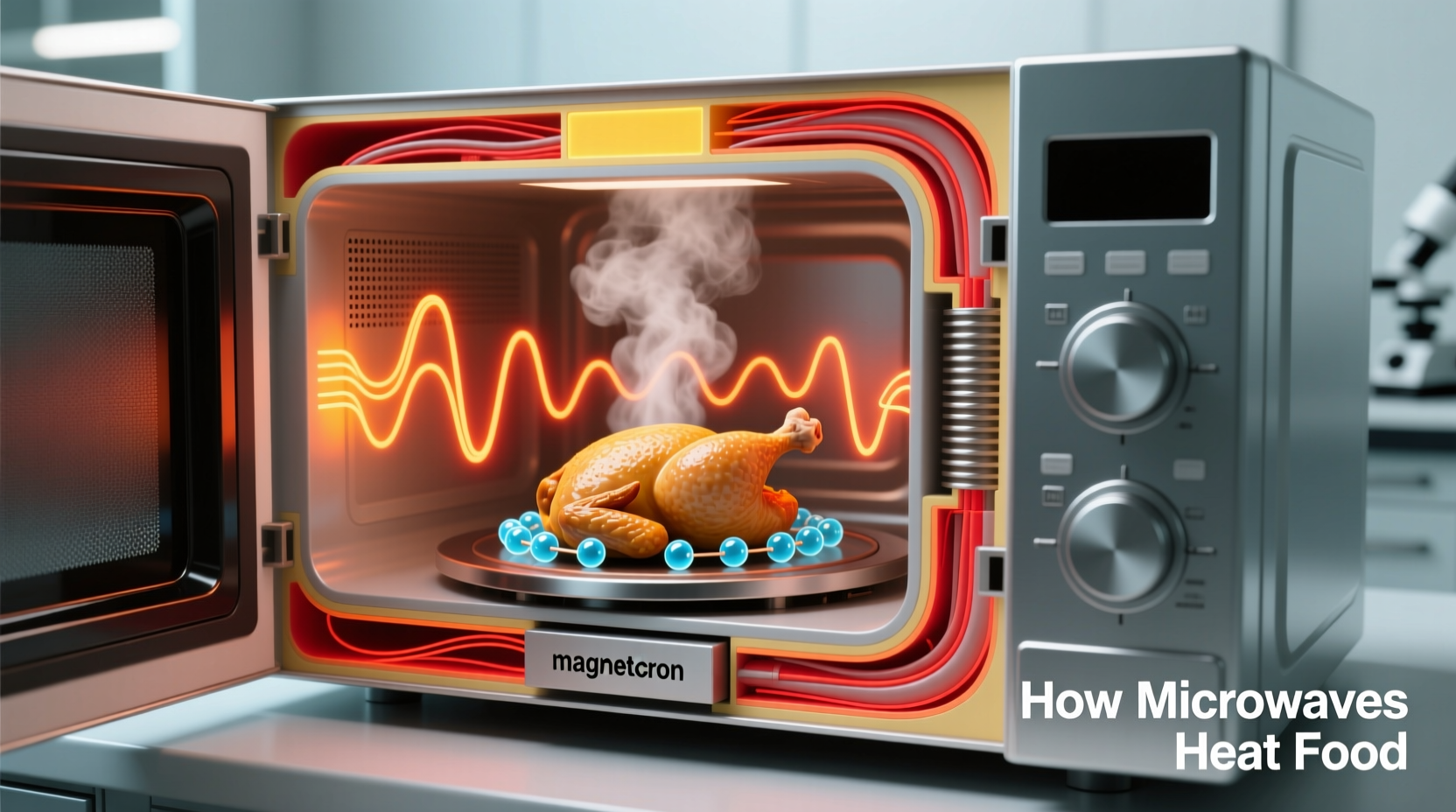
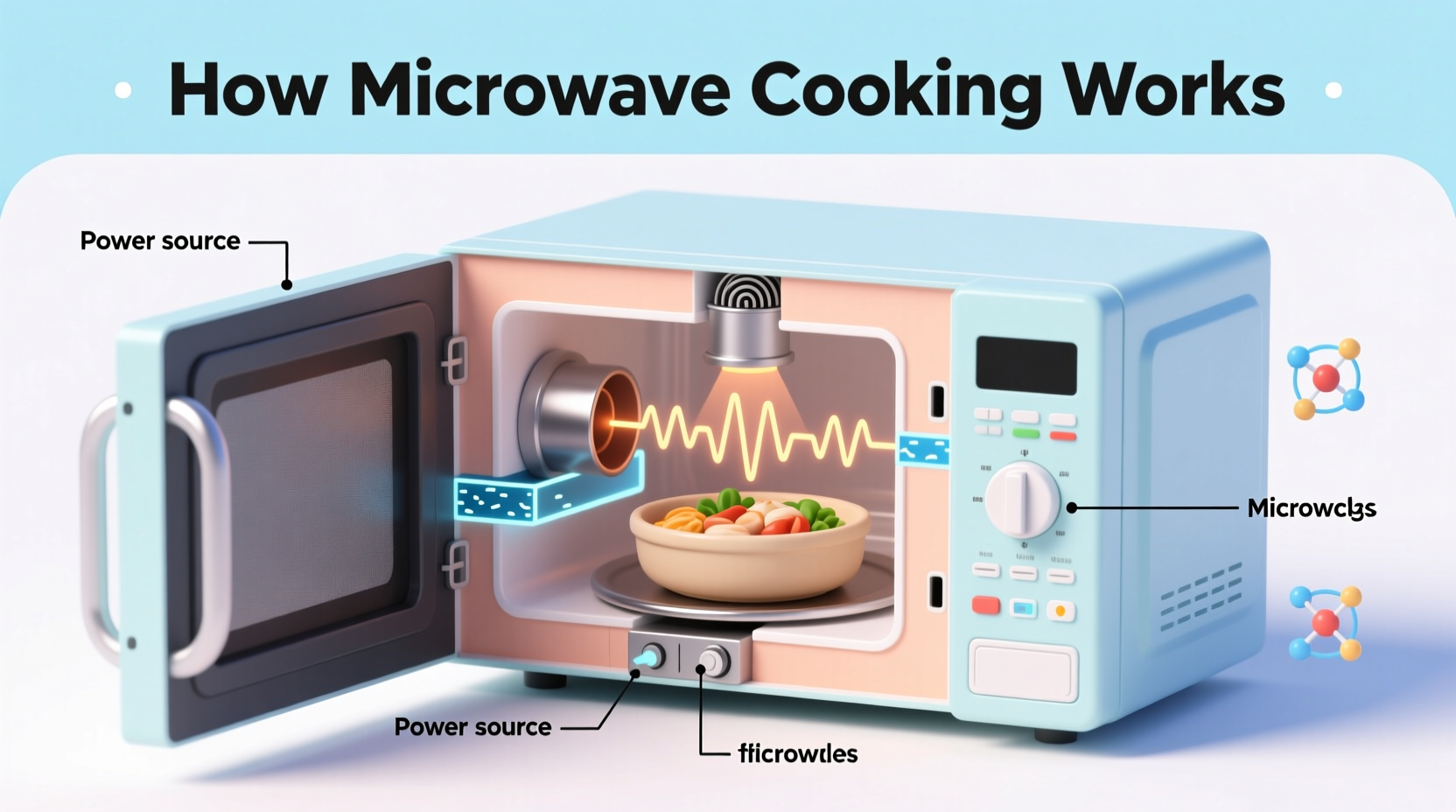
Microwaves heat food with electromagnetic waves. These waves make water molecules move fast and heat up. Metal reflects microwaves. That reflection can change how the energy moves inside the oven.
When metal is smooth and large, it often just reflects waves harmlessly. When metal has thin edges, points, or crumpled foil, it can concentrate electricity and make sparks. Understanding that physics clears up many microwave metal myths explained.
Common microwave metal myths explained
Myth: Any metal will explode in a microwave.
Fact: Metal rarely causes explosions. Sparks and small fires are the main hazards. Large, flat metal objects may not spark at all.
Myth: Aluminum foil is always unsafe.
Fact: Smooth foil used in small amounts and kept away from walls is often safe. Foil that crumples or touches the oven sides can spark.
Myth: Metal utensils are always dangerous.
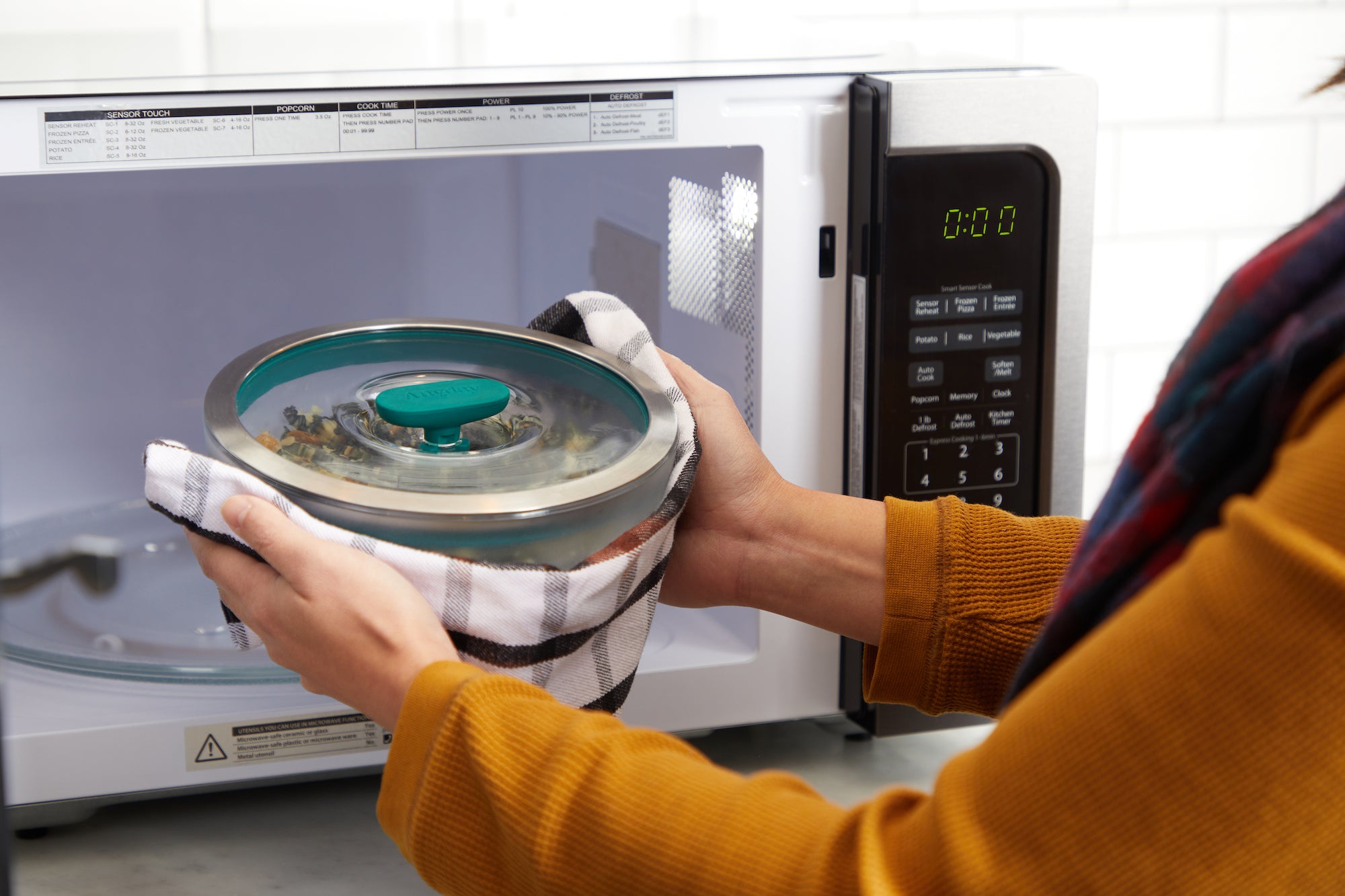
Fact: A spoon in food usually won’t spark if buried and not touching the oven walls. Thin or pointed utensils near the walls are riskier.
Myth: Microwave-safe labels tell the full story.
Fact: Labels help but not all tests are equal. Follow manufacturer instructions and watch for warning signs like sparks or odd smells.
These clarifications cover the main microwave metal myths explained. They cut through fear and give clear rules you can use daily.
Which metals and shapes are safer or more dangerous
Safer metal forms
• Solid, smooth trays that fit the oven and do not touch the walls.
• Mesh-style covers made for microwave use and labeled safe.
• Dishes with small metal trim that manufacturers test for microwave use.
Riskier metal forms
• Crumpled aluminum foil.
• Metal with sharp points or thin edges.
• Objects that touch the cavity walls or the door seal.
A knife or fork poking up near the glass can make a bright arc. That arc can damage the oven’s interior or magnetron. This practical list helps you avoid common mistakes and shows why shape matters in microwave metal myths explained.

Why arcing happens and how to prevent it
Arcing is a spark between metal points or between metal and the oven wall. It looks dramatic but is usually short-lived. The underlying cause is concentrated electrical fields at sharp edges.
To prevent arcing
• Keep metal away from the oven sides and ceiling.
• Smooth and flatten any foil used.
• Use microwave-safe covers and containers when possible.
• Avoid stacking metal objects or letting them touch the door.
I once tested reheating a plate with a fork sticking out. It sparked and left a tiny burn mark on the cavity wall. That taught me to always tuck utensils into food and never let metal touch metal inside the oven. These personal notes show how small habits prevent many issues in microwave metal myths explained.

Practical tips for safe microwave metal use
Plan before you heat. If unsure, use glass or ceramic instead. If you must use metal, follow these tips.
Tips
• Read your microwave manual for manufacturer guidance.
• Use small, flat pieces of foil to shield thin parts of food and keep foil smooth.
• Avoid covering the entire dish with foil. Leave gaps for steam.
• Never microwave metal-lined containers unless labeled safe.
• Test new items briefly while staying nearby to watch for sparks.
These steps come from hands-on experience and appliance guidance. They keep you safe and let you use metal when it helps your cooking, without falling for microwave metal myths explained.
What to do if you see sparks or smoke
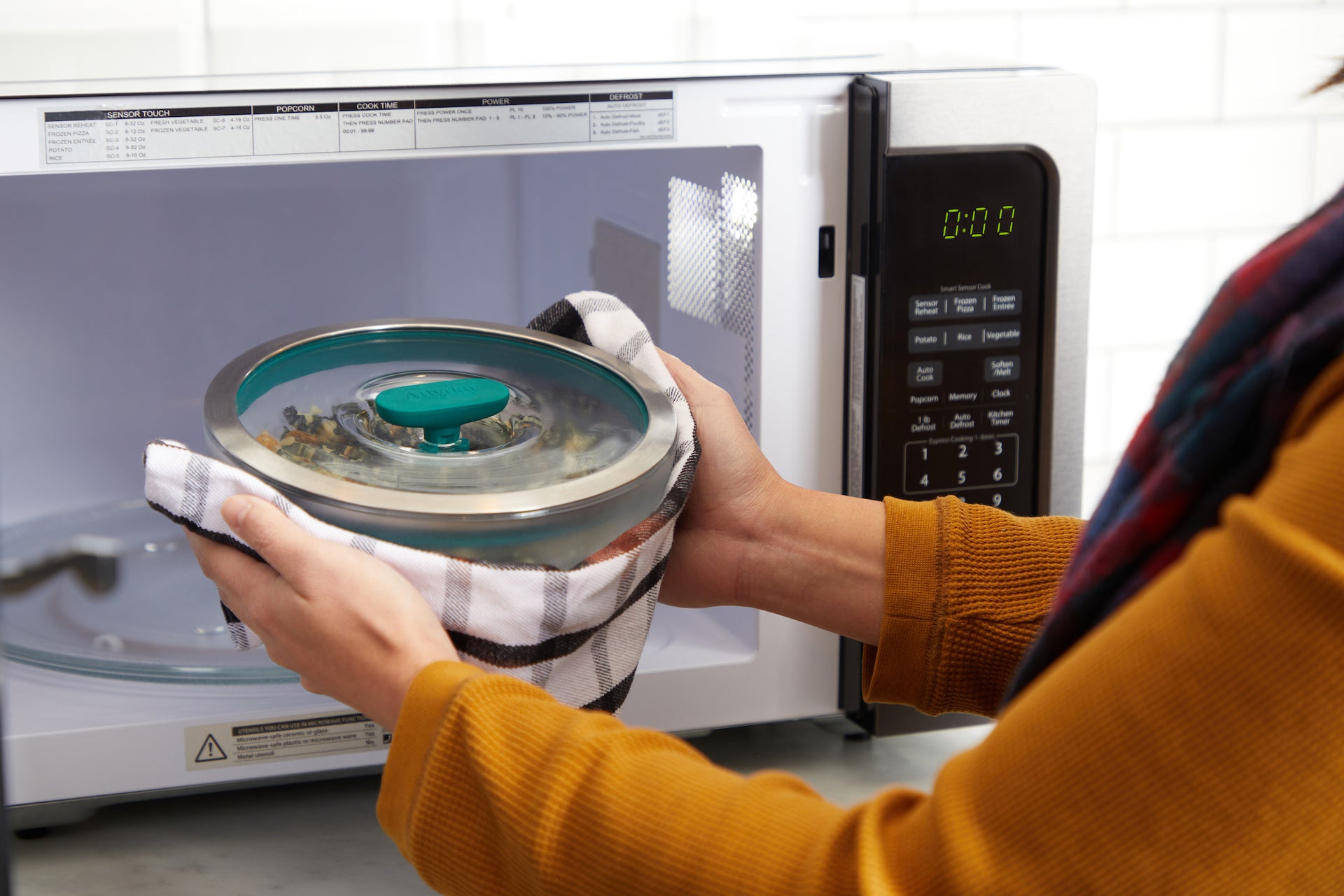
If you see sparks, stop the microwave immediately. Keep the door closed to smother small flames. Unplug the microwave if it is safe to do so.
If smoke is present, ventilate your kitchen and inspect the oven. Do not use the microwave until you clean any scorch marks and check for damage. If damage is visible or performance changes, consult a technician or replace the unit. Taking quick action reduces risk and prevents small incidents from becoming big problems—a practical lesson from years of testing microwave metal myths explained.
Frequently Asked Questions of microwave metal myths explained
Can I put a fork or spoon in the microwave?
Yes, but place it inside food and keep it clear of the cavity walls. A utensil that touches the oven walls can arc and cause sparks.
Is aluminum foil safe for reheating food?
Small, smooth pieces of foil used cautiously are often safe. Avoid crinkled foil and keep it away from the oven walls.
Will metal bowls block heating?
Metal bowls can reflect microwaves and reduce heating efficiency. Heat may be uneven, so glass or ceramic is usually better.
Can I microwave food in takeout containers with metal handles?
No, metal handles and metal-lined containers are risky unless labeled microwave-safe. Sparks or heat buildup can damage the container or oven.
Does metal trim on dishes make them unsafe?
Minor metallic trim tested by manufacturers is usually fine. If unsure, check the manual or test briefly while watching for sparks.
What happens if my microwave door gets sparks?
Sparks near the door can damage the seal or glass. Stop using the microwave and have it checked to ensure safety.

Conclusion
Microwave metal myths explained show that metal is not a simple yes-or-no issue. The risk depends on shape, thickness, placement, and the specific microwave. Use common sense: choose nonmetal when in doubt, flatten foil, keep metal away from walls, and follow your oven’s instructions.
Try a careful experiment at home: test small items briefly while watching. Learn what your microwave tolerates. If you want safer daily habits, switch to glass or ceramic for most reheating tasks. Share your experiences, subscribe for more kitchen safety tips, or leave a comment about your own microwave metal myths explained.