Microwave Steam Function: Boost Flavor And Health
Microwave steam function uses steam inside the oven to cook and reheat food gently.
I have worked with kitchen tech and tested dozens of ovens. I know how the microwave steam function works and when to use it. This guide explains the science, benefits, limits, and real tips I learned from hands-on use. Read on to learn how the microwave steam function can simplify meals, protect nutrients, and speed up cooking.

What is the microwave steam function?
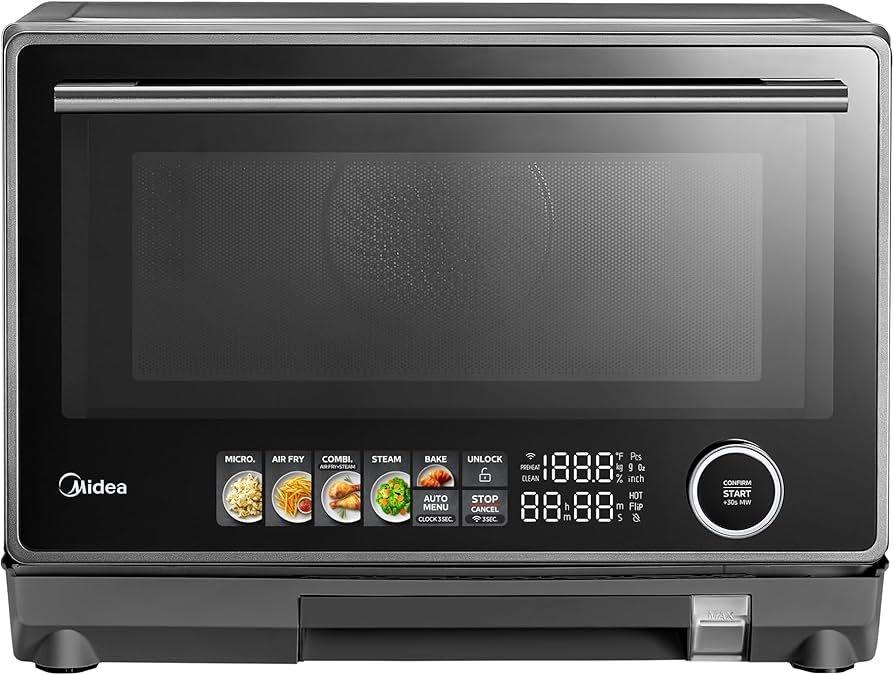
The microwave steam function adds controlled steam to the cooking cavity while using microwave energy. It pairs short microwave bursts with steam to heat food quickly and keep it moist. Many modern microwaves call this steam or steam-cook mode. This mode is different from simple microwaving because it traps moisture and reduces drying.

How the microwave steam function works
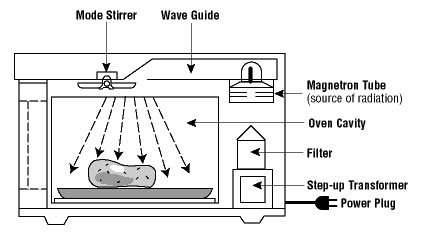
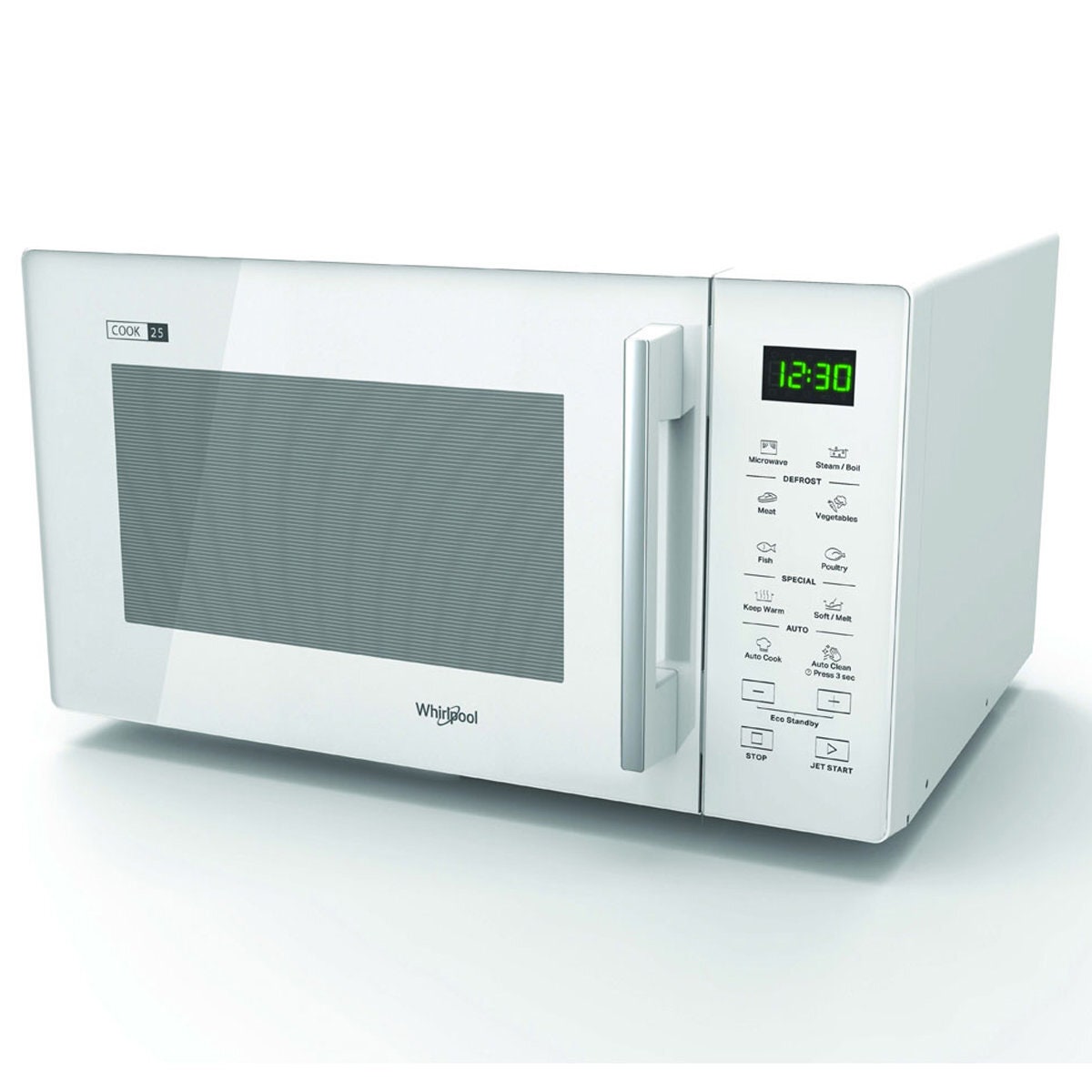
Steam is created by heating a small amount of water inside the microwave. The oven combines steam and microwave energy. Steam transfers heat by condensation. That keeps the surface moist and lets heat move into food evenly.
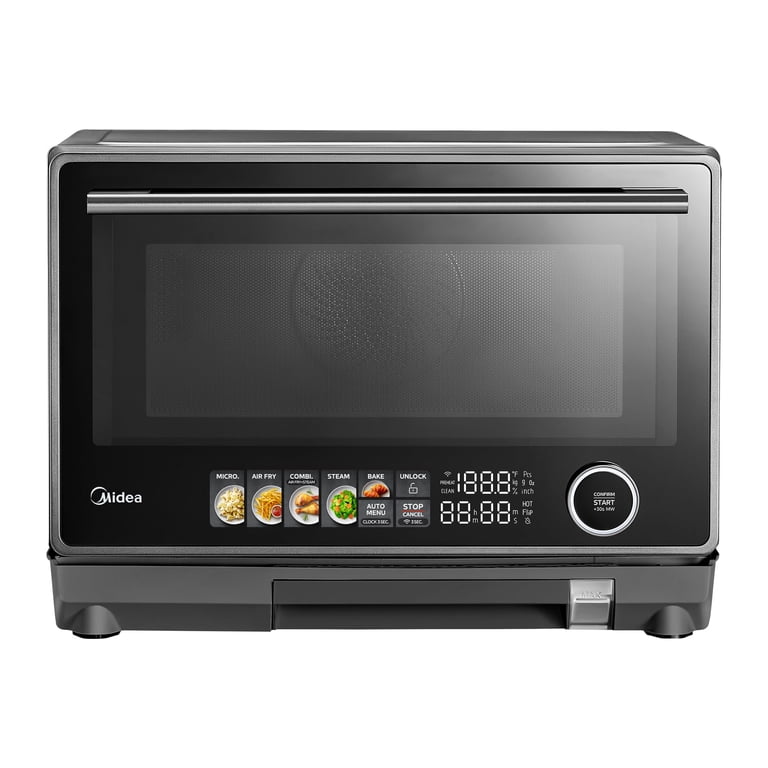
Most models use a built-in water tank or a steam tray. Sensors monitor temperature and humidity to set time and power. Some ovens alternate microwave pulses with steam generation. This mix helps cook food fast while protecting texture and nutrients.
Benefits of the microwave steam function
- Keeps food moist and prevents drying during reheating or cooking.
- Preserves vitamins and flavor by using lower heat than some other methods.
- Cuts cooking time compared to stovetop steaming.
- Reduces need for added fats, making dishes healthier.
- Great for reheating rice, vegetables, fish, and dumplings with better texture.
From my experience, steamed vegetables come out bright and tender. I often use the microwave steam function for quick weekday meals. It saved me time and cleaned up faster than pots and pans.
Limitations and safety considerations
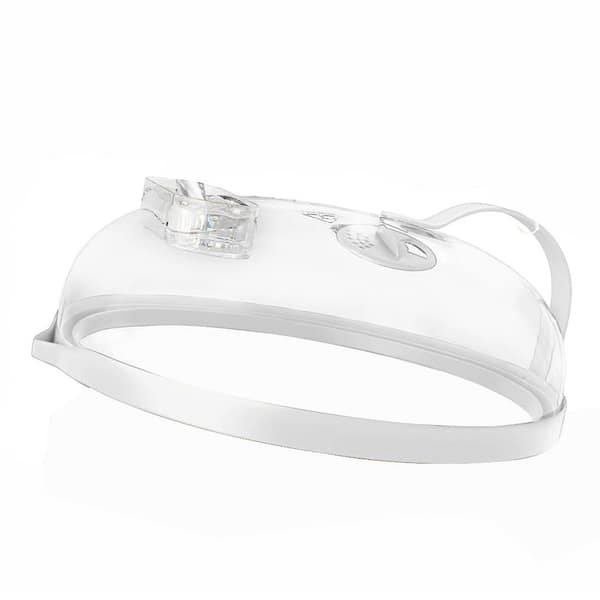
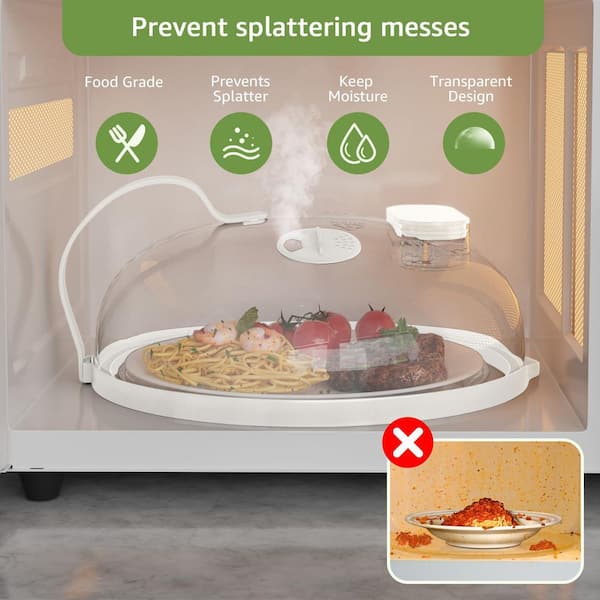
The microwave steam function has limits. It can yield uneven results with very dense foods. Large roasts or thick cuts may not benefit. Steam builds pressure in sealed containers, so do not use airtight lids. Use microwave-safe steam containers and vent lids.
Also, hot steam can burn. Open covers away from your face. If the microwave has no sensor, you may need to adjust time based on food quantity. Be honest: it is not a full steam oven replacement for large batches.
Best practices and practical tips
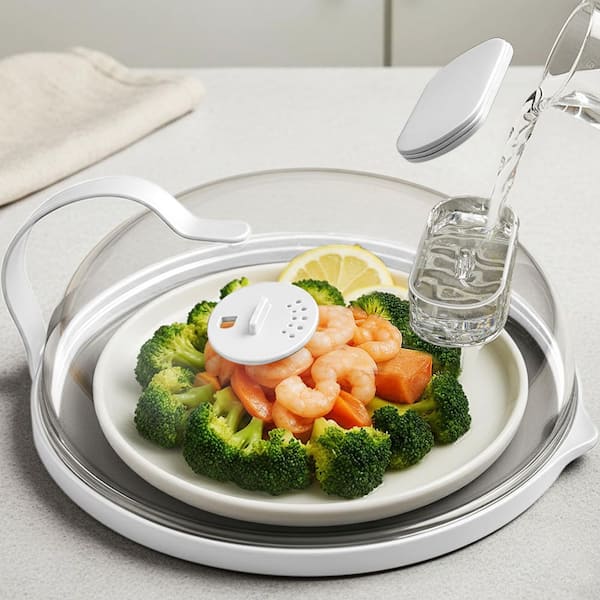
- Use the right container: microwave-safe glass, ceramic, or certified steam bowls work best.
- Add the proper water amount: usually 2 to 4 tablespoons for a single portion, more for larger portions.
- Cut food into even pieces to help consistent steaming.
- Vent lids slightly to avoid pressure buildup.
- Check early and add short extra bursts rather than long runs.
I learned the hard way that too little water makes results dry. I also burned my hand by removing a sealed container too quickly. Now I always let steam escape for a few seconds and use oven mitts. These small steps make the microwave steam function far safer and more reliable.

Microwave steam function vs other cooking methods
- Stovetop steaming: great for large batches and classic technique, but slower and needs a pot and steamer basket.
- Steam ovens: offer precise control and commercial-like results, but they are costly and take space.
- Regular microwaving: faster but tends to dry food and cause hot spots.
The microwave steam function sits between simple microwaving and a steam oven. It is ideal for small portions and quick meals. For large holiday roasts, a steam oven or stovetop steam may be better.
Common misconceptions and troubleshooting
People often think the microwave steam function will always make food soggy. That is not true if you use proper timing and containers. Over-steaming can soften textures, so follow recipes or test short times.
PAA-style questions:
What foods steam best in a microwave steam function?
Vegetables, fish, rice, dumplings, and reheated leftovers steam well. These foods respond to moist heat and short cook times.
Can I steam meat in a microwave steam function?
Yes for thin cuts, fish, and poached poultry. Thick roasts need other methods to cook evenly.
Why does my food get waterlogged?
Too much water or sealed lids trap condensation. Use less water and vent lids to avoid sogginess.

Real examples and simple recipes
Steamed broccoli
- Chop broccoli into equal florets.
- Add 2 tablespoons water in a steam-safe bowl.
- Cover with a vented lid and use 3 to 4 minutes on steam mode.
- Check for tenderness and add 30-second bursts if needed.
Single-serving rice
- Rinse 1/2 cup rice. Add 1 cup water in a microwave steam container.
- Cover and run on steam function for 12 to 15 minutes or until done.
- Fluff with a fork and rest covered for 2 minutes.
Dumplings
- Place dumplings on a rack above 1/4 cup water.
- Steam for 6 to 8 minutes, watching the edges for doneness.
- Serve immediately to keep texture.
These recipes grew from trial and error. I start with shorter times and add as needed. This approach avoids overcooking.
Performance and maintenance tips
- Clean the steam tray and water tank often to prevent mineral buildup.
- Use filtered water to reduce scale and odors.
- Run a vinegar-water steam clean occasionally to clear residue.
- Replace seals or parts per the manual to keep sensors accurate.
Regular care keeps the microwave steam function working like new. I clean mine weekly after frequent use. It keeps flavors fresh and performance steady.
Frequently Asked Questions of microwave steam function
How long does the microwave steam function take to cook vegetables?
Most vegetables cook in 2 to 6 minutes depending on size and type. Start with a short time and add more in 30-second bursts if needed.
Is the microwave steam function better than microwaving without steam?
Yes for moisture and texture. It prevents drying and often preserves more nutrients than dry microwaving.
Can I use regular plastic containers on steam mode?
Only if labeled microwave-safe and steam-safe. Thin plastics can warp or release chemicals under steam heat.
Does steaming in a microwave kill bacteria well?
Steam kills many bacteria at high temperatures, but thorough cooking depends on time and internal temperature. For safety, ensure foods reach recommended temperatures.
Will the microwave steam function save energy?
Often yes for small portions. It uses less energy than large ovens and shortens cooking time.
Can I bake with the microwave steam function?
It is not designed for baking like a conventional oven. Use steam mode to finish or moisten baked goods, not as a primary baking method.
How do I prevent hot spots when using the steam function?
Cut food into even pieces and stir when possible. Let food rest a minute to allow heat to even out.
Conclusion
The microwave steam function is a smart tool for fast, moist cooking and safe reheating. It saves time, protects texture, and can keep nutrients better than dry heat. Use the right containers, add the right amount of water, and start with short times to avoid overcooking. Try it with vegetables, fish, rice, and dumplings to see real benefits.
Try one simple steam recipe this week. Share your result or ask a question below to learn more.