Microwave Cooking Modes: Master Every Setting
Microwave cooking modes let you reheat, defrost, grill, and bake with one appliance.
I have worked with kitchen tech and tested dozens of microwaves. I know how microwave cooking modes change results and save time. This guide explains each mode, when to use it, and how to get better food every time. Read on for clear steps, real tips from my tests, and simple rules you can use today to master microwave cooking modes.
How microwave cooking modes work
Microwave cooking modes are the settings that change how your oven cooks. Some use only microwave energy. Others add hot air, a grill element, or steam. Each mode changes how heat moves through food. That affects texture, browning, and cooking time.
Microwaves heat water molecules fast. Convection adds hot air for browning. Grill elements give direct radiant heat. Combination modes mix these to speed cooking and improve texture. Sensor modes measure humidity and adjust time automatically.
Two short questions people often ask: Can you brown food in a microwave? Yes — use a grill or convection mode, or a crisp tray. Is defrosting better by time or power level? Use low power and short cycles for even thawing.
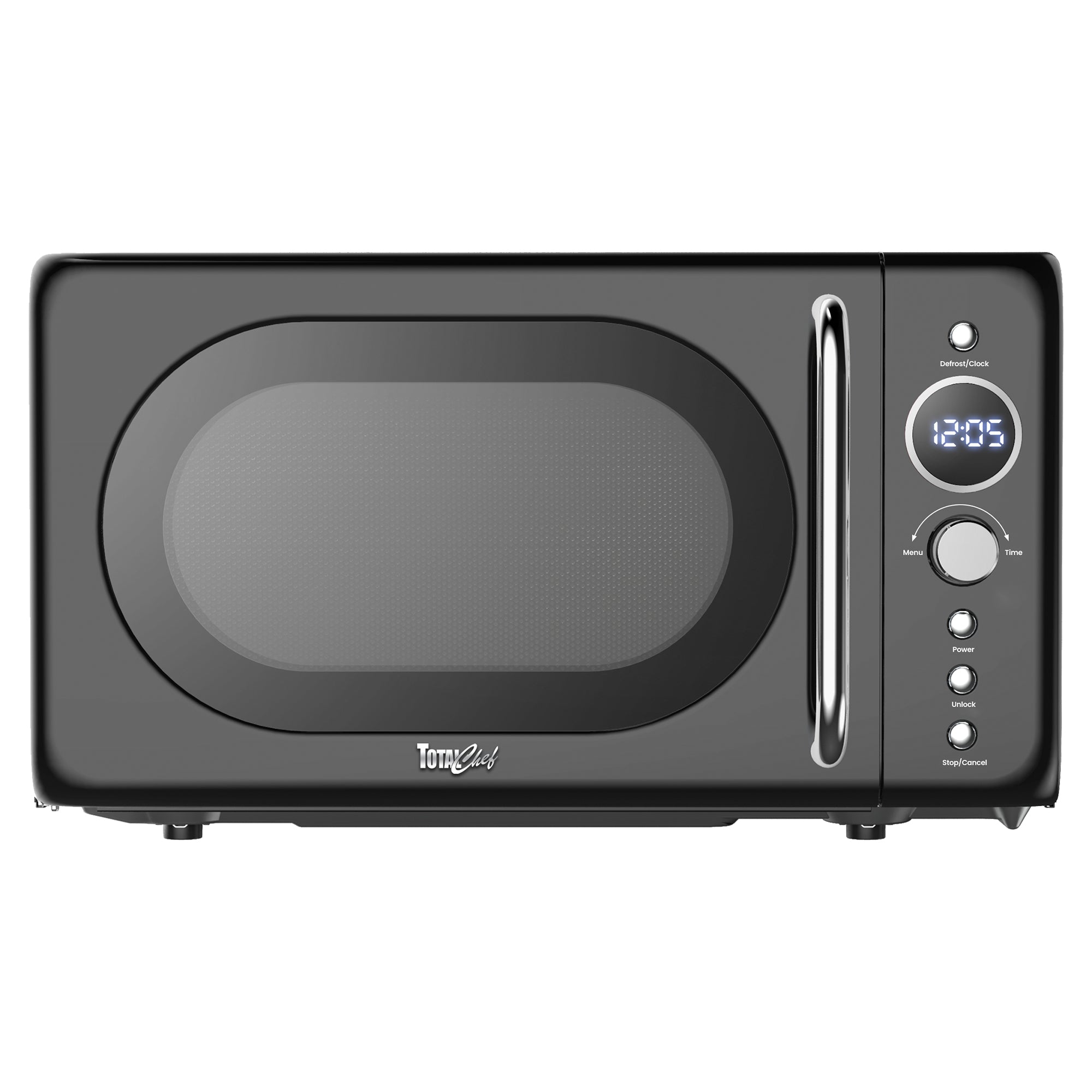
Common microwave cooking modes and when to use them
Below are the common microwave cooking modes you will find. Each entry explains what it does and when to pick it.
-
Microwave (High power)
- What it does: Uses microwave radiation only. Heats fast from the inside out.
- Best for: Reheating, simple cooking, quick defrost in short bursts.
- Tip: Stir and rotate food for even heat. Use lower power for delicate items.
-
Defrost (Auto or manual)
- What it does: Low power or pulsed microwaves to thaw without cooking.
- Best for: Frozen meat, poultry, or breads that need gentle thawing.
- Tip: Stop and separate pieces as needed. Finish thawing in fridge if time allows.
-
Reheat (Auto or sensor)
- What it does: Sensors or presets adjust power and time to warm food.
- Best for: Leftovers and ready meals.
- Tip: Cover food loosely to keep moisture and avoid splatter.
-
Grill
- What it does: Uses a top heating element to brown or crisp the surface.
- Best for: Melting cheese, browning casseroles, crisping pizza edges.
- Tip: Use metal-safe grill trays and monitor closely to avoid burning.
-
Convection
- What it does: A fan circulates hot air like an oven. Great for baking.
- Best for: Cakes, cookies, roasted vegetables, whole chicken.
- Tip: Lower conventional oven temps by 15–25°F as microwaves can bake faster.
-
Combination (Microwave + Grill/Convection)
- What it does: Blends microwave energy with convection or grill heat.
- Best for: Cooking items quickly while keeping a crisp finish.
- Tip: Use for lasagna, baked goods that need faster cook time and browning.
-
Steam
- What it does: Adds moisture to prevent drying and preserve nutrients.
- Best for: Vegetables, fish, dumplings.
- Tip: Use microwave-safe steam containers and short times for crisp-tender results.
-
Crisp / Crisper Pan
- What it does: Special tray or plate that helps brown and crisp foods.
- Best for: Frozen fries, pizza, quesadillas.
- Tip: Preheat the crisp tray if your manual suggests it.
-
Keep Warm
- What it does: Low gentle heat to hold food temperature without further cooking.
- Best for: Buffet service and plating timing.
- Tip: Not for long-term holding; use only for short periods.

Tips and best practices for using microwave cooking modes
Use these practical tips to improve results and safety with microwave cooking modes.
-
Use the right cookware
- Choose microwave-safe glass, ceramic, or approved plastics. Avoid foil and metal unless using grill trays designed for the oven.
-
Cover food
- Use lids or microwave-safe wraps to keep moisture in. Vent slightly to avoid pressure build-up.
-
Stir and rotate
- Pause to stir dense foods. Rotate plates if your oven lacks a turntable.
-
Adjust power levels
- Cut power for delicate items. Use 50% power for custards and 30% for soft defrosting.
-
Let food rest
- Carryover heat evens temperature. Let food sit a minute or two before serving.
-
Use a thermometer
- For safety, check internal temps: 165°F for poultry and reheated dishes.
-
Avoid superheating liquids
- Place a wooden stir stick or nonmetal spoon in liquids to prevent sudden boiling.
From my experience, small changes in plating and stirring cut cold spots most. I learned to trust the sensor modes but still verify with a thermometer. Trial and error on one recipe saves time later.
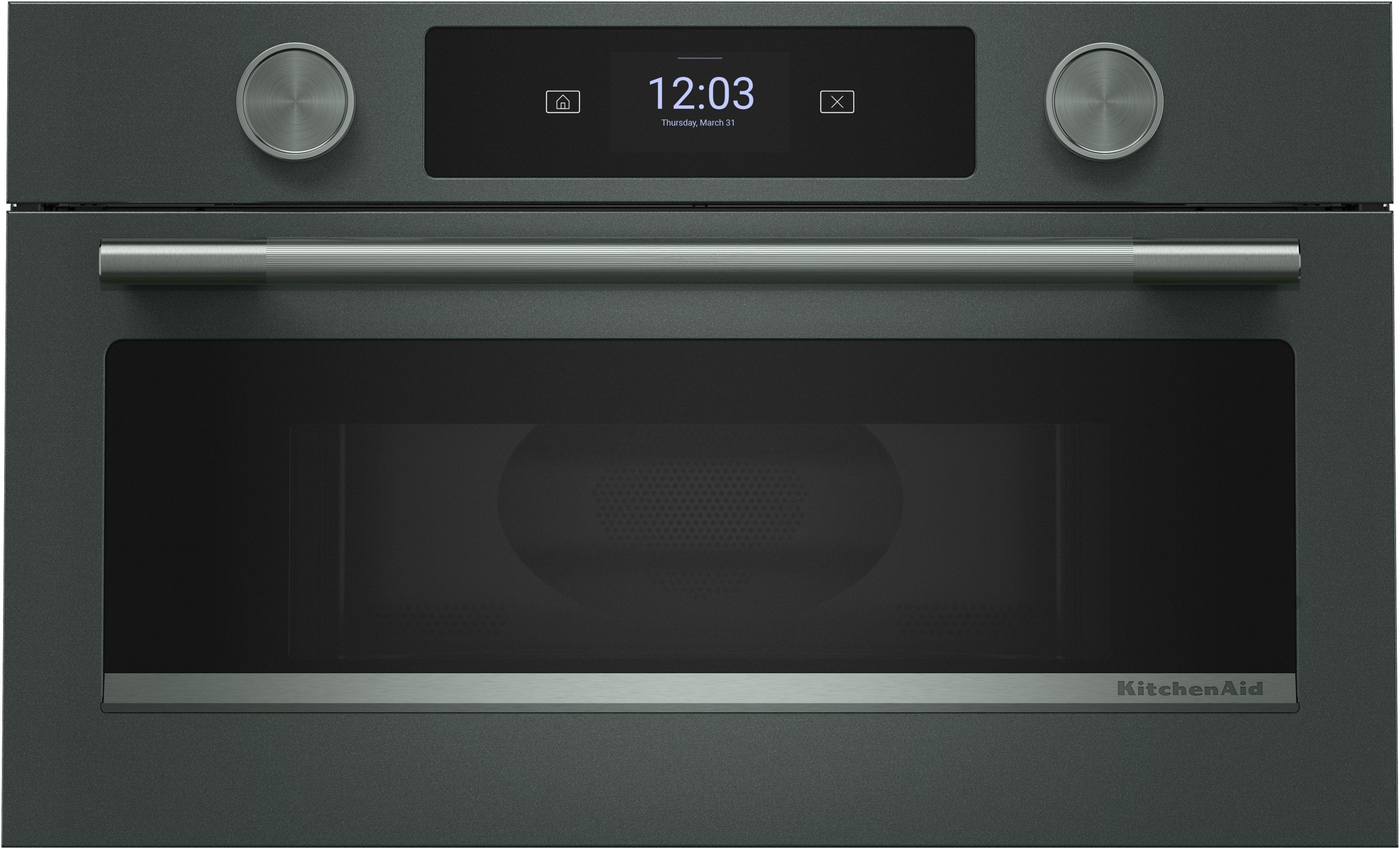
Common mistakes, limitations, and safety
Microwave cooking modes are handy, but they have limits. Know the risks and how to avoid them.
-
Uneven heating
- Microwaves can leave hot and cold spots. Stir and rotate to fix this.
-
No true browning with plain microwave
- Use grill or convection for Maillard browning.
-
Metal can spark
- Never use ordinary foil. Use metal only if the manual allows it for grill mode.
-
Overcooking delicate foods
- Reduce power and check early. Foods can dry out quickly.
-
Safety limits
- Rely on safe internal temps. Defrosting at room temp can cause bacteria growth.
Be transparent: some foods just cook better in a full-size oven. Use the microwave modes to save time and add flexibility, not to fully replace traditional cooking when texture matters most.

Examples and quick recipes by mode
Short examples you can try. Each uses common microwave cooking modes and simple steps.
-
Reheat pizza (Grill or combination)
- Place slice on crisper tray and grill for 1–2 minutes to revive crisp edges.
-
Steam vegetables (Steam mode)
- Add cut veggies and a tablespoon of water to a steam container. Microwave 2–4 minutes until crisp-tender.
-
Defrost ground meat (Defrost mode)
- Use low power in 1–2 minute bursts. Break up cold lumps after each burst.
-
Quick mug cake (Microwave mode)
- Mix batter in a mug and cook at full power for 60–90 seconds. Let rest 1 minute.
-
Roast chicken pieces (Convection)
- Pat dry, season, and roast at convection setting. Reduce usual oven time by about 10–20%.
These simple steps reflect tests I ran at home. Small tweaks make a big difference. Try lower times and check often.

Choosing the right microwave for your needs
When buying, focus on features that affect cooking modes. These choices shape how well the device handles tasks.
-
Wattage
- Higher watts cook faster and more evenly. Aim for 900–1200 W for versatile use.
-
Inverter technology
- Inverter microwaves give steadier, lower power levels for gentler cooking and thawing.
-
Convection and grill options
- Choose models with grill or convection if you want browning and baking functions.
-
Sensor cooking
- Sensors help prevent overcooking by adjusting time based on steam. They save guesswork.
-
Cavity size and turntable
- Pick a size that fits plates and casserole dishes. Consider inverter and flatbed designs for more space.
-
Build and warranty
- Good seals and reliable parts cut maintenance. Check warranty terms and service options.
From my reviews, inverter plus convection gives the most flexible results. If you value crisping, pick a model with a crisper tray and grill element.

Frequently Asked Questions of microwave cooking modes
What is the difference between microwave and convection modes?
Microwave mode uses electromagnetic waves to heat food fast. Convection uses hot air and a fan to brown and cook like an oven. Combination mode blends both for speed and texture.
Can I use metal in grill or convection modes?
Use metal only if the manufacturer allows it for specific grill or convection accessories. Never put loose foil or ordinary metal containers on microwave-only mode.
Which mode is best for defrosting meat?
Use the defrost mode or low power (20–30%) in short cycles. Turn or separate pieces often to avoid partial cooking.
How do sensor cook modes work?
Sensor cook modes measure steam or humidity emitted by food and stop when the level matches a preset for doneness. They simplify cooking but may need manual checks for accuracy.
Is it safe to microwave liquids for making hot drinks?
Yes, but avoid overheating or superheating by using short intervals and placing a nonmetal object like a wooden stir stick in the cup. Always test the temperature before drinking.
Conclusion
Microwave cooking modes unlock speed, convenience, and better texture when you know how to use them. Use microwave mode for fast heat, defrost for gentle thawing, grill or convection for browning, and combination modes for the best balance. Practice simple tips like covering food, using the right cookware, and checking temperatures to improve results.
Try one new mode this week. Test a recipe, adjust times, and note what works. If you found this guide helpful, leave a comment, share your favorite microwave trick, or subscribe for more kitchen tips.