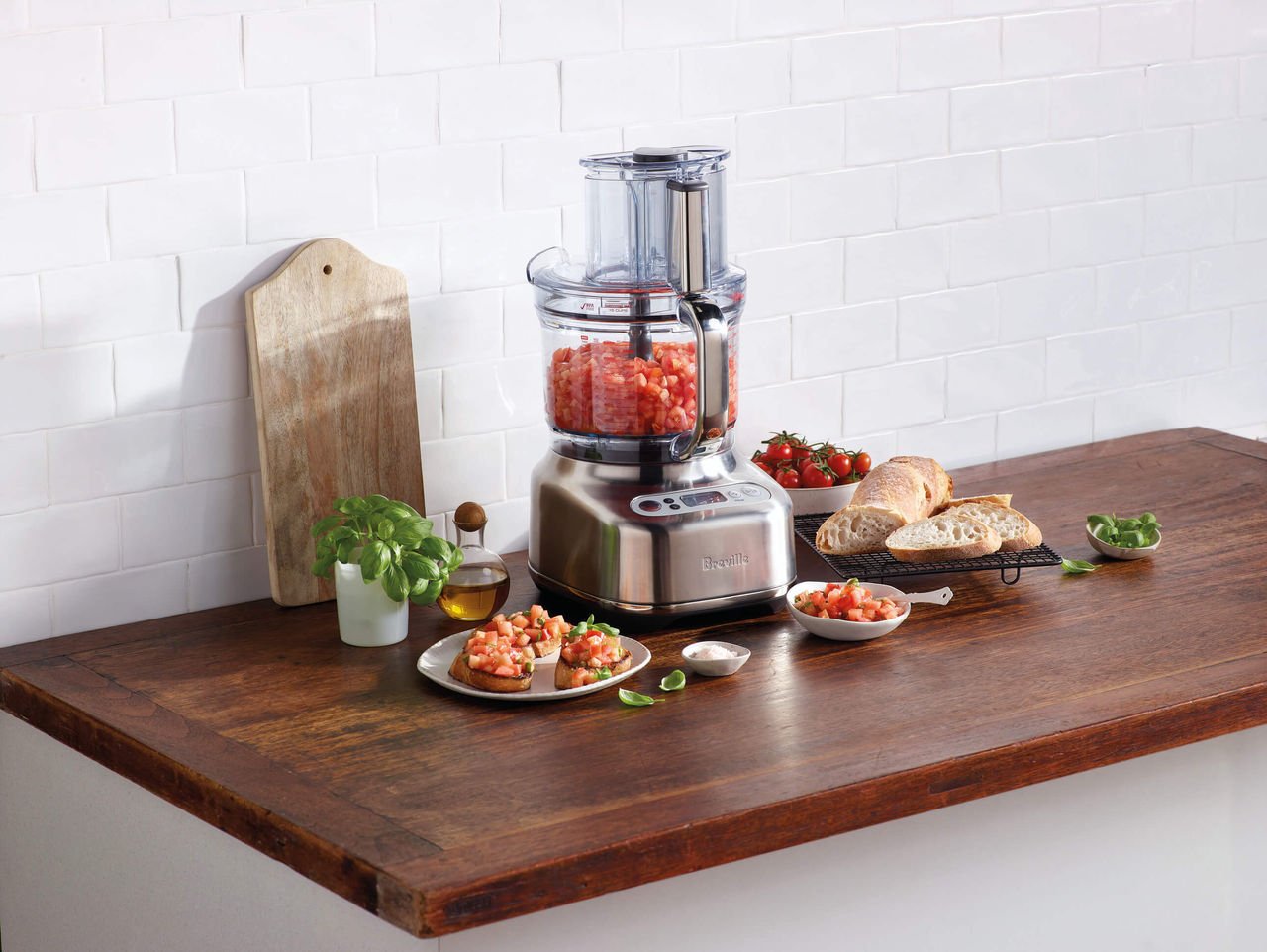
Food Processor Uses & Capabilities: What It Can Do and How to Use It
A food processor is one of the most useful tools for fast food prep. In a typical U.S. kitchen, it can cut down the time needed to prep vegetables, make dips, shred cheese, mix dough, and prepare sauces. Its real value comes from its range of jobs, not from one single function.
The best Food Processor Uses & Capabilities depend on the blade, disc, bowl size, and food you place inside. A sharp S-shaped blade works well for chopping and blending. A slicing or shredding disc handles jobs that would take much longer by hand. With the right setup, one machine can handle many parts of a meal.
In practical kitchen work, the biggest benefit is batch prep. Instead of chopping several onions, carrots, or nuts by hand, you can process them in seconds. The key is to use short pulses when you want control and avoid filling the bowl beyond its safe capacity.
This guide explains the main Food Processor Uses & Capabilities, what each attachment does, where the machine works best, where it falls short, and how to get better results without over-processing your food.
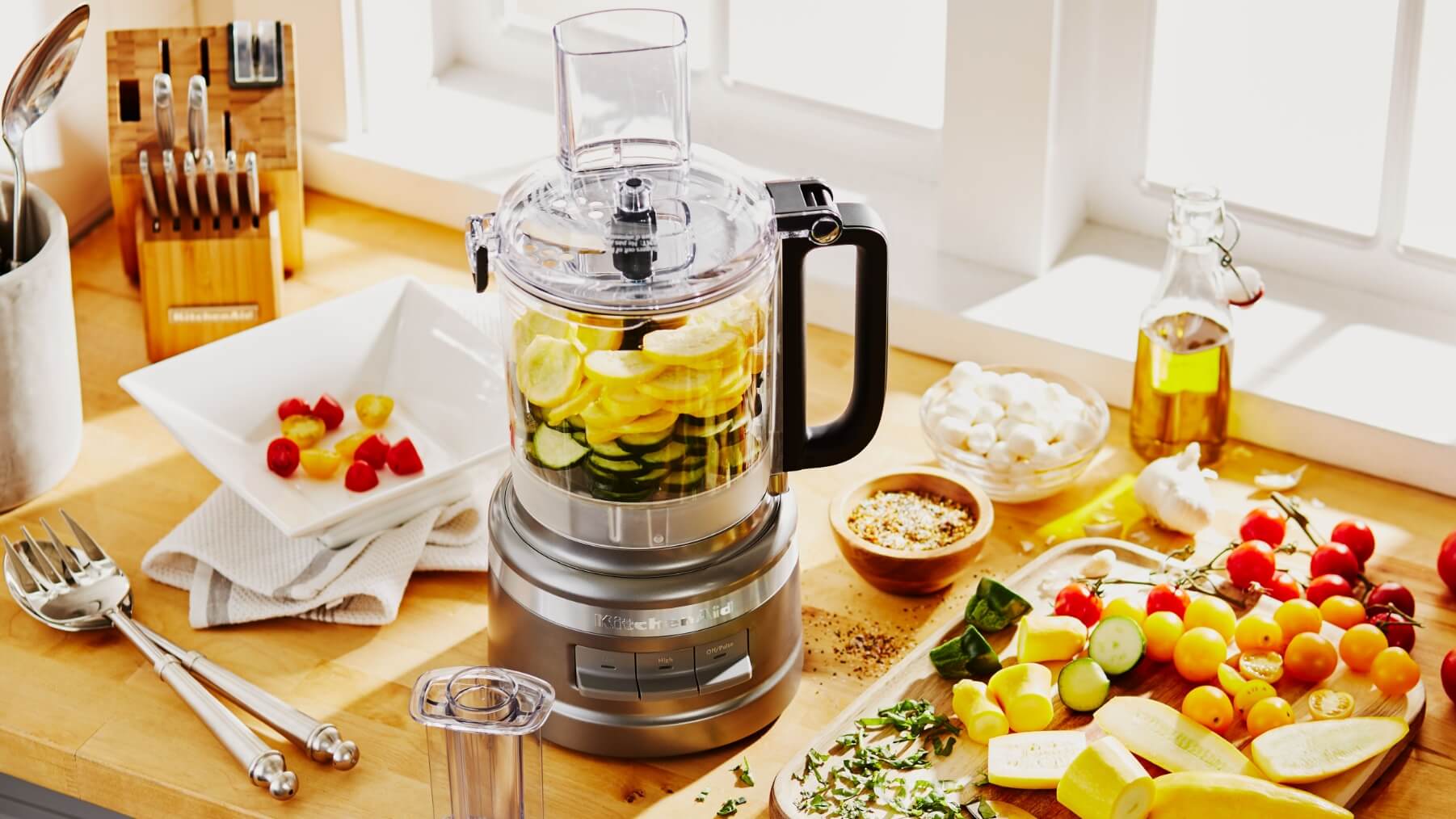
What Is a Food Processor?
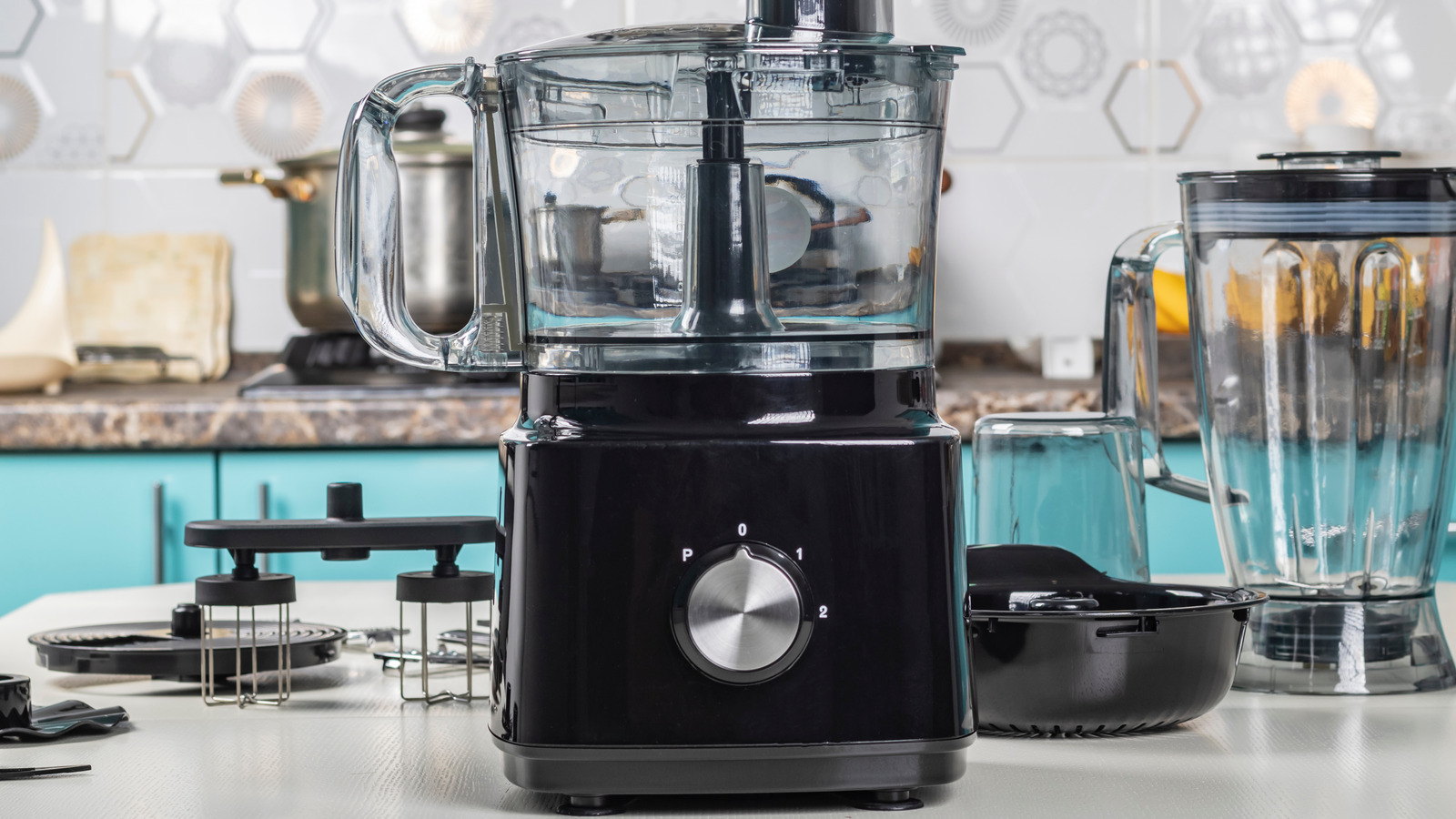
A food processor is an electric kitchen appliance made to cut, mix, and process food with a motor-driven blade or disc. Most full-size models have a work bowl, feed tube, lid, motor base, and several attachments. Smaller models may have fewer settings and a smaller bowl.
Unlike a blender, a food processor usually has a wider bowl and a wider working area. This makes it better for chopping solid foods and handling dry mixtures. A blender is often better when you need a smooth liquid mixture.
Understanding the Food Processor Uses & Capabilities starts with the attachments. The same machine can perform very different jobs when you switch from the main chopping blade to a slicing, shredding, or dough blade.
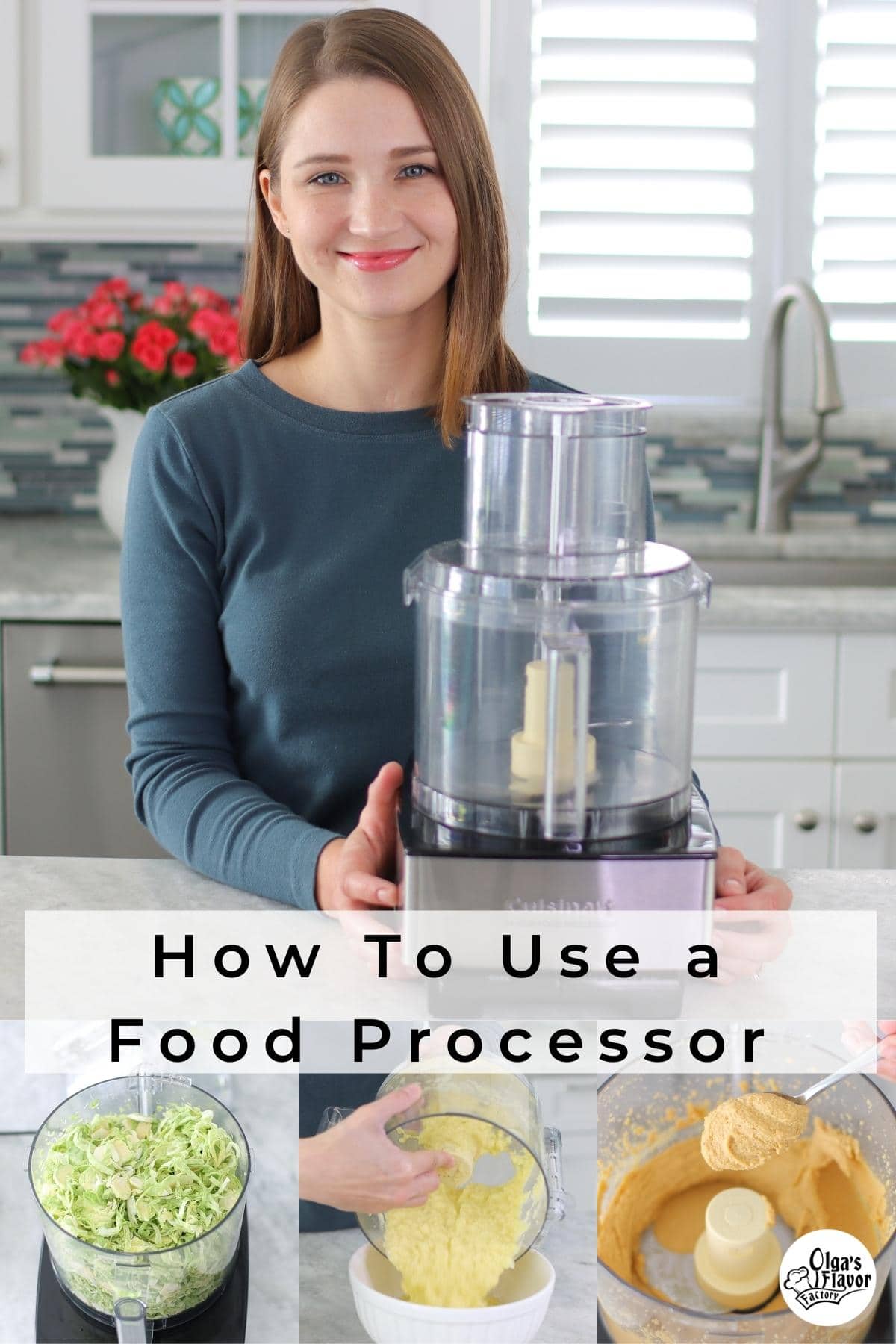
- ✦ Work bowl
The bowl holds the food while the blade or disc does the work. Its size limits how much food you should process at one time.
- ✦ S-shaped blade
The main blade is commonly used for chopping, mincing, mixing, pureeing, and making many sauces or dips.
- ✦ Slicing disc
A slicing disc cuts foods into even pieces. It can help with potatoes, cucumbers, carrots, onions, and other firm foods.
- ✦ Shredding disc
A shredding disc turns foods such as cheese, carrots, cabbage, and potatoes into thin shreds.
- ✦ Dough blade
Some food processors include a dough blade made for mixing and kneading certain doughs.
Food Processor vs. Blender
A food processor and blender can both break food into smaller pieces, but they are built for different jobs. A food processor is often more useful for dry chopping, slicing, shredding, and mixing thick foods. A blender is usually better for liquids, smoothies, and very smooth drinks.
You can make some purees in both appliances. The better choice depends on how much liquid the recipe needs and how smooth you want the final texture.
- ✦ Choose a food processor
Use it for chopping vegetables, shredding cheese, slicing produce, making dough, chopping nuts, and thick dips.
- ✦ Choose a blender
Use it for smoothies, thin soups, drinks, and recipes that need strong liquid circulation.
Chopping, Mincing, and Dicing
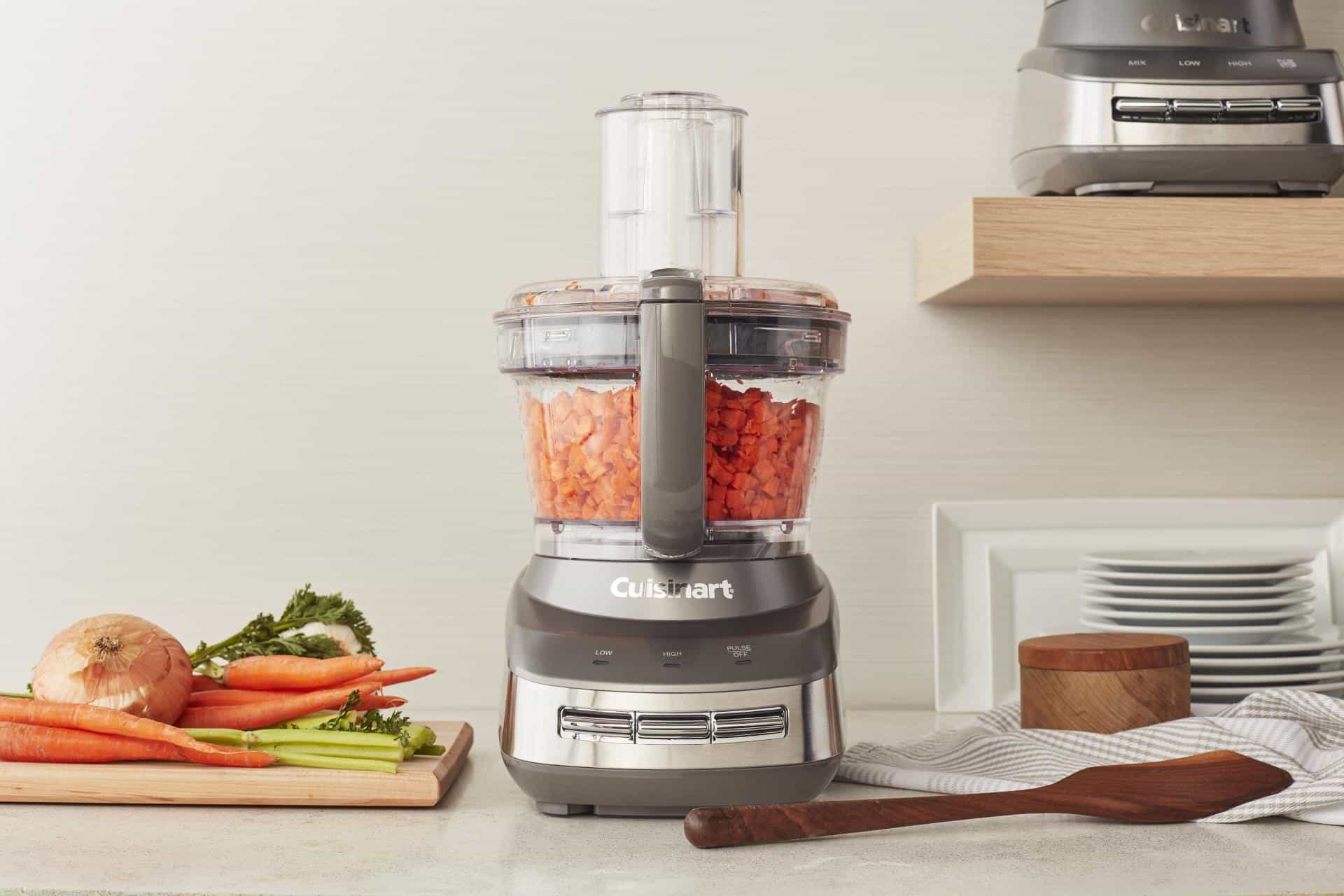
Chopping is one of the most common Food Processor Uses & Capabilities. The main blade can quickly cut onions, garlic, carrots, celery, herbs, nuts, and many other foods. Short pulses give you more control over the size of the pieces.
A food processor does not always create perfectly even dice. The food near the blade may become smaller before food higher in the bowl reaches the same size. For that reason, use short pulses and scrape the bowl when needed.
For salsa, stuffing, mirepoix, or chopped vegetables, this method can save a lot of prep time. Start with firm pieces that are similar in size. This helps the blade work more evenly.
- ✦ Cut large foods first
Cut large vegetables, fruit, or other foods into smaller chunks before processing. This reduces strain on the motor and improves consistency.
- ✦ Use pulses
Press the pulse button in short bursts when you want chopped food rather than a smooth paste.
- ✦ Do not overfill
A crowded bowl can produce uneven results. Work in batches when the food reaches the recommended fill level.
- ✦ Watch soft foods
Soft foods can turn into a paste very quickly. Stop often and check the texture.
Good Foods for Chopping
Food processors work well with many firm foods. Onions, carrots, celery, peppers, mushrooms, nuts, and herbs are common examples. Very soft or watery foods need more care because they can become mushy.
- ✦ Vegetables
Chop onions, carrots, celery, peppers, mushrooms, and other firm vegetables for soups, sauces, fillings, and meal prep.
- ✦ Nuts
Pulse almonds, walnuts, pecans, peanuts, and similar nuts to the texture your recipe needs.
- ✦ Herbs
Chop herbs for sauces, dressings, fillings, and marinades, but avoid processing them longer than needed.
Slicing and Shredding With Food Processor Discs
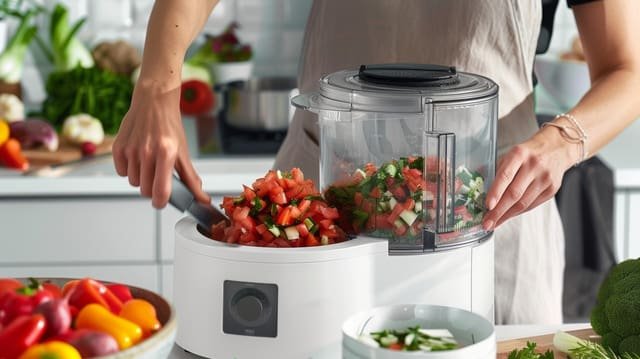
Slicing and shredding are among the most useful Food Processor Uses & Capabilities when you need a large amount of evenly cut food. Instead of using a knife or box grater for a whole batch, you can feed the food through the processor.
A slicing disc can cut vegetables and fruit into thin or thick slices, depending on the disc and machine. A shredding disc can prepare cheese, carrots, cabbage, potatoes, and other foods for salads, casseroles, slaws, and toppings.
The feed tube is important here. Cut the food so it fits securely, then use the pusher rather than your hands. Never put your fingers into the feed tube while the machine is running.
- ✦ Potatoes
Slice potatoes for casseroles or shred them for hash browns and similar dishes.
- ✦ Cheese
Shred firm cheese in batches for pizza, pasta, casseroles, sandwiches, and salads.
- ✦ Carrots and cabbage
Shred or slice these vegetables for slaws, salads, soups, and meal prep.
- ✦ Cucumbers
Slice cucumbers for salads, sandwiches, and chilled dishes when an even cut is useful.
How to Get Even Slices
Use foods that are firm and similar in size. Keep the feed pressure steady and use the pusher to guide the food. Too much pressure can change the thickness or make the food less even.
- ✦ Keep pieces upright
Position vegetables so they sit securely in the feed tube. This can help produce more consistent slices.
- ✦ Use steady pressure
Press the food down with a smooth, even motion instead of forcing it through the tube.
Pureeing, Blending, and Making Dips
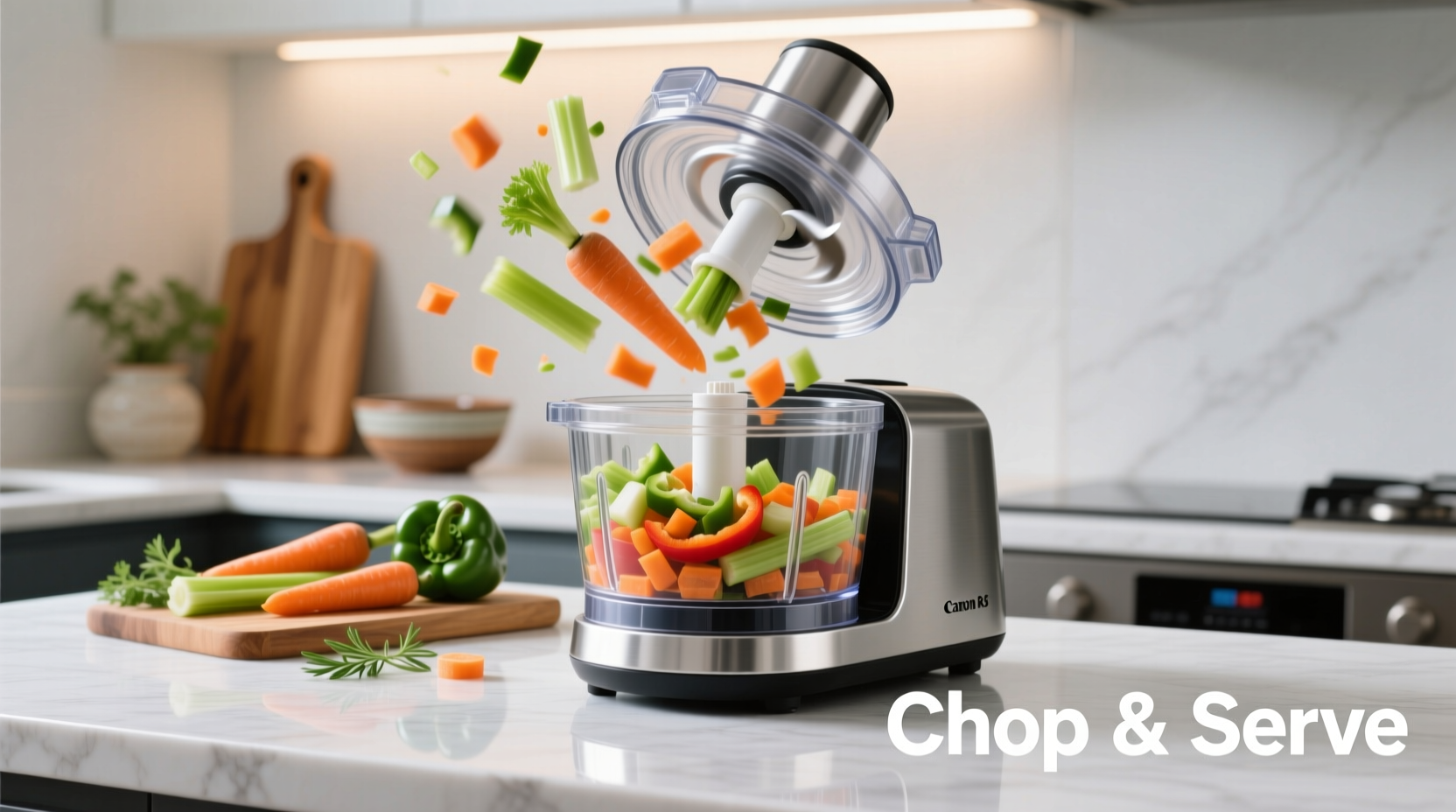
Pureeing is another important part of Food Processor Uses & Capabilities. The main blade can turn cooked vegetables, beans, nuts, and other foods into thick spreads and smooth or slightly textured mixtures.
This makes a food processor useful for hummus, pesto, salsa, bean dips, nut butters, and many sauces. You can often control the final texture by changing the processing time and scraping the bowl during the process.
For very thin liquids, a blender may work better. A food processor shines when the mixture is thick enough for the blade to move the ingredients around the bowl.
- ✦ Hummus
Process chickpeas with tahini, lemon juice, garlic, and other ingredients until the desired texture develops.
- ✦ Pesto
Pulse herbs, nuts, cheese, garlic, and oil into a coarse or smooth sauce.
- ✦ Salsa
Pulse vegetables and other ingredients in short bursts to keep a chunky texture.
- ✦ Nut butter
Process roasted nuts until they release their natural oils and form a spread, stopping as needed to protect the machine and check texture.
How to Avoid Over-Processing
Texture can change in only a few seconds. Start with short pulses and check the mixture often. If a recipe calls for a chunky texture, stop before the ingredients become smooth.
When making a thick mixture, pause to scrape the sides of the bowl. This helps move ingredients back toward the blade and can create a more even result.
- ✦ Start slowly
Use short pulses before moving to longer processing times.
- ✦ Scrape the bowl
Turn off and unplug the machine before opening it to scrape food from the sides.
Making Dough and Mixing Ingredients
Some food processors can mix and knead dough. This can be useful for certain pizza doughs, pie doughs, biscuits, and other baked foods. The machine can combine ingredients fast and reduce the amount of hand work.
The exact dough capacity depends on the model. Dough can become heavy as it develops, so always follow the manufacturer’s instructions for maximum amounts and suitable recipes.
For pastry, a food processor can also cut cold butter into flour with short pulses. The goal is to create the texture the recipe calls for without letting the mixture become warm or overworked.
- ✦ Pie dough
Use short pulses to combine flour and cold fat, then add liquid as directed by the recipe.
- ✦ Pizza dough
Some models can mix and knead pizza dough quickly, but stay within the machine’s dough capacity.
- ✦ Biscuits
A processor can cut cold butter into dry ingredients with short pulses.
- ✦ Pastry texture
Stop processing as soon as the mixture reaches the needed texture. Too much processing can make some pastry tough.
Food Processor Dough Limits
A food processor is not a universal stand mixer. Very large or stiff dough batches can place a heavy load on the motor. Check the manual before making bread or other dense dough, and use the dough blade when the manufacturer provides one.
- ✦ Check capacity
Use the dough weight or volume limit listed in the appliance manual.
- ✦ Watch the motor
Stop the machine if it struggles, moves excessively, or shows other signs of overload.
Grinding, Crumbing, and Food Prep Jobs
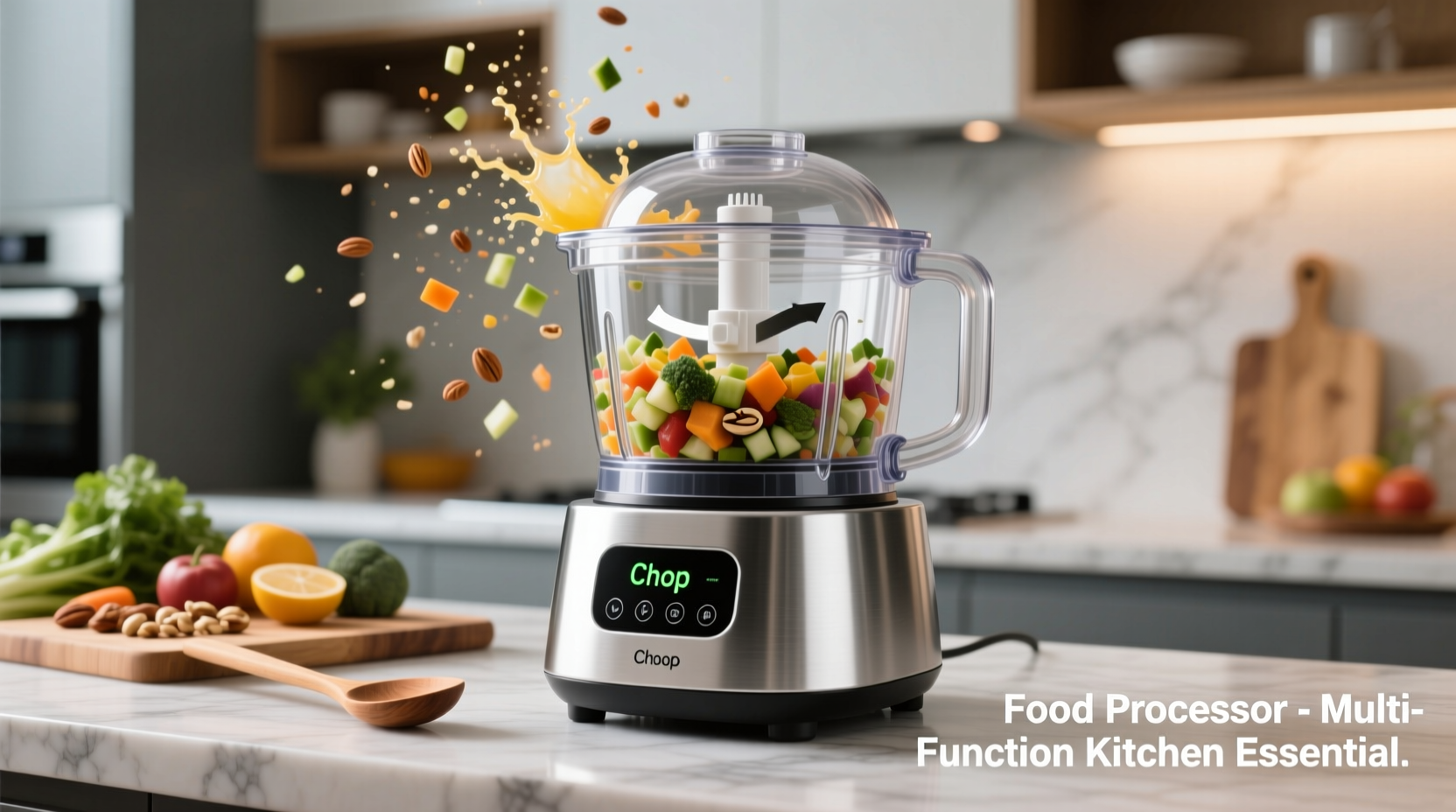
Grinding and crumbing add even more range to Food Processor Uses & Capabilities. The main blade can break down nuts, crackers, bread, and some dry ingredients into smaller pieces. The final texture depends on the food, blade, and processing time.
You can make breadcrumbs from stale or toasted bread, crush crackers for a crust, and chop nuts for baking. Some processors can also grind certain foods that are firm enough for the blade and approved by the manufacturer.
The processor can also help with meal prep. You can prepare a large batch of chopped vegetables, shred ingredients for several meals, or make a sauce that lasts for more than one dinner.
- ✦ Breadcrumbs
Process dry or stale bread until you reach coarse crumbs or a finer texture.
- ✦ Cracker crumbs
Turn crackers into crumbs for pie crusts, coatings, toppings, and baked dishes.
- ✦ Chopped nuts
Pulse nuts for baking, toppings, fillings, and savory recipes.
- ✦ Meal prep
Prepare large batches of chopped or shredded ingredients before cooking meals during the week.
Foods You Should Treat With Care
Not every food belongs in a food processor. Very hard foods, bones, large ice cubes, and foods that exceed the machine’s limits can damage the blade or motor. Some manufacturers also warn against specific ingredients or uses, so the manual should be the final guide.
Hot food also needs care. Some containers are not designed for hot ingredients, and steam can create pressure. Let food cool when the manufacturer’s instructions require it before processing.
- ✦ Very hard foods
Do not process hard foods unless the manufacturer specifically says the model can handle them.
- ✦ Bones
Bones can damage blades and are not a normal food processor task.
- ✦ Excessively hot food
Follow the manual’s instructions for hot ingredients and cooling before processing.
Less Obvious Food Processor Uses
The most useful Food Processor Uses & Capabilities are not limited to basic chopping. Once you understand how the blade changes food texture, you can use the appliance for many small kitchen jobs that would otherwise require extra tools.
For example, a processor can help make flavored crumbs, chopped vegetable mixes, homemade sauces, fillings, and certain frozen treats. The goal is not to force the machine to do every job, but to use it when its wide bowl and fast blade give you a clear advantage.
Think about the jobs that take the most hand prep in your kitchen. If you often grate cheese, chop vegetables, make dips, or prepare dough, a food processor may save more time than it does for someone who mainly cooks small meals.

- ✦ Homemade breadcrumbs
Use leftover bread to make fresh crumbs instead of buying packaged crumbs.
- ✦ Vegetable mixtures
Create finely chopped vegetable mixes for meatloaf, burgers, soups, sauces, and fillings.
- ✦ Compound butter
Mix softened butter with herbs, garlic, spices, or other ingredients until evenly combined.
- ✦ Energy bites
Many recipes use a food processor to combine ingredients such as nuts, dates, oats, and other sticky foods.
- ✦ Crust mixtures
Crush crackers or cookies and combine them with other ingredients for dessert or savory crusts.
When These Uses Make Sense
A food processor is most useful when you need speed, volume, or a repeatable texture. If you only need to chop one small onion, a knife may be faster because cleanup takes time. For a large batch, the processor often becomes much more efficient.
- ✦ Large batches
Use the machine when hand prep would take several minutes or require repeated chopping.
- ✦ Repeated prep
It can be especially useful when you cook several meals at once.
- ✦ Texture control
Pulse processing lets you move from coarse pieces to a fine mixture with more control.
How to Use a Food Processor Correctly
Good Food Processor Uses & Capabilities start with safe and correct setup. Place the machine on a stable surface, fit the bowl and lid correctly, and choose the attachment that matches the task. Keep the appliance unplugged while fitting or removing blades and discs.
Cut large foods into manageable pieces before adding them. Do not force food through the feed tube. Use the supplied pusher and follow the capacity limits in the manual.
For chopping, begin with short pulses. For mixing or pureeing, use the required continuous setting when the recipe calls for it. Stop the machine before opening the lid, scraping the bowl, or checking the blade.
- ✦ 1. Set up the machine
Place the processor on a firm surface and make sure the bowl and lid lock into position.
- ✦ 2. Pick the right attachment
Use the main blade for chopping and mixing, or choose a slicing, shredding, or dough attachment when needed.
- ✦ 3. Prepare the food
Cut large ingredients into pieces that fit the bowl or feed tube safely.
- ✦ 4. Process in the right way
Use pulses for chopping and follow the recipe or manual for continuous processing.
- ✦ 5. Stop before opening
Turn off and unplug the appliance before removing the lid, blade, or food.
- ✦ 6. Clean after use
Wash removable parts as directed and dry them well before storage.
Pulse vs. Continuous Processing
The pulse button is useful when you want control. Each short burst gives the food another cut without running the blade for too long. This works well for salsa, chopped vegetables, nuts, and other foods where texture matters.
Continuous processing works better when you want a more uniform mixture. It can help with purees, dough, sauces, and other recipes that need the blade to keep moving.
- ✦ Use pulse
Choose pulse for rough chopping and recipes where you need to stop and check texture.
- ✦ Use continuous mode
Use a steady setting when the recipe needs a smooth mixture or longer processing.
Food Processor Benefits and Limitations
The wide range of Food Processor Uses & Capabilities can make the appliance a valuable time-saving tool. It can reduce repetitive knife work, speed up batch preparation, and help create textures that are hard to achieve quickly by hand.
Still, a food processor has limits. It can take longer to clean for a tiny task, it cannot replace every appliance, and some foods need special care. Knowing when not to use it is part of using it well.
The best approach is to match the appliance to the job. Use it when speed, quantity, or texture gives you a real benefit. Use a knife, blender, mixer, grater, or other tool when that tool fits the task better.
- ✦ Fast batch prep
Large amounts of food can often be chopped, sliced, or shredded much faster than by hand.
- ✦ Many functions
One motor base can support several attachments and handle many types of food preparation.
- ✦ Consistent results
A slicing or shredding disc can produce more uniform pieces than manual cutting.
- ✦ Less manual effort
The motor handles much of the repetitive work involved in chopping, shredding, mixing, and kneading.
- ✦ Cleanup takes time
A small task may not justify using the processor because several parts may need cleaning.
- ✦ Not every food is suitable
Hard, hot, oversized, or otherwise unsuitable foods can damage the appliance or create a safety risk.
When a Food Processor Is Not the Best Tool
For a single small item, a chef’s knife can be quicker. For thin liquids and drinks, a blender may provide better circulation. For large bread dough batches, a stand mixer may be a better fit if the recipe and machine capacity call for it.
Choosing the right tool prevents poor results and unnecessary wear. The goal of Food Processor Uses & Capabilities is not to make the processor do every job, but to understand where it gives you the most value.
- ✦ Small knife jobs
Use a knife when you only need a small amount of chopped food and cleanup would take longer than the task.
- ✦ Thin drinks
A blender is often better for smoothies and other liquid-heavy mixtures.
- ✦ Large dough batches
Use a suitable stand mixer or other tool when the food processor cannot safely handle the dough volume or weight.
How to Choose a Food Processor Based on Its Capabilities
If you are buying a food processor, focus on the jobs you actually do. A model with many attachments is not automatically more useful if you rarely use them. Bowl size, motor design, controls, feed tube size, storage, and dishwasher-safe parts can matter more in daily use.
For a family that cooks large meals, a full-size processor can make batch prep easier. A smaller model may suit someone who mainly makes small dips, chopped ingredients, or simple sauces. Think about both the food you make and how often you will clean the machine.
Food Processor Uses & Capabilities also depend on what comes in the box. Before buying, check which blades and discs are included rather than assuming every model can slice, shred, knead, or perform the same tasks.
- ✦ Bowl capacity
Choose a bowl size that matches the batches you normally prepare without forcing you to overfill the machine.
- ✦ Attachment range
Check whether the model includes the blade, slicing disc, shredding disc, and dough tool you actually need.
- ✦ Feed tube
A larger feed tube can reduce the amount of cutting needed before slicing or shredding.
- ✦ Controls
Pulse and continuous settings are useful for controlling texture and handling different recipes.
- ✦ Cleaning
Removable and dishwasher-safe parts can make frequent use more practical when the manufacturer permits dishwasher cleaning.
- ✦ Storage
Consider where the bowl, blades, discs, and other attachments will be stored between uses.
Capacity Matters More Than You May Think
A bowl that is too small can force you to work in many batches. A very large machine may take more counter and storage space than you want. Choose a size that fits your normal cooking habits rather than buying based only on the largest advertised capacity.
- ✦ Small households
A compact processor can be practical for dips, sauces, small batches, and basic chopping.
- ✦ Family cooking
A larger bowl can be useful for meal prep, shredded vegetables, sauces, and larger batches.
Tips for Better Food Processor Results
Small technique changes can improve almost every Food Processor Uses & Capabilities. The most common mistake is running the machine too long. A few extra seconds can change chopped food into a paste.
Another common mistake is filling the bowl too much. If food cannot move around the blade, some pieces may stay large while others become too fine. Smaller batches often produce more even results.
Keep blades sharp and handle them carefully. A dull blade can reduce performance, while careless handling can cause injury. Follow the cleaning and maintenance instructions supplied with your model.
- ✦ Cut food evenly before processing
Similar-size pieces help the blade process the food more evenly.
- ✦ Use short pulses
Pulsing gives you control and helps prevent accidental over-processing.
- ✦ Do not overload the bowl
Leave enough room for the food to move and follow the maximum fill line.
- ✦ Scrape when needed
Stop and unplug the machine before moving food from the bowl walls back toward the blade.
- ✦ Use the correct disc
Choose a slicing or shredding disc when the recipe calls for even slices or shreds.
- ✦ Clean soon after use
Food is easier to remove before it dries onto the bowl, lid, blade, or discs.
A Simple Rule for Texture
When you are unsure, process less rather than more. You can always run another short pulse, but you cannot turn a puree back into larger chopped pieces. This simple habit gives you much more control.
- ✦ Check often
Stop after a few pulses and inspect the food before continuing.
- ✦ Add time slowly
Process in small increments until the texture matches the recipe.