Electric Kettle Safety & Proper Use: A Complete Guide to Safe Everyday Use
Electric kettles are simple kitchen tools, but they combine hot water, steam, electricity, and heat in one small appliance. That makes safe use important. For most U.S. homes, a few simple habits can prevent burns, spills, electrical problems, and damage to the kettle.
Good Electric Kettle Safety & Proper Use starts before you press the switch. Check the kettle, place it on a firm dry surface, add only the needed amount of water, and keep the electrical parts dry. These small steps also help the kettle work well for longer.
In practical kitchen use, the most common mistakes are easy to avoid. People may overfill the jug, boil too little water, lift the kettle while it is heating, or pour too fast. A safe routine takes only a few extra seconds and can make daily tea, coffee, oatmeal, and hot-water tasks much easier.
Why Electric Kettle Safety Matters
An electric kettle can heat water very quickly. The water may reach a boil before you expect it, and the steam can cause a serious burn. The outside of some kettles can also become hot during use.
Electric Kettle Safety & Proper Use means managing three main risks: hot water, hot steam, and electricity. The kettle’s automatic shutoff helps, but it does not replace safe handling.
A safe kettle should also sit away from the edge of a counter. This lowers the chance of a child, pet, or passing person pulling it down. Keep the handle turned away from areas where it can be bumped.
- ✦ Burn risk
Boiling water and steam can burn skin very quickly. Take care when opening the lid and pouring.
- ✦ Electrical risk
Water must stay away from the plug, cord connection, and electrical base. Never handle these parts with wet hands.
- ✦ Spill risk
A full kettle is heavy and harder to control. Fill it only as much as you need.
- ✦ Appliance risk
An empty kettle or damaged cord can cause poor operation and may create a safety problem.
The Role of the Automatic Shutoff
Many electric kettles switch off when the water reaches a boil. This is an important safety feature because it limits continued heating. Still, the shutoff should be treated as a backup, not as permission to ignore the appliance.
If the kettle keeps heating after boiling, makes unusual sounds, smells like burning plastic, or shows other faults, unplug it when safe to do so and stop using it. Check the manual for the correct service or replacement steps.
- ✦ Helpful feature
Automatic shutoff can stop the heating cycle after boiling.
- ✦ Not a substitute for care
Always use the correct water level and follow the model’s instructions.
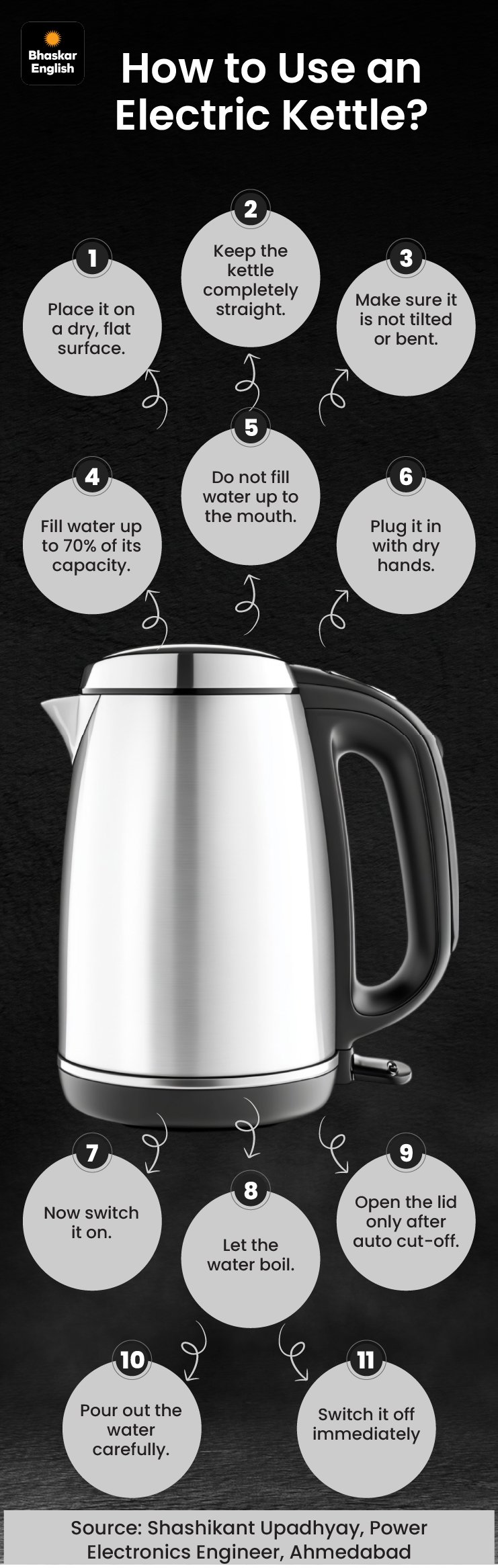
How to Use an Electric Kettle Safely
Safe use begins with a quick check. Make sure the kettle, lid, handle, cord, plug, and base look normal. Do not use a kettle with a cracked body, loose handle, damaged cord, or damaged plug.
Place the base on a flat, stable, dry counter. Keep it away from the sink edge, stove burners, and places where water can splash. Then remove the kettle from the base before filling it unless the manufacturer says otherwise.
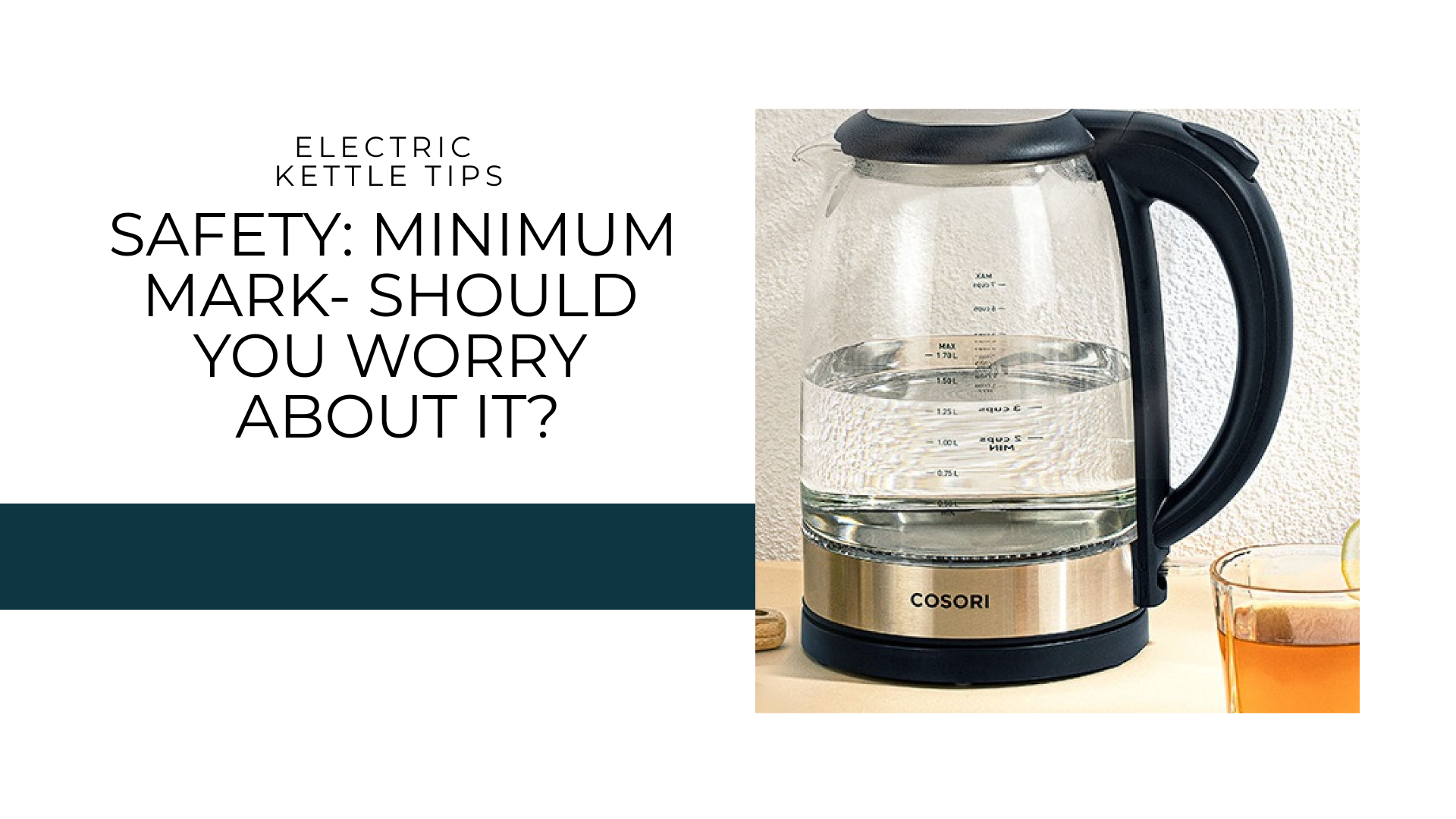
Add clean water between the minimum and maximum marks. Do not go above the maximum line. Too much water can spill or escape through the lid or spout when it boils.
Close the lid fully if the design requires it, place the kettle back on its base, and switch it on. Keep the cord clear of hot surfaces and walkways. When the kettle shuts off, wait a moment before lifting the lid or pouring.
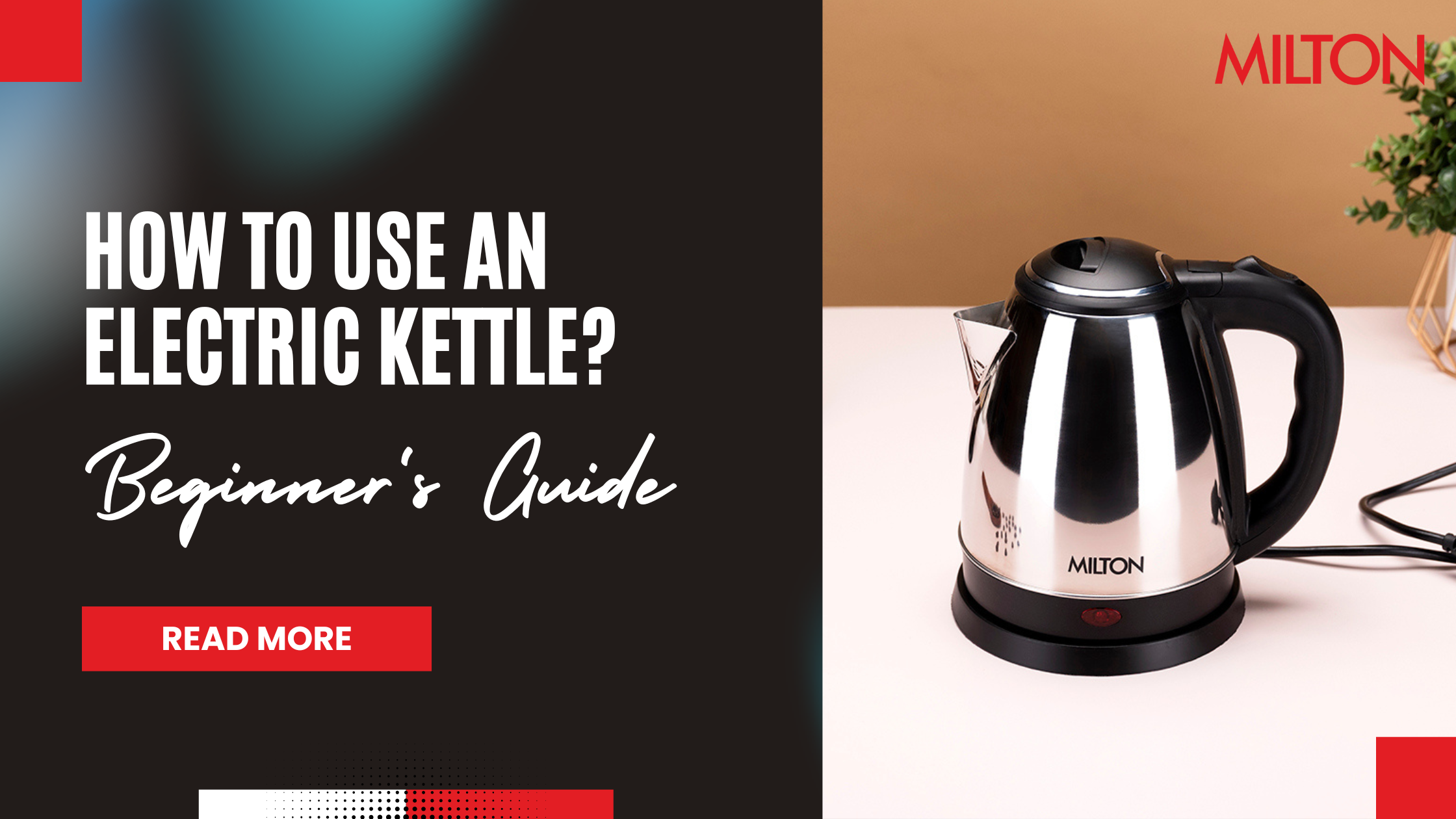
- ✦ Step 1: Inspect
Check the body, lid, handle, cord, plug, and base for visible damage.
- ✦ Step 2: Fill
Add enough water for your task, but stay between the minimum and maximum marks.
- ✦ Step 3: Place
Set the kettle on a dry, level base with the cord safely positioned.
- ✦ Step 4: Heat
Start the kettle and let its normal shutoff cycle work.
- ✦ Step 5: Pour
Hold the handle firmly and pour slowly, keeping your hands away from steam.
How Much Water Should You Put in an Electric Kettle?
Use the minimum level when the kettle requires one, and never pass the maximum mark. The best amount is usually the amount you need for the drinks or food you are preparing.
Heating only the water you need can also reduce wasted time and energy. If you need several cups, use the kettle’s stated capacity rather than guessing.
- ✦ Too little
Water below the required minimum may expose the heating system to conditions the manufacturer did not intend.
- ✦ Too much
Overfilling can cause boiling water to escape through the lid or spout.
- ✦ Just enough
Fill for the number of cups or the task while staying within the marked range.
Safe Pouring Technique
Pour slowly and keep the spout pointed away from your body. Steam can rise from the spout and lid, so do not place your face or hand above the opening.
Use the handle rather than touching the hot body. If the kettle feels unstable, set it down and adjust your grip before pouring.
- ✦ Keep a firm grip
Use the handle and make sure your hand is dry before lifting the kettle.
- ✦ Control the flow
Pour slowly to reduce splashes and sudden movement.
Common Electric Kettle Safety Mistakes to Avoid
Most electric kettle problems do not need complex fixes. They often begin with a simple misuse. Knowing the common mistakes makes Electric Kettle Safety & Proper Use easier to follow.
Never assume that a kettle is safe just because it is new. Read the instructions for the exact model. Features such as temperature controls, removable lids, filters, and heating systems can differ.
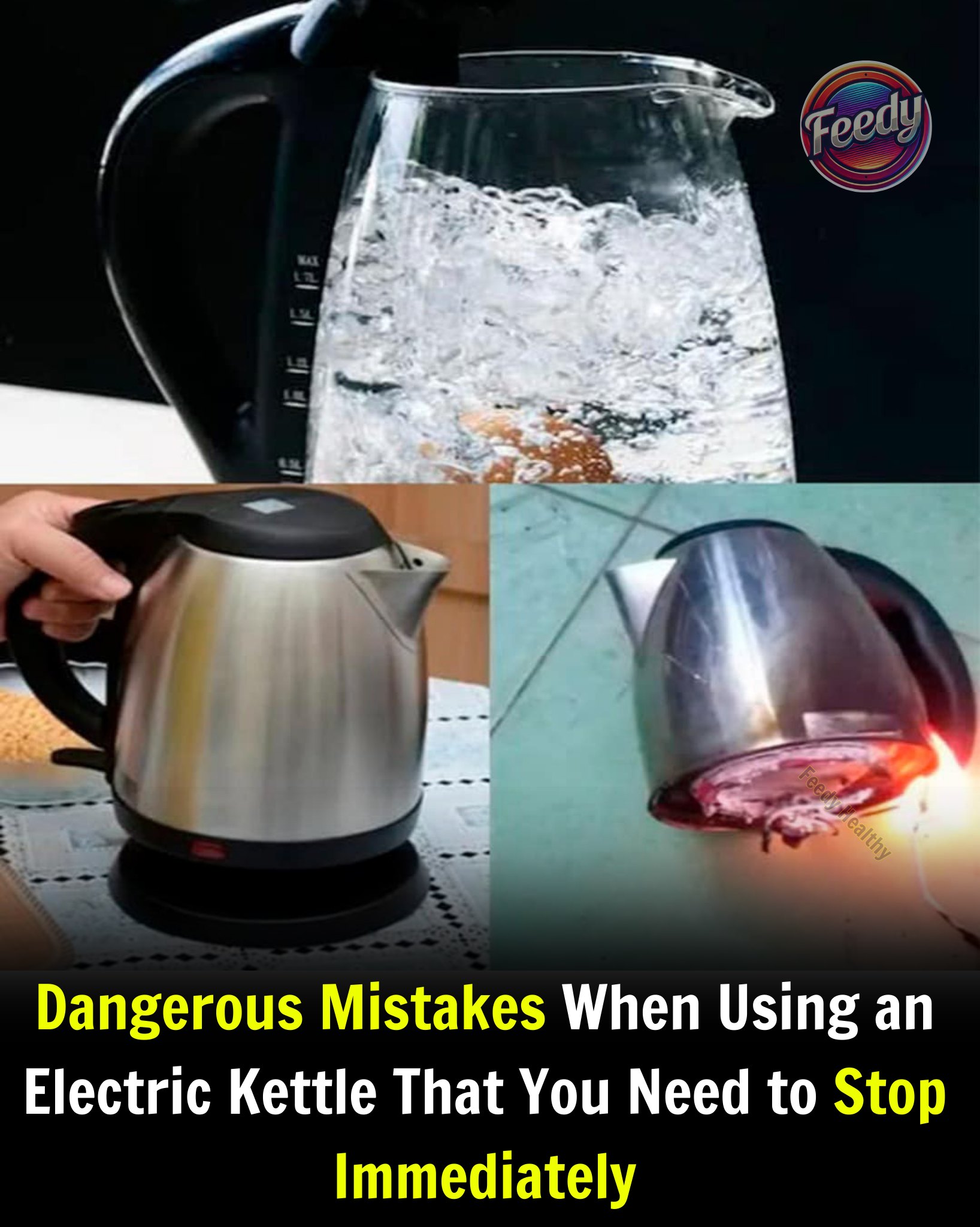
- ✦ Running the kettle empty
Do not switch on an empty kettle unless the manufacturer specifically states that the model supports that condition.
- ✦ Overfilling
Do not fill above the maximum line because boiling water may escape.
- ✦ Using a wet base
Dry the outside of the kettle and keep water away from the electrical base.
- ✦ Touching hot surfaces
Use the handle and avoid touching the body, lid, spout, or metal parts that may become hot.
- ✦ Pouring near children
Keep children away from the kettle during and soon after heating.
- ✦ Pulling the cord
Do not yank the cord to move or unplug the appliance. Use the plug when disconnecting it.
- ✦ Using a damaged cord
Stop using the kettle if the cord or plug has cuts, exposed wires, burn marks, or other damage.
- ✦ Ignoring strange smells
A persistent burning smell or unusual electrical odor is a reason to stop use and inspect the appliance according to the manual.
Why You Should Not Boil an Empty Kettle
An empty kettle has no water to absorb heat from the heating system. Many kettles have protection against dry heating, but you should not rely on that feature as normal operating practice.
Repeated dry heating may shorten appliance life or trigger a safety cutoff. If you accidentally switch on an empty kettle, turn it off and let it cool before adding water, unless the manual gives different instructions.
- ✦ Better habit
Check the water level before every heating cycle.
- ✦ After dry heating
Allow the kettle to cool before restarting it when the model’s instructions call for a cooling period.
Electricity, Cords, Plugs, and the Kettle Base
Electric Kettle Safety & Proper Use depends on keeping water and electricity apart. The kettle itself may hold water, but the electrical contacts and power connection should remain dry.
Before cleaning or moving the base, unplug the kettle and keep the plug away from water. Do not immerse the kettle base, power cord, or plug in water unless the manufacturer clearly states that a part is designed for such cleaning.
Use the power setup recommended by the manufacturer. Do not use a damaged extension cord, loose outlet, or power strip that the instructions do not allow. If the plug or outlet becomes unusually hot, stop using the kettle and have the electrical issue checked.
- ✦ Keep the base dry
Wipe spills away before placing the kettle on the electrical base.
- ✦ Inspect the cord
Look for cuts, cracks, exposed wires, melted areas, or other signs of damage.
- ✦ Protect the outlet
Use a sound outlet that fits the plug firmly and does not show signs of overheating.
- ✦ Unplug safely
Grip the plug when disconnecting the kettle rather than pulling the cord.
Can an Electric Kettle Get Wet?
The water container is made to hold water, but that does not mean every part of the kettle can get wet. The electrical base, plug, and cord need special care.
If water spills onto the base, unplug the appliance if you can do so safely, then follow the manufacturer’s drying and cleaning instructions. Never keep using an appliance when water has entered an area that contains electrical parts.
- ✦ Safe approach
Treat the base, plug, and cord as electrical parts that must stay dry.
- ✦ When unsure
Check the manual before cleaning or using a kettle that has had a major water spill.
How to Prevent Burns and Scalds
Boiling water can cause a serious scald. Steam can also burn skin, even when the water itself is not touching you. Safe handling matters most during pouring, filling, and opening the lid.
Keep the kettle away from the edge of the counter. Do not place it where the cord can catch on a handle, drawer, or passing person. Families with young children should keep the appliance well out of reach.
After boiling, give the kettle a moment before opening it if the design allows steam to build under the lid. Follow the manufacturer’s instructions for lid operation and pouring.
- ✦ Keep hands dry
Dry hands improve your grip and reduce the chance of slipping while handling the kettle.
- ✦ Watch the steam
Keep your face and hands away from the spout and lid opening.
- ✦ Keep children away
Do not let children handle a kettle filled with hot water unless the appliance and situation are specifically suitable.
- ✦ Use a stable counter
A level surface reduces the chance of the kettle tipping over.
- ✦ Pour with control
Use a steady grip and a slow pour to reduce splashes.
What to Do if Hot Water Spills
If hot water spills on your skin, move away from the source and cool the affected area under cool running water. Do not use ice directly on a burn.
For serious burns, large areas, burns involving sensitive areas, or any burn that looks severe, seek prompt medical care. In an emergency, call 911 in the United States.
- ✦ Cool the area
Use cool running water as soon as possible for a heat burn.
- ✦ Avoid ice
Direct ice can further damage injured skin.
- ✦ Get medical help
Seek medical attention for severe or extensive burns.
Cleaning and Descaling for Safe Operation
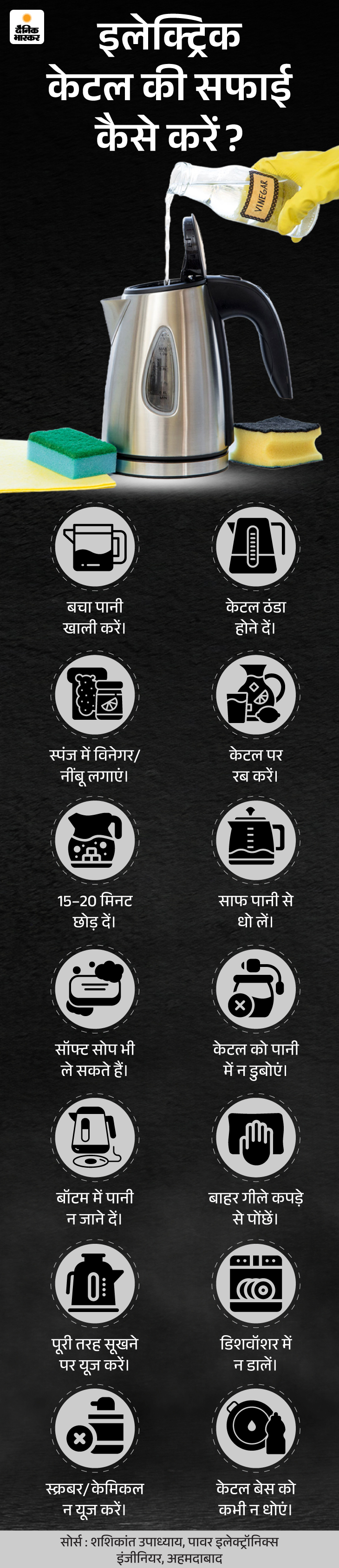
Cleaning is an important part of Electric Kettle Safety & Proper Use. Mineral deposits can build up inside a kettle, especially when the water contains more dissolved minerals. A layer of scale can affect heating and make the kettle harder to keep clean.
Descale the kettle based on the manufacturer’s instructions and how often you use it. Many people use a suitable descaling solution or an approved mild acid method, but the correct method depends on the kettle materials and the manufacturer’s guidance.
Never put the electrical base in water. Empty the kettle, clean the water chamber as directed, rinse it well, and allow all parts that need to be dry to dry before normal use.
- ✦ Empty after use
Follow the manufacturer’s advice on whether to leave water in the kettle between uses.
- ✦ Remove scale
Descale when mineral buildup becomes visible or when the manufacturer’s schedule calls for it.
- ✦ Rinse well
After descaling, rinse the kettle as directed so no cleaning residue remains.
- ✦ Protect electrical parts
Keep the base, plug, and cord out of water.
How Often Should You Descale an Electric Kettle?
There is no single schedule that fits every home. Use frequency, water hardness, and visible scale as guides. Homes with hard water may need more frequent descaling than homes with softer water.
If you notice a chalky layer, slower heating, unusual bubbling, or changes in normal operation, check the manual and consider descaling. Do not scrape the heating area with sharp tools because this may damage the appliance.
- ✦ Check the inside
Look for white or chalky mineral buildup.
- ✦ Follow the manual
Use the cleaning product and method approved for your kettle.
- ✦ Avoid harsh tools
Do not use sharp objects that could scratch or damage internal parts.
Choosing a Safer Electric Kettle
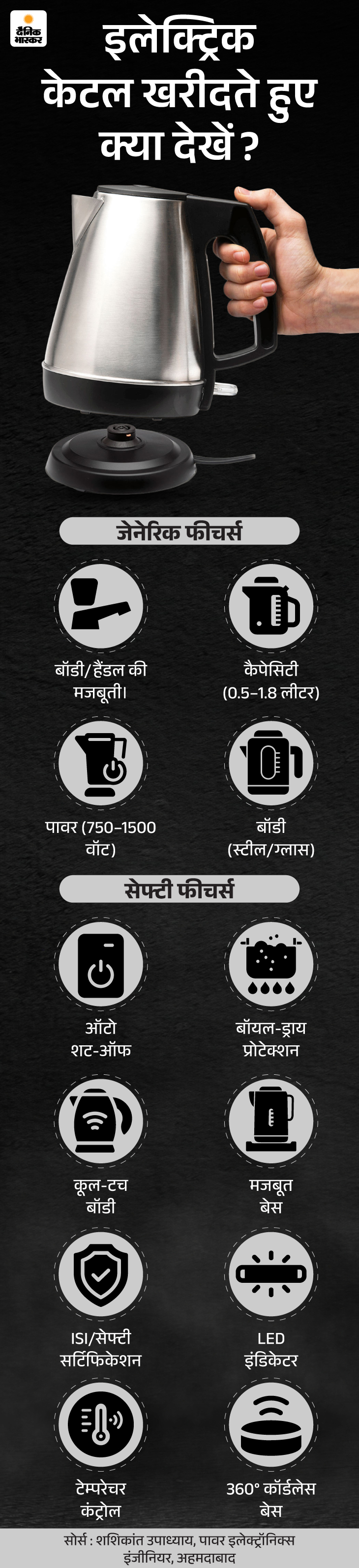
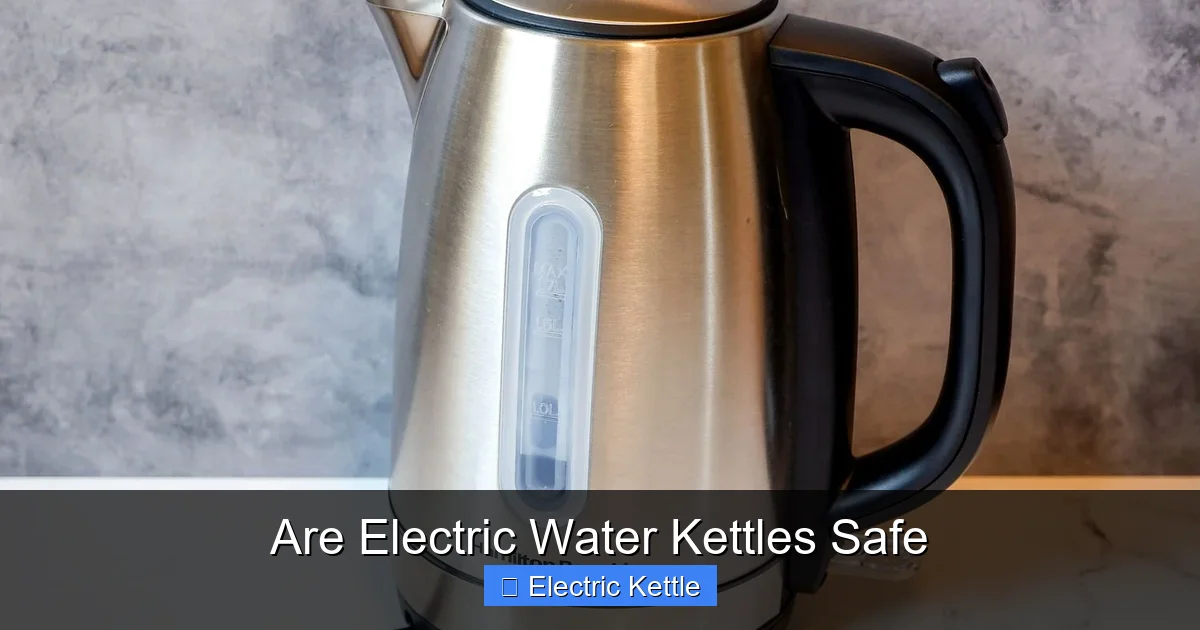
Safe use starts with choosing an appliance that fits your needs. When buying an electric kettle in the United States, look for clear safety instructions, a stable base, a secure handle, and useful automatic protection.
A kettle should also have a clear water-level mark that is easy to read. A wide opening can make cleaning easier, while a controlled spout can help reduce splashes during pouring.
Do not choose a kettle based only on speed or appearance. Check the manual, warranty details, electrical requirements, and safety features before buying.
- ✦ Automatic shutoff
This feature can stop heating after the water reaches the intended point.
- ✦ Boil-dry protection
Some models can stop heating when little or no water is detected.
- ✦ Stable base
A wide, secure base can help keep the kettle steady during use.
- ✦ Secure handle
A firm handle helps you control the kettle while carrying and pouring.
- ✦ Clear water marks
Easy-to-read minimum and maximum levels help prevent underfilling and overfilling.
- ✦ Quality materials
Choose materials and construction that match the manufacturer’s stated use and care instructions.
Safety Features Worth Looking For
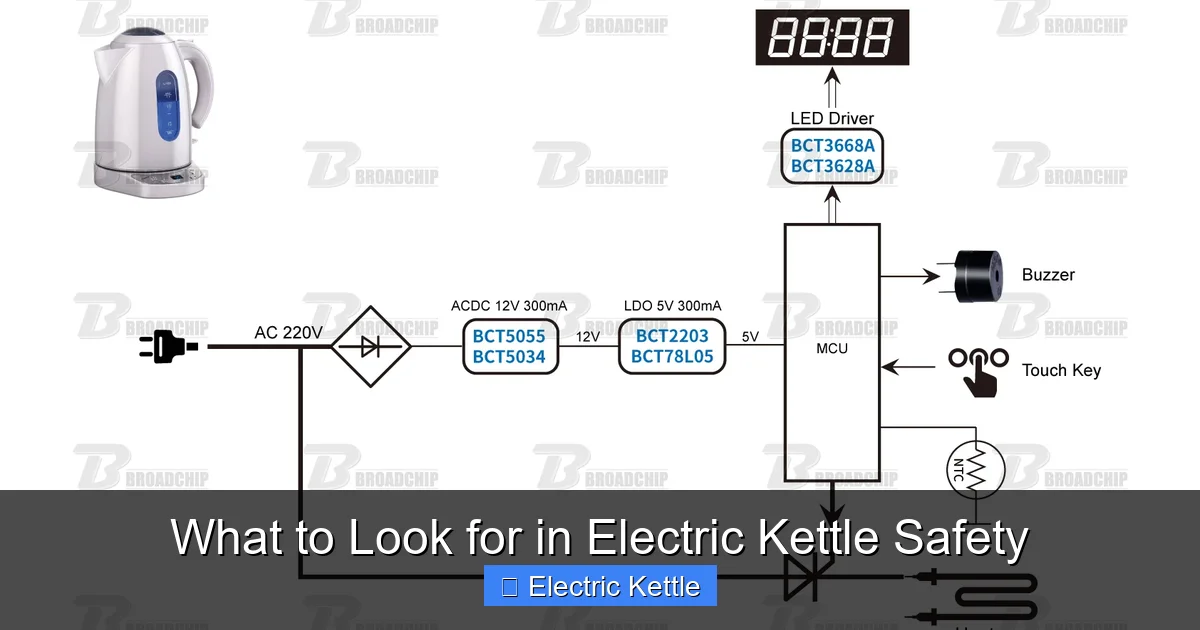
The most useful safety features are the ones that reduce common mistakes. Automatic shutoff and boil-dry protection can add a layer of protection, while a stable base and good handle improve physical control.
Safety labels and certification marks can also provide useful information, but buyers should still read the product instructions. A safety feature only helps when the appliance is used within its stated limits.
- ✦ Automatic shutoff
Stops normal heating after boiling on many models.
- ✦ Boil-dry protection
Can help protect the appliance if there is too little water.
- ✦ Secure lid
Helps keep hot water contained during normal handling.
- ✦ Cool-touch design
Some models use insulation to reduce exterior heat, but hot surfaces should still be handled with care.
Electric Kettle Safety for Different Home Situations
Electric Kettle Safety & Proper Use can change with the setting. A quiet home kitchen is different from a busy office, college room, family kitchen, or shared space.
In a busy kitchen, place the kettle where people will not brush against it. In an office, keep the cord and hot water away from shared walkways. In any setting, make sure the person using the kettle knows how it works before turning it on.
Extra care helps when children, older adults, or people with limited grip strength are nearby. The goal is simple: reduce the chance of a hot kettle being knocked over or hard to control.

- ✦ Family kitchens
Keep the kettle far from the counter edge and out of children’s reach.
- ✦ Office kitchens
Keep cords clear of walkways and shared work areas.
- ✦ Small counters
Choose a stable location with enough space to lift and pour safely.
- ✦ Shared spaces
Leave the kettle clean and dry and make sure others can see the hot-appliance area.
Using an Electric Kettle Around Children
Children may be attracted to a kettle because it is easy to operate. The risk comes from the hot water, steam, cord, and unstable weight of a filled kettle.
Keep the kettle and cord out of reach when possible. Do not allow a child to pull the cord or carry a kettle filled with hot water.
- ✦ Keep it high and back
Place the kettle well away from edges and areas where children can reach.
- ✦ Control the cord
Do not leave a loose cord hanging where it can be pulled.
Troubleshooting Unsafe or Unusual Kettle Behavior
A change in normal operation deserves attention. Do not keep using a kettle simply because it still heats water. Unusual smells, sparks, repeated shutoffs, damaged parts, or water leaking into electrical areas can signal a problem.
First, switch off and unplug the kettle when it is safe to do so. Let it cool, then check the manual for the specific fault. Never open an electrical appliance or attempt an internal repair unless you have the proper training and the manufacturer allows that work.
Electric Kettle Safety & Proper Use includes knowing when not to troubleshoot. If the problem involves the plug, cord, electrical base, smoke, burning odor, or visible electrical damage, replacement or qualified service may be safer than a home repair.
- ✦ Kettle does not switch off
Stop normal use and check the manufacturer’s troubleshooting guidance.
- ✦ Burning smell
Stop using the appliance and disconnect power when safe.
- ✦ Damaged cord
Do not continue using the kettle until the cord issue is properly resolved.
- ✦ Water leaking
Stop using the kettle if water reaches electrical parts or the body is cracked.
- ✦ Sparking
Disconnect power when safe and stop using the appliance until the cause is addressed.
When Should You Replace an Electric Kettle?
Replacement makes sense when the kettle has damage that affects safe use, when important safety features no longer work, or when the appliance repeatedly develops electrical or structural faults.
A cracked body, damaged power cord, loose electrical connection, or failed automatic shutoff should not be ignored. When repair is not clearly supported by the manufacturer, replacing the kettle can be the safer path.
- ✦ Visible damage
Replace the kettle when cracks or other damage can affect safe operation.
- ✦ Repeated faults
Frequent electrical or heating problems are a reason to stop relying on the appliance.
- ✦ Failed safety feature
A malfunctioning automatic shutoff or other safety control should be taken seriously.
A Simple Daily Electric Kettle Safety Checklist
The best safety routine is one you can remember without effort. Before each use, take a quick look at the kettle and make sure the setup is dry, stable, and free of visible damage.
After boiling, pour with care and return the kettle to a safe position. Once it cools, follow the manufacturer’s instructions for emptying, cleaning, and storage.
This short routine covers the core of Electric Kettle Safety & Proper Use without making everyday use difficult.
- ✦ Before use
Check the kettle, cord, plug, and base for damage and make sure the base is dry.
- ✦ While filling
Keep the water between the minimum and maximum marks.
- ✦ While heating
Keep the kettle stable and keep children away from the appliance.
- ✦ After boiling
Wait for the heating cycle to finish and pour slowly.
- ✦ After use
Follow the manufacturer’s advice for emptying, cleaning, and storage.
- ✦ Before the next use
Check for scale, leaks, damage, or unusual changes in operation.
The 30-Second Safety Check
Look at the water level. Check the cord and plug. Make sure the base is dry and the kettle sits firmly.
Then ask one simple question: is anything different from the last time you used it? If the answer is yes, pause and check the manual before continuing.
- ✦ Water
Enough water, but never above the maximum mark.
- ✦ Power
Cord and plug look normal and the electrical area is dry.
- ✦ Position
Kettle is stable and away from the counter edge.