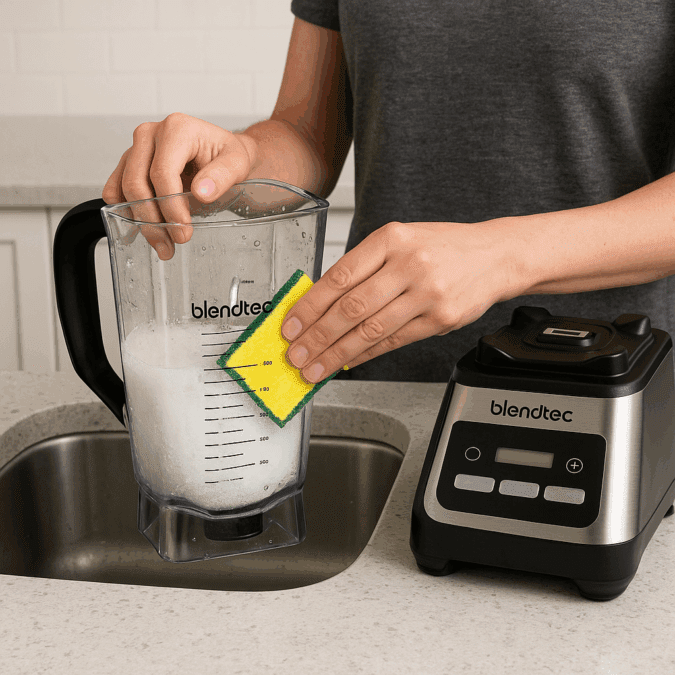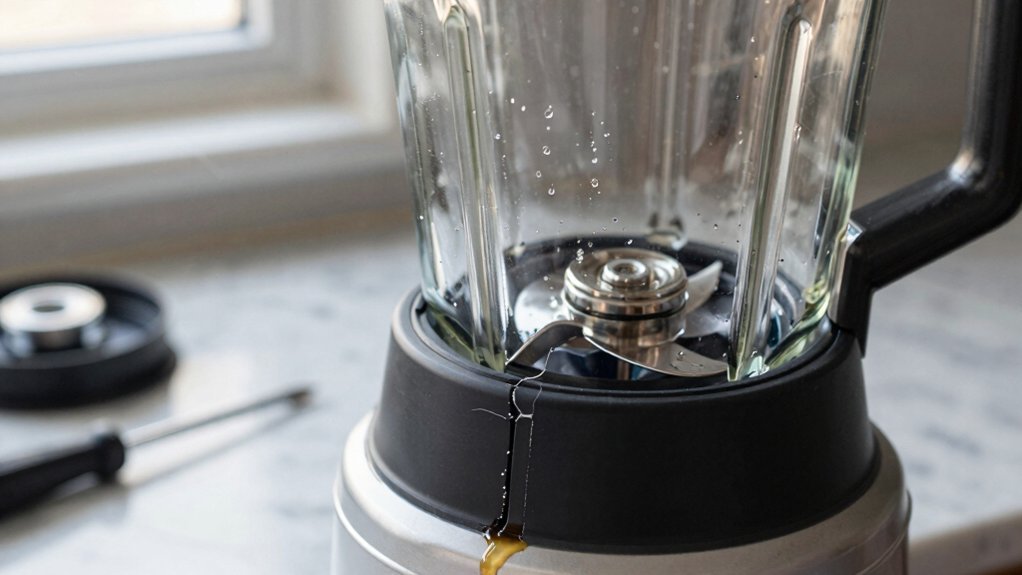
Blender Leaks & Base Problems: Causes, Fixes, and Prevention Guide
Blender Leaks & Base Problems are common issues for many U.S. home cooks, smoothie users, and meal prep fans. A blender that leaks can create messes, waste ingredients, and may damage the motor housing if ignored.
From years of appliance care experience, the most reliable fix starts with finding the exact leak point. Many problems are not caused by the motor itself but by small parts like gaskets, blade rings, or loose connections.

Understanding Blender Leaks & Base Problems
Blender Leaks & Base Problems can appear in several ways. Some users notice liquid dripping from the jar bottom, while others find moisture near the motor base after blending.
The key is to separate jar problems from base problems. A leaking jar assembly often needs a seal or blade replacement, while a motor base issue may involve cleaning, damage, or professional service.
- ✦ Jar bottom leaks
Usually caused by worn gaskets, loose blade units, or damaged jar threads.
- ✦ Base moisture
Can happen when liquids escape from the jar and reach the motor housing.
- ✦ Performance changes
Strange sounds, slower blending, or overheating may appear with serious base problems.
Why early detection matters
Fixing Blender Leaks & Base Problems early protects the appliance and reduces repair costs. A small seal leak can become a major electrical problem if liquid reaches internal parts.
Common Causes of Blender Jar Leaks
The most frequent cause of Blender Leaks & Base Problems is a failing seal system. The gasket creates a tight barrier between the jar and blade assembly, but it wears down over time.
Heavy daily use, hot liquids, and incorrect washing methods can speed up gasket damage. Checking these small parts often prevents larger failures.

- ✦ Worn gasket
Old rubber seals lose flexibility and cannot block liquid properly.
- ✦ Loose blade assembly
A poorly tightened blade unit can allow liquid to escape during blending.
- ✦ Cracked container
Small cracks near the bottom can create slow leaks that are hard to notice.
How to Fix Blender Leaks & Base Problems at Home
Many Blender Leaks & Base Problems can be fixed with basic checks. Always unplug the blender before inspecting parts.
Start by removing the jar, checking the gasket, cleaning the threads, and making sure all parts fit tightly. Avoid forcing parts because this can damage plastic connections.

- ✦ Replace damaged seals
Install a manufacturer-approved gasket that matches your blender model.
- ✦ Clean connection points
Remove food buildup around the blade assembly and jar threads.
- ✦ Test after repair
Use a small amount of water first to confirm the leak is gone.
When replacement is better than repair
A cracked jar, damaged blade housing, or liquid inside the motor base usually requires replacement parts. Continuing to use a damaged blender can create safety risks.
- ✦ Replace cracked jars
A damaged container may fail during blending pressure.
Preventing Future Blender Base Damage
Preventing Blender Leaks & Base Problems is easier than repairing them. Simple habits can extend blender life and keep daily food preparation safe.
Many appliance failures happen because users ignore small leaks. A quick inspection after cleaning can catch problems before they grow.
- ✦ Avoid overfilling
Too much liquid creates pressure that can stress seals and connections.
- ✦ Dry parts completely
Moisture left around the base may contribute to damage over time.
- ✦ Inspect regularly
Check seals, blades, and jar connections every few weeks.
Blender Base Problems Beyond Simple Leaks
Not every Blender Leaks & Base Problems case starts with the jar. The motor base can also suffer from liquid exposure, damaged switches, or worn internal parts.
A wet motor base should never be ignored. Disconnect power and allow the unit to dry before deciding whether repair or replacement is needed.

- ✦ Electrical concerns
Liquid near electrical components can create dangerous operating conditions.
- ✦ Motor stress
Repeated leaks may affect motor performance and lifespan.